Travel Guide
Naoshima Art Island: The Perfect 3-Day Japan Itinerary
Want the editable version of this route?
Open the Instaboard template and adapt stops, timing, and notes to fit your trip.
There's an island in Japan where they took a fading industrial town and filled it with world-class art, and somehow it actually works. Three days here can shift how you think about what a museum even is, if you don't burn your best slots on the wrong day.
Naoshima sits in the Seto Inland Sea, which means ferries, island-hopping energy, and a pace that slows you down whether you planned on it or not.
Day 1
Day one is the big statement: underground museums, Monet in slippers, and ending at a yellow pumpkin while the sun drops behind the islands.
Red Pumpkin by Yayoi Kusama
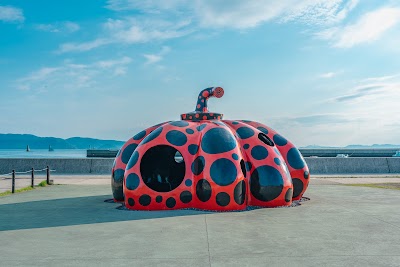
The first thing you see stepping off the ferry at Miyanoura is a giant red polka-dot pumpkin you can actually climb inside. Naoshima was a smelter town with a pollution problem before a publishing magnate started turning it into an art destination in the late eighties.
Most sculptures want you to stand back, but this one wants you to duck through the opening and sit inside the hollow fiberglass. Grab your photo and keep moving, because the real art is inland and this is a ten-minute moment, not the main event.
Tip: Step inside Kusama's red sculpture right at Miyanoura Port for the perfect arrival photo, then walk from the ferry terminal before boarding the shuttle bus inland.
Chichu Art Museum
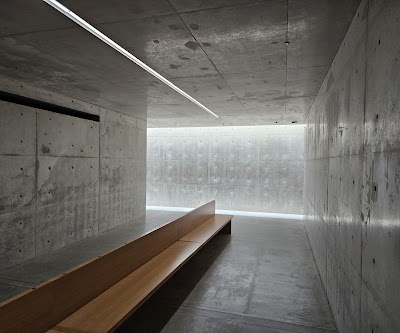
Chichu Art Museum is an entire building buried inside a hillside, designed by Tadao Ando so the hilltop view stays untouched from above. Monet's Water Lilies hang in a room where you shuffle in slippers across white tile, and a column blocks photos so you actually look.
James Turrell's light installations make you question your eyes, and Walter De Maria fills a room with nothing but space and a polished sphere. You need a timed reservation booked weeks ahead, because this is the reason you came to the island and weekend slots sell out.
Tip: Reserve a timed ticket online at least one month in advance. Entry slots sell out fast, especially on weekends. The underground galleries housing Monet's Water Lilies and James Turrell's light rooms are breathtaking.
Pumpkin by Yayoi Kusama
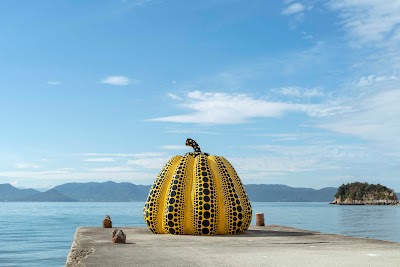
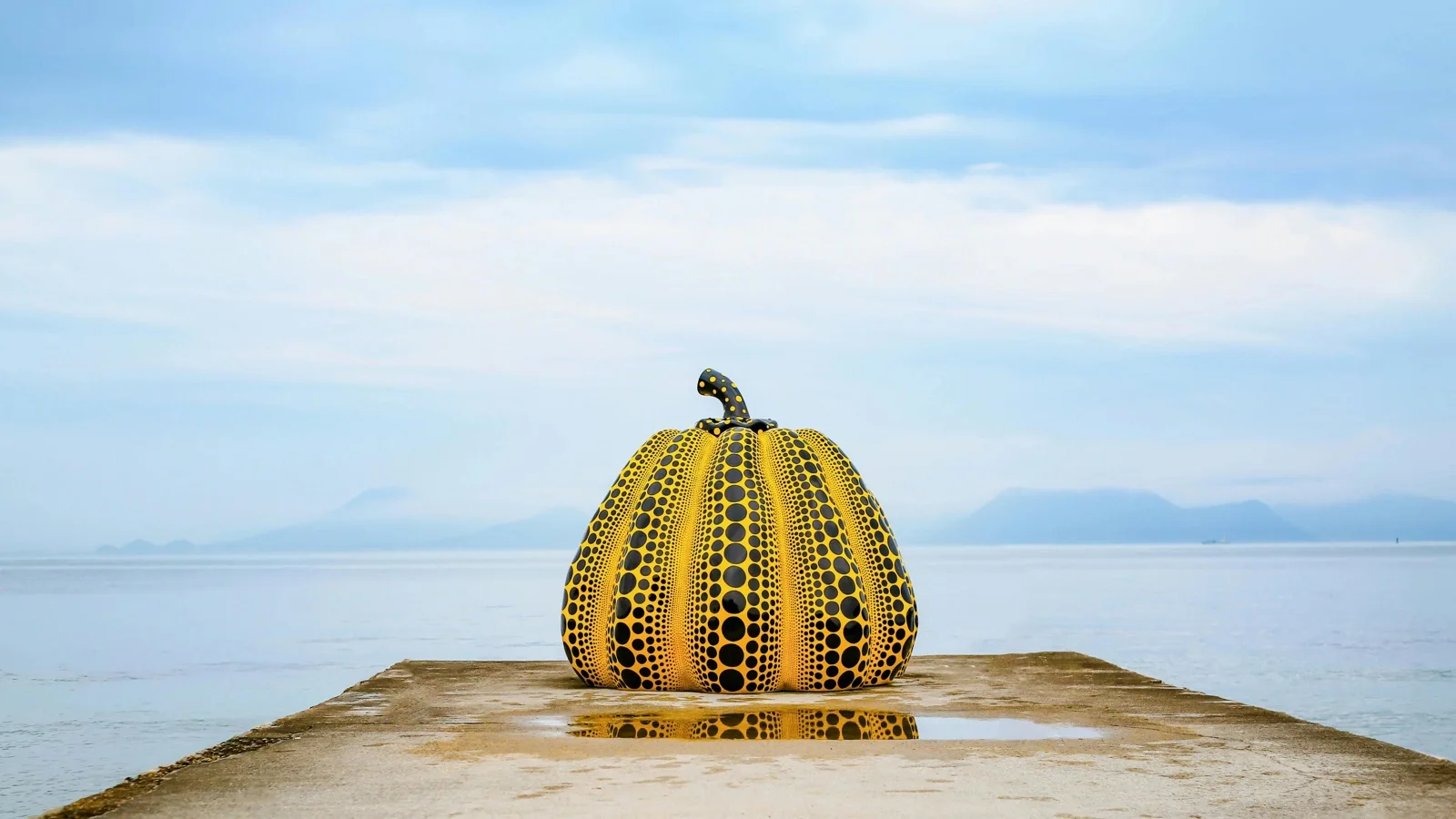
A short coastal walk from Chichu brings you to Kusama's yellow pumpkin sitting on a pier at the water's edge. This is the Naoshima shot: polka-dot fiberglass against the Seto Inland Sea, and it looks exactly as good as every blog promised.
A typhoon swept this pumpkin into the ocean in 2021, and they spent over a year restoring it before placing it back. Get there about an hour before sunset, because that's when the light catches the pumpkin and the sea at the same time.
Tip: Walk along the coastal path near Benesse House to reach Kusama's iconic yellow pumpkin. Arrive before sunset for the best light on the Seto Inland Sea backdrop.
Day 2
Day two dials it way down: fishing village streets, art inside old houses, and a small museum explaining why this island looks the way it does.
Art House Project: Minamidera
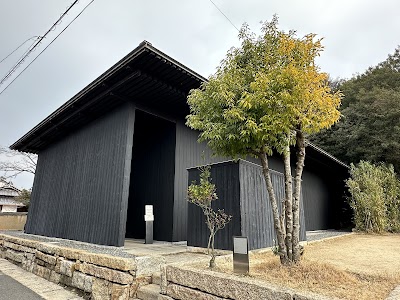
Honmura is an actual fishing village where artists have taken over old houses that still sit between homes where people live and work. Minamidera is a former temple with a James Turrell piece where you sit in near-total darkness until your eyes adjust and the space slowly appears.
Walking between houses on narrow stone-walled lanes, you pass laundry drying next to installation art, sea salt mixed with old wood. Start at the Honmura Lounge for a multi-site ticket and a timed slot for Minamidera, because that one has controlled entry that fills up.
Tip: Buy a multi-site ticket at the Honmura Lounge to access all Art House Project locations. Allow time to walk between them through the atmospheric village streets and stone walls.
Ando Museum
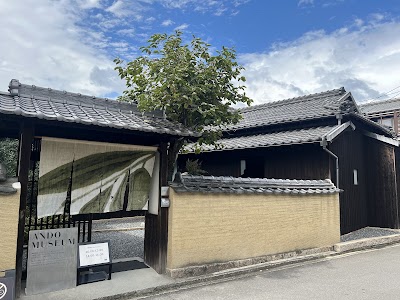
From outside it's a hundred-year-old wooden house in the same village, but inside it's pure Tadao Ando concrete. They disassembled the original house, built a concrete interior inside it, then put the wooden shell back, architecture nested inside architecture.
Ando has designed roughly ten structures here since the early nineties, and this small museum is the key to understanding why the island feels cohesive. It's a quiet forty-five minutes best appreciated as context for everything else you've seen, the man's resume, not his spectacle.
Tip: Tucked inside a traditional wooden house, this museum reveals how Ando's concrete architecture shaped Naoshima. Check opening hours before visiting as it occasionally closes between exhibitions.
Lee Ufan Museum
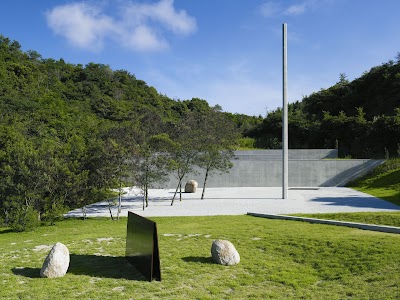
Lee Ufan Museum is the quiet one: rounded stones paired with flat iron plates on polished concrete, and the tension between them is the art. Ufan helped start Mono-ha, the sixties movement that rejected Western-style expression in favor of raw materials and their relationships.
The space makes people instinctively spread out and go quiet, your footsteps becoming part of the composition. If "is that it" crosses your mind, slow down, because the whole point is how little it gives you and how much you feel.
Tip: A serene space featuring Lee Ufan's meditative stone-and-steel sculptures. Book a combined ticket with Chichu Art Museum if visiting both to save on entry fees.
Day 3
Day three hops to a neighboring island for a water-droplet-shaped museum, then back for Naoshima's newest building before the ferry home.
Teshima Art Museum
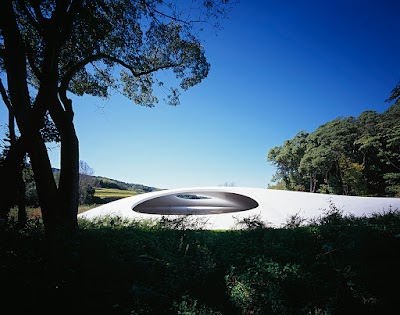
Teshima Art Museum sits on the next island over, a single concrete shell shaped like a water droplet with two openings to the sky. The only artwork is water emerging from the floor as droplets, beading, sliding, merging, vanishing, while wind and birdsong drift through the ceiling gaps.
Designed by Ryue Nishizawa, the shell spans a huge open space with no internal supports and walls about forty millimeters thick. You're juggling two logistics chains, the museum booking and the ferry schedule, because missing either one unravels the whole day.
Tip: Take the ferry from Miyanoura to Teshima, then walk or catch a shuttle bus to this concrete shell. Prebook tickets online as same-day entry is rarely available during peak season.
Naoshima New Museum of Art
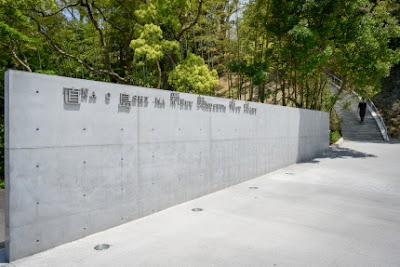
Back on Naoshima, the newest museum opened May 2025: Ando's tenth building here and the first one actually named after the island. It sits on a hilltop overlooking Honmura, the latest chapter in a thirty-five-year project that turned a polluted island into a global art destination.
Being brand new it's still finding its rhythm, and afternoons are quieter once the morning curiosity crowd moves on. Check what's showing before you visit, because programming is still evolving and you want to know what you're walking into.
Tip: The newest museum on the island, also designed by Tadao Ando. Arrive in the afternoon when crowds thin after the morning museum rush at the older venues.
Marine station "Naoshima"
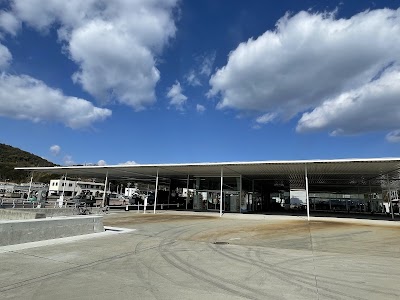
The ferry back is something you have to do anyway that turns out to be beautiful. The Seto Inland Sea has hundreds of islands, and these routes follow shipping lanes running for centuries between Honshu and Shikoku.
Salt air, engine hum, islands going golden: the best view you'll get all day is from the upper ferry deck. Know your last boat and don't cut it close, because sailings thin out in the evening and drop further in winter.
Tip: Ferry crossings from Uno or Takamatsu offer stunning views across the Seto Inland Sea. Check the schedule in advance and arrive early to queue for boarding.
What to book ahead
- Reserve Chichu Art Museum timed entry (4+ weeks before trip) - Sells out on weekends and during spring/autumn peak seasons
- Book Teshima Art Museum tickets (2+ weeks before trip) - Same-day entry is rarely available; morning slots go first
- Check ferry schedules (Uno and Takamatsu) (1 week before trip) - Buy tickets at the terminal; no advance reservation needed for foot passengers
- Reserve rental bicycle (1 week before trip) - Limited supply on busy days; electric-assist bikes sell out first
- Book Benesse House accommodation (optional) (3–6 months before trip) - Only overnight guests can experience the Oval annex and outdoor art after dark
What to pack
Essentials
- Comfortable walking shoes - Cobblestone village paths and sprawling museum grounds require substantial walking
- Sunscreen and hat - Limited shade at coastal sculpture sites and outdoor art installations
- Cash in small bills - Some island shops, vending machines, and the public bath do not accept cards
Nice to have
- Sketchbook or journal - Art-inspired reflection between museum visits in quiet garden spaces
- Portable charger - Limited charging spots on the island; GPS and camera drain batteries fast
- Light rain jacket - Sudden showers are common in the Seto Inland Sea region year-round
Final take
On Naoshima, the art, the architecture, and the landscape all feel like they're having the same conversation. Three days is enough to start hearing it.
Plan this trip
Turn this guide into an editable trip plan
Open the route in Instaboard, adjust the stops, and share the itinerary with your travel group.