Travel Guide
Nara in 3 Days: Temples, Deer & Japan's Oldest Wood
Want the editable version of this route?
Open the Instaboard template and adapt stops, timing, and notes to fit your trip.
Nara is the city where Japan packed its best eighth-century architecture into one place, then added a thousand sacred deer for chaos. Three days lets you actually see it, but only if you don't burn your best hours queuing for the wrong temple at the wrong time.
Nara rewards you any season: cherry blossoms in spring, red maples in autumn, and in winter you'll have some of these temples nearly to yourself.
Day 1
You're opening with a postcard pagoda, a park full of deer that have figured out how humans work, and a bronze Buddha the size of a building.
Kōfuku-ji
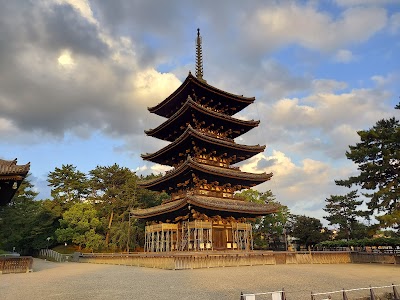
Kōfuku-ji was the personal temple of the Fujiwara clan, the family that basically ran Japan for centuries, so the scale here reflects real political ambition. That five-story pagoda out front, rebuilt in 1426, is the second tallest in Japan and the reason every Nara postcard looks the way it does.
The real reason to go inside is the National Treasure Museum, where a statue called Asura (three faces, six arms, quietly haunting) has its own fan club and receives fan mail. Get here when the doors open at nine because the Asura deserves to be seen in near-silence, and by late morning the school groups change that completely.
Tip: Arrive at the 9:00 opening to see the Asura statue before crowds build. The five-story pagoda reflects beautifully in nearby Sarusawa Pond.
Nara Park
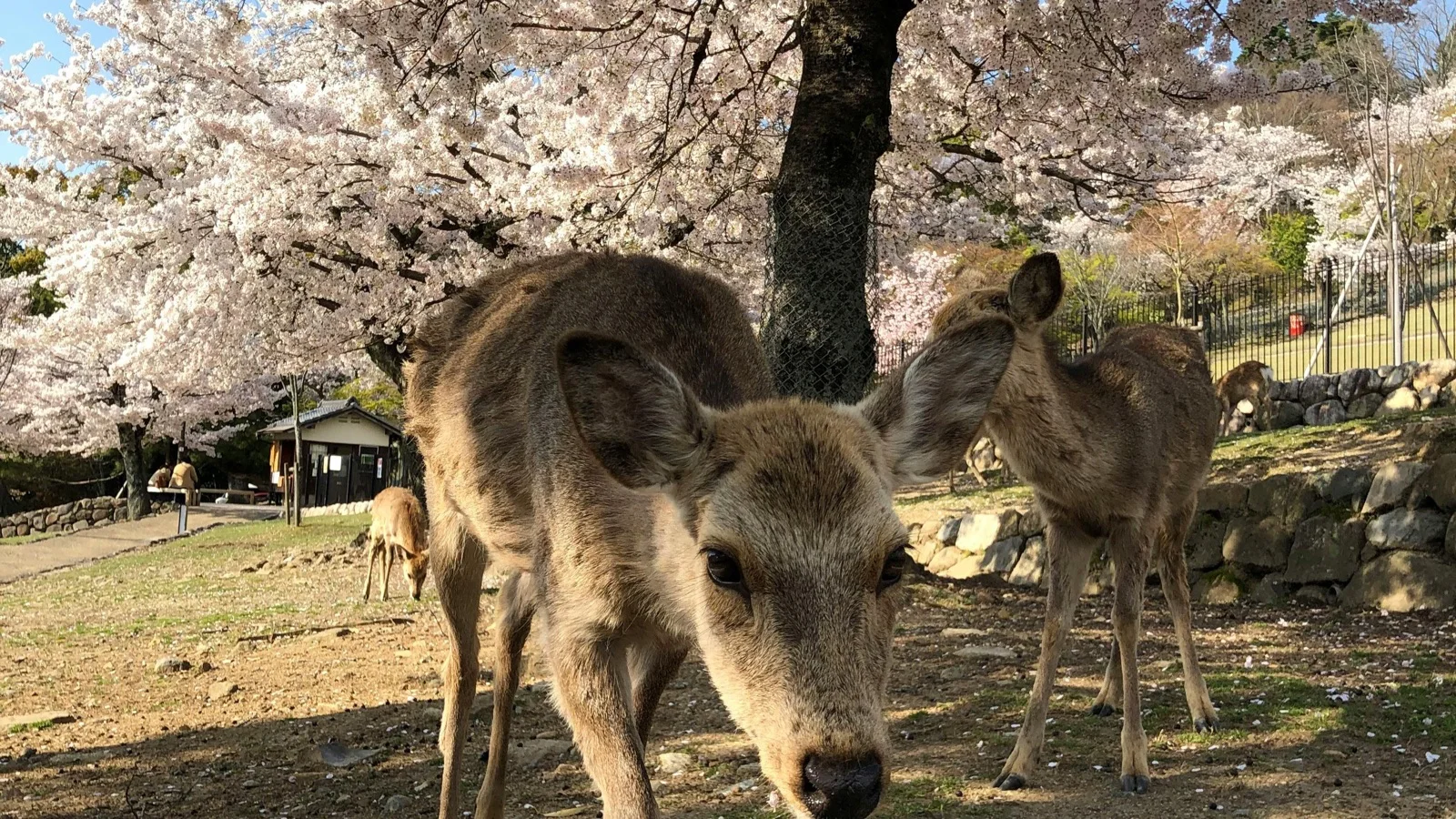
Step out of Kōfuku-ji and you're already in Nara Park, 660 hectares where over thirteen hundred sacred sika deer roam free because Shinto tradition says they're messengers of the gods. These deer have been protected since the eighth century, and in that time they've figured out that bowing gets them crackers, so they bow, it's adorable, and then they eat your map.
Walk away from the main cracker vendors before you start feeding, because the deer near the stalls are the pushiest; up toward the hills they're calmer and the whole thing feels less transactional. The park connects today's stops, Kōfuku-ji on one edge and Tōdai-ji inside it, so you'll be among deer whether you planned to be or not.
Tip: Buy deer crackers from vendors using cash and let the deer bow for treats. Morning light through cherry trees is ideal for photos.
Tōdai-ji
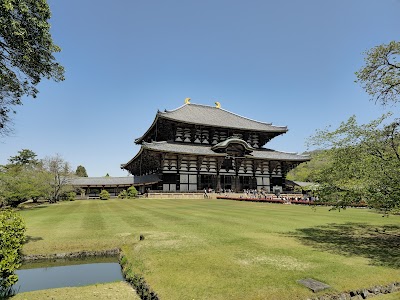
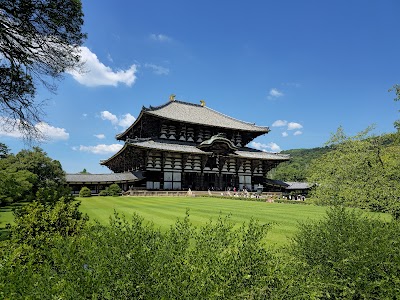
Tōdai-ji is Japan showing off: a fifteen-meter bronze Buddha inside a wooden hall that held the title of world's largest wooden building, and this is the smaller reconstruction. The original hall was a third bigger, and the project nearly bankrupted the country, which tells you how important this Buddha was to the people who commissioned it.
At the back of the hall there's a hole in a massive pillar, supposedly the size of the Buddha's nostril, and squeezing through is said to grant enlightenment (kids manage it, adults get stuck). Walk up the hill behind the main hall to the free Nigatsudō terrace, because almost nobody goes up there and the view over all of Nara is worth every extra step.
Tip: Walk through the pillar hole in the rear wooden pillar for good luck. Visit on a weekday to avoid the heaviest school-group crowds.
Day 2
Yesterday was monuments; today is about looking closely: two gardens that teach you how the Japanese think about space, then an old merchant quarter where regular people actually lived.
Yoshikien Garden
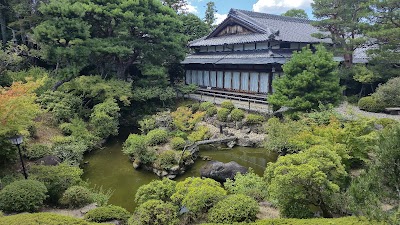
Right next to the famous paid garden in Nara is another garden that's free and nearly empty, because most visitors walk straight past without realizing it's there. Yoshikien gives you three distinct Japanese garden styles in one compact site: a pond garden, a moss garden, and a tea-ceremony garden, basically a free masterclass in landscape design.
The moss stays green year-round, and winter frost on the pond is quietly beautiful, with bare maple branches revealing the underlying structure of everything. Do this one first because it's free and quick, then walk next door to Isuien with your eye already tuned to how Japanese gardens work.
Tip: Arrive early to enjoy the moss garden nearly empty, with soft morning light filtering through the maple canopy. Entry is free.
Isuien Garden and Neiraku Museum
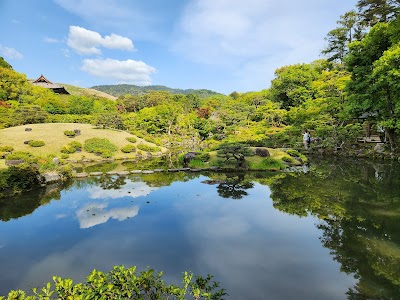
Isuien is the garden that teaches you a concept called shakkei (borrowed scenery), where Tōdai-ji's gate in the distance isn't a coincidence, it's the entire design. Remove that gate from the background and the garden literally stops working as a composition; the view of it through the tree line is what makes this place extraordinary.
The front garden is Edo-era, the back is Meiji, so you're walking through two centuries of landscape philosophy in one loop, and the path is designed to reveal views one at a time. Walk the route in order, sit at the tea house, look back at what you just passed through, then head into Naramachi, because after all this designed beauty you need to see the lived-in version.
Tip: This strolling garden borrows Tōdai-ji's gate as scenery. Prebook the tea ceremony experience inside the Neiraku Museum for a memorable mid-morning break.
Naramachi Historic District
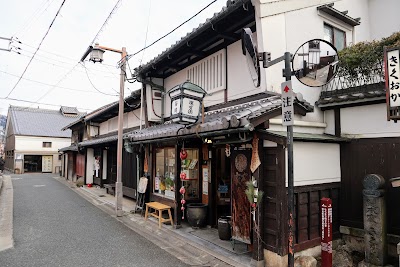
Naramachi is a preserved Edo-period merchant quarter where narrow streets are lined with traditional machiya townhouses: wooden storefronts weathered silver-gray, deep interiors, zero monumentality. The townhouses are narrow up front and deep in the back because property was taxed by street frontage, so merchants built thin and saved money, accidentally creating beautiful architecture.
Wander the lanes, duck into craft shops, and find kakinoha-zushi, sushi wrapped in persimmon leaf, which is a Nara specialty you won't find done this well anywhere else. Late-afternoon light catches those wooden facades beautifully, but some shops close by five, so arrive with enough time to actually go inside things.
Tip: Wander narrow lanes lined with traditional machiya townhouses and craft shops. Stop for kakinoha-zushi at a local café. You can walk the whole district in an hour.
Day 3
Your last day goes to the oldest wooden buildings on Earth, then opens up to a grassy hilltop panorama, and ends with a pagoda reflected in still water.
Hōryū-ji
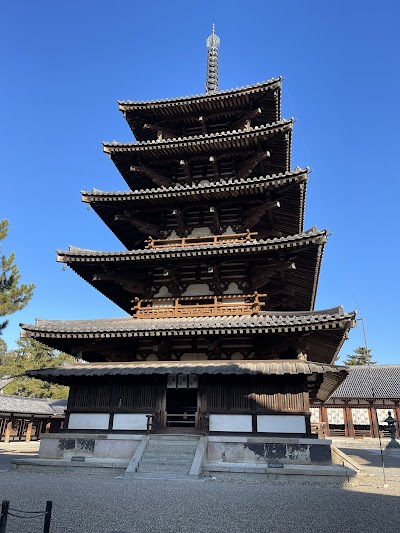
Hōryū-ji sits in a quiet suburb outside central Nara and contains wooden structures that have stood for over thirteen hundred years, predating almost every famous building in Europe. The joinery uses no nails at all; interlocking wood joints flex with earthquakes, which is a big reason these buildings survived while newer ones around them fell.
Founded in 607 by Prince Shōtoku, who essentially brought Buddhism to Japan, it was the country's first UNESCO inscription, and somehow most day-trippers never make the trip out here. Budget at least half a day because it's a train ride plus a twenty-minute walk from the station, and the Western Precinct where the oldest structures sit deserves your full attention.
Tip: Take the JR Yamatoji Line to Hōryū-ji Station, then walk 20 minutes to Japan's oldest wooden structures. Book a guided tour in advance.
Mount Wakakusa
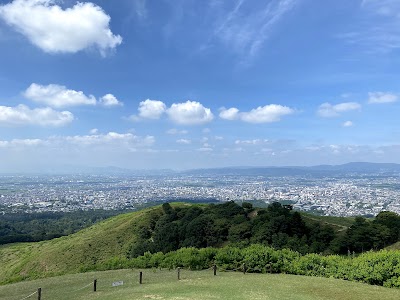
Mount Wakakusa is a 342-meter grassy hill behind Nara Park with a panoramic view of the entire city laid out below you like a diorama. Every January since the Edo period they set the whole hillside on fire, originally because three temples couldn't agree on a boundary, so they burned it to settle the argument and just never stopped.
It's a gentle twenty-minute hike up through open grass, and after two and a half days under temple roofs, the wind and the wide sky feel like a release. If you're visiting between mid-December and mid-March, the mountain is closed; check opening dates before you count on this stop, because it may need to be swapped for something closer to town.
Tip: Hike or take a rickshaw up for panoramic views over the city and deer park. The 150-yen entry ticket is worth it for sunset alone.
Sarusawa Pond
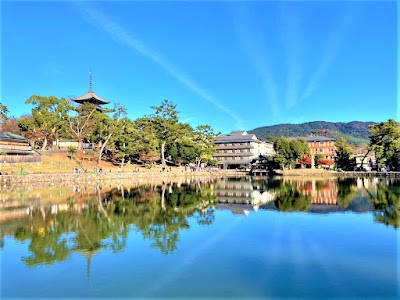
Sarusawa Pond is a small ornamental pond ringed by willow trees, five minutes from the station, that produces the classic reflected-pagoda image you've probably seen in photographs of Nara. This stop exists because of golden hour, when the low sun catches the Kōfuku-ji pagoda and doubles it on the water, which is why photographers gather at the far side of the pond.
Wind kills the reflection, so if it's breezy, wait for a calm moment; when the water goes still, the whole pagoda floats upside down like it's performing. You're walking toward the station anyway, and the pagoda mirrored in the pond at sunset is the final frame: three days of temples distilled into one quiet image.
Tip: Wind down at this willow-lined pond with the reflected pagoda shimmering on the water. Golden-hour light here is unforgettable before the walk back to the station.
What to book ahead
- Book Kintetsu or JR rail pass (2 weeks before) - If coming from Kyoto or Osaka, a Kintetsu Rail Pass (1-day) covers the round trip cheaply.
- Reserve Isuien Garden tea ceremony (1 week before) - Only a few seats per session; book via the garden's website or phone.
- Check Hōryū-ji shuttle bus schedule (Day before) - The free shuttle from Hōryū-ji Station runs every 20 min but may pause in off-season.
What to pack
Essentials
- Comfortable walking shoes - Days 1–2 involve 15,000+ steps across temple grounds, gravel paths, and hilly terrain.
- Cash (yen) - Many smaller temples, deer cracker vendors, and machiya shops are cash-only.
- Sun hat or umbrella - Nara Park and Mount Wakakusa offer little shade; essential in warmer months.
Nice to have
- Deer-safe hand sanitiser - After feeding deer, you will want clean hands before eating street food.
- Light scarf or shawl - Some temple interiors require modest dress; also handy for cooler evenings.
- Portable battery pack - Full-day photography and navigation will drain your phone by afternoon.
Final take
Nara is what happens when a city builds temples to match imperial ambition, lets the deer take over the park, and gives the whole thing thirteen centuries to mellow.
Plan this trip
Turn this guide into an editable trip plan
Open the route in Instaboard, adjust the stops, and share the itinerary with your travel group.