Travel Guide
Nikko in 3 Days: Shrines, Waterfalls & Highland Trails
Want the editable version of this route?
Open the Instaboard template and adapt stops, timing, and notes to fit your trip.
There is a mountain town two hours north of Tokyo where a shogun got a shrine so over-the-top his grandson basically said, let me top that, and then a volcano made a lake at the top of a mountain, and somehow it all works together. Nikko is small enough to see in a few days but dense enough that bad timing will cost you, because the wrong morning at Toshogu means sharing it with every tour bus from Tokyo.
Nikko rewards every season differently: rhododendrons in spring, highland cool in summer, peak foliage October into November, and snow-draped shrines in winter that are honestly undersold.
Day 1
Day one is the reason most people come to Nikko: a vermillion bridge over a gorge, Japan's most ornate shrine complex, and the quiet Buddhist temple next door that most tour groups walk right past.
Shinkyō Bridge
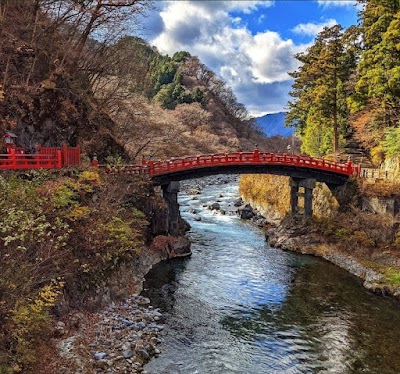
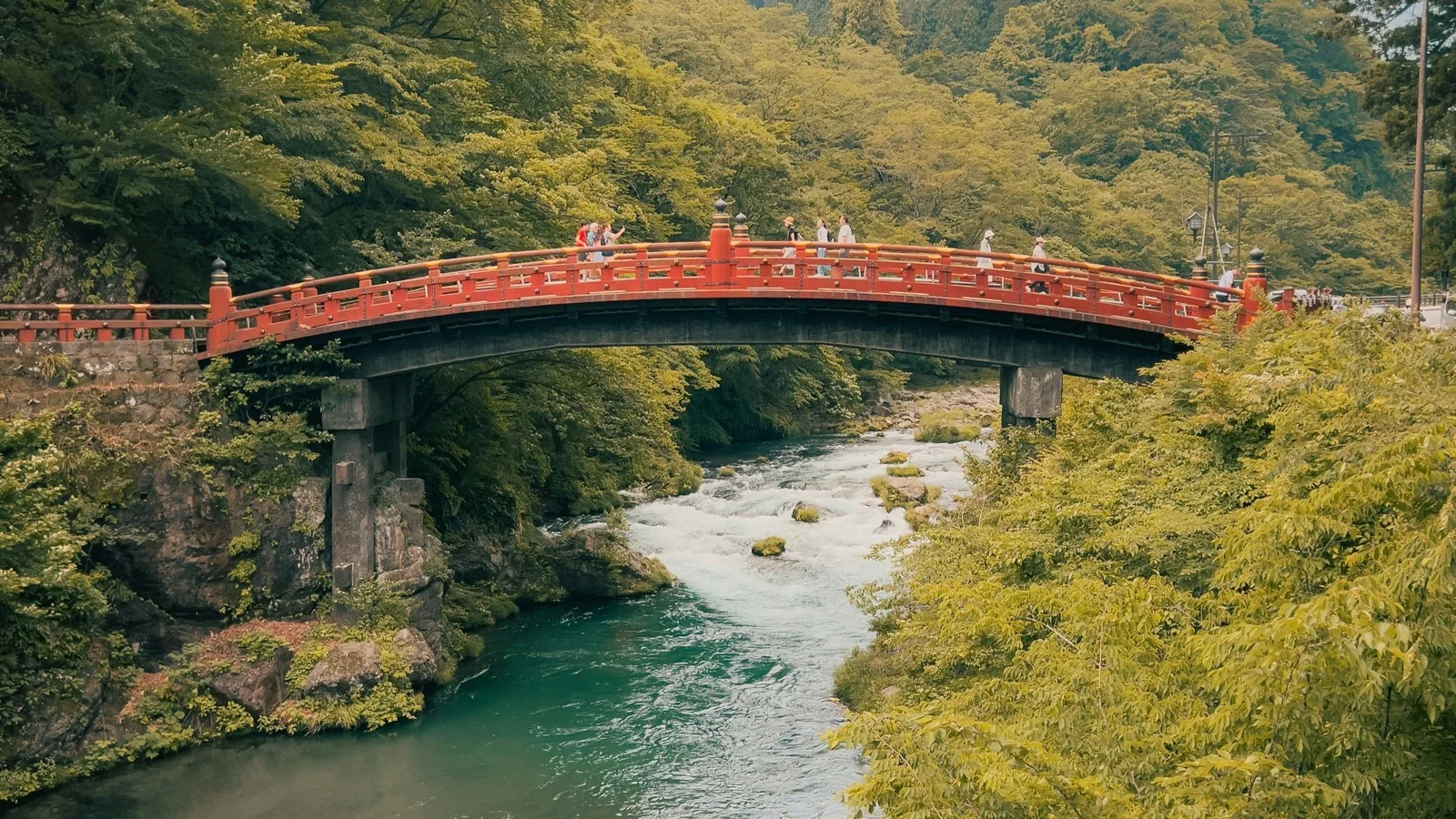
Shinkyo Bridge is the postcard, a single red arch over the Daiya River gorge backed by cedar forest, and it has been looking exactly like this since 1636. This was the ceremonial gateway to Nikko's entire sacred area, and for centuries only shoguns and imperial messengers were allowed to cross it.
Legend says a monk could not get across the river until a giant serpent coiled itself into a bridge, which, you know, convenient. Walk past the bridge to the far side near the shrine office and look back. Most people shoot from the near bank and end up with the parking lot in frame.
Tip: Arrive early before the crowds gather for unobstructed photos of the vermillion arch spanning the Daiya River gorge, the iconic gateway to Nikko's sacred precinct.
Nikkō Tōshōgū
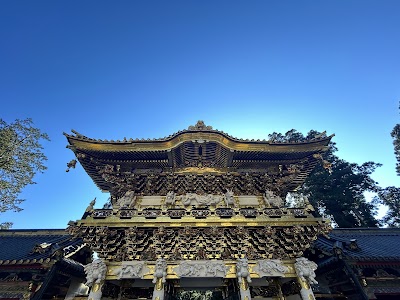
Toshogu is the centrepiece, the mausoleum of Tokugawa Ieyasu, the man who unified Japan and launched 250 years of peace under one family's rule. Every surface is carved, gilded, or lacquered; the Yomeimon Gate alone has over 500 carvings, and somewhere in here are the original Three Wise Monkeys, see, hear, speak no evil, carved on a stable of all places.
Do not rush to the famous sleeping cat and bounce. Walk the full stone path up to Ieyasu's actual tomb, because most day-trippers skip it and that forest ascent is the quietest part of the entire complex. In peak autumn the ticket queue at the gate gets genuinely long, so grab tickets online beforehand. The combined ticket usually covers Rinnoji and Futarasan too.
Tip: Book tickets online in advance during peak autumn to skip the queue at the entry gate. The Yomeimon Gate, See-No-Evil monkey carvings, and sleeping cat are unmissable.
Nikkozan Rin’nōji Temple
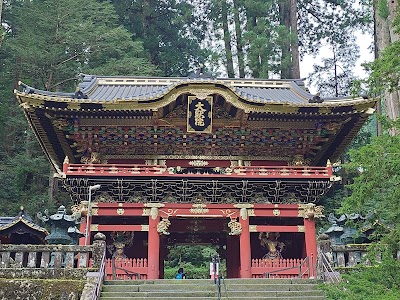
Rinnoji is Nikko's oldest temple, founded in 766, nearly 900 years before Toshogu existed, and it is the reason this whole area became sacred in the first place. Toshogu shouts; Rinnoji murmurs. The Taiyuin-byo mausoleum here uses the same gold-and-lacquer vocabulary but dims the volume. Incense hangs thicker and the crowd thins out noticeably.
Take off your shoes at the mausoleum entrance and walk the raised wooden corridors. The view from the inner hall looking back through successive gates is one of the best composed shots in Nikko. If you grabbed the combined ticket at Toshogu, you are already covered. Just walk over, because this is the palate cleanser after all that gilt and spectacle.
Tip: Walk the Taiyuin-byo mausoleum's incense-filled halls after Toshogu. The combined shrine ticket covers entry here, and the peaceful garden is a welcome contrast to the crowds next door.
Day 2
Day two heads uphill into Oku-Nikko: a waterfall you ride an elevator into, a cable car above it, and a volcanic lake where Meiji-era diplomats built summer villas to escape Tokyo's heat.
Kegon Waterfalls
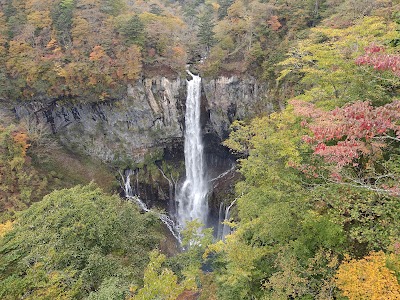
Kegon Falls is one of Japan's three most celebrated waterfalls, nearly 100 metres of water dropping into a pool fed by volcanic drainage from Lake Chuzenji above. The real move is the elevator carved into the cliff face that drops you to a platform at the base, where the spray hits you and the rumble is something you feel in your chest.
Hit the elevator first thing because the line builds fast. Most people start with the free top observation deck, so the elevator queue is shortest in the first hour after opening. The falls partially freeze in winter into dramatic ice columns, and the crowds thin out dramatically, a fair trade if you do not mind the cold.
Tip: Take the elevator down to the base platform for the full 97 m perspective of Japan's third-great waterfall. Buy your ticket at the booth beside the parking area before mid-morning crowds arrive.
Akechidaira Ropeway
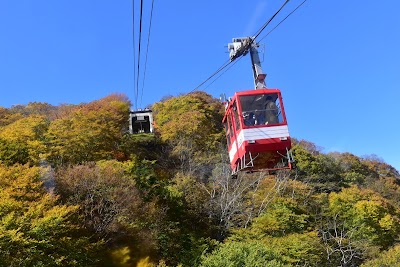
The Akechidaira Ropeway is a three-minute cable car ride that lifts you above Kegon for the big picture: the falls draining out of the lake into the gorge, surrounded by the volcanic amphitheatre. Suddenly you see how it all connects, with Lake Chuzenji sitting in its volcanic bowl, the falls pouring out of it, and the gorge dropping away below.
The observation platform at the top is smaller than you would expect, so take your photos and head down. It gets crowded fast on autumn weekends. One heads-up: the ropeway closes in high winds, so check conditions before you lock in your morning around it.
Tip: Ride the three-minute cable car from Akechidaira for a bird's-eye panorama of Kegon Falls, Lake Chuzenji, and the surrounding mountain amphitheatre. Prebook during peak weekends.
Lake Chūzenji
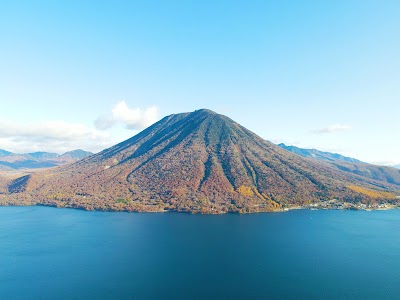
Lake Chuzenji sits at 1,269 metres elevation, formed when Mount Nantai erupted roughly 20,000 years ago and blocked a river, leaving a volcanic caldera lake that feels like a different country from the shrine zone below. Meiji-era foreign diplomats figured out that the altitude made this place cool enough to escape Tokyo's summer heat, and the Italian and British embassy villas they built still stand on the shore.
Walk east along the southern shore past the Italian Embassy Villa. That is where you get the clearest unobstructed views of Mount Nantai's near-perfect cone reflected in the water. The Irohazaka road up here has 48 hairpin turns; if you are motion-sensitive, grab the front seat on the bus, because that ride is not subtle.
Tip: Stroll the southern shore after lunch. Hourly boat cruises circle the caldera lake at 1,269 m elevation, so reserve your spot early on weekends when domestic tourists flock here.
Day 3
Day three is the active one: a boardwalk hike across a highland marshland named after a battle between two gods, a wide warm-water cascade at the end of it, and a 106-room imperial villa back in town to finish.
Senjōgahara Marshland
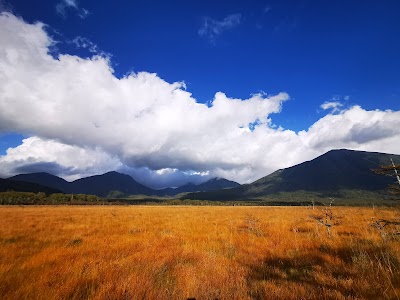
Senjogahara is a vast flat marshland at 1,400 metres with a wooden boardwalk trail through golden grass and scattered birch. It genuinely feels like walking through a landscape painting. The name means battlefield plateau; legend says two mountain gods fought here and flattened the land, and honestly standing in the middle of it, that story makes more sense than you would think.
Start early because the trail is fully exposed and the highland wind picks up hard in the afternoon. Bring a windproof layer regardless of season, because at this altitude with no tree cover it gets cold fast. Even on busy autumn weekends the trail never feels cramped because it is long enough to disperse people, one of those rare places where the crowds solve themselves.
Tip: Start the flat boardwalk trail early from the Ryuzu Falls side. The 2-hour walk through golden grasslands at 1,400 m is best before afternoon wind, so bring a warm layer.
Yudaki Cascades
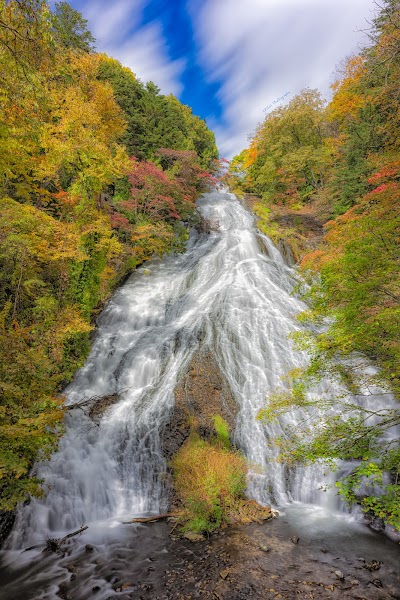
Yudaki is the payoff at the end of the Senjogahara walk, a 70-metre wide curtain of water pouring over a rock ledge into a pool, and it is a wall of water more than a column. Hot springs feed into the cascade, so the water at the base actually feels warmer than the other falls in the area, a small but very welcome detail if you have been hiking in the cold.
Most day-trippers never make it this far up into Oku-Nikko, which is why you will share the viewing area with maybe a handful of people even on a busy weekend. The sound here is a low roar rather than a crash, water spreading wide across rock, and arriving at it mid-hike feels like the trail actually built toward something.
Tip: Reach this 70 m curtain-style waterfall at the north end of Lake Yunoko via the Senjogahara trail. There is a small parking lot if you arrive by car or shuttle bus.
Nikko Tamozawa Imperial Villa Memorial Park
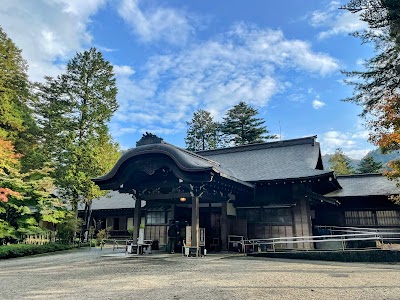
Tamozawa Imperial Villa is the largest surviving Meiji-era imperial villa in Japan, 106 rooms of cypress-wood craftsmanship where tatami spaces sit next to rooms with Western chandeliers. It is a time capsule of the moment Japan was figuring out how to be modern without becoming Western, and the contrast between the two architectural languages inside one building tells that whole story.
After a morning of exposed highland hiking, this is a warm, quiet, climate-controlled place to land, and you will often have entire rooms to yourself because most visitors never make it past the shrine zone. Look down while you walk through. The tatami patterns and floor markings show where furniture was placed for different imperial visits, and the bilingual signage is genuinely worth reading.
Tip: Check opening hours before visiting. The 106-room Meiji-era imperial villa closes at 17:00 and last entry is 30 minutes before closing, so plan your arrival from the highlands accordingly.
What to book ahead
- Book Toshogu/Rinnoji combined ticket online (1–2 weeks ahead in peak autumn season) - Saves queuing at the entry gate during busy weekends
- Reserve Kinugawa Onsen ryokan (if using alternative) (2–4 weeks ahead) - Popular riverside ryokan with private baths fill up on weekends
- Check Tobu Railway limited-express seats from Asakusa (1 week ahead) - The 2-hour train is the fastest route; reserved seats sell out on Fridays
- Confirm Oku-Nikko bus timetable (Day before travel) - Buses to Lake Chuzenji run roughly every 30 min but seasonal schedules shift
What to pack
Essentials
- Comfortable walking shoes - Stone paths, boardwalk trails, and shrine steps require sturdy footwear
- Layered clothing - Highland areas sit 10–15 °C cooler than Tokyo; conditions change fast
- Rain jacket - Mountain weather shifts quickly; waterfalls create constant mist
- Day pack - Carry water, snacks, and shed layers on hiking segments
Nice to have
- Camera with ND filter - Long-exposure shots of Kegon and Ryuzu Falls benefit from a neutral-density filter
- Towel and change of clothes - Useful if you add Kinugawa Onsen as an alternative evening stop
- Insect repellent - Summer marshland trails around Senjogahara can attract mosquitoes
Final take
Three days in Nikko moves you from gilt shrine overload to the bottom of a cliff under a waterfall to a silent marshland at altitude. It is a small town that somehow contains an unreasonable range of Japan.
Plan this trip
Turn this guide into an editable trip plan
Open the route in Instaboard, adjust the stops, and share the itinerary with your travel group.