Travel Guide
Niseko 4-Day Snow & Onsen Winter Escape
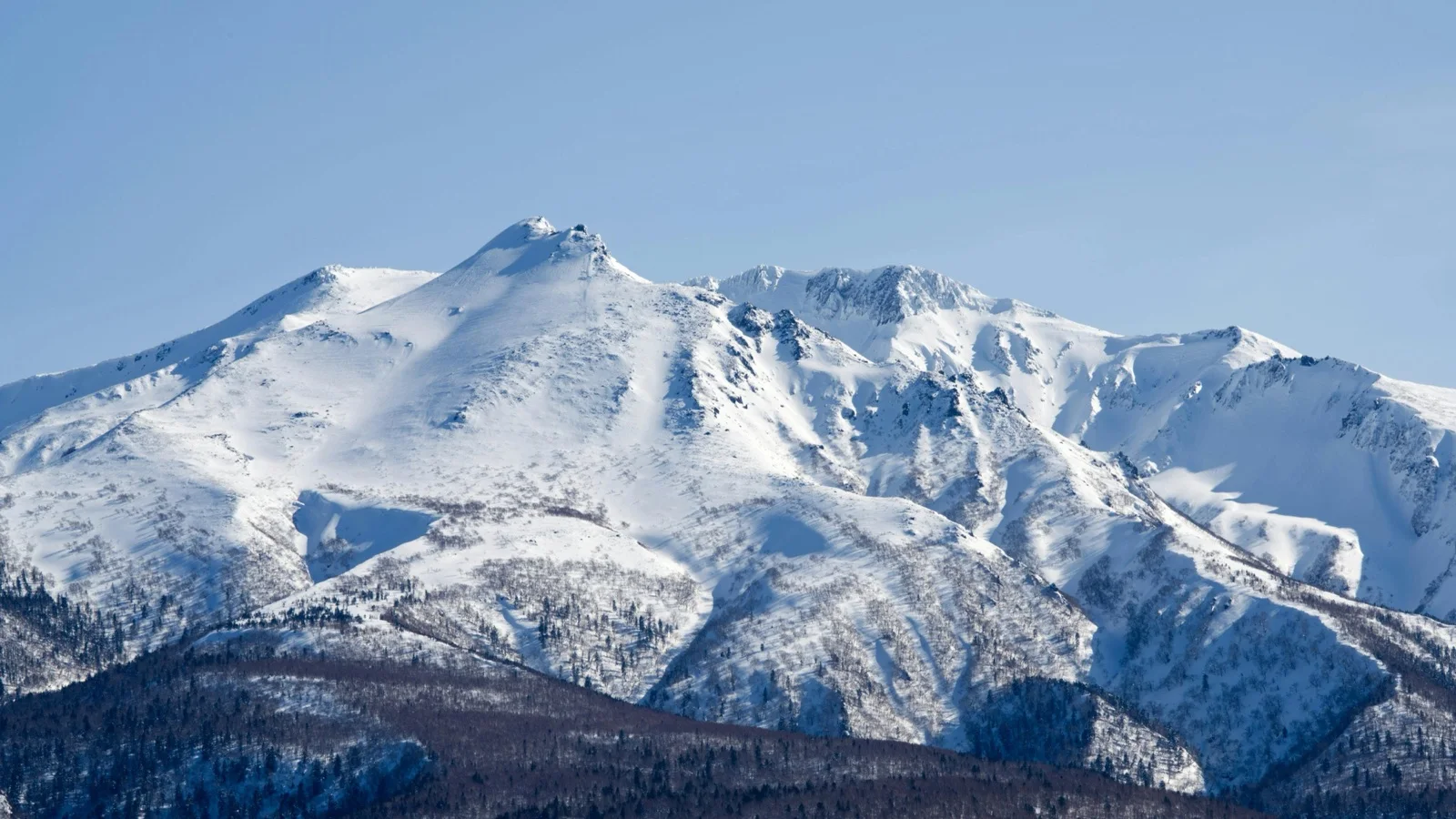
Want the editable version of this route?
Open the Instaboard template and adapt stops, timing, and notes to fit your trip.
Niseko is a farming town on Hokkaido that happens to sit underneath some of the driest, most consistent powder snow on the planet. Four connected ski zones share one mountain, and the village at the base has better ramen than cities ten times its size.
The hard part isn't getting there. It's guessing wrong on which zones to ski when, burning your legs on day one, and ending up at the wrong onsen at the wrong time. Niseko in peak winter is minus eight, dumping constantly, and fully running. The four resort zones share one lift pass, and the village has enough izakayas and onsen to make the hours off the snow just as memorable as the skiing.
Day 1
Day one is beautifully simple. Get straight onto the signature mountain the afternoon you arrive, ski until the floodlights turn off, then walk downhill into dinner.
Niseko Tokyu Grand Hirafu
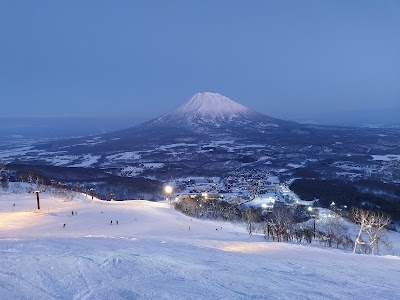
Grand Hirafu is the resort people mean when they just say 'Niseko.' It is the biggest, busiest, most developed of the four zones, and the one where you first understand what cold dry powder under your skis actually feels like. Waist-deep mornings happen more often than they don't, and the quality is almost unfair. But whiteout days on the upper mountain are common too, and the cloud drops fast enough that even strong skiers get lost in it.
Night skiing under floodlights is something you may not expect to care about and will genuinely rate. Powder turns at eight PM while snow falls silently around you feels like skiing inside a snow globe someone forgot to shake. Buy a Niseko United All Mountain pass online before you arrive and skip the morning queue. It covers all four zones so you're not locked into just this one.
Tip: Arrive early to maximise your first day on the slopes. Buy a Niseko United All Mountain pass in advance to skip the ticket queue and ski freely across all four resort zones.
Hirafu
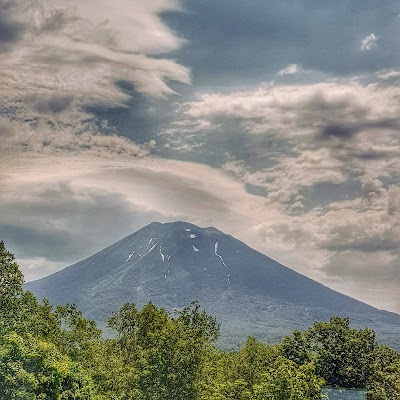
Hirafu village is the strip at the bottom of Grand Hirafu where you end up after your last run. Izakayas, ramen shops, and cocktail bars all sit within a five-minute walk of each other. This was a farming community before Australian investors discovered the powder, and some of the best restaurants are still in buildings that look like converted barns, because that's exactly what they were.
The food here is genuinely good, not just good-for-a-ski-resort. Hokkaido dairy, seafood, and produce are exceptional, and the kitchens in this village take full advantage. Steam pouring out of izakaya doors into sub-zero air is the signal. Get to the popular spots before seven or expect a queue, and hit the convenience store ATM earlier in the day because the weekend evening line is not a joke.
Tip: Walk the main strip after sunset to discover hidden izakayas behind unmarked doors. Many popular spots fill by 7 pm, so book a table in advance or arrive early to avoid long lines.
Day 2
Day two explores the quieter side of the mountain. Wide-open groomers at Hanazono in the morning, tree-lined runs through Niseko Village in the afternoon, and an outdoor onsen to close it out.
Niseko Hanazono Resort
Hanazono is the quiet zone. It sits on the mountain's north-east face with wide-open groomers and noticeably fewer people than Grand Hirafu at every hour of the day. Because it catches different wind and snow patterns, Hanazono sometimes still has fresh lines an hour after lifts open on days when Hirafu is already tracked out. Weekday mornings here can feel almost private.
You can actually hear your edges on the snow here, which tells you something about the crowd level. The terrain park music drifts up from below, but otherwise it's just wind and lift machinery. Not much for lunch at the base, which works out because the next zone over is Niseko Village, a natural place to ski to when you're ready for a change of scenery.
Tip: Start at the terrain park side for wide-open groomers before the morning crowd builds. Reserve a snowmobile tour at the adventure center at least a day ahead, because weekend slots sell out fast.
Niseko Village Ski Resort
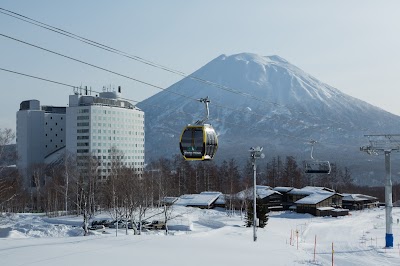
Niseko Village sits between Hirafu and Annupuri with tree-lined intermediate runs that feel more like actual skiing and less like an amusement park. This is the zone where you're reminded you're in Hokkaido, not Colorado. The trees do something useful beyond looking good: they hold powder longer than the open faces at Hirafu, and on stormy days they give you visual reference points when the clouds roll in and visibility goes sideways.
The scenic gondola ride up is a rare chance to sit still and actually look at the landscape, and the Mt. Yotei viewpoint on a clear day is the photo of the trip. But it's exposed up there, so add a layer before you ride. Mt. Yotei only shows up maybe forty percent of winter days, so if it's behind cloud, don't wait around. The tree runs are what matter here and they don't depend on the view.
Tip: Take the scenic gondola to the mid-mountain viewpoint for stunning Mt. Yotei photos. Layer up at the summit, because wind chill can be brutal even on clear winter days.
Yumoto Niseko Prince Hotel Hirafutei
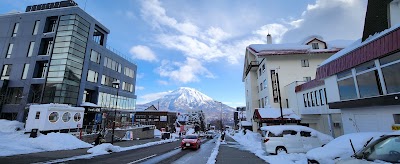
After two full days of skiing, your legs will need to negotiate peace terms. This outdoor onsen at the base of Grand Hirafu is the treaty. This is a legitimate natural hot spring, not a resort spa with a view bolted on. The mineral water is real, and the hot springs here drew visitors centuries before anyone thought to put ski lifts on this mountain.
The outdoor rotenburo is the whole point. Soaking in forty-plus-degree water while snow falls on your head and a volcanic cone stares back at you through the steam, that's the specific combination Niseko sells, and this place delivers. Standard onsen rules apply: shower first, no swimwear, tie up long hair. Make the walk through the cold corridor to the outdoor bath, because that's where the magic actually is.
Tip: Bring a towel from your hotel; the facility provides basic ones but they are small. Entry is cash or card at the front gate.
Day 3
Day three gets your legs off the mountain. A canal town that looks like a painted backdrop, a whisky distillery with a wild founding story, and a bar back in Hirafu that you enter through someone's old refrigerator.
Otaru Canal
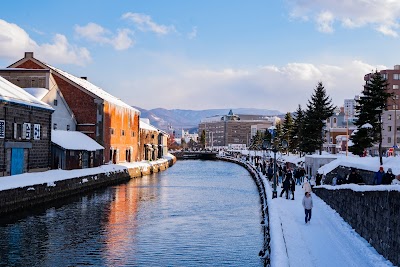
Otaru is a port town ninety minutes from Niseko where nineteenth-century stone warehouses line a canal that nearly got filled in and paved over before locals fought to save it. In winter the snow on those warehouse rooftops and canal banks turns the whole scene into something from a Studio Ghibli background. If you're here in February, the Snow Light Path Festival adds hundreds of candles set into snow sculptures along the water.
The gas lamps come on at dusk and the canal starts reflecting the warehouse facades, which is the moment photographers lose the ability to keep walking. Stay into late afternoon if you can manage it. The walk from Otaru Station passes through the old merchant district, and that ten-minute stretch is worth slowing down for. Otaru is a real port with real history, not a reconstructed theme park.
Tip: Walk the canal path around sunset when gas lamps illuminate the snow-draped stone warehouses. If visiting during the Snow Light Path Festival in February, book accommodation in Otaru well in advance.
Nikka Whisky Yoichi Distillery
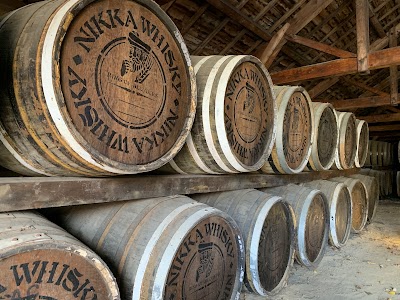
Nikka is one of Japan's two legendary whisky houses, and this distillery in Yoichi is where it all started. Stone buildings, coal-fired stills, and a founding story that's half love story, half industrial history. Masataka Taketsuru went to Scotland to learn whisky-making, married a Scottish woman, and brought both the knowledge and the wife back to Hokkaido because the climate reminded him of the Highlands. He was right.
The smell of fermentation and oak hits you before you see the stills. Coal-fired heat gives the whisky a different character than gas or electric, and walking through the building you can actually smell it. Tours are free and the tasting at the end is generous, but winter hours are shorter than summer so check the schedule before you commit the drive. Sort a designated driver, because that tasting does not hold back.
Tip: Free tours run hourly but opening hours are limited in winter, so check times before heading out. The tasting room accepts walk-ins, but prebook the premium tour to secure a spot during busy weekends.
Bar Gyu

Back in Hirafu for the night, there's a bar you enter by pulling open a vintage refrigerator door set into a wooden wall on a back lane. If you don't know it's there, you walk right past. Inside is maybe twelve seats, low lighting, the sound of ice in a mixing glass, and a drinks program that's serious without being precious. It is one of the oldest bars in the village, from before the polished venues started showing up.
The temperature drop when the fridge door seals behind you is part of the experience, and standing outside in the cold waiting for a drink you haven't ordered yet is honestly a very Niseko feeling. No reservations, so arrive before nine or accept the wait. The queue moves slowly because nobody inside is ever in a hurry to leave, and with twelve seats, even two people walking out opens things up.
Tip: Find the vintage refrigerator door set into a wooden wall on Hirafu's back lane and step inside. Seats are limited so arrive before 9 pm or expect a queue in peak season.
Day 4
Last day. A gentle morning on the calmest ski zone, then a final onsen reached by walking through snow to a milky-blue pool that doesn't look like it should exist.
Niseko Annupuri International Ski Area
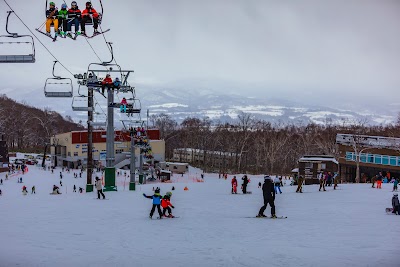
Annupuri is the westernmost zone and consistently the quietest. Wide gentle slopes where the powder stays fresher longer specifically because fewer people make the effort to get here. This is where locals actually prefer to ride, and on a final morning when your legs are running on fumes, that matters more than vertical. The gentle terrain isn't a limitation, it's the point.
The first thing you notice is the silence. Fewer voices, less lift noise, more space between you and the next skier, and the particular satisfaction of carving fresh tracks on a wide open face without competing for them. Annupuri isn't walkable from the main village, so you'll need the shuttle or a short drive. Check the last departure time if you're heading to the onsen afterward, and stash your gear in a base locker so you're not carrying it.
Tip: This is the gentlest and least crowded of the four zones, ideal for a relaxed final morning. Rent a locker near the base gate to store your gear before heading to the onsen.
Niseko Goshiki Onsen Hotel
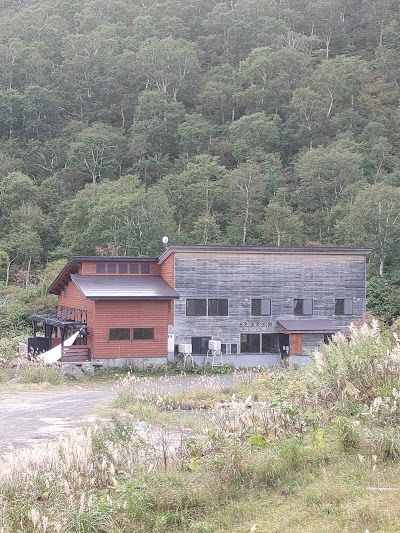
Goshiki Onsen is a natural hot spring pool sitting among boulders at the base of the mountain, reached by a short walk through snow. The milky-blue mineral water against the white surroundings makes it look like a painting that someone got wrong. The name means 'five colors,' referring to how the water shifts with temperature and mineral content. The spring was here long before any hotel got built around it, and the setting makes that obvious.
Crunch of boots on the snowy trail, mineral smell hitting you before you see the water, and then stepping into something that feels discovered rather than built. This is the ending the trip earns. Wear waterproof boots for the approach because regular shoes soak through in minutes. Bring your own towel from your hotel, and go slow on the trail. It's short but icy, and the uneven stone floor inside doesn't forgive rushing.
Tip: A short walk through snow leads to this wild rotenburo framed by snow-laden trees. Wear waterproof boots for the trail and bring cash for entry, as card payment is not accepted.
What to book ahead
- Book Niseko accommodation (3-6 months ahead) - Hirafu Village lodges and ski-in/ski-out hotels sell out by October for peak Jan-Feb dates.
- Reserve airport transfer (CTS → Niseko) (4-8 weeks ahead) - Shared shuttle buses (Hokkaido Resort Liner, Chuo Bus) have limited seats; private transfers book out early.
- Buy Niseko United lift pass online (2-4 weeks ahead) - Online multi-day passes are cheaper than window price and let you skip the morning ticket queue.
- Book Nikki Whisky premium tour (2 weeks ahead) - Free basic tours are walk-in, but the premium tasting tour has limited slots, especially on weekends.
- Reserve dinner at top Hirafu restaurants (1-2 weeks ahead) - Spots like Rakuichi Soba and Izakaya Jingisukan fill nightly; ask your hotel concierge to book.
- Rent ski equipment (1-2 weeks ahead) - Prebook premium demo skis or powder-specific boards; walk-in rental shops may have limited stock in peak weeks.
What to pack
Essentials
- Waterproof ski jacket and pants - Essential for deep powder days; Niseko's snow is famously dry but abundant.
- Thermal base layers - Temperatures regularly drop below -8°C on the mountain.
- Goggles with low-light lenses - Overcast days are frequent; flat-light lenses dramatically improve visibility.
- Waterproof gloves - Essential for both skiing and the snowy walk to wild onsen.
- Pocket heat packs (kairo) - Sold in every konbini; vital for chairlift rides and waiting in outdoor queues.
Nice to have
- Swimwear - Some onsen facilities have mixed-gender or private baths requiring swimwear.
- Helmet-mounted GoPro - Capture deep-powder turns without fumbling with a phone in freezing temps.
- Snow boots with grip - Sidewalks in Hirafu turn icy; normal boots slip easily.
- Portable charger - Cold drains phone batteries fast on the mountain.
Final take
Four days in Niseko and what sticks isn't just the powder. It's floodlit skiing at night, ramen in a converted barn, a fridge door that opens into the best cocktail in town, and a milky-blue pool in the woods that makes the whole freezing mountain feel worth every minute.
Plan this trip
Turn this guide into an editable trip plan
Open the route in Instaboard, adjust the stops, and share the itinerary with your travel group.