Travel Guide
Osaka 3-Day Food Itinerary: Best Spring Eats, Views & Nightlife
Want the editable version of this route?
Open the Instaboard template and adapt stops, timing, and notes to fit your trip.
Osaka is the kind of city where breakfast starts under market roofs and somehow ends under neon by a canal. Do it well and you get the best part of Osaka, because bad timing here mostly means bigger crowds and a worse snack decision.
Spring suits Osaka nicely: covered arcades by day, louder streets by night, and just enough cool air to make the evenings feel earned.
Day 1
First up, Osaka introduces itself the correct way: market breakfast, a covered street that keeps tempting you forward, then full neon food theater.
Kuromon Market
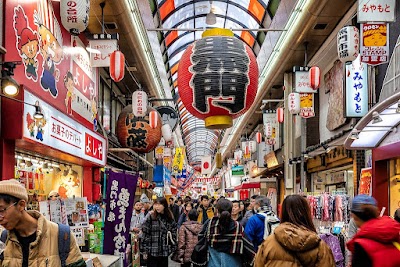
Kuromon Market is the fast way to understand why Osaka gets taken so seriously as a food city. It is less pretty than useful, which is part of the charm. Grills hiss, wet seafood counters glisten, bright fruit stacks up, and people make very sudden purchases.
Come in the morning because the stalls feel easier to browse before it turns into a shoulder-to-shoulder snack parade. Start light, share bites, and do not blow the whole day on scallops in the first twenty minutes like an eager amateur.
Tip: Arrive around 9:00-10:30 to beat crowds and get the best stall selection. Bring cash for quick purchases.
Shinsaibashi-Suji Shopping Street
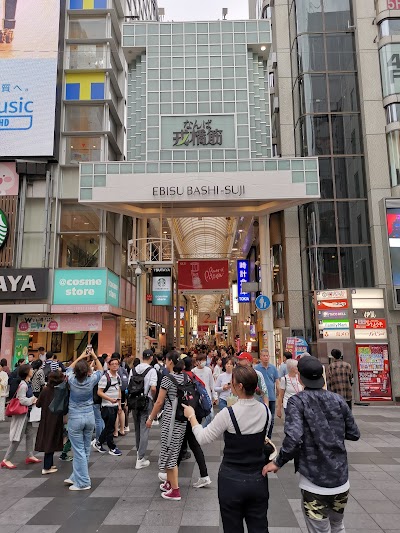
Shinsaibashi-Suji is not just shopping; it is central Osaka at walking speed, under one long covered roof. You get chain stores, old merchant-street energy, bakery smells, and that constant human tide moving at several incompatible speeds.
The walk itself becomes part of the day instead of dead space between food stops. Treat it as a corridor with snack detours, not a retail mission, unless mild consumer confusion is your hobby.
Tip: Use the covered arcade to connect shops and dessert breaks. It is a great rain plan in spring and keeps walking comfortable.
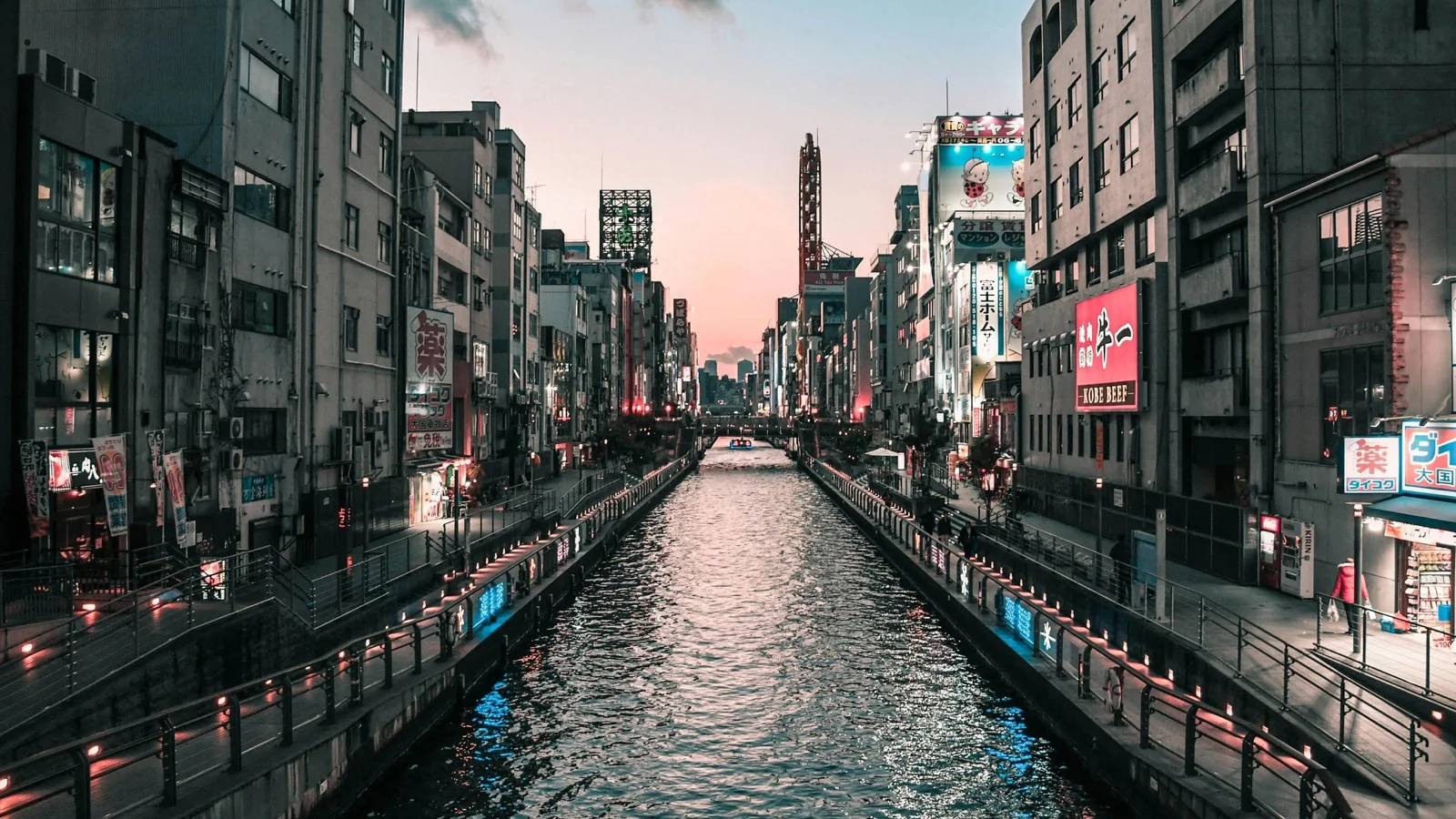
Dotonbori
Dotonbori gives you the Osaka image most people already know: canal, giant signs, bright chaos, and dinner competing with billboards. The place matters because Osaka does appetite very publicly here; it feels like an entertainment district built around hunger.
Go near evening for the lights, then watch the main strip, the bridges, and the side alleys where the pressure finally drops a bit. Just do not assume the biggest sign means the best food. That is how first visits become branding studies with sauce on them.
Tip: Do the neon canal loop for street food and people-watching. For lighter crowds and better photos, arrive around 17:30-18:30 or after 21:00, and start from Namba Station so you can duck into side alleys when the main strip gets packed.
Day 2
Day two gets more local: a long everyday arcade, a riverside breather, then a skyline stop that finally shows how huge Osaka actually is.
Tenjinbashi-suji Shopping Street the longest Arcade in Japan
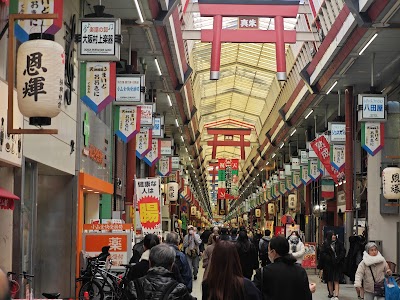
Tenjinbashi-suji is a very long shopping street, but the point is not length so much as everyday Osaka life unfolding under a roof. This is where the city feels less staged. Lunch smells, bargain signs, old-school shops, and places built for regulars, not just cameras.
After Dotonbori, seeing the less polished version of Osaka tells you more about the city. Do not try to conquer the whole thing like a civic duty. Pick a section and let the good food reveal itself.
Tip: Walk a section of the arcade and graze as you go. Start late-morning to catch lunch specials and avoid early shop closures.
Nakanoshima Park
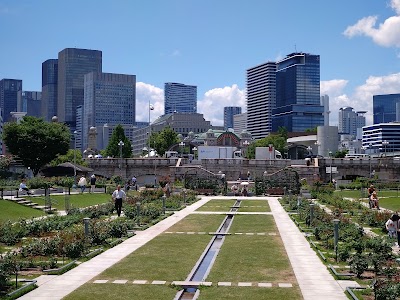
Nakanoshima Park is the reset: a slim riverside park where Osaka suddenly remembers indoor appetite is not its only personality. You get water, civic buildings, softer footsteps, and in spring, a useful break from looking at menus every six minutes.
It works in the afternoon because this is usually when a food trip starts pretending it is also a wellness trip. A light layer helps by the river, but mostly this stop is here so the city can lower its voice for a minute.
Tip: Riverside stroll to reset your appetite. Pack a light layer since spring breezes can feel cooler by the water.
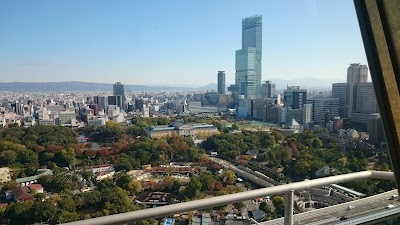
Kuchu Teien Observatory
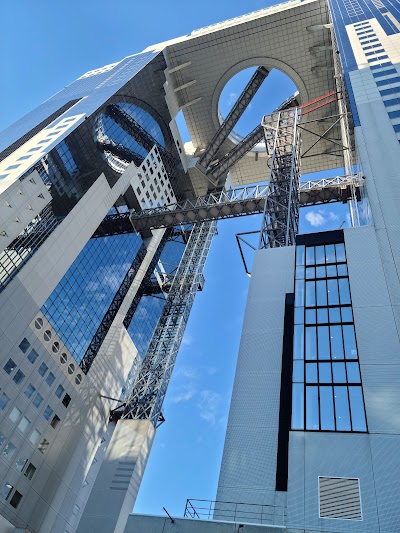
Kuchu Teien Observatory changes the scale of everything, because Osaka from above looks broader, grittier, and more industrial than the nightlife version suggests. The building is part of the drama too, which is helpful when you want more than just another tall view.
Go before sunset if the sky is clear, so you get daylight context first and city lights after. On a hazy day, though, a skyline can turn into an expensive lesson in atmospheric disappointment.
Tip: Aim for 45-60 minutes before sunset for the best skyline light. Check visibility before committing if clouds or rain are in the forecast.
Day 3
The last day swings between old symbol, polished skyline, and retro weirdness, which is a pretty fair summary of Osaka in general.
Osaka Castle Park
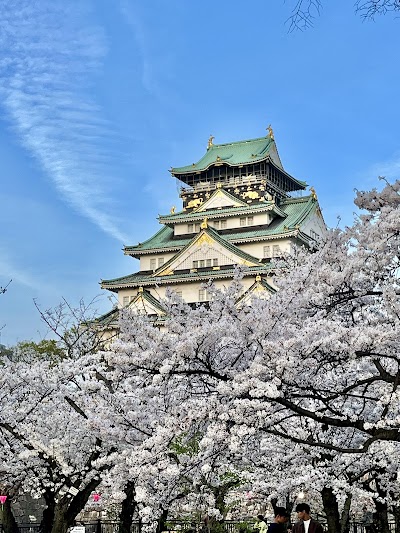
Osaka Castle Park gives you the classic landmark shot, but the wider park is what makes the place feel human. You have moats, stone walls, broad paths, seasonal trees, and joggers casually passing a site tied to major power struggles.
Go in the morning because the grounds feel calmer, and the castle area gets busier later, especially in blossom season. Treat it as a park walk first and a castle photo second. That read feels much closer to how the space actually works.
Tip: Go early for calmer paths and cleaner photos. Bring a coffee and treat it like a spring picnic walk.
Harukas 300 (Observation Deck)
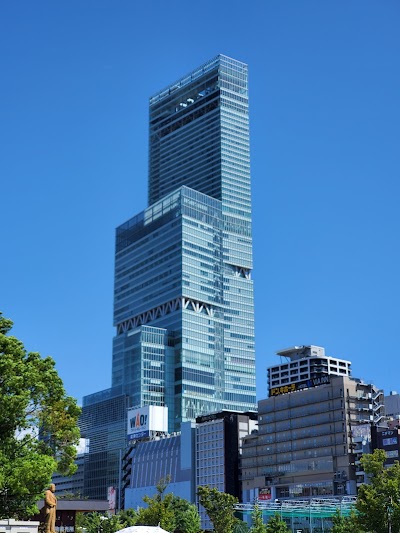
Harukas 300 is Osaka from the polished edge: high, sleek, and weirdly orderly for a city that rarely feels orderly at street level. It is useful less as heritage and more as a contrast piece, showing the modern vertical version of Osaka.
Pick the clearest afternoon because height only helps if the air is doing its part. If the view is hazy, keep this one brief and move on. Urban sprawl does not always become profound just because you are higher up.
Tip: Choose the clearest day for skyline views. If it is hazy, shorten the deck time and save energy for the evening crawl.
Tsutenkaku
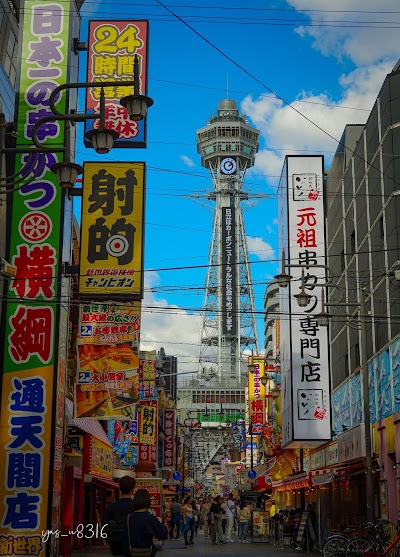
Tsutenkaku is the quicker, stranger landmark: less grandeur, more old-showpiece tower anchoring a district with fried food in the air. It matters because Shinsekai shows a rougher, more nostalgic Osaka, the version with charm and a little visible wear.
Mid-afternoon works well here because you can read the area before the dinner rush and then drift straight into the surrounding streets. Use the tower as your marker, but spend most of your time outside it, where the retro mood gets a little scruffy and much more interesting.
Tip: Visit mid-afternoon as a landmark anchor, then walk straight into the surrounding streets for snacks before dinner crowds build.
What to book ahead
- Pick a base near Namba or Umeda (2-6 weeks before) - Namba maximizes food walkability; Umeda helps with skyline access and rail connections.
- Check observatory hours and sunset time (1-3 days before) - Plan to arrive 45-60 minutes before sunset for the best light.
- Decide on aquarium as weather backup (1-3 days before) - If you plan to go, reserve a timed entry on busy days.
What to pack
Essentials
- Comfortable walking shoes - Arcades and nightlife loops involve lots of walking and standing.
- Light jacket - Spring evenings can be cool, especially near the river.
- IC transit card + some cash - Fast station taps and easier payments at smaller stalls.
- Compact umbrella - Spring showers are common, even with covered shopping streets.
Nice to have
- Portable charger - Photos, maps, and late nights drain batteries quickly.
- Reusable tote bag - Handy for market snacks and shopping street finds.
- Small hand towel - Useful for street-food cleanup and warmer afternoons.
Final take
What sticks with Osaka is not just that it feeds you well. It is how the city keeps switching from practical to theatrical without warning.
Plan this trip
Turn this guide into an editable trip plan
Open the route in Instaboard, adjust the stops, and share the itinerary with your travel group.