Travel Guide
Otaru 3-Day Itinerary: Canals, Glass & Turquoise Coast
Want the editable version of this route?
Open the Instaboard template and adapt stops, timing, and notes to fit your trip.
Otaru is a small port city on Hokkaido's coast that used to be more important than Sapporo, and honestly it might be the most photogenic place on the entire island. You can get a lot wrong here: bad timing, missing the coastal drive, showing up when the canal's swarmed with tour buses. Let's make sure you don't.
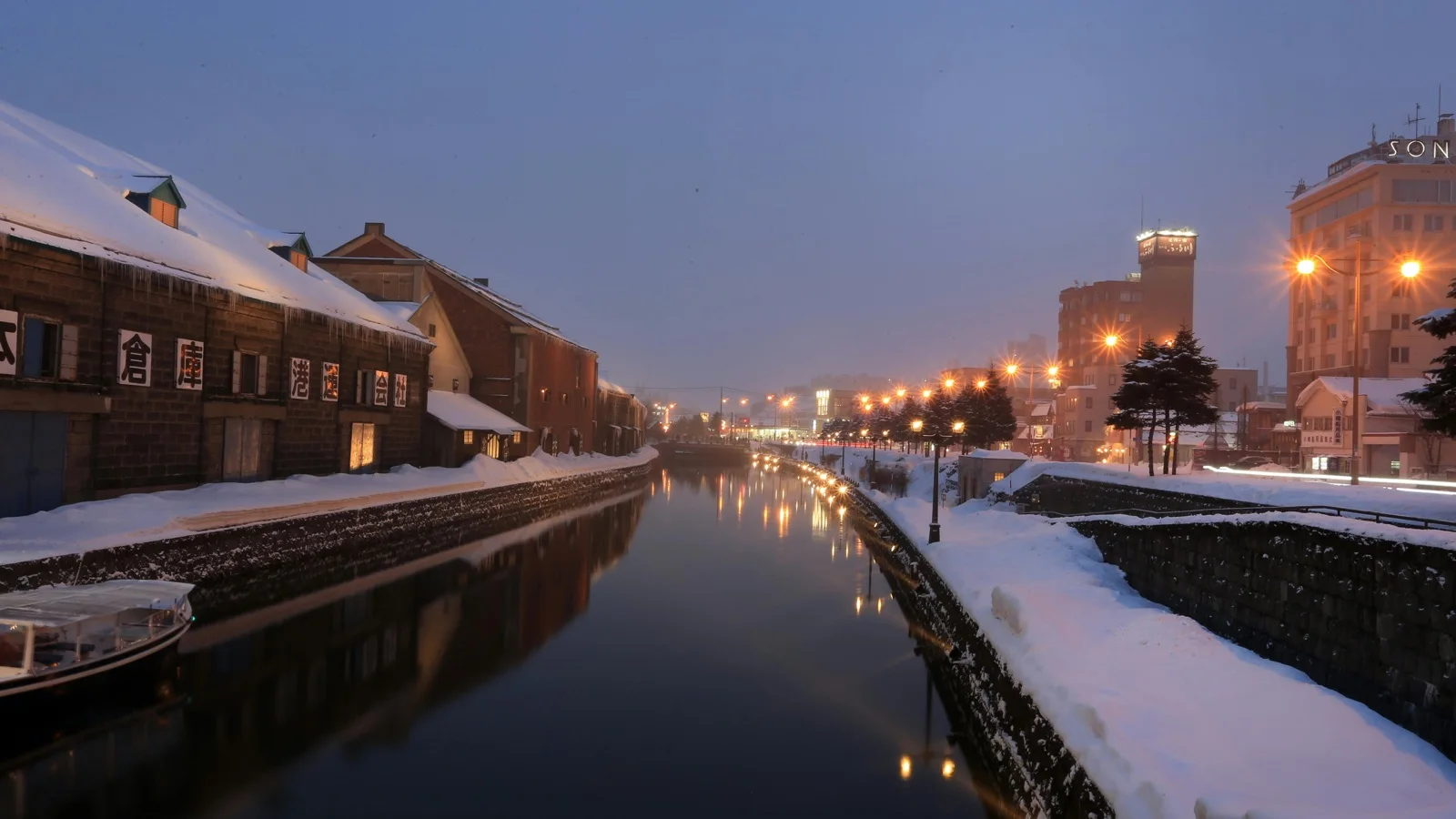
Otaru works in any season. February fills the canal with floating candles for the Snow Light Path Festival, summer opens up the Shakotan Peninsula coastal trails, and autumn turns the hills behind town gold.
Day 1
Day one is the classic Otaru portrait: canal, merchant street, and a building with eighty thousand music boxes.
Otaru Canal
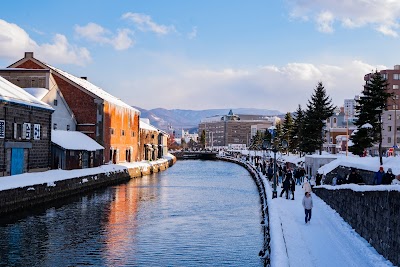
Otaru Canal is the stone-walled waterway on every postcard of this city, a kilometer of converted brick warehouses lined with sixty-three gas lamps, built in the 1920s to move herring and coal onto ships. Here's what makes it more than a photo op: Otaru was once Hokkaido's financial capital, bigger deal than Sapporo, because fish money poured through this canal.
The whole thing was nearly filled in for a road in the seventies and eighties. Citizens fought to preserve it, which is why it feels like a close call instead of a theme park. Walk the full length because the far end near the port is quieter and the stonework is just as good, then come back at dusk when the gas lamps click on.
Tip: Stroll the stone-walled canal at golden hour when gas lamps flicker on. Arrive before sunset for the best photos and fewer crowds along the towpath.
Sakaimachi Street
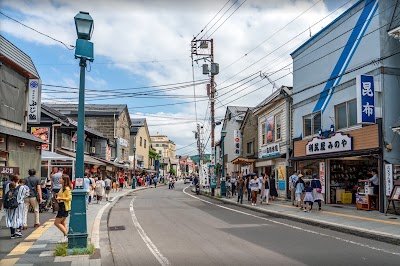
Right parallel to the canal is Sakaimachi Street, a stretch of original Meiji-era merchant buildings where Otaru's traders actually lived and worked in the late 1800s. These buildings survived because Otaru's economy crashed hard enough that nobody could afford to knock them down; recessions make excellent preservationists.
The main drag can feel like a tourist shopping street at peak hours, but the side alleys thin out fast and hold the smaller glass workshops that are actually worth your time. You'll smell warm glass from the kilns and hear music boxes chiming from shopfronts before you even see them.
Tip: Browse glass workshops, music-box stores, and cafes in preserved Meiji-era buildings. Walk the full length and pop into side alleys for hidden gems.
Otaru Music Box Museum
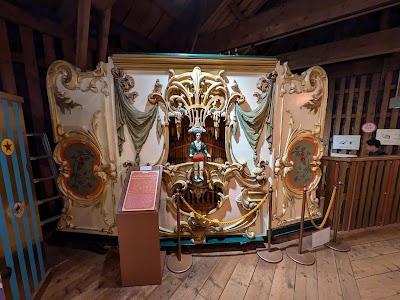
At the south end of Sakaimachi sits the Otaru Music Box Museum, a landmark stone building housing roughly eighty thousand music boxes across multiple halls. The main hall is basically a very large gift shop, so push through to Hall 2, where the antique collection lives, including a century-old Aeolian pipe organ that is the real deal.
The clock tower at the entrance performs on the hour and draws a selfie cluster every single time. Dozens of music boxes playing slightly different tunes at once is either enchanting or overwhelming depending on your tolerance for sustained plinking; you decide.
Tip: Choose from thousands of handcrafted music boxes inside a landmark stone building. Queue early to avoid weekend crowds at the clock tower entrance.
Day 2
Day two digs into why Otaru was once Hokkaido's industrial and financial engine: glass workshops, a bank that could've been in Tokyo, and a gondola ride that ties it all together.
Kitaichi Glass III
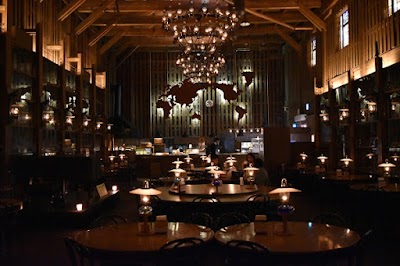
Kitaichi Glass has been operating out of the same street since 1901, originally making petroleum lamps and glass floats for Hokkaido's fishing fleet. The reason you're here is Kitaichi Hall, a vast old warehouse where 167 oil lamps are hand-lit every single morning, and the whole room glows amber.
Get there early, before nine if you can, because you can watch the staff light the lamps and grab a cafe seat before it fills up. A company that built glass fishing floats because the herring trade demanded them now sells delicate ornaments to people who've never seen a herring. Life comes at you fast.
Tip: Marvel at Venetian chandeliers in the oil-lit Kitaichi Hall cafe. Cash is accepted but cards are preferred in the retail hall for glass souvenirs.
The Bank of Japan Otaru Museum
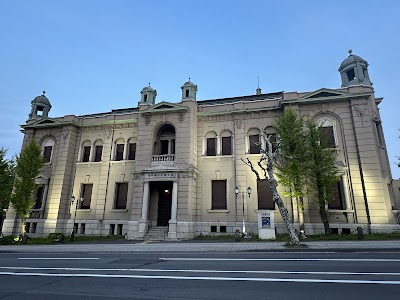
A few blocks away, the Bank of Japan Otaru Museum is a Renaissance-style stone building completed in 1912, designed by Kingo Tatsuno, the same architect behind Tokyo Station. That's how you know Otaru mattered: the Bank of Japan sent its star architect to build a palatial branch here because this port was Hokkaido's money center.
They closed the branch in 2002, and now the building is a free museum about how important Otaru used to be, which is a very specific kind of exhibit. The banking hall is intact with heavy wooden counters and high ceilings, and there's a gold bar you can try to lift. Closed Mondays, so plan around that.
Tip: Explore the ornate 1912 banking hall and try lifting a gold bar exhibit. Entry is free and opening hours are 9:30 to 17:00, closed Mondays.
Otaru Tenguyama ropeway
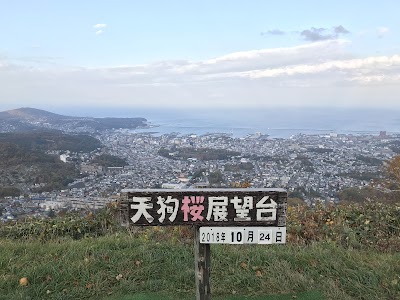
After two days of walking flat streets, the Tenguyama ropeway gives you the aerial view that puts all of Otaru into perspective in about four minutes. The gondola takes you up Mt. Tengu, named after the long-nosed goblin from Japanese folklore, to a panorama of the city, the port, the Sea of Japan, and on clear days the Shakotan Peninsula.
Afternoon light is better on the city and sea below, because mornings can fog over off the water. The summit also has a ski museum documenting Otaru's surprisingly deep role in early Japanese skiing history, plus a tengu mascot situation you just kind of have to embrace.
Tip: Ride the gondola up for sweeping views over Otaru and the Sea of Japan. Prebook online for a discount and dress in warm layers at the summit.
Day 3
Day three leaves the city entirely for the Shakotan Peninsula: dramatic sea cliffs, water so blue it has its own name, and a coast hidden behind a tunnel in a cliff.
Cape Kamui viewpoint spot
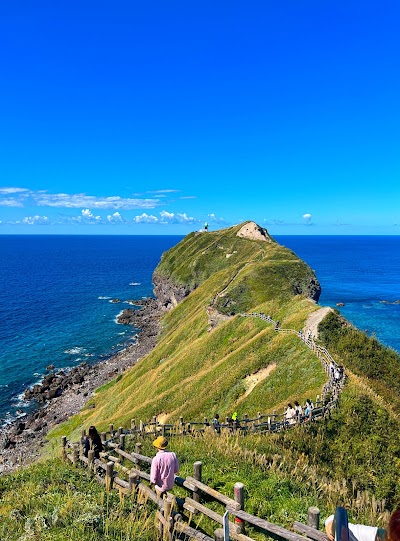
Cape Kamui is a roughly 770-meter trail along sea cliffs on the Shakotan Peninsula that ends at a lighthouse, and the water below is absurdly blue, a color people actually call Shakotan Blue. Kamui means god in the Ainu language, and an Ainu legend says a chief's daughter cursed the cape after her lover abandoned her there; women were forbidden from setting foot on it for centuries.
The sign at the trailhead still mentions the ban, no longer enforced obviously, but it tells you this place carried real weight long before tourists showed up. You'll need a rental car because there's no public transit to the trailhead. Allow about ninety minutes of winding coastal road from Otaru, and go morning when the winds are calmer.
Tip: Walk the 30-minute coastal trail to the lighthouse viewpoint. Wear sturdy shoes and bring warm layers as sea winds pick up at the headland.
Shimamui Coast
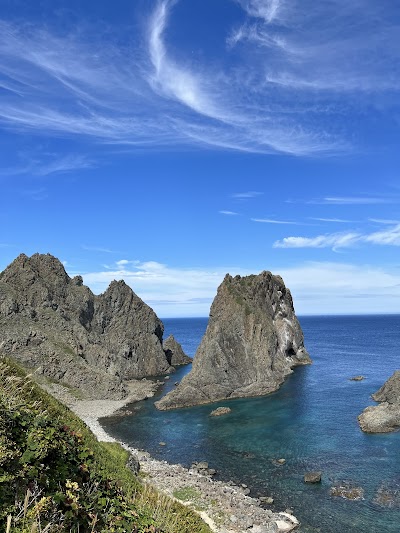
A short drive from Cape Kamui is the Shimamui Coast, where you walk through a narrow, low-ceilinged tunnel carved into a cliffside and emerge onto an overlook with impossibly turquoise water below. The tunnel is part of the experience: it's genuinely dark, and then you step into full sunlight and that blue-green, and someone designed it this way on purpose.
This stretch gets fewer people than Cape Kamui because you have to know it's there and walk the tunnel, but the payoff is the same water clarity from a completely different angle. Watch your head in the tunnel, wear real shoes, and bring a wind layer because the sea breeze doesn't care what month it is.
Tip: Take the short trail to the overlook revealing turquoise waters below. Arrive mid-morning when sunlight illuminates the famous Shakotan Blue.
Former Japanese National Railways, Temiya line
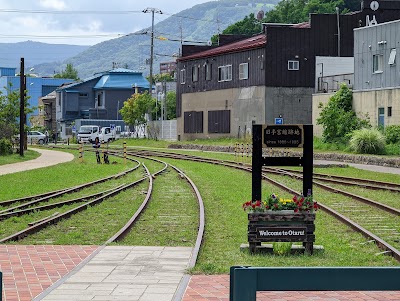
Back in Otaru, the old Temiya railway line is Hokkaido's first railway, opened in 1880 to haul coal to the port, now a flat, quiet walking path with stone walls and preserved track sections. For 105 years this track moved the fuel that powered Hokkaido's entire development; now it moves joggers and dog-walkers, and it is the most peaceful stretch of ground in this city.
It's noticeably quieter than the canal two blocks away, which is exactly why it works as the wind-down after driving all day. Walk it at dusk as a bookend: the path loops you back toward the canal where this whole trip started.
Tip: Walk or cycle the decommissioned railway path lined with stone walls. An ideal quiet evening stroll to wind down after the coastal drive back to Otaru.
What to book ahead
- Reserve Tanaka Sake Brewery tour (1 week before) - Weekend slots fill early; weekday walk-ins sometimes possible.
- Book rental car for Shakotan day (2 weeks before) - Public transport to Cape Kamui is limited; a car gives flexibility.
- Check Tenguyama ropeway schedule (Day before) - Gondola hours vary seasonally; online tickets sometimes discounted.
- Reserve Denuki Koji izakaya dinner (2–3 days before) - Alley restaurants are tiny; a reservation guarantees a seat.
What to pack
Essentials
- Warm layered jacket - Otaru's sea winds make it cooler than inland Hokkaido, especially on the Shakotan headlands.
- Comfortable walking shoes - Canal towpaths, merchant streets, and the Cape Kamui trail all require solid footing.
- Portable charger - Long days of navigation and photography between Otaru and Shakotan drain phone batteries fast.
- Cash (yen) - Many smaller izakayas and seaside vendors prefer or only accept cash.
Nice to have
- Tripod or selfie stick - Blue-hour canal shots and panoramic coast views benefit from a stable camera.
- Thermos flask - Hot drinks are welcome during winter canal walks and coastal hikes.
- Rain cover or compact umbrella - Hokkaido weather shifts quickly, especially on the exposed Shakotan Peninsula.
Final take
Otaru is a city that peaked a century ago and accidentally froze in time because of it, and that's exactly what makes it worth the trip.
Plan this trip
Turn this guide into an editable trip plan
Open the route in Instaboard, adjust the stops, and share the itinerary with your travel group.