Travel Guide
Pohang in 2 Days: Sunrise, Steel & Waterfalls
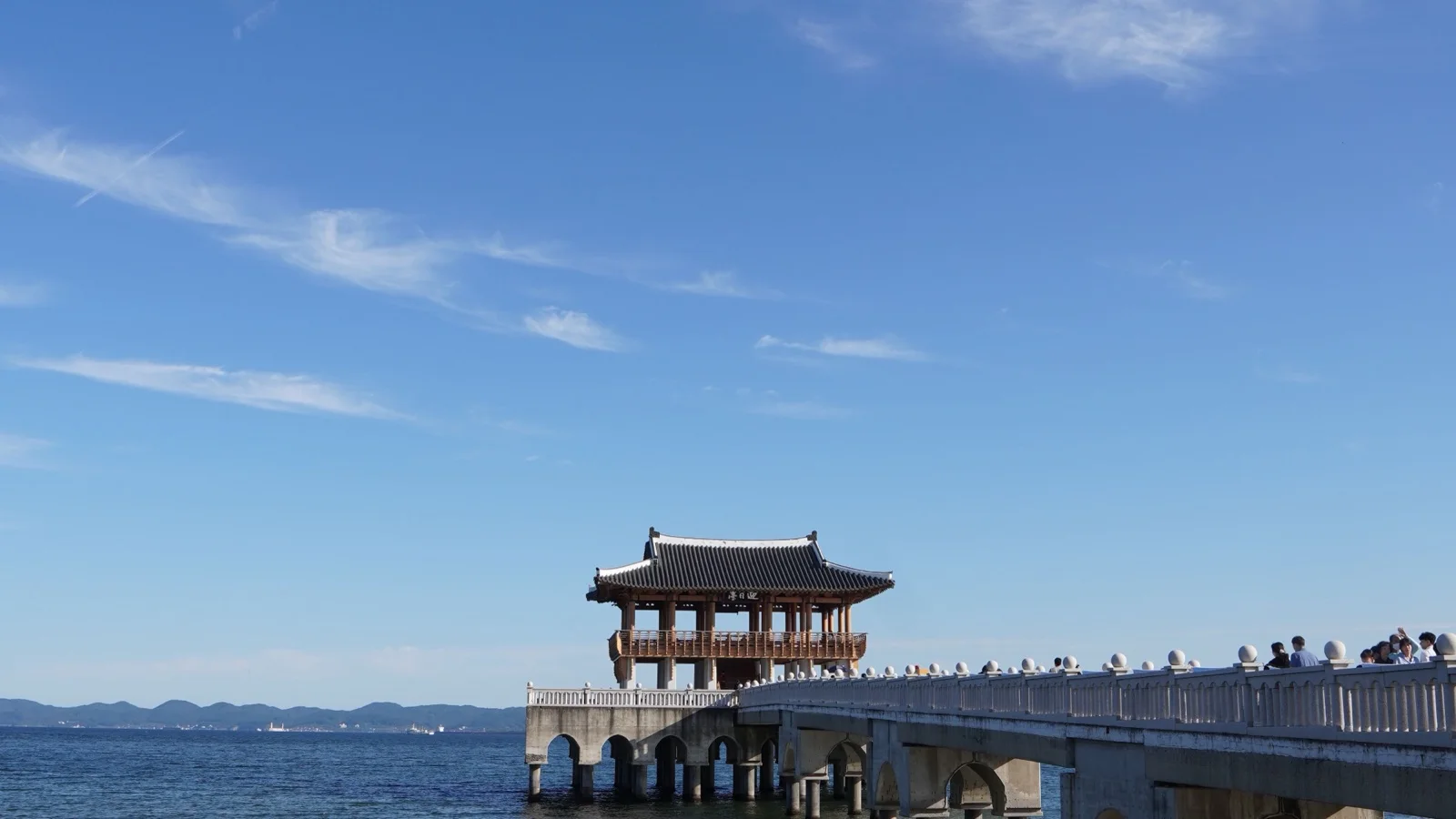
Want the editable version of this route?
Open the Instaboard template and adapt stops, timing, and notes to fit your trip.
Come here. Pohang is the Korean steel town that quietly also claims the first morning light to touch the mainland. Two days here go sideways fast if you don't know which stop needs a four a.m. alarm and which one needs a tide chart.
Summer here is humid and bright, with dawns sneaking up near five a.m., so the rhythm of this trip is early starts and sea breeze, not midday sightseeing.
Day 1
Homigot is the whole reason you came, the cape billed as Korea's easternmost point. The sunrise is a civic event here, and the morning stretches out across a plaza, a pair of bronze hands, and an old lighthouse.
Homigot Sunrise Square
Homigot Sunrise Square is exactly what it sounds like: a wide paved plaza at the edge of the sea, built so thousands can stand and face the open horizon for the first sunrise of the year. Korean folklore maps the peninsula onto a tiger, and Homigot sits at the tip of its tail, which is why this cape carries the whole 'first light' mythology.
That same plaza is packed and televised every New Year's morning, yet it's nearly empty on a summer weekday, because almost nobody wants to set a four a.m. alarm in July. Get there by quarter to five because the sun clears the horizon around 5:10 in summer, and the lot behind the square gives you the cleanest sightline to it.
Tip: Arrive before 5am in summer to claim a front-row spot at Korea's easternmost sunrise, and bring a light layer since sea breezes stay cool. Park in the lot behind the square for the clearest horizon.
Hand of Mutual Shake
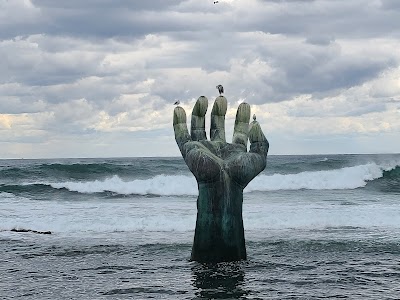
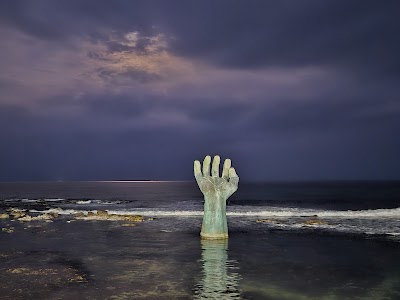
Just down from the square are the two bronze hands you've seen in every Pohang photo. One is planted on the shore, the other rises out of the water, reaching toward each other like a handshake across the bay. This is modern public art, installed as a symbol of coexistence, and the scale doesn't really hit until you're standing between them and the offshore hand towers over the water.
The whole sculpture is staged for one specific angle. At high tide the sea hand seems to float, while at low tide you can walk the mud flats out toward it. Check the tide table before you go, because the 'handshake' framing only works at the right water level, and early mornings dodge the late-morning photo queue.
Tip: Walk onto the tidal flats at low tide to frame the bronze hands 'shaking' across the water, and check tide times in advance to dodge big weekend crowds. Shoot from the south side.
Homigot Light House
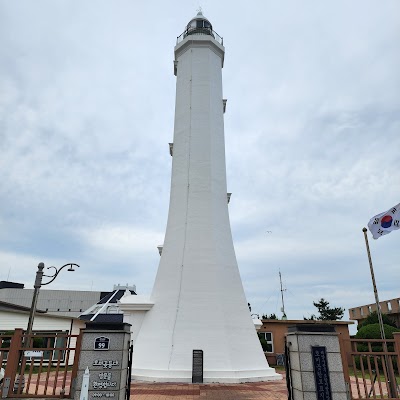
There's also a red-brick lighthouse on the cape, first lit in 1908. It was the tallest in Korea when it opened, and it's still working today. Most of the sunrise crowd never walks over to it, which is reason enough to go, because it's the one viewpoint here that goes up instead of out.
The spiral climb hands you a windier, wider read on the same coast you just watched from the plaza, with warm brick under your hand and open air above the bay. Climb the tower first because the little maritime museum at its base doesn't open until around nine, and the gate fee is modest.
Tip: Climb the 1908 brick lighthouse for a quieter sunrise viewpoint and visit the compact maritime museum just inside the gate. The entry fee is small (cash preferred), and the museum opens at 9am.
Day 2
Day two flips the script. You trade the open coast for a forested mountain valley, then circle back to the bay by evening for the one piece of Pohang that looks like the future.
Bogyeongsa
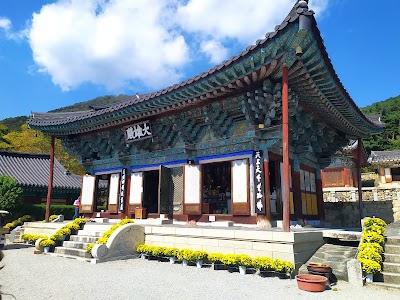
Bogyeongsa is a working Buddhist temple at the foot of Naeyeonsan, with over a thousand years behind it. This is the reason Pohang has a green, shaded counterpoint to all that coastline and steel. The temple sits in a forested valley with a stream running through it, so in summer the air drops a few degrees under the canopy, and the bell and incense carry on the cooler air.
What makes it more than a temple stop is that the entry ticket is also a pass to the waterfall valley behind it. Most visitors come for the trail and treat the temple as the trailhead. Get there early because the forecourt fills with tour groups by mid-morning, and grab the combo ticket at the booth since the trail is the main event.
Tip: Enter the 1,000-year temple through the main gate; the entry ticket also covers the waterfall valley trail, and the shaded forest paths beat the summer heat. Grab the combo ticket at the booth.
내연산 12폭포
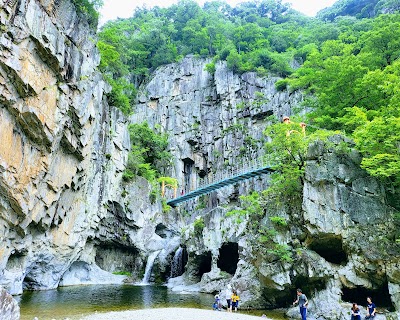
Behind the temple, the valley climbs through twelve named waterfalls strung along a single stream, and the trail's goal isn't a summit, it's the sequence itself. This is one of the region's signature walks precisely because it's all shade and running water, which in a humid Pohang summer is the difference between a hike and an ordeal.
The crowds thin sharply after the first two or three falls, because most day-trippers turn around. The upper cascades are dramatically quieter, and the temperature visibly drops as you climb. It's a real hike, not a stroll, with stone steps and wet rock, so wear grippy shoes. Turning back at the sixth falls still gives you the best of it if you're pressed for time.
Tip: Hike the valley trail behind Bogyeongsa to the cascading Twelve Waterfalls, and wear grippy shoes as the full loop takes 2-3 hours. Turn back at the sixth falls if short on time.
Hwanho Park Space Walk
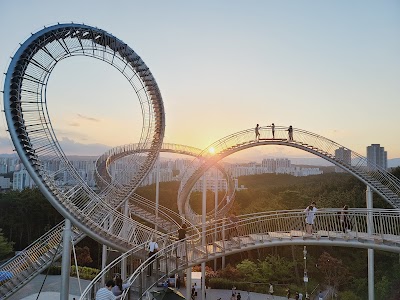
The Space Walk is a giant looping steel staircase spiraling above Yeongil Bay, and the first thing everyone says is that it looks like a rollercoaster, except you walk it, and it goes nowhere. It was built in 2021 by two German artists out of POSCO steel, which is the whole point. Pohang is a steel city, and this is the city showing off what it makes, at a scale you can climb.
The higher you go, the wider the bay unfolds beneath you, with the creak of footsteps on metal and the sun warming the steel. It's sculpture and viewpoint at once. Aim for the hour around sunset because that's when the light and the air both soften, and check the wind before you drive up, since it closes when the weather turns.
Tip: Climb the spiraling steel walkway for sweeping views of Yeongil Bay; entry is free but it closes in high winds, so confirm opening hours before driving up. Visit 5-6pm for golden light.
What to book ahead
- Reserve Posco Museum / steelworks plant tour (2-3 weeks before) - Plant tour needs ID and limited daily slots; book online.
- Check sunrise time for Homigot (Night before Day 1) - Summer sunrise ~5:10am; leave downtown by 4:15am.
- Confirm Space Walk opening status (Morning of Day 2) - Closes in high winds or rain.
- Book intercity transport to Pohang (1-2 weeks before) - KTX from Seoul to Pohang ~2.5 hrs; SRT/KTX sell out on summer weekends.
What to pack
Essentials
- Light windbreaker or layer - Sea breezes at Homigot feel cool even at 5am in summer.
- Sun hat and SPF 50 sunscreen - Strong UV on exposed beaches and the Space Walk with little shade.
- Cash (KRW) - Jukdo Market and most port stalls are cash-only.
- Grippy water shoes - Tidal flats at the Hand of Shake and waterfall stream crossings.
- Refillable water bottle - High humidity on the Twelve Waterfalls hike with few vendors on-trail.
Nice to have
- Tripod / phone clamp - Long-exposure sunrise and waterfall shots.
- Tide chart app - Timing the Hand of Shake tidal-flat photo.
- Motion-sickness pills - Winding mountain road to Bogyeongsa.
Final take
Two days in Pohang and you've stood at the country's first light, climbed into its mountain shade, and walked a steel ribbon above the bay. It's a stranger, fuller range than a steel town has any right to offer.
Plan this trip
Turn this guide into an editable trip plan
Open the route in Instaboard, adjust the stops, and share the itinerary with your travel group.