Travel Guide
3 Days in Pokhara, Nepal: Lakes, Sunrises & Mountain Views
Want the editable version of this route?
Open the Instaboard template and adapt stops, timing, and notes to fit your trip.
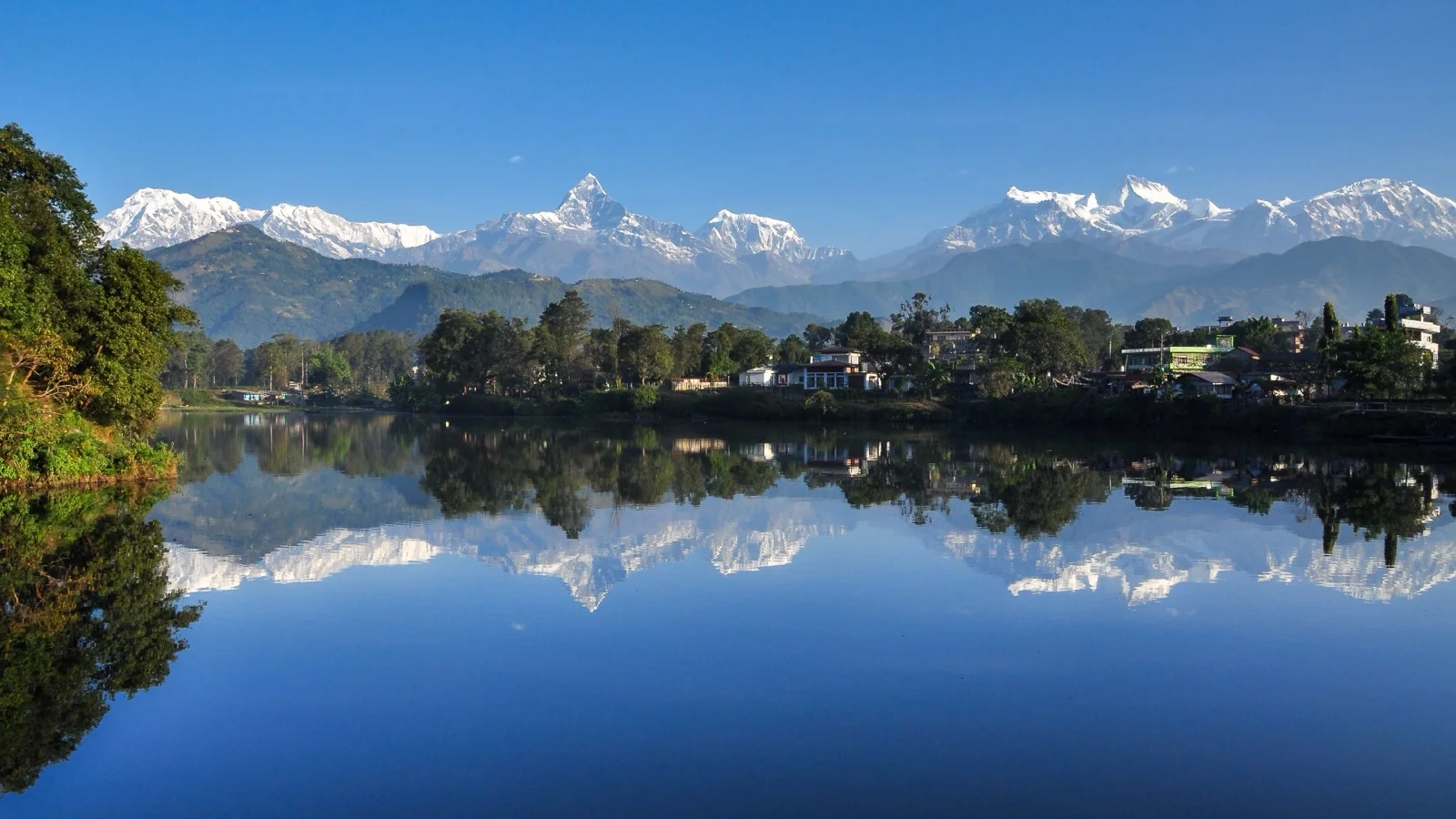
Pokhara, Nepal is the lake town where the Annapurnas show up in the water almost as sharply as in the sky. Three days is enough to do this place properly, and the only real mistake is showing up late to the mornings that matter.
Autumn is the prime window here. Post-monsoon air turns the Annapurnas razor-sharp, the lakes go mirror-still at dawn, and rooms fill fast.
Day 1
Day one stays low and on the water: the lake at first light, an island temple, then the old bazaar where Pokhara stops performing.
Phewa Lake
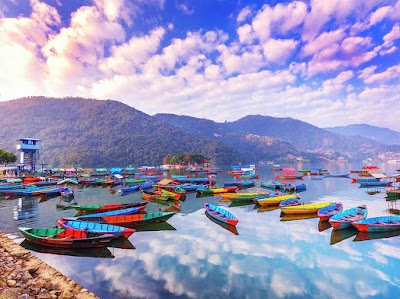
Phewa is the lake Pokhara is built around, the country's second largest, and honestly the reason the town exists where it does. Dawn is when it performs: the water goes glass and the fishtail peak, Machhapuchhre, doubles itself perfectly.
The mirror runs on a schedule, because by midmorning wind deletes it. I've watched the double fade while finishing one coffee. Grab a painted doonga rowboat on the shore, settle the hourly fare before you push off, and carry small notes, since no cards work out here.
Tip: Rent a painted doonga rowboat before 9am when the water is mirror-still; agree the hourly fare first and carry cash, since boatmen accept no card.
Tal Barahi Mandir
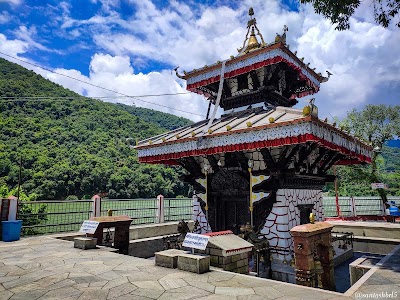
Row toward the middle of the lake and you'll find Tal Barahi, a two-story pagoda temple stranded on its own tiny island. It's the most-visited temple in town and the boat ride is half the point. Locals have rowed out to this shrine for generations.
Before ten, you get puja drums carrying over the water, incense drifting off the jetty, and snow peaks backing the roofline. Do fix a pickup time with your boat, because this is the rare temple where missing your ride means learning patience on a very small island.
Tip: Ask your boat to drop you at the island jetty and fix a pickup time; arrive before 10am to catch puja drums and avoid tour-boat crowds.
Old Pokhara Bazaar
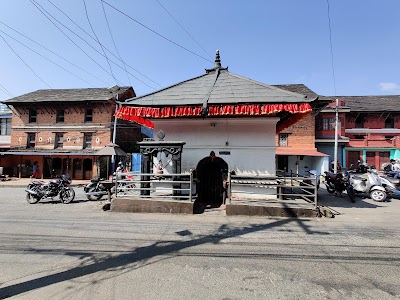
Twenty minutes from Lakeside's pashmina-and-pizza economy, Old Pokhara Bazaar is the town's old Newari trade quarter of brick lanes and brass shops. This is what Pokhara ran on before the trekkers arrived: caravans, commerce, and shops where people still buy things they actually need.
Wander it in the afternoon when everything's open, with spice dust, bicycle bells, and in autumn, Dashain and Tihar festivities lighting up the lanes. Lakeside will sell you a T-shirt that says Pokhara; the bazaar will sell you a pot. Guess which one actually gets used.
Tip: Walk the brick lanes past spice stalls, brass shops, and Newari courtyards; small vendors are cash-only, so carry small NPR notes.
Day 2
Day two goes vertical: a sunrise ridge, a white stupa above the lake, and a waterfall that quits halfway through its own performance.
Sarangkot
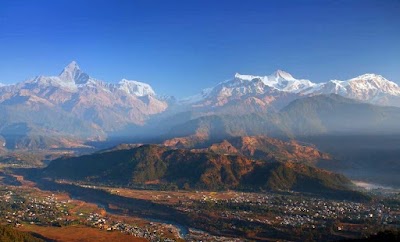
Sarangkot is the ridge at sixteen hundred meters where the entire Annapurna range, Dhaulagiri, and Machhapuchhre line up at dawn like they're being paid. You'll be cold, tired, and crowded, and then the sun hits the fishtail peak and you completely stop complaining.
Sunrise is non-negotiable here, because peaks are clearest at dawn and cloud builds through the day; the cost is a pre-5am departure. Book the taxi the night before, because that's the real bottleneck, and bring one genuinely warm layer for the wait.
Tip: Prebook a taxi the night before, leave at 4:45am, and arrive forty minutes before sunrise; bring a warm layer for the cold viewpoint.
World Peace Pagoda, Pokhara
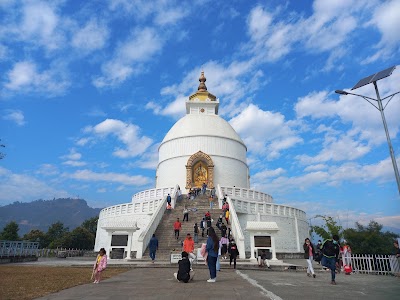
Next, the World Peace Pagoda: a brilliant-white Buddhist stupa on a forested ridge above Phewa, looking down on everything you rowed across yesterday. The flip is the whole appeal. Yesterday you were on the water looking up; now the lake sits flattened into a map below you.
It's a genuine Buddhist peace stupa, one of a line built around the world, with prayer flags snapping and forest smell on the climb. The entry fee is stairs, a boat ride plus a forest climb, and world peace feels most achievable around leg eleven.
Tip: Boat across Phewa Lake and climb the forest stairs to the white stupa; bring cash for the return boat transfer.
Devi's Fall Pokhara
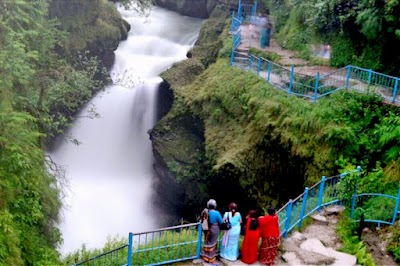
Devi's Fall is geology doing a magic trick: the Seti River sprints full tilt at a wall of rock and simply vanishes underground. Most waterfalls deliver a finale. This one delivers a disappearance, and you stand at the railing waiting for a payoff that never surfaces.
Mind your phone near the spray, because the mist finds pockets with professional accuracy, and weekends pack the railings with local families. The walkway's short, so don't come expecting a hike. Come for the one waterfall whose main event is the exit.
Tip: Buy your entry ticket at the gate with cash; watch phones at the railings, where mist and weekend crowds peak.
Day 3
Day three slows it down: the museum that finally explains those mountains, then a quieter lake east of town where the trip exhales.
International Mountain Museum
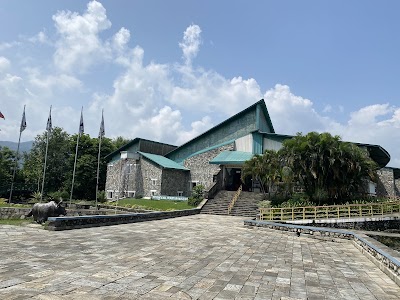
The International Mountain Museum is where two days of staring at the Annapurnas gets explained: who climbed them, and who lives under them. Old boots, worn ropes, scale models of entire ranges, and the hush of people reading instead of gasping make it a genuinely serious museum.
It makes sense here, because Pokhara has been the gateway for Annapurna expeditions for generations; the mountains finally got their paperwork filed. This is the trip's one stop where booking ahead actually matters: tickets online, two unhurried hours, and a quick check on opening times.
Tip: Book tickets online in advance to skip the counter line, and budget two unhurried hours; opening is around 10am, closing early off-season.
Begnas Lake
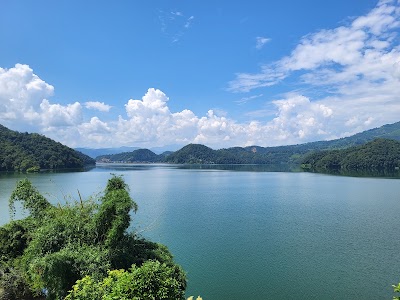
Begnas Lake sits forty-five minutes east of town with the same water-and-mountains formula, but with rice terraces instead of hotel rows. Think of it as Phewa's quieter twin: harvest-gold terraces, creaking bamboo rafts with room to spare, and none of the boat queues.
This is the locals' own weekend escape, a working farm landscape that never made it onto the stickers, which is exactly the charm. One real decision here: settle your return taxi or bus before you settle in, or the peaceful afternoon acquires a deadline.
Tip: Take a taxi or local bus forty-five minutes east; negotiate the return transfer in advance and bring cash for bamboo raft rides.
What to book ahead
- Book Kathmandu-Pokhara transport (2-3 weeks ahead) - Autumn is peak season; flights and tourist buses sell out around Dashain, so reserve early.
- Reserve a Lakeside hotel (3-4 weeks ahead) - Pick one within walking distance of boat jetties to simplify each morning.
- Prebook the Sarangkot sunrise taxi (Day before, by 6pm) - Fix the round-trip fare and 4:45am pickup time with your hotel or a Lakeside operator.
- Book International Mountain Museum tickets (1 week ahead) - Online advance booking skips the counter line on busy autumn mornings.
- Arrange Day 3 Begnas transfer (Day 2 evening) - Negotiate a round-trip taxi in advance since ride availability at Begnas is limited.
What to pack
Essentials
- Warm fleece and windproof layer - Sarangkot dawns are cold even in autumn; a warm layer is essential for sunrise viewing.
- Cash in NPR (small notes) - Boats, entry tickets, taxis, and bazaar vendors are almost entirely cash-only.
- Sunscreen and sunglasses - High-altitude UV is intense on the lake and at viewpoints, even on cool mornings.
- Grippy walking shoes - Peace Pagoda stairs, slippery cave floors, and bazaar lanes demand sure footing.
- Reusable water bottle - Full days of boating and hiking under autumn sun require steady hydration.
Nice to have
- Binoculars - Autumn migratory birds at Rupa and Begnas lakes reward a closer look.
- Power bank - Sunrise shoots and all-day navigation drain phone batteries fast.
- Headlamp - The 4:45am Sarangkot departure and dark viewpoint walk need hands-free light.
- Light rain shell - Late-autumn showers can sweep the lake without much warning.
Final take
That's Pokhara: a lake that doubles the mountains, a river that disappears, and a town that earns every postcard it sells.
Plan this trip
Turn this guide into an editable trip plan
Open the route in Instaboard, adjust the stops, and share the itinerary with your travel group.