Travel Guide
3 Days in Pyeongchang: Olympic Slopes, Snowy Temples & Ice Fishing
Want the editable version of this route?
Open the Instaboard template and adapt stops, timing, and notes to fit your trip.
Pyeongchang is the mountain town that spent two decades lobbying to host the Winter Olympics, won, threw a two-week party, and then demolished its own stadium on purpose. Sorting out what is worth your time up here is trickier than it looks, because the Olympic venues are scattered and the best stuff is not always obvious.
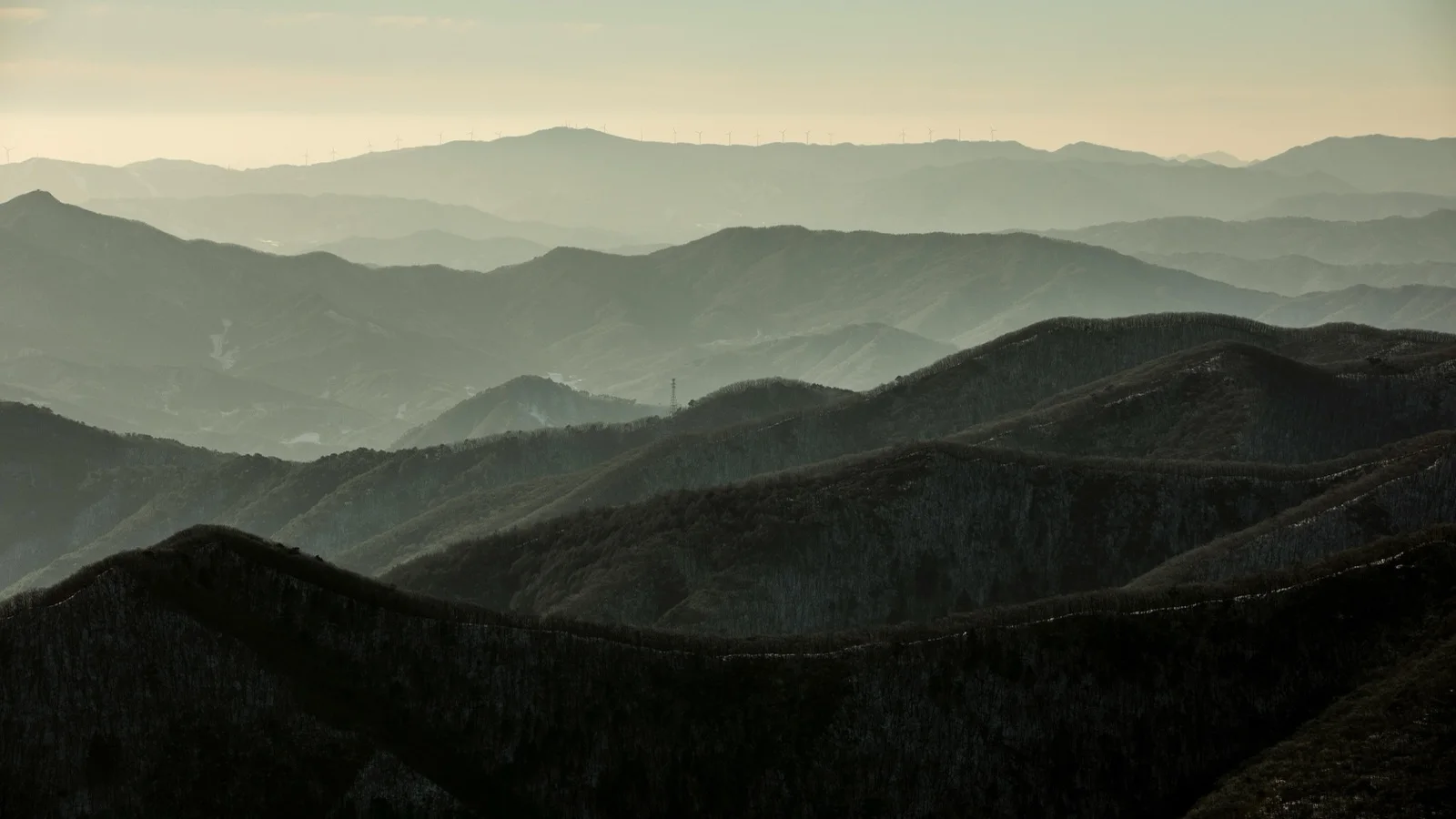
The town sits high enough that winter hits different. Frozen rivers, snow-draped fir forests, and a cold that genuinely changes how you move through the day.
Day 1
Day one is the Olympic story, where the Games happened, what is left of them, and what it feels like to stand at the top of a ski jump in January.
PyeongChang Olympic Museum
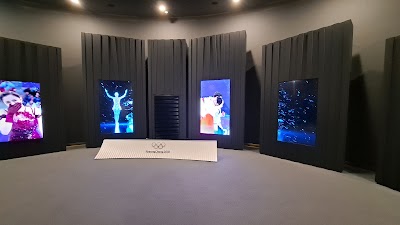
This museum is the only place where the 2018 Olympics still feel real. The stadium next door was designed to be torn down, and it was. Inside you will find the actual medals, torches, and mascot costumes in a space that is warm and quiet after the wind-blasted plaza outside.
Pyeongchang bid three times over two decades before winning, losing to Vancouver and Sochi before the third try stuck. That story is more interesting than the medals. Ninety minutes covers it because the museum is compact, which is why mornings work. You get the context and still have the whole day for outdoor venues.
Tip: Arrive early on weekends to avoid crowds. The museum is compact but packed with interactive exhibits, 2018 memorabilia, and a gift shop worth browsing.
Alpensia Ski Jumping Centre
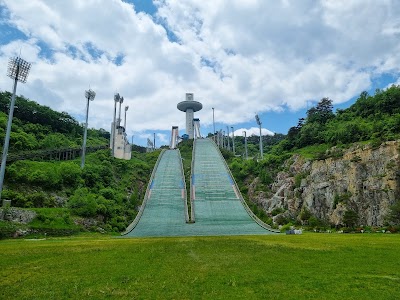
Next is the Alpensia Ski Jumping Centre, where a monorail takes you to the top of the ramp Olympic ski jumpers launched from. The observation deck gives you a 360-degree panorama of the Taebaek Mountains and a genuinely alarming look straight down the jump ramp.
Clear afternoons are when the low sun turns those ridgelines gold. If it is overcast, the view flattens, so check the sky before committing. The deck is outdoors and the wind hits hard. The cafe inside the tower lounge is your warming stop, because you will need one.
Tip: Book your entry ticket in advance during peak season. The observation platform can reach capacity on clear afternoons, and the glass elevator ride is half the experience.
Alpensia Ski Resort
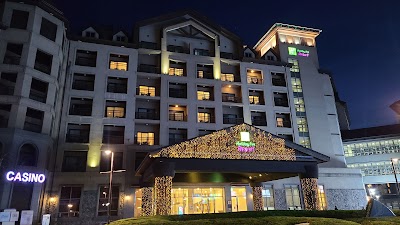
Alpensia Ski Resort is the flagship venue of the 2018 Games, built from scratch on empty highland. The name is a portmanteau of Alps and Asia, which tells you about the aspiration. But the slopes are genuinely beginner-friendly, not daredevil terrain.
After sunset the village glows warm against the snow, and Korean BBQ drifts from restaurants better than you would expect at a purpose-built resort. Evening lift passes are cheaper and rental lines have cleared, so ski under lights or just wander the village with dinner as your only objective.
Tip: Layer up warmly. Mountain winds are biting after sunset, and evening lift passes sell out fast on holiday weekends.
Day 2
Day two is the contrast. A seventh-century temple behind a fir forest older than most countries, followed by the loudest ski resort on the trip.
Woljeongsa Temple & Fir Tree Forest
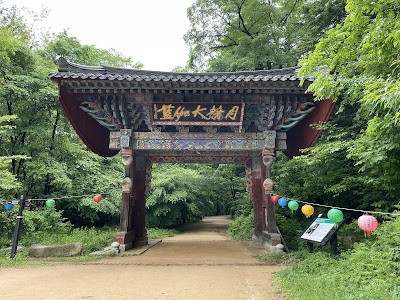
Woljeongsa is a Buddhist temple founded in 643, inside Odaesan National Park, behind a corridor of roughly seventeen hundred fir trees, some over five hundred years old. You walk a path through those firs to a nine-story stone pagoda, a National Treasure. In fresh snow the dark green needles against white ground are stunning.
Snow muffles everything: footsteps, wind, conversation. The only sounds are crows and old wood creaking, which makes this the quietest place on the trip. Bring traction cleats, because that forest trail is a sheet of ice and you will slide like a newborn deer without them.
Tip: Wear warm layers and traction cleats, because the forest trail stays icy. Check opening hours in winter, as they shorten after 5 PM.
Phoenix Pyeongchang Snow Park
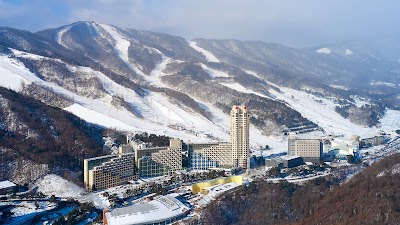
Phoenix Pyeongchang hosted the Olympic freestyle and snowboard events, and it is a different energy: louder, faster, with terrain park music carrying across the slopes. The draw is night skiing later than almost anywhere else in Korea. Floodlights carve runs out of the darkness once the day-trippers clear out.
This is about fifty kilometers from Woljeongsa, so you need a car or shuttle, because nothing between these two stops is walkable. Arrive before noon to dodge the rental rush, then ski into the evening. A silent temple in the morning, a thumping resort by night.
Tip: Prebook lift passes online to skip the ticket queue. Gear rental lines are longest between 1 and 3 PM, so arrive before noon.
Day 3
Day three is the slow one. A snowy hillside, ice fishing on a frozen river, and the best meal of the trip from a folding table.
Daegwallyeong Sheep Farm
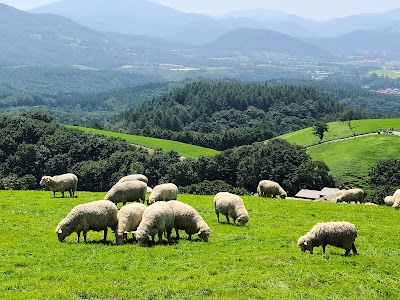
The Daegwallyeong Sheep Farm is a working hilltop farm at 850 meters. In winter the flock stays in barns and you get the snow-covered pasture to yourself. What you are here for is the landscape: white snowfields against mountain ridges in every direction, nothing blocking the wind, and a silence that is almost disorienting.
The sheep being indoors just shifts the experience from petting zoo to highland walk, which is honestly the better version. Get there before eleven, because the wind picks up hard in the afternoon and there is no shelter out on the pasture.
Tip: Arrive before 11 AM for the best photo light and thinner crowds. A small warming cafe sits near the entry gate.
pyeongchang trout festival
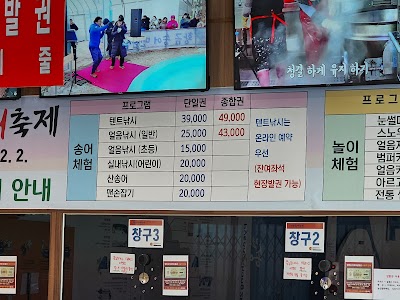
The Trout Festival sits on the frozen Odaechon Stream. Drill a hole, catch a trout, and someone slices it into sashimi on the ice in front of you. This is how Korean families spend winter weekends, not a tourist show. Foreign visitors are the minority, which is part of what makes it work.
Afternoons are better because the vendor stalls are fully open and crowd energy picks up, but bring cash, since most food stands do not take card. Standing on a frozen river, willing a fish to bite through a hole you drilled, is deeply absurd, and yet it works every time.
Tip: Bring cash for food stalls and activity booths. The festival runs late December through February with no advance booking needed.
Jinbu Traditional Market
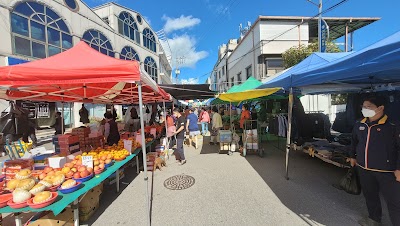
Jinbu Market is where people in Pyeongchang actually buy food. Not a tourist setup, but a real neighborhood market where buckwheat is why everything tastes good. The highland grows buckwheat that becomes memil jeon, hot pancakes sizzling on griddles, and the smell of that batter hitting oil in freezing air is unforgettable.
The market runs on a traditional five-day rotating schedule, so check the calendar, because on off-days half the stalls are closed. Walk the full length before buying, because the best stalls are not near the entrance. This is the meal you will remember from the trip.
Tip: Walk the full length for the best snack options. Most vendors accept card but a few stalls are cash-only.
What to book ahead
- Reserve ski lift passes (2–4 weeks before) - Alpensia and Phoenix Snow Park passes sell out during Korean holidays and Lunar New Year.
- Book ski-jump observation deck tickets (1–2 weeks before) - The Alpensia Ski Jumping Centre caps daily visitors; online booking is the safest bet.
- Check trout festival dates (Before booking flights) - The Pyeongchang Trout Festival typically runs late Dec–late Feb but exact dates vary yearly.
- Arrange transport from Seoul (1 week before) - KTX to Jinbu Station (~2 hrs) or intercity bus from Dong Seoul Terminal; reserve seats on KTX.
What to pack
Essentials
- Thermal base layers - Pyeongchang highs in winter hover around -5°C; proper layering is non-negotiable for outdoor stops.
- Waterproof snow boots - Temple trails, ice-fishing, and market streets are slushy and icy.
- Insulated gloves and hand warmers - Extended time outdoors at ski resorts and the trout festival demands serious hand protection.
- Sunglasses - Snow glare at highland farms and ski resorts is intense even on overcast days.
Nice to have
- Ski goggles - Useful if you plan to ski or snowboard; rental shops also provide them.
- Portable charger - Cold weather drains phone batteries fast, especially during full-day outdoor itineraries.
- Thermos flask - Hot tea or coffee between stops keeps morale up on sub-zero afternoons.
Final take
Pyeongchang spent twenty years chasing a two-week party, and what is left is better. Temples, frozen rivers, buckwheat griddles, and highland that does not care you came.
Plan this trip
Turn this guide into an editable trip plan
Open the route in Instaboard, adjust the stops, and share the itinerary with your travel group.