Travel Guide
Sapa in 3 Days: Rice Terraces, Muong Hoa Trek & Fansipan Summit (Autumn Itinerary)
Want the editable version of this route?
Open the Instaboard template and adapt stops, timing, and notes to fit your trip.
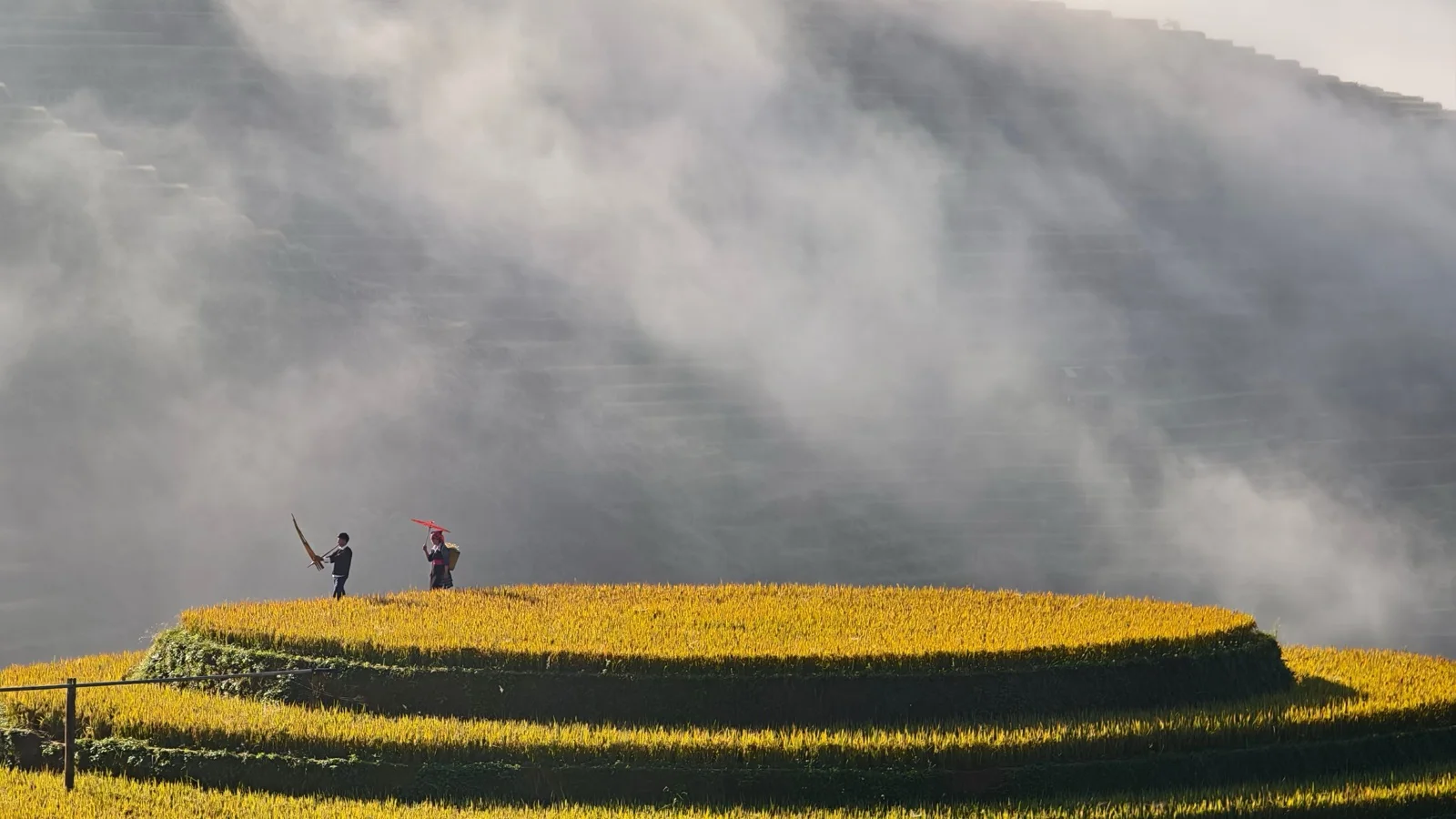
This is Sapa, a foggy mountain town in northern Vietnam where entire hillsides are carved into golden rice terraces. Three days here can hand you harvest gold and a summit above the clouds, or just fog and sore legs, and the difference is almost entirely timing.
Aim for late September to mid-October. That's harvest, when Muong Hoa's terraces turn gold and clear mornings stack a cloud sea under Fansipan.
Day 1
Today stays in town: a fog-draped French church, a hillside garden that hands you a sunset, and a slow lap around the lamplit lake.
Sa Pa Stone Church
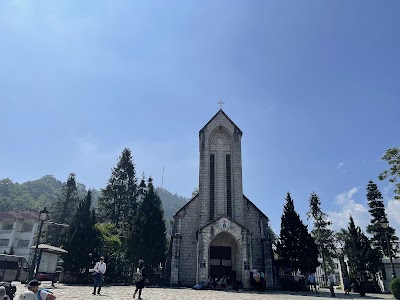
Sapa's fixed point is a French Gothic stone church from 1935, standing in the main square like it wandered off a European postcard. The French built it in the thirties, when Sapa was a hill station for escaping the lowland heat, and the fog comes free now.
Come before nine and the square is calm, because at nine the front gate turns into guides counting heads for nearly every walking tour in town. One errand before you leave the square: pull cash from the ATMs here, because the valley villages you'll walk into tomorrow rarely take card.
Tip: Start at the church anchoring the town square, where nearly every walking tour gathers at its front gate around 9am. Withdraw cash at the ATMs nearby now, since valley villages rarely accept card.
Ham Rong Sa Pa Eco-Tourism Area
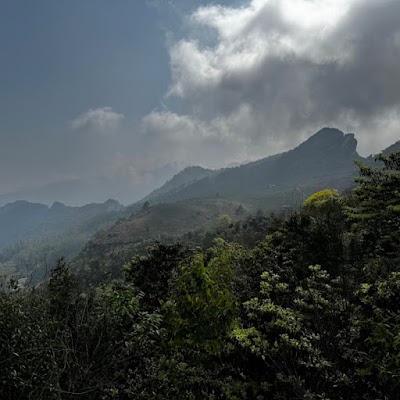
Then climb up to Ham Rong, the flower-covered hillside directly above town: orchid gardens, a stone garden, and a legitimate number of stairs. The name means Dragon's Jaw, and local lore says the whole ridge is a dragon lying across the skyline, so you're walking on its back.
The payoff is the easiest panorama of the valley you'll get all trip, no guide required, and you're looking at the terraces you'll walk tomorrow. Go in the afternoon and descend right at sunset. The light drops fast after four, and the terraces up top empty out in that last hour.
Tip: Climb the flower-lined paths above town past orchid and stone gardens to a panoramic terrace over the Sapa valley. Time your descent for sunset and bring a warm layer, since mountain wind picks up after 4pm.
Sapa Lake Square
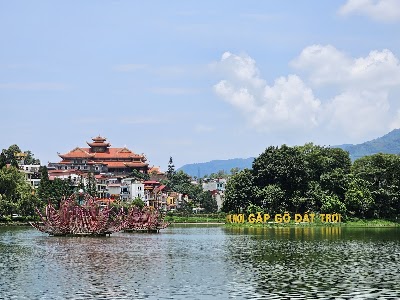
Evening belongs to the lake, Sapa's living room: one small lamplit lap of water ringed by plum trees and cafés. It's grilled corn smoke, cold air off the water, and Hmong vendors in indigo dress, all inside a single slow circuit.
That indigo is daily wear, not a costume. The vendors, the strollers, and the kids chasing pigeons are just the town being itself. Stalls only take cash, and after eight the crowd thins out enough to hear the lake. The quiet version is worth waiting for.
Tip: Circle the lamplit lake ringed by plum trees, where Hmong vendors in indigo dress sell handicrafts and grilled corn. Food stalls take cash only and the crowd thins after 8pm, perfect for an after-dinner walk.
Day 2
Today's the big walk: a swaying bridge into quiet villages, the golden terraces of Muong Hoa, and a waterfall finish in a Red Dao village.
View Point of Y Linh Ho Village
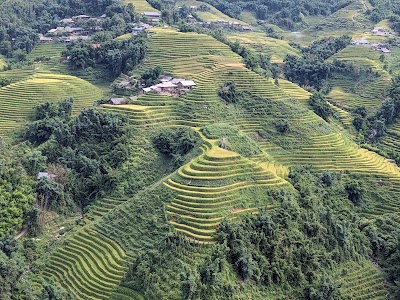
First, cross the suspension bridge over the Muong Hoa stream into Y Linh Ho, a Black Hmong hamlet on the flank most tour groups skip. The bridge bounces, the planks are slick, the stream roars underneath. Hold the cable and treat it as the entry fee.
Then the noise just stops: mist that smells like wet earth, terraces, and water buffalo commuting through it like you're not there. Start by eight, because you'll beat both the bridge line and the midday sun while the mist still runs the atmosphere.
Tip: Cross the suspension bridge over the Muong Hoa stream into a quiet Black Hmong hamlet most tour groups skip. Start the walk by 8am to beat the line and bring a warm layer for the morning mist.
Mường Hoa Valley
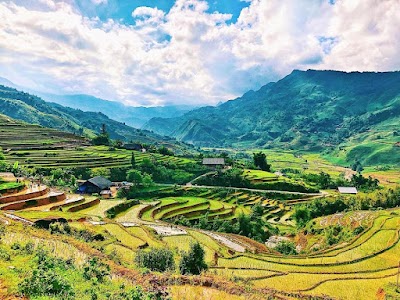
Then you're inside the postcard: Muong Hoa Valley, where generations of Hmong and Giay farmers turned entire valley walls into rice steps. You walk through the harvest itself, with rice straw smell, mud, and families cutting rice by hand while you snack on a banana.
The gold actually glows when low sun hits sideways, so pause somewhere on a ridgeline around three, when the terraces light up. Carry cash for the homestay lunches along the Lao Chai to Ta Van stretch. Bills, not cards, out here.
Tip: Trek the Lao Chai to Ta Van section through layered golden terraces glowing at their harvest peak. Book a guide and carry cash for homestay lunches; pause on the ridgeline around 3pm when low sun ignites the rice.
Giàng Tả Chải - Tả Van
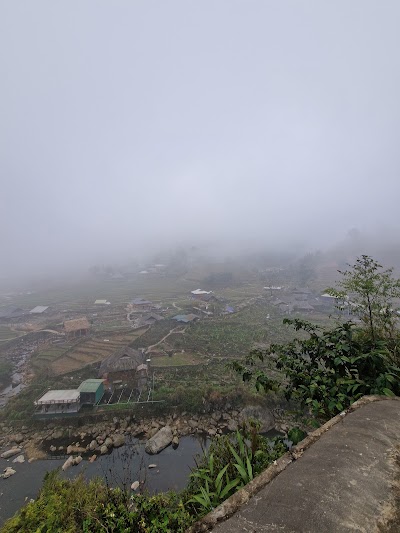
The loop finishes past bamboo forest at Giàng Tả Chải, a Red Dao village perched above a waterfall: different people, different colors. You'll spot the Red Dao by their red headwear; they're the valley's herbal bath keepers, and wood smoke hangs over the whole village.
The handmade footbridge over the white water is the finale. It moves more than you do, which rebuilds humility fast. Arrange your taxi or motorbike shuttle back from the Ta Van bridge before you cross, because the ride home is the part that needs planning.
Tip: Follow the rattan bridge section past bamboo forest to a Red Dao village perched above a waterfall. Arrange the transfer back to Sapa by taxi or motorbike shuttle in advance from the Ta Van bridge.
Day 3
Last day goes big: a cable car over the terraces, Vietnam's rooftop, and a windy farewell at the country's highest road pass.
Cable Car Station – Sun World Fansipan Legend
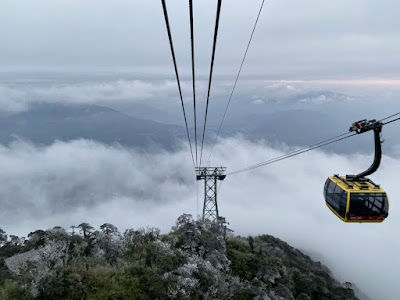
Fansipan used to be a two-day climb; now a record-holding cable car glides you over autumn terraces to a near-summit station in minutes. Humanity conquered the mountain, then installed a moving room with windows, and you'll float past hikers who chose the hard version.
Autumn mornings often hand you a cloud sea under the peak, so going early buys the view, not just shorter lines. This is the one booking that matters: prebook online and be at the gate before eight, because weekend queues can run past an hour.
Tip: Board the record-holding cable car gliding over autumn terraces to the near-summit station. Prebook tickets online and arrive at the entry gate before 8am, when weekend queues can exceed an hour.
Fansipan
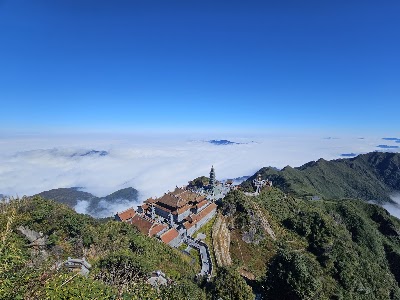
The top is Fansipan, 3,143 meters, Vietnam's highest point, now crowned with temples and a giant Buddha rising out of the clouds. It looks like a Himalayan film set: prayer flags snapping, a bell tolling on the wind, and nothing but white in every direction.
It's winter up here while town sits mild, so wear every layer you packed, and yes, someone will be in flip-flops. Altitude makes the final stone steps harder than they look, so climb slow and expect a polite scrum at the summit marker.
Tip: Ride the funicular and climb the stone steps to Vietnam's rooftop at 3,143m, where summit temples and the giant Buddha rise above the cloud sea. Bring a warm layer and cash for the funicular ticket.
Sapa Heaven Gate
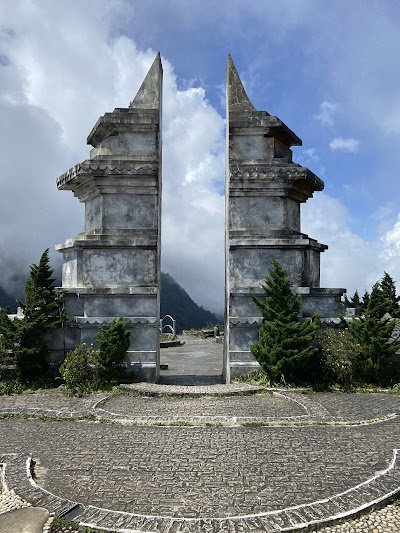
On the drive out, the road crosses Tram Ton, Vietnam's highest road pass at around 1,900 meters, marked by a gate called Heaven Gate. It's a pull-in with a full view: clouds racing the ridgeline, valleys dropping away on both sides, and wind you have to lean into.
The name promises heaven and the wind delivers a free exfoliation, so hold onto your hat, your phone, and your dignity. You drive past it on the way down anyway, so stop for the soft late light across Fansipan's flanks. A fitting last look.
Tip: Drive the winding road through Tram Ton, Vietnam's highest road pass at roughly 1,900m, for sweeping views across Fansipan's flanks. Hire a taxi for the transfer and keep a warm layer on; the pass is notoriously windy.
What to book ahead
- Book Hanoi-Sapa transfer (3-4 weeks ahead) - Sleeper train or limousine van; weekend seats sell out fastest in harvest season.
- Prebook Fansipan cable car tickets (1-2 weeks ahead) - Online tickets skip the weekend gate queue and bundle the summit funicular.
- Reserve Ta Van or valley homestay (2 weeks ahead) - Golden-terrace season fills Giay and Hmong family homestays quickly.
- Hire a licensed trekking guide (Confirm day before) - Required on some Muong Hoa sections and unlocks village access and lunch stops.
- Check Bac Ha market date (When fixing itinerary) - Sunday-only market; reserve a bus seat in advance if adding it on.
What to pack
Essentials
- Layered warm clothing - Autumn mornings sit at 12-15°C and the Fansipan summit runs 10°C colder than town.
- Broken-in trekking shoes - Muong Hoa trails turn muddy and slick on terrace banks during harvest.
- Rain shell - Quick mountain showers roll through the Hoang Lien range even on clear autumn days.
- Cash in small notes - Village homestays, funicular tickets, and food stalls rarely accept card.
- Sunscreen and hat - UV is strong at altitude and the valley offers little shade on ridge sections.
Nice to have
- Trekking poles - Eases the steep descent from Y Linh Ho into the Muong Hoa valley floor.
- Power bank - Long photo days on the trail with no reliable charging points.
- Motion-sickness tablets - The Hanoi sleeper transfer and Fansipan pass hairpins are winding.
- Dry bag for electronics - Protects camera gear from mist and sudden rain on suspension bridges.
Final take
Sapa packs an unreasonable range into one ridge: golden rice, village smoke, and a summit floating above the clouds, and it all fits in three days.
Plan this trip
Turn this guide into an editable trip plan
Open the route in Instaboard, adjust the stops, and share the itinerary with your travel group.