Travel Guide
Sapporo 3-Day Winter Itinerary: Markets, Snowy Sights, Beer Museum & Night Views
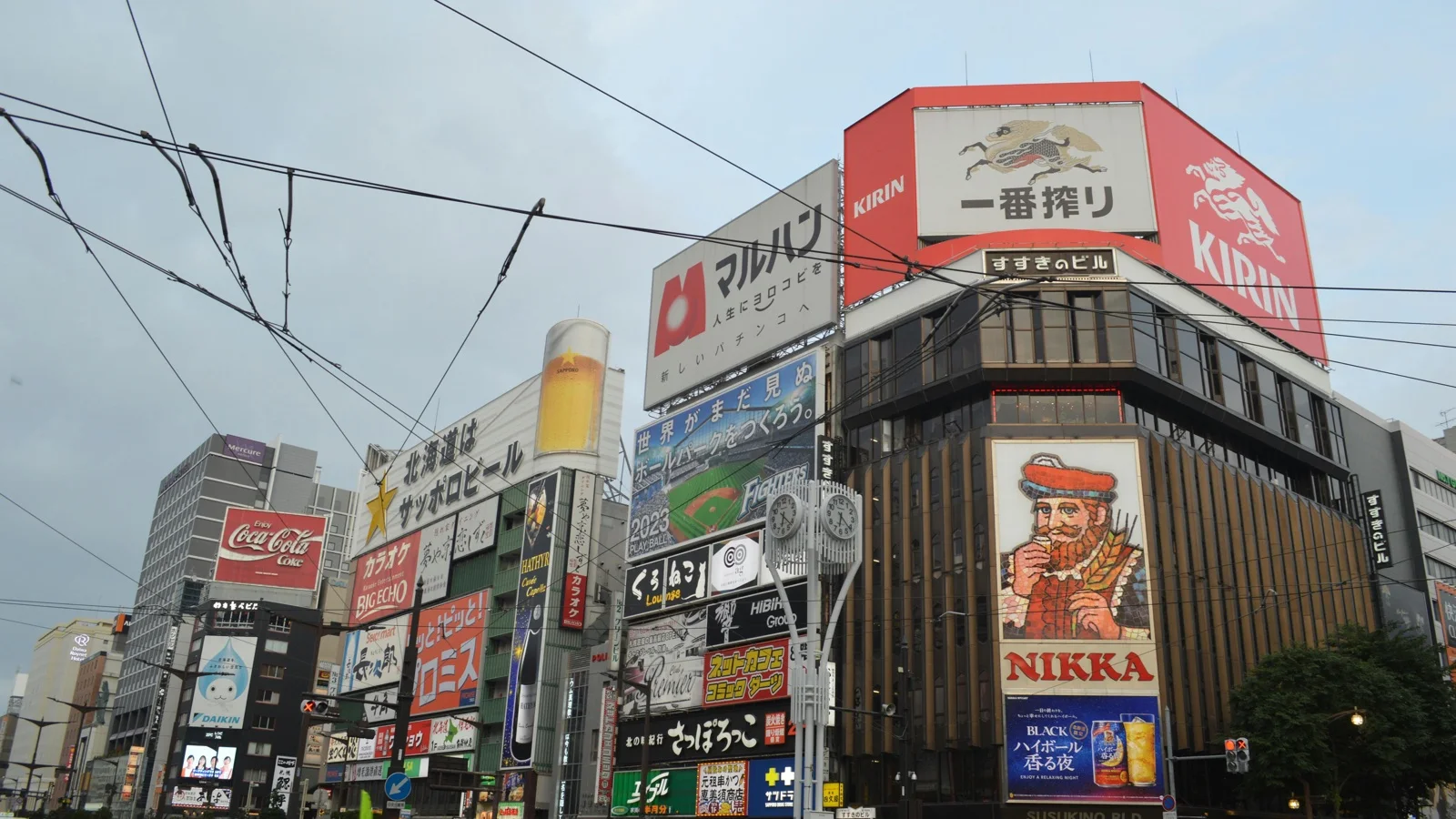
Want the editable version of this route?
Open the Instaboard template and adapt stops, timing, and notes to fit your trip.
Sapporo in winter is where seafood breakfasts, underground city life, and snow-bright streets all somehow belong together. Do this well and it feels crisp, roomy, and oddly cozy; do it badly and you're just cold, underfed, and looking at the wrong things.
This itinerary works best as a winter city break: short hops, covered passages, open snowy views, and regular excuses to stop for something warming.
Day 1
First, get Sapporo at street level: breakfast at the old market, the underground survival system that explains winter life here, then a park that shows why downtown feels so unusually open.
Nijo Market
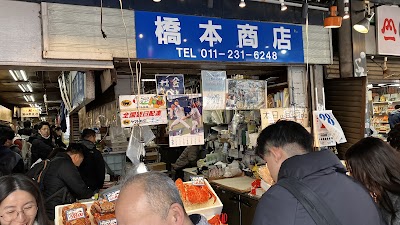
Nijo Market is the older market side of central Sapporo, and the point is the meal more than some giant cinematic market scene. Come in the morning because breakfast is really why this place works, with bright seafood cases and people acting very normal about excellent fish.
The mood is half wet winter air outside, half heated room inside, then a bowl of seafood quietly fixing your outlook. It also tells you something useful fast: Sapporo is not just a snow backdrop, it's a working city with serious food habits.
Tip: Start with a seafood breakfast or donburi; arrive early for the freshest counters and shorter queues, and dress in easy-to-remove layers for heated interiors.
Chi-Ka-Ho (Underground Passageway )
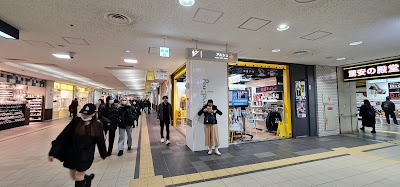
Chi-Ka-Ho is the underground passage linking central Sapporo, and for a first-timer it explains how the city actually functions in winter. This is not grand sightseeing; it's practical urban life done well, with coffee smells, pop-ups, polished floors, and everybody sensibly avoiding the wind.
The passage turns a transfer into part of the city's personality instead of dead travel time. Mid-morning feels better than rush hour, when it reads less like commuter tunnel and more like advanced mall navigation with civic purpose.
Tip: Use the underground passage to stay warm while moving between Sapporo Station and Odori; look for pop-ups and coffee stands, and use lockers if you want to shed bulky gear.
Odori Park
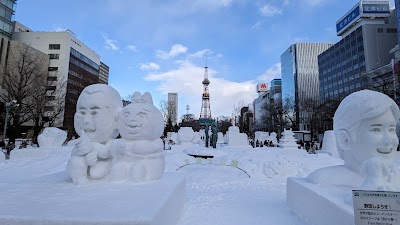
Odori Park is the long civic strip through central Sapporo, the easiest place to understand the city's scale in one walk. What stands out is the space: snow underfoot, towers at the edges, traffic nearby, and this broad white corridor holding it all together.
In winter it feels less like a lounging park and more like a stage set for weather, lights, and determined pedestrians. Afternoon suits it because the light is kinder, and clearer central paths make the walk feel less like a debate with your footing.
Tip: Stroll the Odori Park corridor for winter installations and skyline views; in snow, choose grippier footwear and take the center paths for easier footing.
Day 2
Day two is Sapporo getting oddly good at modest landmarks, stately brick, and a beer story that makes the city's name feel more grounded.
Sapporo Clock Tower
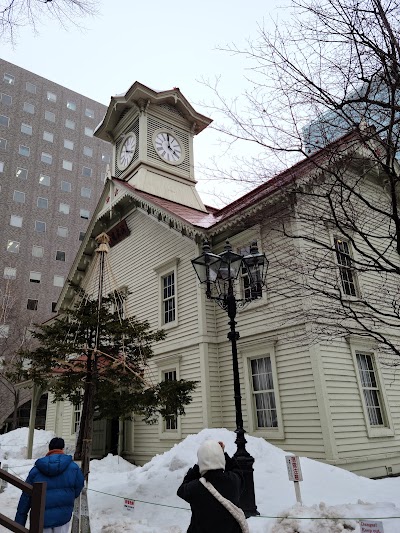
The Sapporo Clock Tower is an early modern landmark in the middle of downtown, famous partly because people keep expecting something much bigger. That is also why it's interesting: the building is small, wooden, and almost politely outmatched by the modern city around it.
Inside, the scale stays compact, so treat it as a quick historic punctuation mark rather than the emotional climax of your trip. Morning helps here, when fewer people are crowding around a very small subject and you spend less time checking you found the right building.
Tip: Go right at opening or on a weekday for fewer tour groups, and keep gloves handy since the area can be windy.
The Red Brick Building: Former Hokkaido Government Main Office
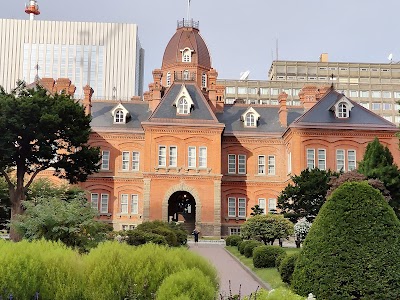
The former Hokkaido Government Main Office gives central Sapporo some frontier-era seriousness, with red brick and formal symmetry against a modern business district. At first glance it reads almost European, which is exactly why it lands so differently from the glass-and-concrete city around it.
Snow helps this stop because the grounds go quiet, the brick stands out harder, and the whole scene looks more deliberate. Focus on the exterior first; if interior access matters to you, treat that as a bonus rather than the whole reason to come.
Tip: Arrive mid-morning for brighter light and fewer buses, and stick to cleared paths after snowfall to avoid slick ice.
Sapporo Beer Museum
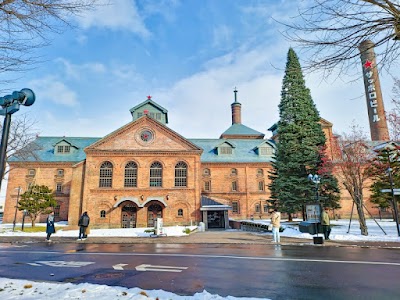
The Sapporo Beer Museum is where the city name stops being branding and starts reading as local industry, climate, and everyday identity. It is one of those pleasingly honest museums where the history and the reward system are in suspiciously close alignment.
Brick interiors, brewing imagery, and that warm malt-heavy atmosphere make this a good afternoon shift after architecture and photo stops. If you want a tasting or special add-on, check that before you go, because the museum itself is not huge and the extras shape the visit.
Tip: Reserve or pre-plan any tasting experience if offered, and aim for mid-afternoon to avoid peak post-lunch crowds.
Day 3
The last day leans playful, then quiet, then properly dramatic: sweets, shrine calm, and a night view that finally shows Sapporo's full scale.
Shiroi Koibito Park
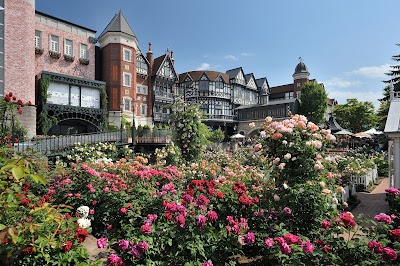
Shiroi Koibito Park is a chocolate-themed attraction built around a famous local sweet, and yes, it is more theatrical than it strictly needed to be. What makes it work is how completely it commits: decorative facades, sweet air, warm interiors, and winter outside making the whole thing feel even more staged.
It matters for a first trip because Hokkaido's dairy-and-snack reputation shows up here in a way that's actually easy to enjoy. Go earlier if workshops matter to you, because later on the family traffic and popular hands-on bits start feeling noticeably tighter.
Tip: Book ahead if you want workshops, and go earlier to enjoy outdoor lights before crowds build.
Hokkaido Jingu
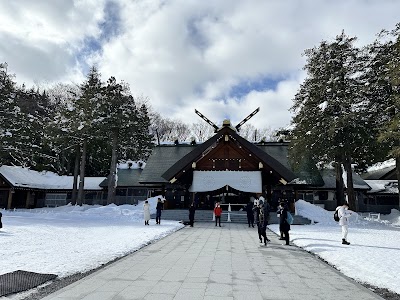
Hokkaido Jingu is a major shrine set in wooded grounds, and it gives Sapporo a quieter, more ceremonial side than downtown ever does. The real appeal is the approach: snow-muted paths, cold air, a bit of hush, then the shrine arriving gradually instead of all at once.
It works so well in winter because the snow strips away distraction and makes the whole place feel more solemn than scenic. Leave time to walk it properly; rushing in for one gate photo misses the point of why this stop feels different.
Tip: Keep hands warm for photo stops, and time it for daylight to appreciate the snowy approach through the grounds.
Mount Moiwa Ropeway Entrance
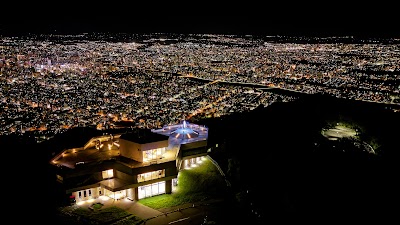
Mount Moiwa's ropeway is the classic big-view finish, where Sapporo suddenly spreads out below you and stops pretending to be modest. The ascent matters almost as much as the top, because the cabin ride turns a viewpoint into an actual event.
On a clear evening, the city lights below look almost circuit-board neat, with snow and darkness making the grid stand out even harder. Prioritize visibility over stubborn scheduling, and yes, this is where one extra warm layer stops feeling theoretical.
Tip: Go after sunset when skies are clear, dress for wind on viewing platforms, and consider an earlier slot if you want dinner afterward.
What to book ahead
- Reserve dinner at Sapporo Beer Garden (2-7 days before) - Winter evenings fill up; book a time that matches your museum pacing.
- Book Shiroi Koibito Park workshop/tour slot (3-10 days before) - General entry can be flexible, but workshops often require advance booking.
- Check Mount Moiwa visibility window (Day of (morning)) - Pick your ropeway evening based on cloud cover and wind; swap with indoor time if needed.
What to pack
Essentials
- Waterproof insulated boots - Sidewalks can be icy or slushy; warm, grippy footwear matters most in winter.
- Thin gloves + warm mitts - Layering keeps hands functional for photos while staying warm in wind.
- Compact umbrella or hooded shell - Snow can turn wet quickly; a shell keeps you dry between indoor stops.
- Heat packs (kairo) - Easy warmth for evening views and longer outdoor walks.
Nice to have
- Traction cleats - Helpful after fresh snow or refreeze days when sidewalks get slick.
- Thermos bottle - Hot tea or coffee is a comfort boost between photo stops.
- Camera cloth - Snow mist and condensation can fog lenses when moving indoors.
Final take
Sapporo's trick is that it feels practical and wintry right up until it slips in a perfect meal, a quiet shrine path, or a huge night view.
Plan this trip
Turn this guide into an editable trip plan
Open the route in Instaboard, adjust the stops, and share the itinerary with your travel group.