Travel Guide
3 Days in Sendai: Castle Ruins, Pine Islands & Mountain Temples
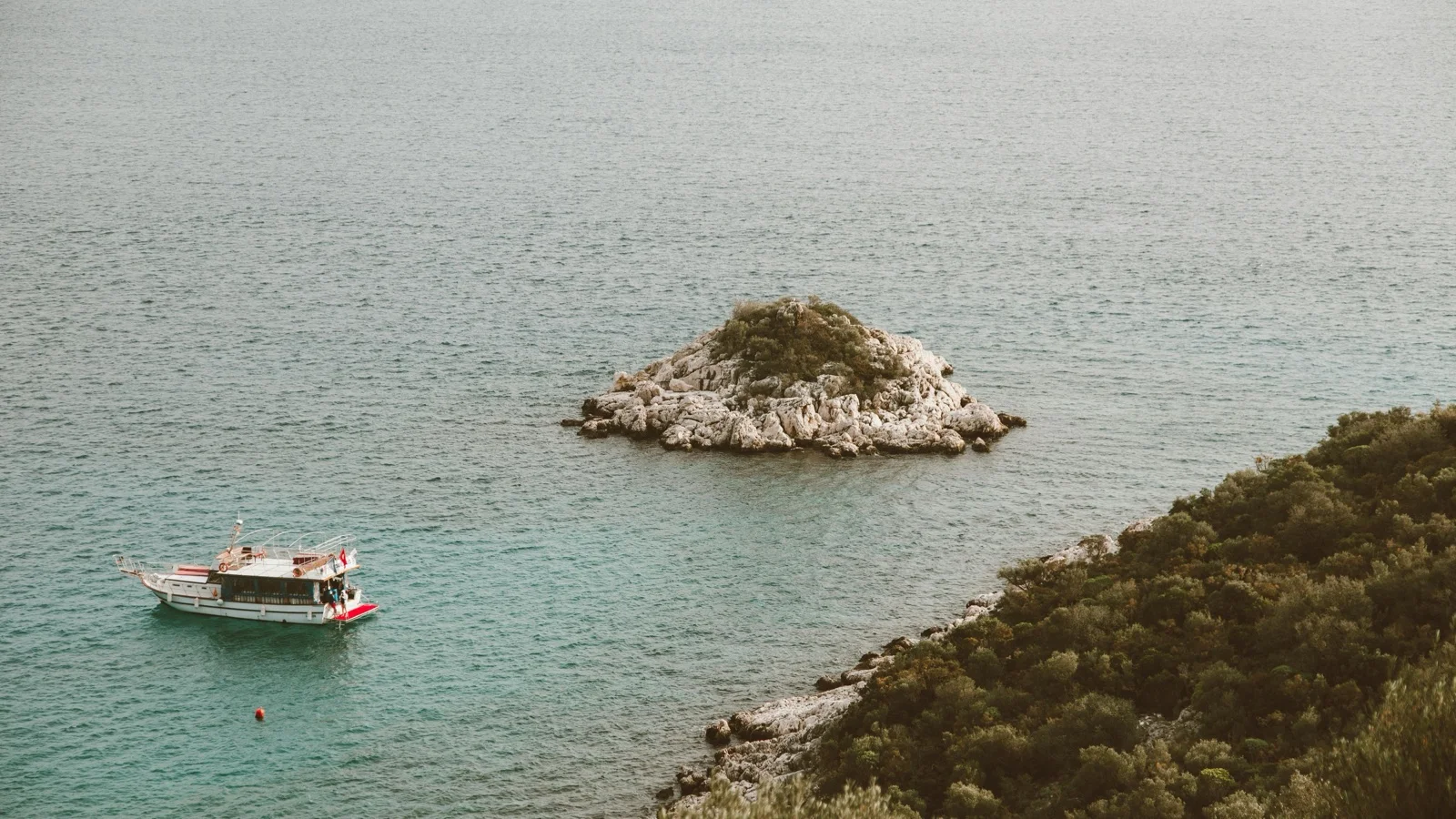
Want the editable version of this route?
Open the Instaboard template and adapt stops, timing, and notes to fit your trip.
Sendai is the city a one-eyed warlord built, and nobody seems to mention that part. You show up unprepared and you'll miss the guy who put this entire place on the map.
Summer here means warm days, some humidity, and if your timing's right, the Tanabata Festival in August.
Day 1
Day one is your Date Masamune introduction: the castle ruins, his tomb, then the avenue where the city exhales.
Sendai Castle Ruins (Aoba Castle Ruins)
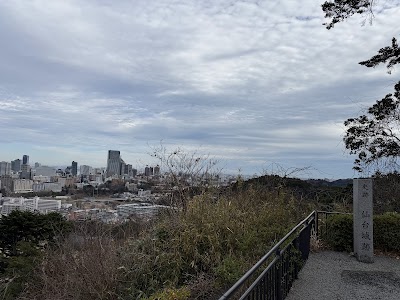
Sendai Castle Ruins is where you meet the city's founder on horseback, still staring down at the place he built. Date Masamune lost an eye to smallpox as a kid and became the One-Eyed Dragon, and he deliberately skipped building a castle keep to avoid provoking the shogunate.
Most of the original structure got bombed flat in WWII, so you're here for the panoramic views and that 17-meter stone wall, not intact architecture. Come early before the tour buses and you'll get the statue and the shot with the mountains behind you mostly to yourself.
Tip: Arrive early before tour buses to get the statue and panoramic shots to yourself. The views are the payoff, not the ruins.
Zuihōden (Mausoleum of Date Masamune)
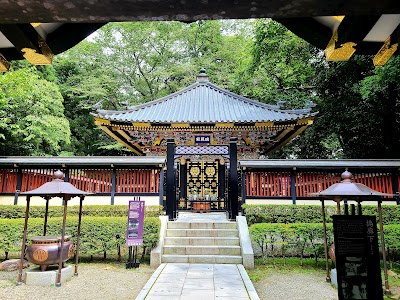
Zuihoden is Masamune's mausoleum, tucked into cedar forest with carvings that pop against the dark wood. The original burned in WWII, but archaeologists found his writing materials and incense burners before the 1985 rebuild, so you're seeing something grounded in what was actually here.
Those cedar paths muffle the city completely; the whole place feels removed from modern Sendai even though you're still in town. The Loople bus connects here from the castle because this is the second half of Masamune's story: morning you met the warrior, afternoon you see where he rests.
Tip: Ride the Loople bus from the castle ruins. The cedar-lined paths make this the quieter second half of the Masamune story.
Jozenji-dori Avenue
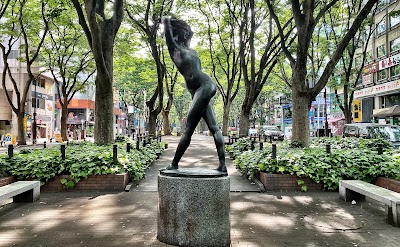
Jozenji-dori is 160 zelkova trees forming a canopy over the street where Sendai actually lives. This is the main stage for Tanabata in early August: over two million people, paper streamers everywhere, and the whole city walking underneath them.
Summer evenings here feel like the city's slowing down after work. Light through the leaves, people on benches, the pace shifts. If you're here during the festival, show up before nine in the morning or you'll be photographing the back of someone's head all day.
Tip: During Tanabata in early August, arrive before 9am to avoid massive crowds. Summer evenings are the best time to walk the full stretch.
Day 2
Day two is Matsushima: 260 pine-covered islands, a Zen temple with painted doors, and a tiny temple on its own island.
Matsushima Bay
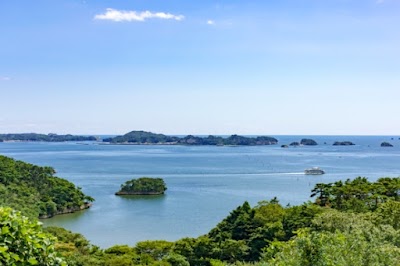
Matsushima Bay is one of Japan's official Three Views, a list from the Edo period, so this place has been famous for centuries. Over 260 small islands, each topped with pines, scattered across calm water like someone dropped a massive bonsai collection.
From the boat deck, islands pass slowly on both sides and the pine scent mixes with sea air. This is a bay, not open ocean, so the water stays calm. Morning boats are quieter and the light is better; grab one with an open deck and stake out a railing spot early.
Tip: Take a morning boat with an open deck and grab a railing spot early. Calm water and better light make the early departure worth it.
Zuiganji Temple
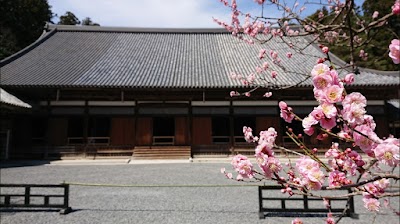
Zuiganji is the Zen temple Masamune rebuilt in 1609, with National Treasure status, painted sliding doors, and a history stretching back to 828. You walk through the main hall on a circular route, and no photos inside means you're actually looking at the rooms instead of photographing through them.
The approach used to be lined with cedars, but salt water from the 2011 tsunami killed a lot of them. It is still worth the walk. Arrive by late afternoon because the temple closes early, and the museum across from it has Date clan artifacts including a wooden statue of Masamune in armor.
Tip: Arrive before 4pm as the temple closes early. The museum across the path has Date clan artifacts including a wooden armored statue of Masamune.
Godaido of Zuiganji Temple
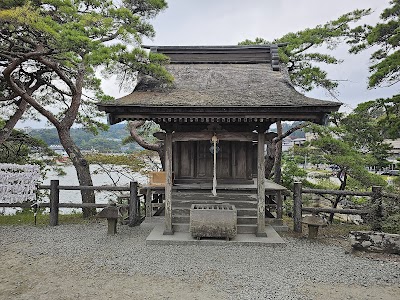
Godaido is the tiny temple on its own island, connected by red bridges: the classic Matsushima postcard shot. Those bridges have gaps in the planks so you can see the water below, which is supposed to sharpen your senses.
The temple itself is small. You're here for the view back toward the bay and the quiet of being slightly isolated from everything else. Twenty minutes is enough for the whole thing, and it's a good wind-down after the boat and the main temple.
Tip: Twenty minutes covers the whole visit. Cross the red bridges carefully, as the gaps in the planks show the water below.
Day 3
Day three is the physical day: Yamadera's thousand steps up a mountain, then an easy city view to finish.
Risshaku-ji Temple (Yamadera)
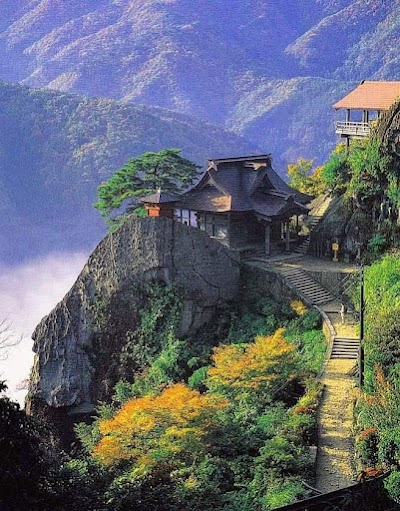
Yamadera means mountain temple, and it's accurate: 1,015 stone steps up to buildings clinging to cliff faces over the valley. The Kaisando Hall and that little red Nokyodo building hang over the edge, and that's the shot everyone climbs for.
Start by nine in the morning to beat the midday heat and school groups. The climb takes about an hour up, less coming down. No funicular, no shortcuts. The monks built this for commitment, and your legs will understand their philosophy by the top.
Tip: Start climbing by 9am to beat heat and crowds. Wear layers, bring water, and expect about an hour up and less coming down.
AER Observation Terrace
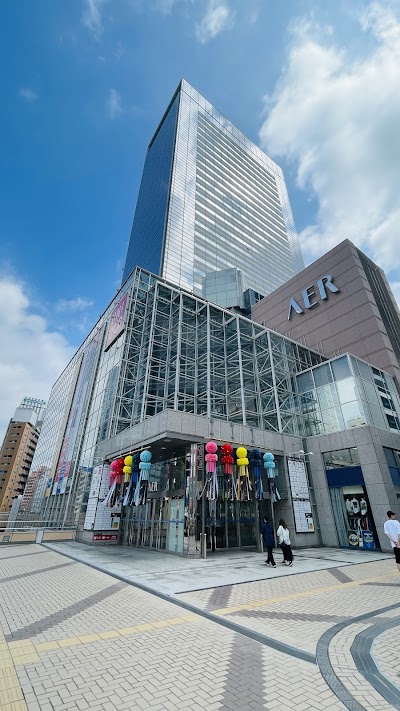
Back in Sendai, the AER Observation Terrace is a free 360-degree view from the 31st floor, right next to the station. One terrace faces west toward the mountains, the other east toward the Pacific on clear days. You get both.
Show up thirty minutes before sunset, watch the city turn gold, then stay for the lights coming on across the skyline. You spent the morning climbing for a view; now you take an elevator and get the same payoff.
Tip: Arrive 30 minutes before sunset for golden-hour views over the mountains. It's free, and you get both west and east terraces.
What to book ahead
- Matsushima Bay cruise tickets (1-2 weeks before) - Book morning cruises in advance during summer; popular time slots sell out
- Sendai accommodation (4-6 weeks before) - Book early if traveling during Tanabata Festival (August 6-8); hotels fill quickly
- Yamadera train tickets (1 week before) - Consider JR Pass or book reserved seats on the Senzan Line for comfort
- Fox Village tickets (3-5 days before) - If adding Zaō Fox Village as alternative, book online and confirm bus schedule
What to pack
Essentials
- Comfortable walking shoes - Required for Yamadera's 1,015 stone steps and temple grounds exploration
- Light layers - Mountain temperatures at Yamadera can be cooler than the city; dress in layers
- Sun protection - Summer sun is strong; essential for boat cruises and outdoor temple visits
- Umbrella or light rain jacket - Summer can bring sudden showers; compact umbrella recommended
Nice to have
- Yukata - If visiting during Tanabata Festival (August 6-8), enhance your festival experience
- Camera with zoom lens - Capture distant bay views from temple grounds and panoramic shots from castle ruins
Final take
Three days of warlords, islands, and stairs. Sendai gives you history, nature, and a real reason to stretch your legs.
Plan this trip
Turn this guide into an editable trip plan
Open the route in Instaboard, adjust the stops, and share the itinerary with your travel group.