Travel Guide
Shanghai in 3 Days: Old City Gardens to Supertall Skyline (Spring Itinerary)
Want the editable version of this route?
Open the Instaboard template and adapt stops, timing, and notes to fit your trip.
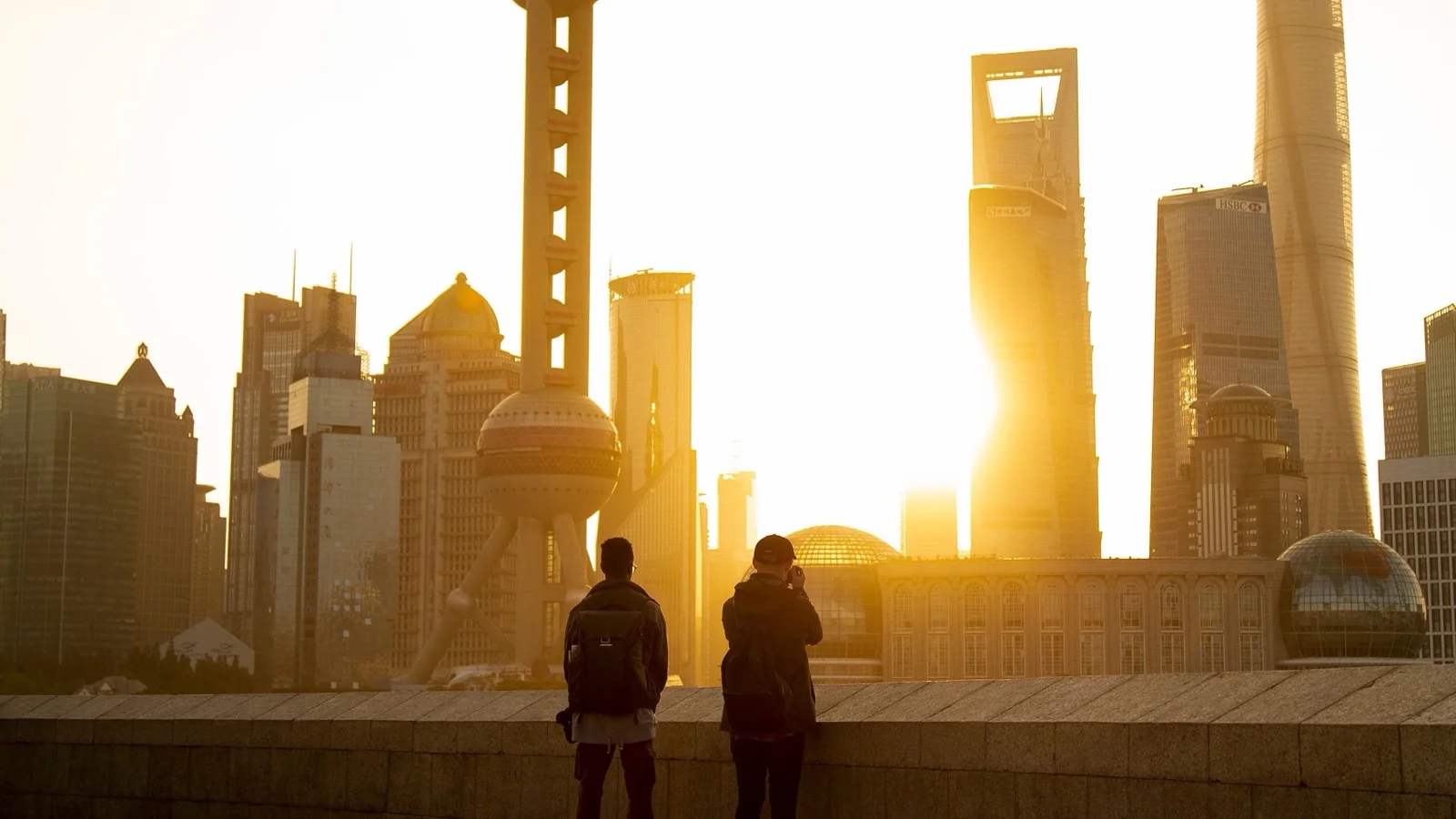
Shanghai is where a 1920s colonial waterfront and a forest of supertalls stare at each other across a river, and neither blinks first. Three days is genuinely tight here, because Shanghai quietly rewards knowing which hour to show up and punishes the ones who guess wrong.
Think of this as three different cities stacked on top of each other: old lanes, the Pudong skyline, and the leafy French Concession. Spring is when all three cooperate with you.
Day 1
Day one starts at the city's civic center and walks south into the old town, where a four-hundred-year-old garden sits next to a dumpling queue with its own folklore.
People's Square
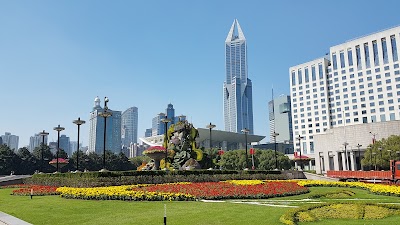
People's Square is Shanghai's geographic center, the point the city measures itself from, and where day one starts because everything fans out from here. The plaza sits on what used to be the Shanghai Racecourse; the track is gone, and the betting energy migrated straight into the property market.
Weekends, People's Park turns into the marriage market, where parents lay out their unmarried kids' stats on umbrellas and bargain like a boot sale. The metro interchange underneath is genuinely a maze, so lock in which exit you want before you surface, not after.
Tip: Take the metro to People's Square and arrive before weekend crowds swell the plaza; scope out the Shanghai Museum entrance so you can return later if rain hits.
Yu Garden
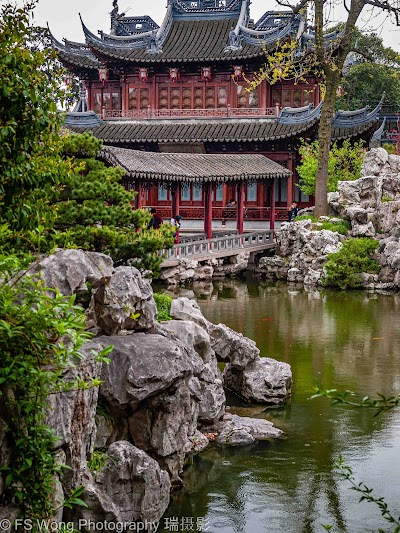
Yu Garden is the postcard Shanghai people picture: classical pavilions, a zigzag bridge, koi ponds, and tiled roofs, built in 1559 as a Ming official's private retreat. That zigzag bridge isn't decorative. Legend says evil spirits only move in straight lines, so you're architecturally outmaneuvering ghosts on the way across.
Timed entry here is genuinely enforced, not optional, so book the earliest slot you can stomach, because the crowds go from empty to gridlocked by lunchtime. Do the garden first and the bazaar after. Reversed, you arrive peak-crowded and grumpy, and the garden deserves better than that.
Tip: Be at the Yu Garden gate right at the 9am opening to beat tour-bus queues; prebook your ticket online for a small discount and skip the entry line.
Yuyuan Old Street
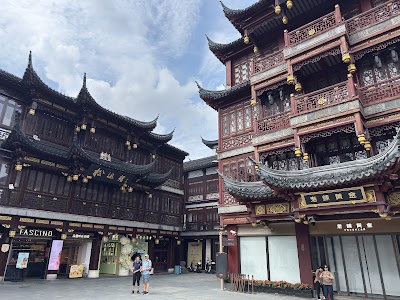
Right next door, Yuyuan Old Street is where you go from looking at history to eating inside it: recreated Ming-Qing lanes, red lanterns, and more snack stalls than your stomach can process. Be honest with yourself: most of the architecture is a recreation, not a surviving Ming street, a heritage-themed mall built on genuinely old bones.
The xiaolongbao stalls here are famous enough to have their own queues, and people wait an hour for a basket then photograph it like a trophy. Mobile pay is near-universal but carry some cash backup, and eat standing up. Seating is scarce, contested, and frankly part of the fun.
Tip: Graze the snack stalls along Yuyuan Old Street after the garden; carry cash since some vendors won't take a card, and expect peak crowds right after lunch.
Day 2
Day two goes up: China's tallest building in the morning, the retro-futurist TV tower that preceded it in the afternoon, and the river between them at dusk.
Shanghai Tower
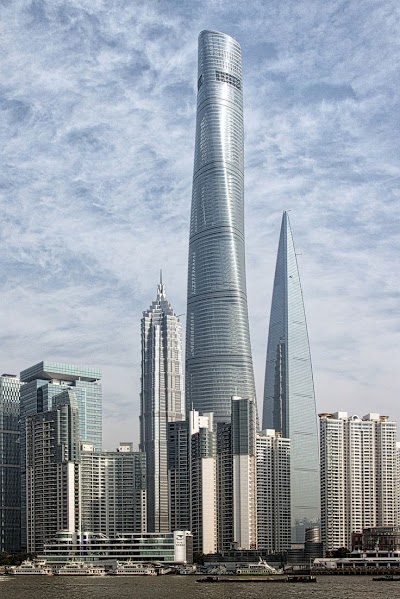
Shanghai Tower is the building you can see from everywhere, and the one place you go to see everywhere from: a 632-meter twisted spike over Pudong. It twists 120 degrees from base to top, because a straight building this tall would take about a quarter more wind load. It's engineering showing off, but for a reason.
The elevator to the deck is one of the fastest in the world, and on a clear morning the city runs to the horizon; on a hazy one, it vanishes into a white wall. Haze is the silent killer of this visit, so check the visibility forecast the night before and swap days if it's bad. A grey view wastes the ticket.
Tip: Book your Shanghai Tower observation-deck ticket in advance online to skip the entry gate line; clear mornings give the sharpest 360-degree skyline shots before haze builds.
Oriental Pearl TV Tower
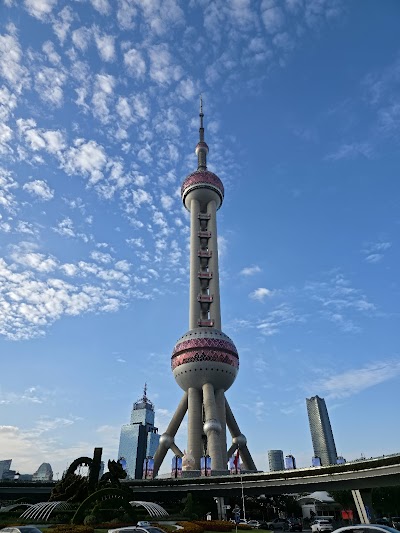
A short walk away, the Oriental Pearl is the pink-spired TV tower on every Shanghai tea towel, the silhouette the city was known for before the supertalls muscled in. Built between 1991 and '94, it was China's tallest until newer towers rose around it. It went from cutting-edge to charmingly dated inside a single generation of skyscrapers.
The glass-floor module, 250-odd meters up, is the moment people either love or deeply regret; there are solid-floor points if your nerves disagree. Bring a layer for the interior; the air-conditioning runs cold enough to preserve meat, regardless of the season outside.
Tip: Reserve a timed Oriental Pearl slot to dodge the long afternoon queue; the glass-floor deck thrills, but the A/C runs cold inside so layer up.
Huangpu River Cruise
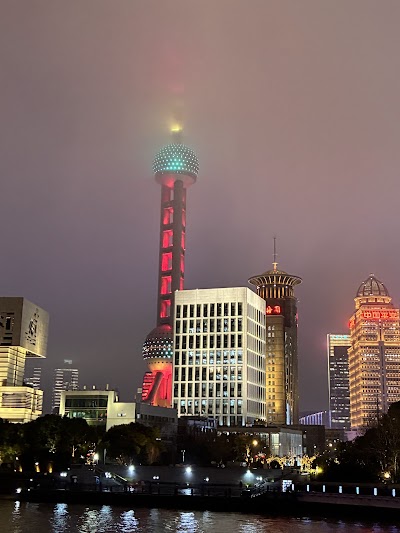
The Huangpu cruise is the shot you came for: the colonial-era Bund on one bank, the Pudong towers on the other, and from the water you finally see why Shanghai looks the way it does. The river is why Shanghai exists at all, the trade artery that turned a fishing town into the 'Paris of the East,' with concession waterfront on one side and farmland on the other until the nineties.
Sunset departures catch the moment the Pudong lights switch on at dusk, a city-wide coordinated light show, and from the deck you get front-row seats to the whole skyline turning on at once. Prebook the early-evening slot because sunset departures sell out, and grab bow-side railing on the Bund-facing edge. Bring a windbreaker even in spring.
Tip: Board a sunset Huangpu River cruise from the Bund piers; prebook the early-evening departure for the best lit-up skyline framing as the towers switch on.
Day 3
Day three dials it down: a gilded temple older than everything around it, then the slow-coffee streets of the French Concession, ending in restored lane houses after dark.
Jing'an Temple
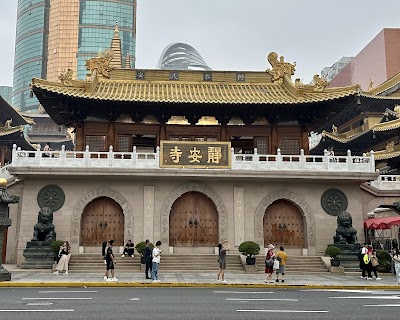
Jing'an Temple is a gold-roofed Buddhist temple squatting in a traffic roundabout between two luxury malls and a metro interchange. That contrast is the whole Shanghai story in one block.
Its origins trace to 247 AD, older than most of what surrounds it by about seventeen hundred years: moved, rebuilt, trashed in the Cultural Revolution, and rebuilt again. Manage your expectations: much of what you see is modern reconstruction, not surviving ancient timber, authentic in lineage, not in fabric.
Go early. It opens around seven thirty and the first hour is incense-thick and quiet before tour groups arrive; the metro exits right underneath.
Tip: Arrive at Jing'an Temple for the 7am opening for incense-scented calm before tour groups descend; prebook an incense-blessing ticket online and pay the small cash entry fee at the gate.
Anfu Road
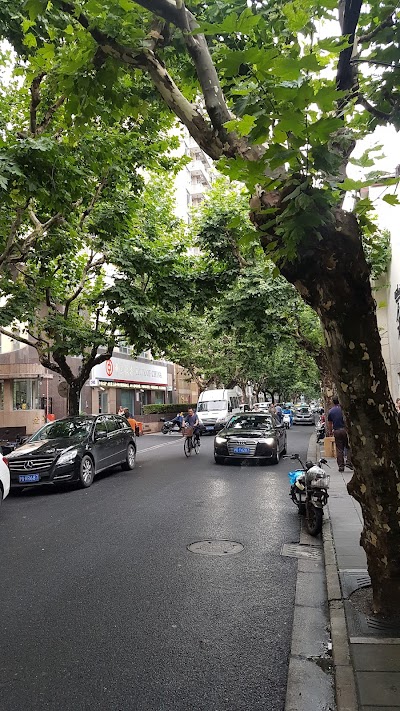
Down in the French Concession, Anfu Road is the street where you remember Shanghai is also just a livable city: plane trees, low lanes, independent cafes, and design shops that open when they feel like it. This is ground zero for Shanghai's specialty-coffee obsession, one of the densest cafe scenes in the world, and where the serious operators cluster.
The plane trees lining these streets were a concession-era planting a century ago, and the lanes behind hold shikumen houses and 1920s villas now quietly repurposed as galleries. Skip an early start. Most places open after ten, so arrive around eleven and let the cafes be breakfast, then wander one street back where the interesting stuff actually lives.
Tip: Stroll Anfu Road's cafe strip on foot; most shops' opening hours start after 10am, so skip an early start and ease into a slow specialty-coffee morning.
Xintiandi Style
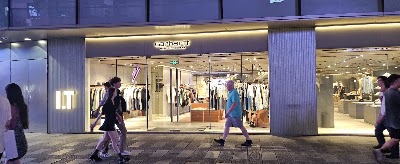
Xintiandi is where the city's stone-gate shikumen lane houses got rescued from demolition by being turned into a high-end open-air mall, because in Shanghai, heritage usually survives only once it pays its own rent. It's the original adaptive-reuse project other Chinese cities copied, and Communist Party history is literally next door: the First National Congress of the CCP site sits inside the district.
The whole place is designed for after-dark: brick underfoot, warm lantern light, terrace tables, and a crowd that dressed up to be here as much as to eat. Book a terrace table for the first hour after dark when the brick and lanterns photograph best, then walk the lanes behind the main drag: quieter, same architecture, fewer people.
Tip: Wrap up in Xintiandi with sunset drinks among restored shikumen lane houses; book a terrace table in advance on weekends when the best spots fill fast.
What to book ahead
- Shanghai Tower observation deck (2–3 weeks ahead) - Book a timed ticket online; weekend slots sell out first.
- Huangpu River sunset cruise (1 week ahead) - Reserve the early-evening departure for the best lit-up skyline framing.
- Oriental Pearl timed entry (1–2 weeks ahead) - Prebook to skip the long ground-level queue.
- Yu Garden ticket (A few days ahead) - Small online discount and faster gate entry.
- Jing'an Temple incense-blessing ticket (A few days ahead) - Prebook online to skip the morning entry queue.
- Gucun Park cherry blossom (Peak-bloom weekends) - Prebook during late March–mid April to avoid gate lines.
What to pack
Essentials
- Light layers - Spring evenings by the Huangpu drop cool; layer up for sunset cruises and open rooftop decks.
- Comfortable walking shoes - Old City lanes, garden paths, and French Concession streets add up to a full day on foot.
- Portable charger - All-day photos, maps, and mobile payments drain your phone fast across the sights.
Nice to have
- Compact umbrella - Spring showers are common in Shanghai; a small umbrella saves a soaked promenade walk.
- Cash (RMB) - Some Old City street stalls still prefer cash over mobile pay.
Final take
Three days here and you stop seeing Shanghai as a skyline and start seeing it as a city that's been rewriting itself every generation and somehow keeps its nerve.
Plan this trip
Turn this guide into an editable trip plan
Open the route in Instaboard, adjust the stops, and share the itinerary with your travel group.