Travel Guide
3 Days in Shirakawa-go: Japan's Thatched-Roof Fairy-Tale Village
Want the editable version of this route?
Open the Instaboard template and adapt stops, timing, and notes to fit your trip.
Picture a village of steep-thatched farmhouses wedged into a mountain valley so remote that for centuries, the rest of Japan basically forgot it existed. Shirakawa-go is small enough to wander in an afternoon, but the difference between a good visit and a great one is timing: arriving before the buses and knowing which houses to actually go inside.
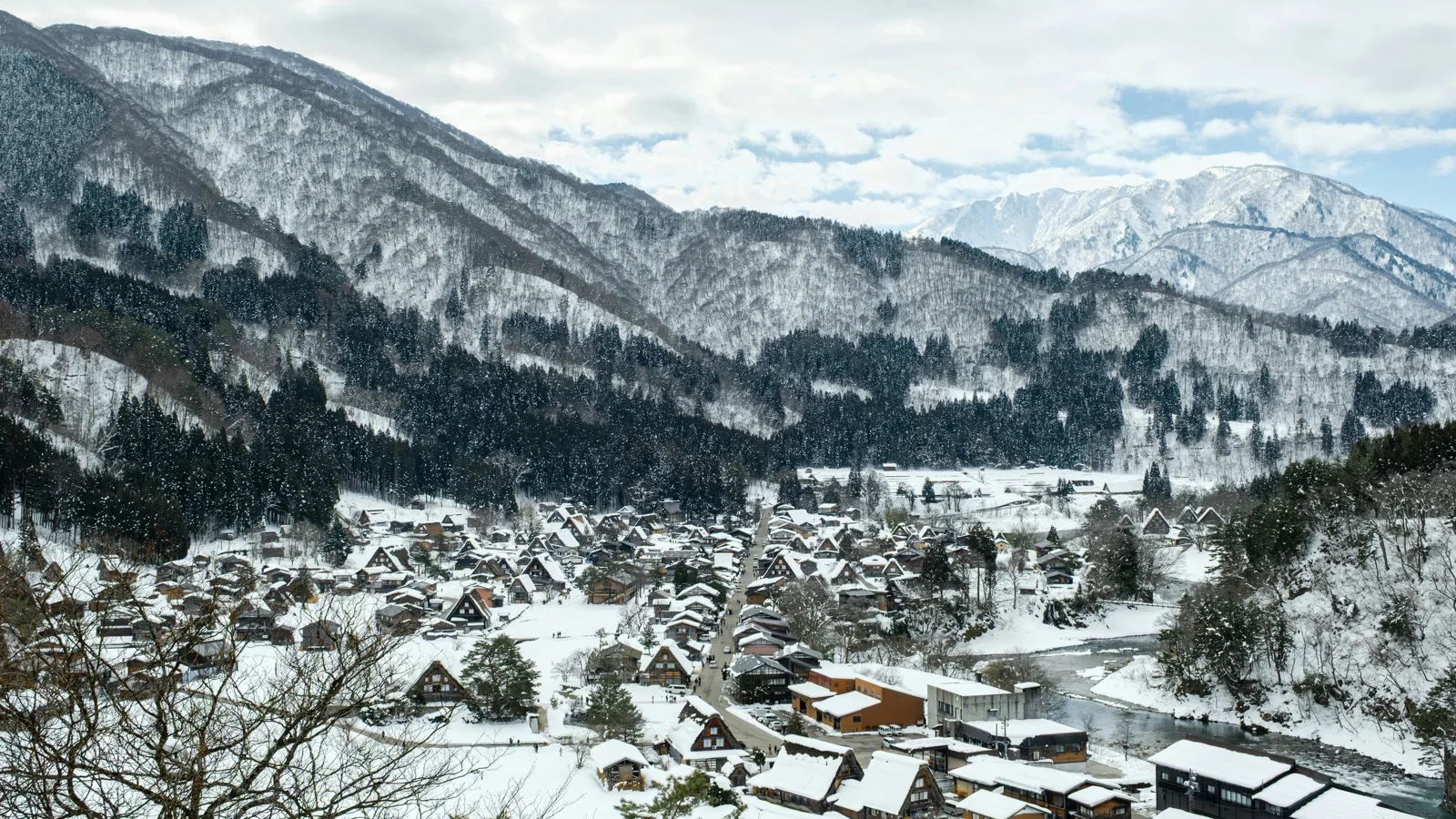
About an hour by bus from Takayama or Kanazawa, Shirakawa-go shifts with the seasons: iconic snow-covered roofs in winter, green mountain valleys the rest of the year.
Day 1
Day one: cross a swaying bridge into the village, walk among thatched-roof farmhouses, then step inside the largest house to see how this architecture actually works.
Deai Bridge
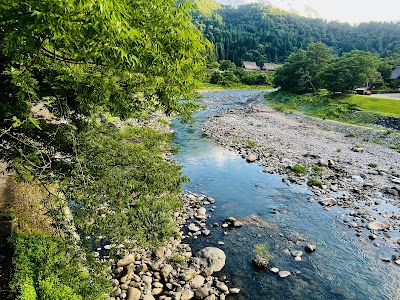
The entrance to Ogimachi is a 107-meter suspension footbridge over the Sho River. You cross it whether you planned to or not. It sways underfoot, barely wide enough for two people to pass, and halfway across you get your first unobstructed view of the thatched rooftops ahead.
Creaking cables, the river churning below, mountain air funneling through the valley. It's a better introduction than any visitor center. Get here early because by ten AM the tour buses arrive and this bridge turns into a slow-moving queue.
Tip: Cross the Deai Bridge suspension footbridge over the Sho River for a dramatic walk into Ogimachi village. Arrive early to beat the midday crowd and capture the river-mountain backdrop without people in your frame.
Ogimachi
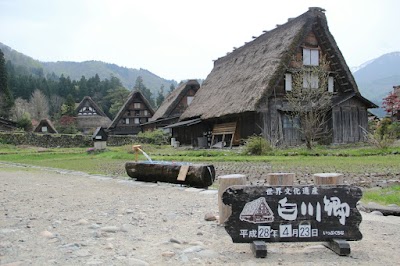
Ogimachi is Shirakawa-go: over a hundred gassho-zukuri thatched-roof farmhouses in an alpine valley, UNESCO-listed since 1995, and the reason you came. Gassho-zukuri means praying hands. The roofs pitch at sixty degrees so heavy snow slides off instead of collapsing the structure.
These villages were cut off for centuries, and residents survived on silk cultivation and gunpowder production, a very specific kind of mountain ingenuity. Slip into the side alleys because the crowd clumps along the central path and the quieter lanes give you a sense of how people actually live here.
Tip: Wander through the heart of Ogimachi village past over 100 gassho-zukuri thatched-roof farmhouses, rice paddies, and flower gardens. Walk the side alleys where the crowd thins out for the best photos.
Wada House
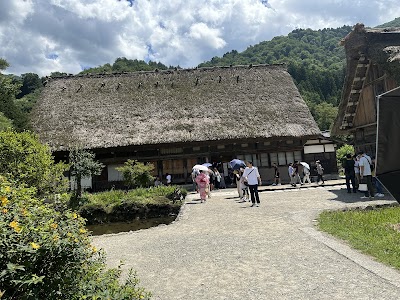
Wada House is where you go inside and finally understand what you've been looking at. It's the largest gassho-zukuri farmhouse in Shirakawa-go. The Wada family ran this village during the Edo period, funded by trading silk and gunpowder, cornering elegance and explosives simultaneously.
Climb the ladder-stairs to the attic and you see the massive timber frame holding up the thatched roof, no nails, just joinery. Shoes off at the entrance, a few hundred yen cash, and head up before three PM. The attic is the part worth your time.
Tip: Tour the Wada House, the largest gassho-zukuri farmhouse in Ogimachi and an Important Cultural Property. Pay the small cash entry fee at the gate and climb to the upper floors to see the ingenious roof structure up close.
Day 2
Day two starts on the hillside above the village for the panoramic shot, then comes back down to the tallest farmhouse and the village temple.
Shiroyama Tenshukaku Observation Deck
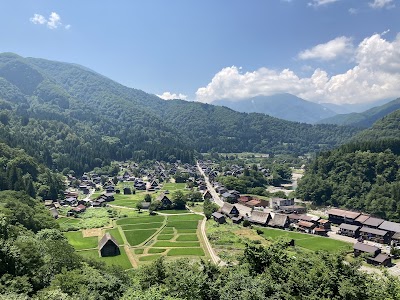
This hillside deck above the village is the shot that probably sold you on the trip: thatched roofs clustered below, mountains pressing in from all sides. The hill used to hold Ogimachi Castle, which no longer exists. The castle's entire legacy is now just a really good viewpoint.
January and February deliver the white rooftops against dark forest from every postcard, but winter light-up events draw massive crowds and require advance booking. Walk up instead of the shuttle because the forested path is quiet. Before nine AM you get soft light and barely anyone on the deck.
Tip: Climb or take the shuttle bus up to the Shiroyama Tenshukaku Observation Deck for the iconic panoramic shot of the entire village. Arrive before 9 AM to catch the morning light and avoid the tour bus crowd.
Nagase House
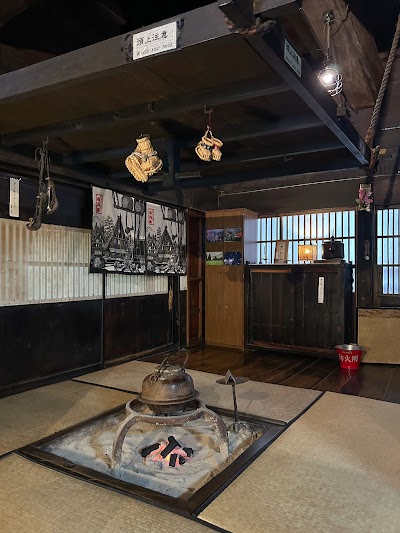
At five stories, Nagase House is the tallest gassho-zukuri farmhouse in the village. Walking through it feels like ascending a wooden pyramid. The lower floors are dark-timbered and low-ceilinged, but the top floor opens up where the full roof structure is exposed and light streams through the thatch.
Because it's five stories tall, the family had serious attic space for cultivating silkworms. That height wasn't showing off, it was income. The cash entry is a few hundred yen, and the top floor is where centuries of snow-survival engineering become viscerally clear.
Tip: Explore all five stories of the Nagase House, the tallest gassho-zukuri farmhouse in Ogimachi. Cash entry at the door; take your time on the top floor where the thatched roof structure is fully visible and light streams through the attic.
Myozenji
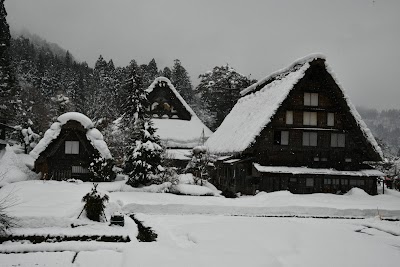
Myozenji is the largest temple in Ogimachi, and what's unusual is that the main hall, kitchen, and clock tower are all built in that same gassho-zukuri style. Most Japanese temples look nothing like the farmhouses around them, but Myozenji blends right in. That's how deeply this building style defined every structure in the valley.
The mossy approach feels like stepping off the village grid entirely, a brief change of rhythm before heading back into the farmhouse lanes. The attached museum keeps limited hours, so check the closing time when you arrive and do the museum first if it matters to you.
Tip: Visit Myozenji, the largest temple in the village, featuring gassho-zukuri architecture in its main hall, kitchen, and clock tower. Check opening hours before you go as the attached museum closes earlier than the temple grounds.
Day 3
Day three shifts to nearby Takayama: one more farmhouse, a shrine older than the village, then a street of sake breweries and Hida beef stalls.
Kanda House
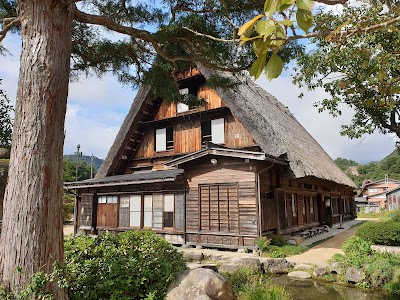
Kanda House is a four-story gassho-zukuri farmhouse that's fully open to visitors. Same architecture as Wada and Nagase, but quieter because fewer people filter through. Every floor is accessible. You trace from the hearth-level entry up into the roof frame, the timber getting more dramatic with each level.
You don't need every house museum, but Kanda is worth it because it feels less curated, more like someone's actual home than a display. The whole house takes about twenty minutes, and the quiet of those upper floors when the village is still empty is genuinely worth the early start.
Tip: Explore all four floors of the Kanda House, a fully open gassho-zukuri farmhouse where you can appreciate the steep thatched-roof construction up close. Visit early before the 10 AM tour bus wave arrives.
Hachiman Shrine Shirakawa
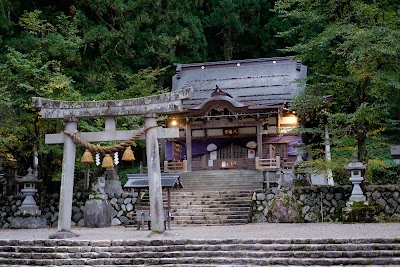
Hachiman Shrine sits at the edge of the village and has been here for over thirteen hundred years, long before gassho-zukuri or UNESCO was a thing. Every October the Doburoku Festival takes over this shrine, a loud, sake-soaked harvest celebration that's worth timing your trip around if your dates are flexible.
Walk the mossy approach past the sacred cedar that's been growing here for two centuries. It's a grounding moment before you leave Shirakawa-go. The stone path and old cedar make this a calm final note in the village before the bus ride shifts the energy toward Takayama.
Tip: Pay respects at Hachiman Shrine, founded over 1,300 years ago and host to the lively Doburoku Festival each October. Walk the mossy approach past the 200-year-old sacred cedar tree before you transfer to Takayama.
Sanmachi Suji
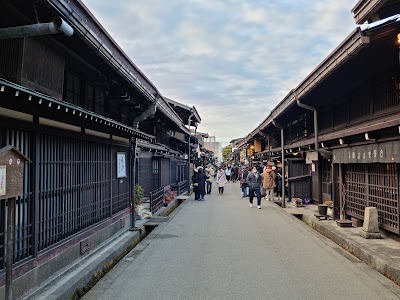
Sanmachi Suji is Takayama's preserved Edo merchant district: wooden houses, sake breweries, and food stalls packed into narrow streets about an hour from the village. Look for the sugidama hanging outside doorways. Those cedar balls mark sake breweries, and the greener the ball, the newer the batch inside.
The smell is grilling beef and cedar-sake from brewery doors. A Hida beef skewer in one hand and a tasting cup in the other is the right call. Some shops close by five, so hit the food and main street first if you're arriving late. The side lanes can wait, but the beef skewers cannot.
Tip: Stroll Sanmachi Suji in Takayama, one of Japan's best-preserved Edo Period streetscapes lined with sake breweries and craft shops. Walk the brewery-lined lanes and sample Hida beef skewers from street vendors as you explore.
What to book ahead
- Reserve gassho-zukuri farmhouse overnight stay (2-3 months in advance) - Very few rooms available; book via Shirakawa-go tourism website or Japanese booking platforms
- Book highway bus from Takayama or Kanazawa (1-2 weeks in advance) - Nouhi Bus runs direct routes; seats sell out during autumn foliage and winter illumination seasons
- Check winter illumination dates (October-November) - If visiting January-February, the village lights up thatched roofs at night on specific dates; plan around these
What to pack
Essentials
- Comfortable walking shoes - Village paths are unpaved and hilly; you will walk 10,000+ steps daily
- Cash (Japanese yen) - Many farmhouse entries, small shops, and the onsen accept cash only
- Warm layers - Alpine valley gets cold even in shoulder seasons; indoor heating in farmhouses is minimal
Nice to have
- Tripod - Essential for low-light sunrise or sunset shots from the observation deck
- Onsen towel - Public bathhouses provide basic amenities but a personal small towel is more hygienic
- Portable charger - Limited charging outlets inside traditional farmhouse accommodations
Final take
A village that survived on silk and gunpowder, rooftops that refuse to collapse, and a town that turned isolation into excellent sake. That's Shirakawa-go.
Plan this trip
Turn this guide into an editable trip plan
Open the route in Instaboard, adjust the stops, and share the itinerary with your travel group.