Travel Guide
Singapore in 3 Days: Supertrees, Hawker Food & Hidden Heritage
Want the editable version of this route?
Open the Instaboard template and adapt stops, timing, and notes to fit your trip.
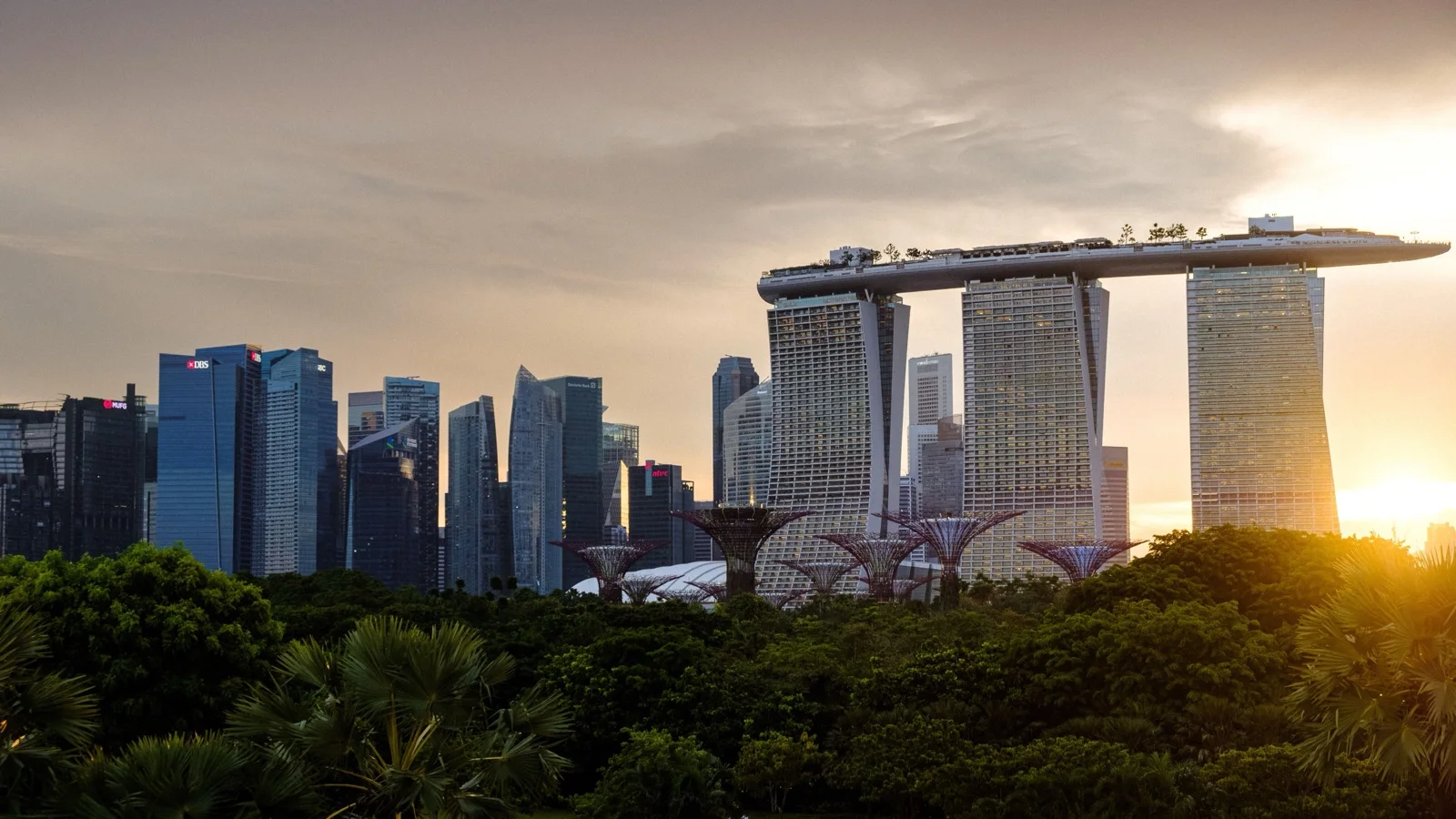
Those towering glowing tree sculptures in every Singapore photo are real, irrigated, and sitting on land that was sea until 2012. Three days here gets you the skyline and the quiet UNESCO garden where locals actually jog. You just have to sequence around the midday heat.
Singapore sits almost on the equator, so expect 25 to 33 degrees with serious humidity and brief afternoon showers year-round. Save the outdoor walks for morning and evening, and let the air-conditioned conservatories absorb your midday.
Day 1
Day one is the engineered-nature day. Fifty-meter tree sculptures, a glass mountain with an indoor waterfall to escape the heat, and those same trees lit up to music after dark.
Gardens by the Bay
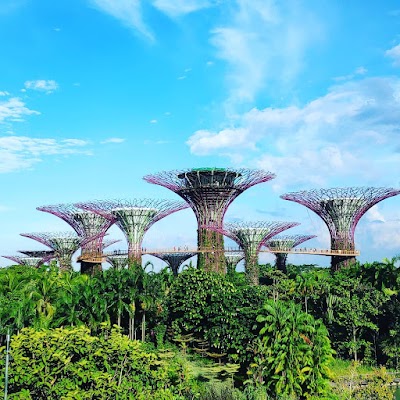
This is the Singapore of every montage. Gardens by the Bay is a hundred-hectare park of fifty-meter tree-shaped gardens built on reclaimed land in 2012. Those Supertrees aren't just decoration; they're clad in real ferns and orchids and double as solar collectors and exhaust stacks for the conservatories next door.
Go early because the outdoor gardens are free, the light is kinder, and the tour buses haven't landed yet. The site is enormous and the sun is unforgiving, so pick one or two conservatories and actually enjoy them rather than checklist your way through.
Tip: Start early at Bay South Garden; the outdoor gardens offer free entry and morning light avoids the afternoon crowd. Walk the waterfront promenade toward the Supertrees and bring water. It gets warm fast.
Cloud Forest
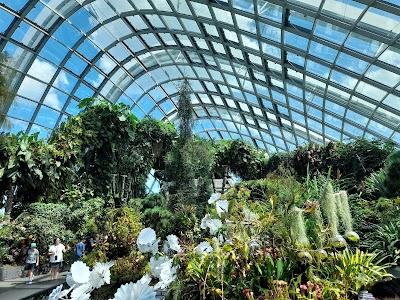
A short walk away is the Cloud Forest, a cooled glass dome housing one of the world's tallest indoor waterfalls. Walk through and a thirty-five-meter waterfall hits you with cold mist; the temperature plunges from 32 degrees to genuinely chilly. That contrast is the whole point.
Spend the afternoon here because it's the hottest part of the day outside, and this is your manufactured winter. Bring a light layer.
The path spirals up through the canopy, and the misty section near the top is the real payoff. Don't race it.
Tip: Prebook your timed-entry ticket online; the misty mountain and 35 m indoor waterfall are the cool highlight. Bring a light layer. The conservatory is air-conditioned and chilly inside.
Supertree Grove
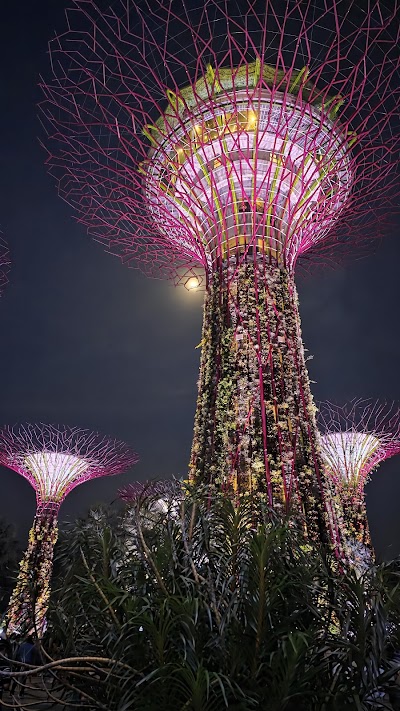
Come back after dark for Garden Rhapsody, a free nightly show at 7:45 and 8:45 where the Supertrees pulse to an orchestral score. Those trees are partly infrastructure, venting the conservatories and collecting solar energy, so you're watching functional engineering light up to music.
Get there by about 7:30 because the crowd easily tops a thousand and you can't reposition once the show starts. Standing under that lit canopy with Marina Bay Sands glowing behind is the kind of moment that shouldn't work as well as it does.
Tip: Arrive by 7:30 pm to grab a spot for the free Garden Rhapsody light-and-sound show at 7:45 or 8:45 pm. The OCBC Skyway requires a separate ticket; buy in advance on weekends.
Day 2
Day two flips to the older, quieter Singapore. A UNESCO colonial garden, then hawker food in Chinatown where a plate of chicken rice gets argued about more seriously than most elections.
Singapore Botanic Gardens
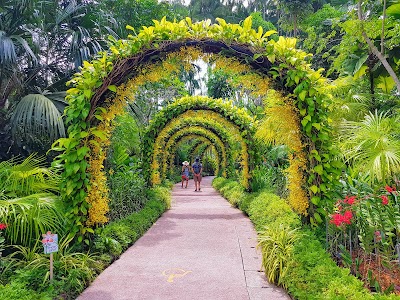
Singapore's only UNESCO site isn't the Supertrees. It's the Botanic Gardens, founded in 1859 and the calm, free counterweight to yesterday's spectacle. Early rubber research done here helped seed Southeast Asia's rubber boom, so this garden's historical footprint is far bigger than its borders.
Enter at Tanglin Gate and do the Rain Forest boardwalk first, because morning gives you the locals-only calm before the heat and strollers arrive. It's eighty-two hectares, so don't try to see it all. The Rain Forest boardwalk and the Orchid Garden are the two worth your time.
Tip: Enter via the Tanglin Gate and walk the Rain Forest boardwalk loop before the heat builds. The gardens are free and opening hours run from 5 am to midnight.
Maxwell Food Centre
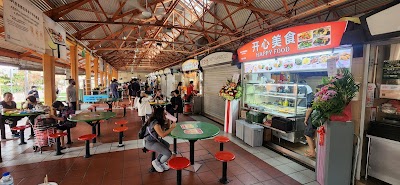
A short metro ride lands you at Maxwell Food Centre, the friendliest hawker stop for first-timers: government-run stalls, cheap, fast, right inside Chinatown. Hawker culture joined the UNESCO Intangible Heritage list in 2020, so these stalls are officially heritage. Steam, clattering trays, the smell of chicken fat and chili.
The draw is Tian Tian's chicken rice, the stall that sparked an international 'best one?' argument Bourdain helped supercharge. Hit it, then graze for popiah and chendol. Go before or after the noon rush because the Tian Tian queue is its own micro-economy, and a few stalls shutter by mid-afternoon.
Tip: Queue at Tian Tian for Hainanese chicken rice, then explore surrounding stalls for popiah and chendol. Most stalls take cash only, so withdraw before you arrive.
Chinatown
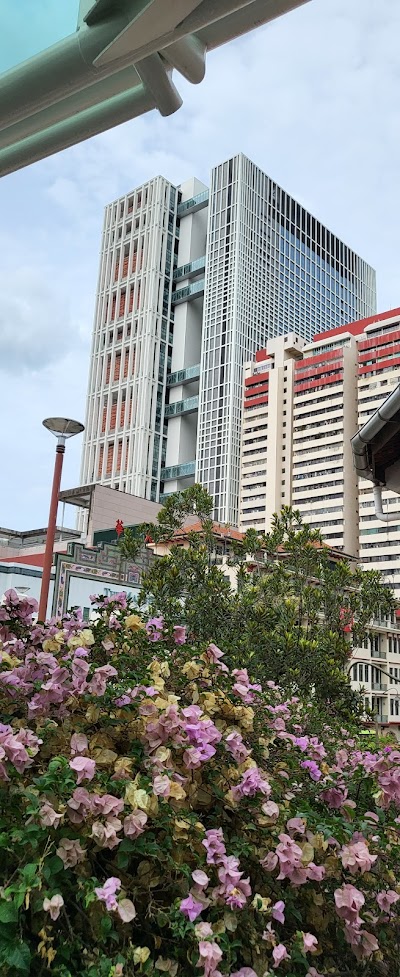
From Maxwell you're already in Chinatown: lantern-strung streets and restored colonial shophouses that give you the clearest 'old Singapore' texture in a brand-new city. Walk Pagoda Street to the Buddha Tooth Relic Temple, and notice Sri Mariamman, Singapore's oldest Hindu temple, sits a few blocks away. That layering is the real story.
Red lanterns overhead, incense from temple doors, barbers still working the old storefronts. Duck onto the side streets for the version without the crowds. Cover shoulders and knees for the temples because dress codes apply, and check Sri Mariamman's hours since its main hall sometimes closes midday.
Tip: Walk Pagoda Street toward the Buddha Tooth Relic Temple. Entry is free but shoulders must be covered. Check opening hours for the Sri Mariamman Temple nearby, as the main hall may be closed midday.
Day 3
Day three is the cultural counterweight. Breakfast in a Little India market that smells of turmeric, then the loudest neighborhood in the city, finishing under a golden-domed mosque.
Tekka Centre
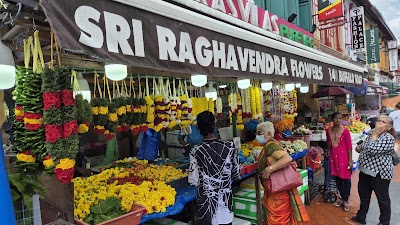
Start at Tekka Centre in Little India, one building that's two experiences: a hawker centre upstairs and a working wet market downstairs where the neighborhood actually shops. Morning is peak energy here. Turmeric and cardamom in the air, flower-garland stalls, the bright clatter of a real market, not a staged one.
Eat first, banana-leaf thali or masala dosa, because the dosa timing is best early. Then head downstairs for raw spices before hitting the surrounding streets. It's a real market with real wet floors, so wear shoes you don't mind getting splashed, and carry some cash for the market stalls.
Tip: Take the metro to Little India station and grab a banana-leaf thali or masala dosa at breakfast. Bring cash for the wet-market stalls and sample fresh spices downstairs.
Little India
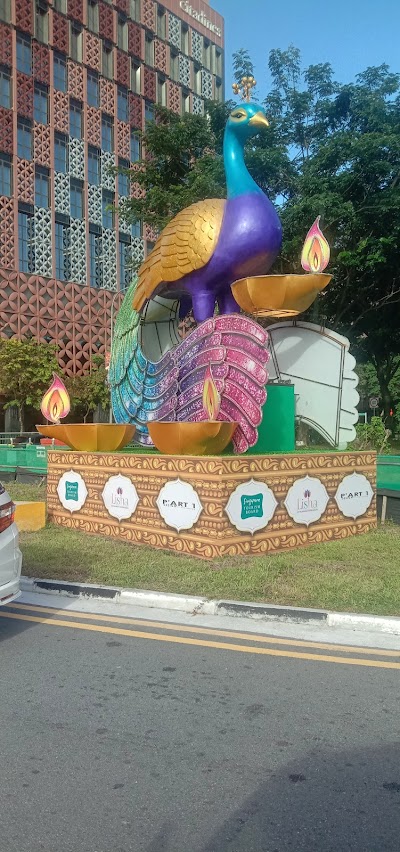
Right outside Tekka is Little India itself, where South Indian communities settled and traded, and the most visually different neighborhood from the business district. Saturated-color shophouses, marigold garlands, Bollywood from shop speakers, walls of sarees. Maximum sensory input per square meter, and proof Singapore isn't one texture.
Walk Serangoon Road because that's the spine of the garland stalls and temples, and a weekday morning gives you the calm, unhurried version. Sunday evenings here transform into a dense, lively scene as the South Asian worker community gathers. A different trip, not a worse one, so plan for it.
Tip: Walk Serangoon Road past brightly painted shophouses and flower garland stalls. The area gets busy on weekends, so a weekday visit means a thinner crowd and easier browsing.
Haji Lane
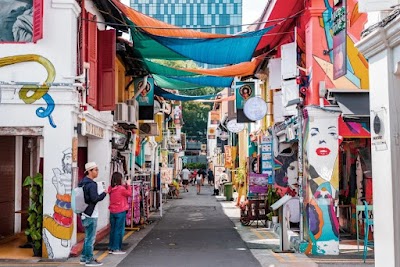
Finish in Kampong Glam, the historic Muslim quarter and former seat of Malay royalty. Haji Lane is one of the narrowest streets in the city.
Painted walls, café music, the call to prayer from the golden-domed Sultan Mosque. A bohemian layer over a religious-historic core, and your third cultural flavor.
Aim for mid-afternoon because shops open late and the lane is dead earlier, and a weekday keeps the bottleneck manageable. It's tiny, mainly queuing for the same photo as the person ahead of you, but an hour here is plenty, and the vibe is the point.
Tip: Stroll the narrow mural-lined alley for indie boutiques and cafes, then visit the Sultan Mosque nearby. Opening hours vary by shop, so aim for mid-afternoon when most are active.
What to book ahead
- Book Cloud Forest + Flower Dome combo tickets (2+ weeks before) - Save 10%+ vs gate price and lock in your timed entry slot.
- Reserve Supertree Grove OCBC Skyway slot (1 week before) - Weekend slots sell out; prebook to skip the on-site queue.
- Check flight timing for Jewel visit (3 days before) - Jewel is pre-security; plan 2–3 hours and leave time for airport transfer.
What to pack
Essentials
- Lightweight breathable clothing - Singapore is hot and humid year-round; moisture-wicking fabrics stay comfortable.
- Refillable water bottle - Tap water is safe; stay hydrated walking between outdoor gardens.
- Compact umbrella or rain shell - Afternoon thunderstorms are common; a small umbrella fits any daypack.
Nice to have
- Light cardigan or scarf - Conservatories like Cloud Forest are heavily air-conditioned; a layer keeps you comfortable.
- Portable power bank - Photo-heavy days at Gardens by the Bay and Jewel drain batteries fast.
Final take
Three days and you've seen the strangest thing about Singapore: a city that manufactured a forest, air-conditioned a mountain, and still runs UNESCO-listed hawker stalls and colonial gardens underneath the skyline.
Plan this trip
Turn this guide into an editable trip plan
Open the route in Instaboard, adjust the stops, and share the itinerary with your travel group.