Travel Guide
Suwon in 2 Days: Fortress Walls, Market Food + a Seoul Side Trip (Spring Itinerary)
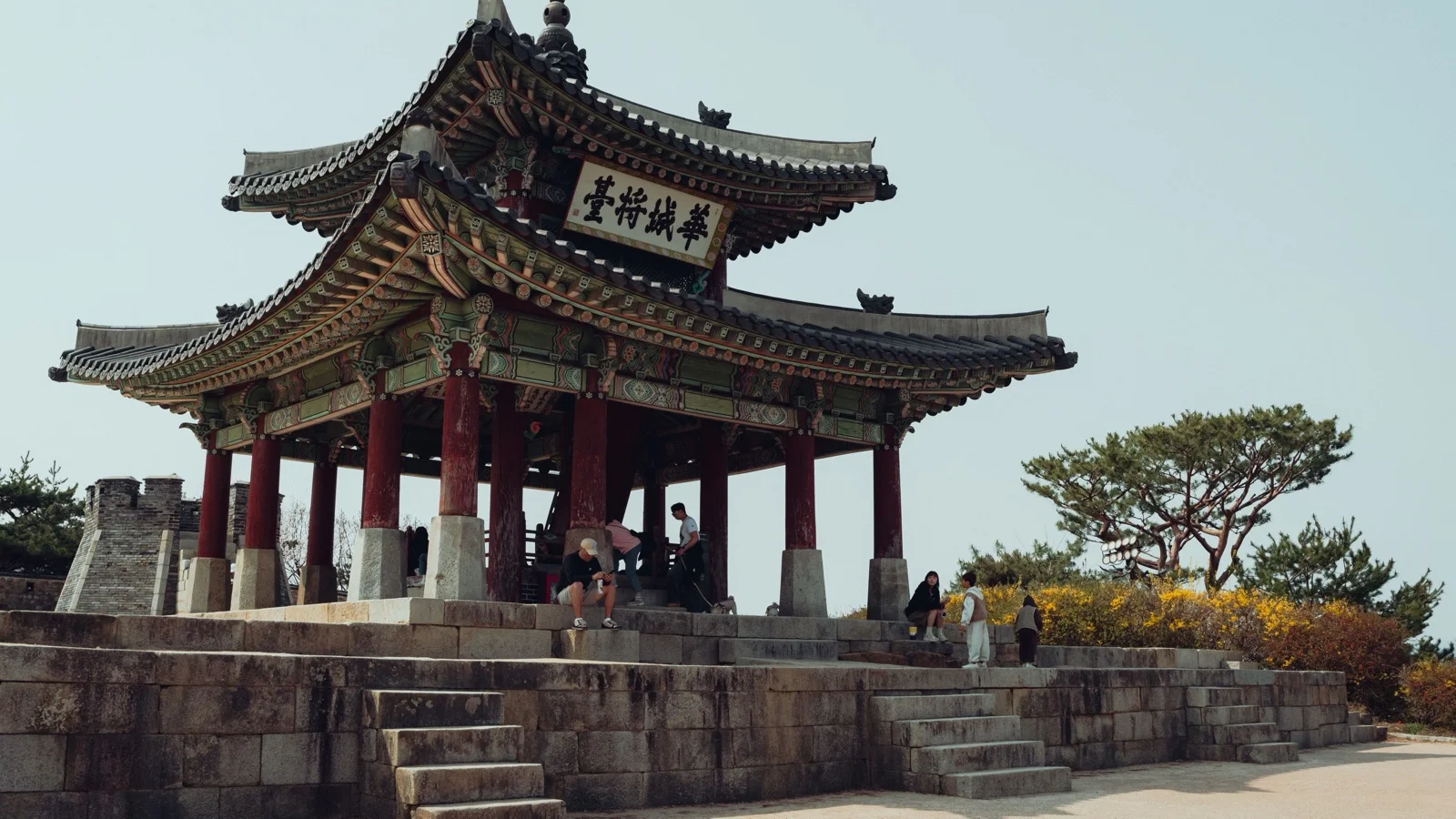
Want the editable version of this route?
Open the Instaboard template and adapt stops, timing, and notes to fit your trip.
This trip starts with a stone fortress gate from the 1790s, stranded in the middle of a traffic circle. Two days is genuinely enough for Suwon's wall and Seoul's greatest hits, as long as bad guesses don't eat your calendar.
One day stays in Suwon around the fortress; the other cuts up to Seoul, and spring lines both with blossoms and the year's best light.
Day 1
Today is all Suwon: a stranded fortress gate, the story behind the wall, and lunch where the city actually eats.
Paldalmun Gate
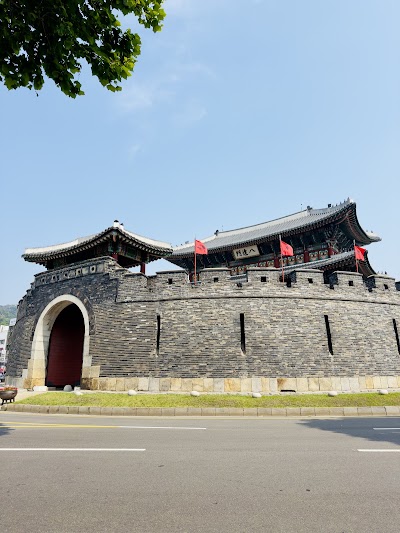
Paldalmun is the grand southern gate of Suwon Hwaseong Fortress, the UNESCO-listed wall King Jeongjo raised around his new fortified city. Modern roads have cut it off from the rest of the wall, so rush hour now orbits a piece of the 1790s.
I once arrived at nine-something and shared the gate with three tour buses; before nine, it's basically yours. Just remember it's a road island: the crossings run short and the drivers are profoundly unromantic about history.
Tip: Start at the grand southern gate; arrive before 9am to beat the crowd, and shoot from the crosswalk corners for a clean front-on frame.
Suwon Hwaseong Museum
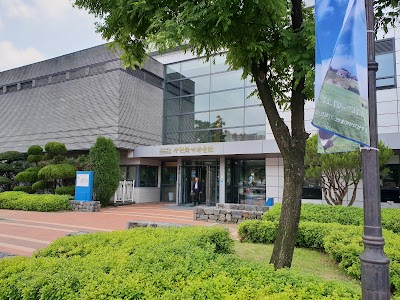
Right after the gate, the Hwaseong Museum reveals the wall you just met as one of Joseon Korea's most ambitious engineering projects. Do the gate before this, because the exhibits land better once you've already stood under the stonework.
The construction was documented in unusual detail, so the exhibits rebuild the whole project with actual paperwork: receipts, basically. Heads up that it closes Mondays, like most Korean museums; show up then and you're studying the doors.
Tip: A modern museum decoding the fortress's Joseon engineering; check opening hours first, since like most Korean museums it is closed on Mondays.
Paldalmun Traditional Market
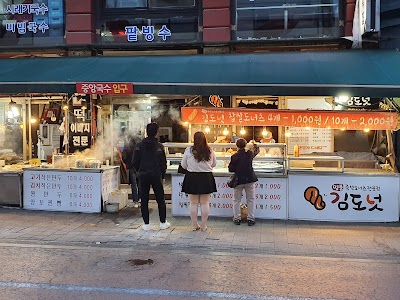
Then five minutes away, Paldalmun Traditional Market is where Suwon eats between fortress stops: a working street market, not a tourist food street. Frying oil, sweet hotteok syrup, vendors calling over each other, steam in the spring air. It hits like a snack gauntlet.
I learned the hard way that a full lunch here is a rookie move; graze in rotation, stall to stall. Carry some cash, since the older stalls skip card, and aim for noon before the after-work crowd clogs the aisles.
Tip: Refuel between fortress stops on hotteok and twigim; carry some cash since older stalls skip card, and come around noon before the after-work crowd.
Day 2
Today swaps Suwon's fortress for Seoul's dynastic scale: a main palace, a hanok hillside, then a neon street at full volume.
Gyeongbokgung Palace
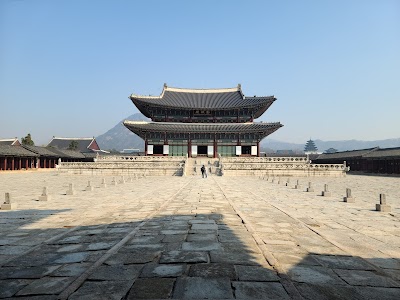
Gyeongbokgung was the main seat of the Joseon dynasty for centuries: gates and courtyards sized for an empire, mountains stacked behind them. It's been destroyed and rebuilt across the centuries, and half the visitors are in rented hanbok; both somehow feel right.
Enter through Gwanghwamun for the ten o'clock guard ceremony, because an hour later the crowds dissolve into the wider grounds. Two practical things: book the morning slot online, and know it closes Tuesdays. That pairing trips up plenty of first-timers.
Tip: Time your entry for the 10:00 guard-changing ceremony at Gwanghwamun gate; the palace is closed Tuesdays, so book a morning slot online in advance.
Bukchon Hanok Village
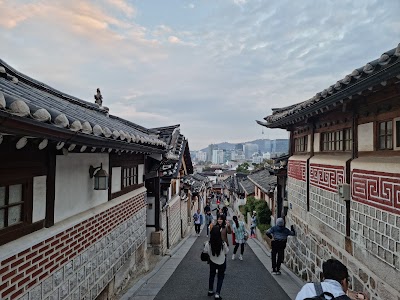
Five minutes from palace grandeur, Bukchon Hanok Village is what Korean housing looked like before towers: tiled-roof lanes climbing a hill. It's a real neighborhood with real residents; the quiet-please signage is genuine, and so is the tension with the tour groups.
Anguk Station Exit 3 drops you straight into the climb, so take the hill slow and keep your voice down. These lanes housed nobility for generations: prime real estate then, prime roofline photos now, just don't aim at doorways.
Tip: Stroll hanok alleys between the palaces; take the subway to Anguk Station Exit 3 and walk uphill, and since these are private homes, keep voices low.
Myeongdong Shopping Street
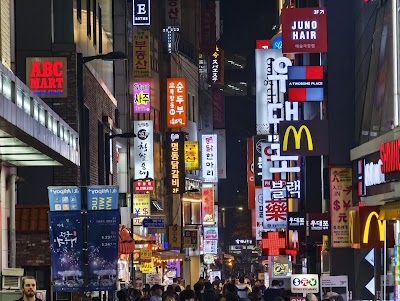
For the finale, Myeongdong is Seoul's shopping street at full volume: neon stacked ten deep, grills going, samples everywhere. I'll be honest, it's commercial and the food runs tourist-priced, and I'd send you anyway, because nothing else on this trip matches the volume.
Evening is the only correct time; the signage and the stall culture switch on after dark, a short subway hop from Bukchon. Cards work everywhere here, which flips the Suwon market's cash advice. Graze your way down and let the neon close it out.
Tip: Finish amid neon signage and sizzling street food; hop the subway to Myeongdong Station Exit 6, bring a card, and expect weekend-level crowds nightly.
What to book ahead
- Book Gyeongbokgung online entry slot (3-7 days ahead) - Skips the ticket line; guard ceremony at 10:00, palace closed Tuesdays.
- Reserve Suwon Hwaseong Museum admission (3-5 days ahead) - Online reservation secures timed entry; museum is closed Mondays.
- Prebook Korean Folk Village tickets (optional add-on) (3-5 days ahead) - Online discount plus free shuttle bus from Suwon Station.
- Buy and top up a T-money card (On arrival) - Covers Suwon-Seoul Line 1 subway and all local buses.
- Confirm Wolhwawon opening hours (Day before) - Observatory decks close early; time arrival for sunset.
What to pack
Essentials
- Comfortable walking shoes - The fortress wall circuit and Bukchon's slopes cover 8-10 km a day on foot.
- Light layer or windbreaker - Spring afternoons are mild but exposed ramparts and night rooftops get breezy.
- T-money card - Tap straight onto Line 1 from Suwon to Seoul plus local buses without buying single tickets.
- Portable charger - A full day of navigation, photos, and e-tickets drains phones fast.
Nice to have
- Umbrella - April showers pass through quickly; a compact one fits any daypack.
- Cash in KRW - A few market stalls and snack carts still prefer cash over card.
- Sunscreen - Spring UV is stronger than it feels on the open wall walk.
Final take
That's the trick of this trip: Suwon gives you the past at walking pace, Seoul gives you everything else at full volume.
Plan this trip
Turn this guide into an editable trip plan
Open the route in Instaboard, adjust the stops, and share the itinerary with your travel group.