Travel Guide
Suzhou in 3 Days: Classical Gardens, Canal Streets & a Water Town
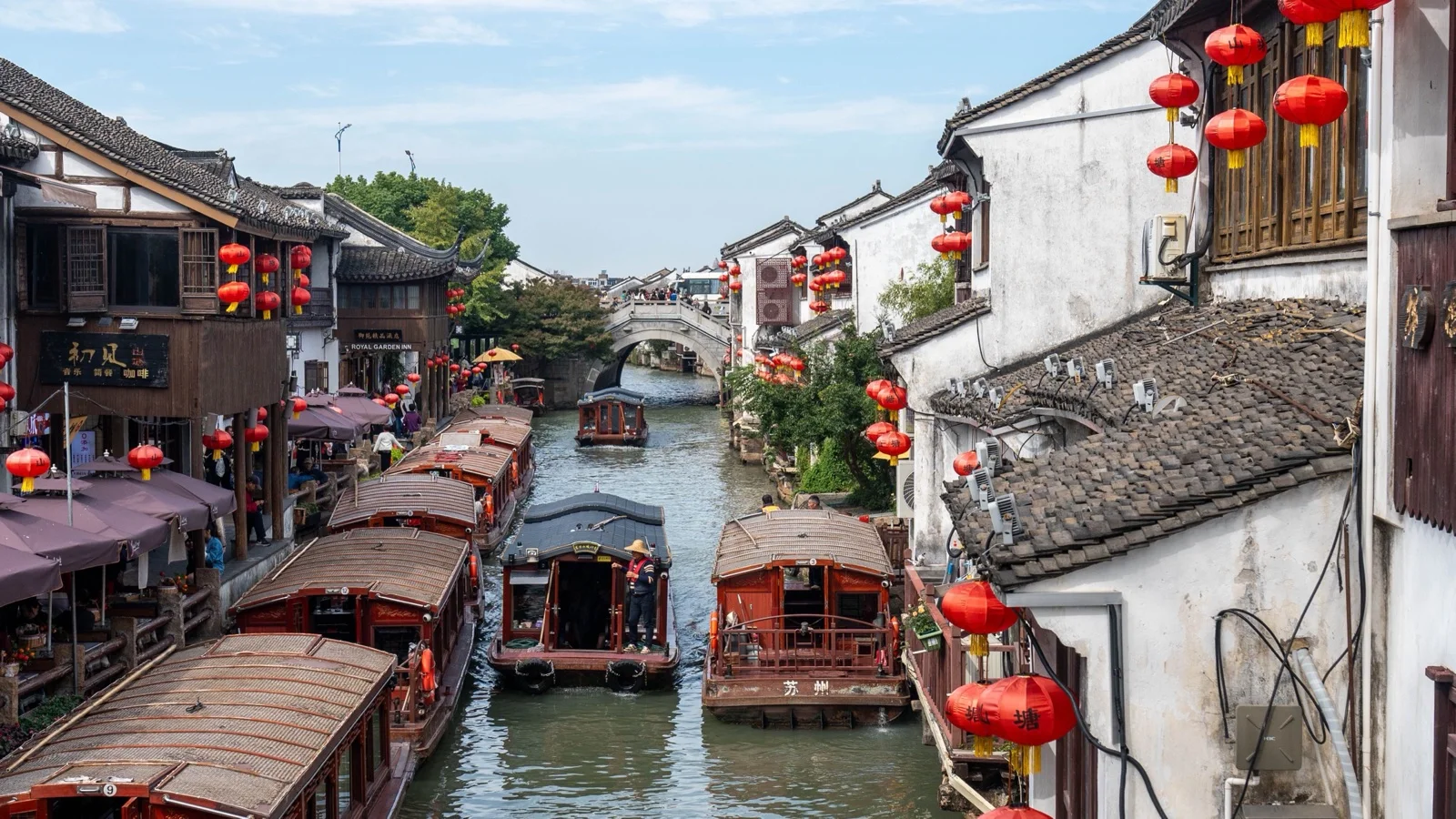
Want the editable version of this route?
Open the Instaboard template and adapt stops, timing, and notes to fit your trip.
Suzhou is that rare city where a Ming-dynasty garden, an 800-year-old canal lane, and a gate-shaped skyscraper share one metro map. Three days gets you the gardens, a water town, and a surprise glass skyline, if your timing is right, because the tour buses have opinions about your schedule.
Spring is when Suzhou shows off: wisteria and peonies in the gardens, willows greening the canal banks, and walking weather that rewards lingering.
Day 1
Day one is peak classical Suzhou: the most famous garden in the city, an architect's homecoming museum, and an 800-year-old canal street glowing after dark.
Humble Administrator's Garden
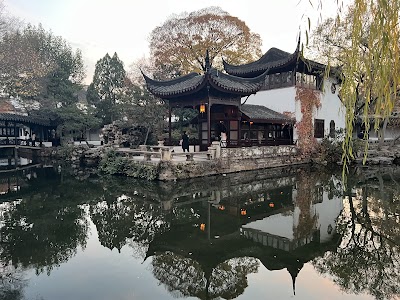
This is the Humble Administrator's Garden, Suzhou's biggest and most famous classical garden, the one every other Chinese garden gets compared to. The name is the story: a retired Ming official claimed he was terrible at administration to justify gardening all day. History's most relatable quiet quit.
Inside it's ponds, covered walkways, and pavilions arranged so every turn frames a suspiciously perfect view, and spring adds petals dropping onto still water. Arrive at opening because tour buses land mid-morning. Book timed entry a day ahead, and if WeChat defeats you, hotel desks do this daily.
Tip: Arrive at opening to beat tour-bus crowds and catch spring blossoms over the lotus ponds. Prebook timed-entry tickets a day ahead on the official WeChat account.
Suzhou Museum
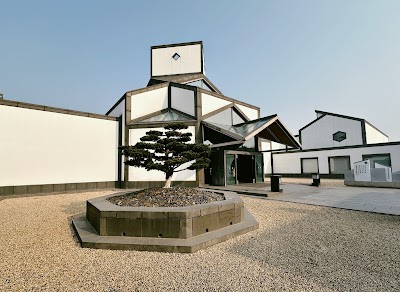
Two minutes from the garden, the Suzhou Museum is I.M. Pei's love letter to his family's hometown: modern geometry in Suzhou's black, white, and grey. Here the building is the exhibit: glass-roofed lanes, geometric courtyards, a lotus pool, all wrapped around a serious collection of local Wu-culture artifacts.
The calm after the garden crowds may catch you off guard: soft daylight through glass roofs, whitewash walls, and those sharp black rooflines. Entry is free, but no reservation means no entry, even on a quiet Tuesday. Book your timed slot as soon as your dates are fixed.
Tip: Free entry, but reserve a timed slot in advance, especially on weekends. Walk two minutes from the garden to I.M. Pei's geometric courtyards and glass-roofed lobby.
Pingjiang Road
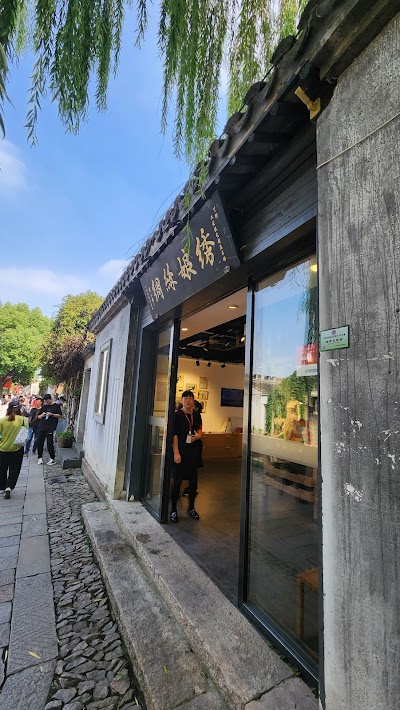
Ten minutes south, Pingjiang Road is a stone lane running beside a canal, and it's the single best walk for understanding what Suzhou used to be. The layout's barely changed since roughly the Song dynasty: a street plan old enough to be a museum exhibit, currently hosting a bubble-tea economy.
Dusk is the payoff: lanterns flick on over black water, and a lute plucks inside a teahouse. That's pingtan, the local storytelling art.
Midday is wall-to-wall, so come as it thins before lantern-light, and duck into the side alleys. The quiet, local version is one turn away.
Tip: Walk 10 minutes south from the museum into this 800-year-old canal lane. Come at dusk when lanterns switch on, carry small cash for street snacks, and duck into a teahouse for live pingtan performance.
Day 2
Day two goes deeper: a leaning pagoda wrapped in sword legends, Suzhou's quietest ancient garden, and a thousand-year canal street that performs after sunset.
Tiger Hill Pagoda
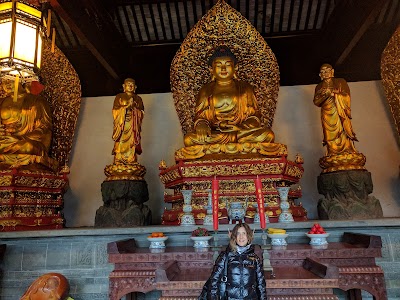
Tiger Hill is Suzhou's most storied spot: a walkable hill park crowned by the Yunyan Pagoda, a Song-era brick tower visibly leaning off vertical. It's China's answer to Pisa, and yes, every traveler here takes the same photo pretending to hold it up. Different country, identical joke.
Lore says an ancient king lies buried on this hill with his swords. Find the sword pool and testing stone, because most crowds walk straight past.
Get there before nine, when the hill is thin and the spring flower displays are actually enjoyable. Later, one path funnels everyone upward.
Tip: Take the metro to Tiger Hill station and arrive before 9am, when the pagoda crowd is thin. Buy the combo ticket at the gate to include the sword-testing stone path.
Canglang Pavilion
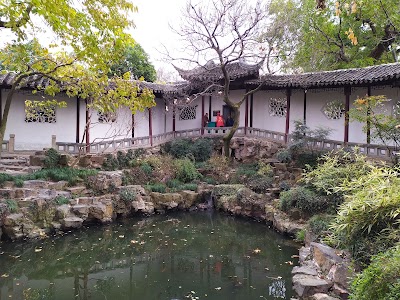
Canglang Pavilion is the oldest garden surviving in Suzhou, with roots back to the Song dynasty: the grandparent the other gardens riff on. Its signature is the corridor of leaking windows, dozens of lattice frames each cut to a different pattern, turning bamboo and rockery into a slow slideshow.
This is the calmest of the famous gardens. Expect spectacle and it underwhelms; expect stillness and you hear birds instead of tour guides.
Afternoon suits it, since day-trippers are busy feeding the big gardens. Enter by the water-facing gate and take the corridor loop at window-peeking pace.
Tip: Suzhou's oldest garden and its calmest of the big names. Enter through the unique water-facing gate, then walk the covered corridor framing bamboo through leaking windows; weekday afternoons are nearly line-free.
Shantang Street
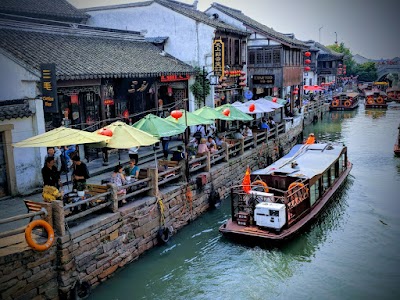
Shantang Street is the classic Suzhou evening: a thousand-year-old canal street tied to the poet Bai Juyi that earns its reputation after dark. Red lanterns double in black water, snacks sizzle, and gondolas queue at the dock. Short line, hop on; long line, keep walking.
Eleven centuries of commerce on one stretch of stone. The snacks changed, the upselling did not.
Shoot the postcard at the lit metro end, then push up-street past the crowd line, because the famous end is the crowded end.
Tip: Ride the metro to Shantangjie and start at the lit-up canal end after sunset. Keep small cash for snack stalls, and hop a gondola if the queue is short.
Day 3
Day three is the plot twist: a morning lost in a water town of stone bridges, then a lakefront glass skyline that same evening.
Tongli Ancient Town
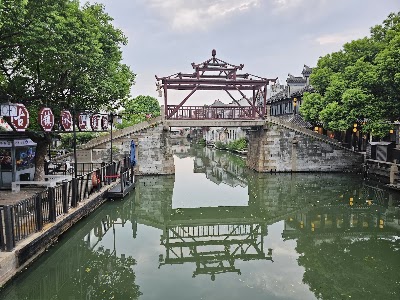
Tongli is the water town at full scale: whitewashed lanes, webbed canals, dozens of stone bridges, and its own UNESCO-listed garden, all a metro ride out. The bridges outnumber the street signs here, so your navigation strategy becomes cross, turn, repeat. That is genuinely the whole charm.
Early morning is the real show: mist on the canals, woodsmoke and breakfast smells from lane kitchens, stone underfoot before the day-trippers land.
Metro Line 4 plus a short shuttle gets you to the gate. Grab the combo ticket ahead because it covers Tuisi Garden and skips the queue.
Tip: Take Metro Line 4 to Tongli, then transfer via the short shuttle to the town gate. Prebook the combo ticket online to skip the entry queue, and walk the Three Bridges early for crowd-free canal shots.
Jinji Lake
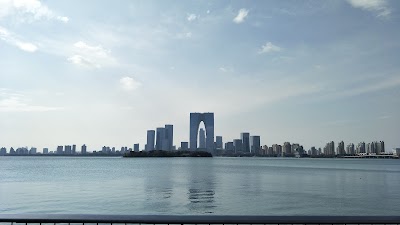
Then Suzhou flips the script: Jinji Lake is a huge open lake ringed by glass towers, malls, and a ferris wheel. Same city, different century.
The lake anchors the industrial-park district, the city's bet on its next hundred years, and it's one of the sharpest heritage-to-skyline contrasts in Chinese travel.
After two days of enclosed courtyards, the open horizon hits differently: wind off the lake, golden light on glass, elevators replacing stone steps. Get on the water about an hour before sunset, because golden hour on the towers is show one, and the ferris-wheel lights after dark are show two.
Tip: Metro Line 1 or a short taxi drops you at the lakeside promenade. Arrive an hour before sunset for golden light on the skyline, then stay for the ferris-wheel illumination after dark.
Gate of the Orient
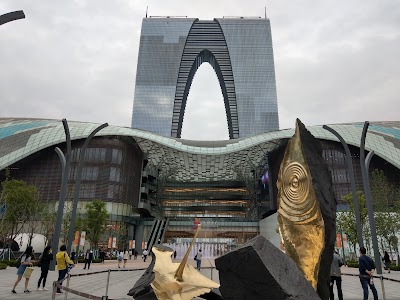
Your final landmark is the Gate of the Orient, a 301-meter tower that is mostly doorway, and the signature silhouette of new Suzhou. Locals have long joked the silhouette resembles a pair of trousers, and once you've heard it, you cannot unsee it.
You enjoy it from outside, walking the promenade, and the dusk sky framed through the gate's opening is the shot worth waiting for. The sunset spots near the mall fill on weekends, so cross to the east-bank side for the quieter angle and the better frame.
Tip: Walk from Jinji Lake promenade to frame the 301m Gate of the Orient tower against the dusk sky. The east-bank viewing deck past Suzhou Center mall gets the least crowded angle on weekends.
What to book ahead
- Prebook Humble Administrator's Garden timed-entry ticket (1-3 days before Day 1) - Official WeChat account or Ctrip; morning slots sell out in spring.
- Reserve Suzhou Museum free timed slot (3-7 days before Day 1) - Weekend slots vanish quickly; ID or passport needed at entry.
- Buy Tongli combo attraction ticket online (1-2 days before Day 3) - Skips the town-gate ticket line and bundles Tuisi Garden entry.
- Reserve Master of the Nets evening performance (if swapping in) (2-4 days ahead) - Peak-season night garden shows are limited-seat and sell out early.
- Book Jinji Lake-area dinner reservation (Same day, by afternoon) - Suzhou Center restaurants fill around sunset hours on weekends.
What to pack
Essentials
- Comfortable walking shoes - Gardens, canal streets, and water towns involve hours of stone-paved walking.
- Light rain jacket or umbrella - Spring drizzle is frequent in Jiangnan; compact cover keeps garden walks going.
- Layered clothing - Spring mornings and evenings by the water run cool; layer up for canal-side nights.
- Portable charger - Metro navigation, e-tickets, and photo-heavy days drain phone batteries fast.
Nice to have
- Small cash and WeChat/Alipay setup - Snack stalls on Shantang and in water towns sometimes prefer mobile or cash payment.
- Compact camera - Garden framing, pagoda skylines, and lantern-lit canals reward better low-light shots.
- Refillable water bottle - Long garden and water-town walks have limited drink stops; stay hydrated.
Final take
By the end, Suzhou stops being a name. It's petals on still water, lanterns doubling on black canals, and a skyline that snuck up on you.
Plan this trip
Turn this guide into an editable trip plan
Open the route in Instaboard, adjust the stops, and share the itinerary with your travel group.