Travel Guide
Takayama 3-Day Itinerary: Old Town, Shirakawa-go & Japan Alps
Want the editable version of this route?
Open the Instaboard template and adapt stops, timing, and notes to fit your trip.
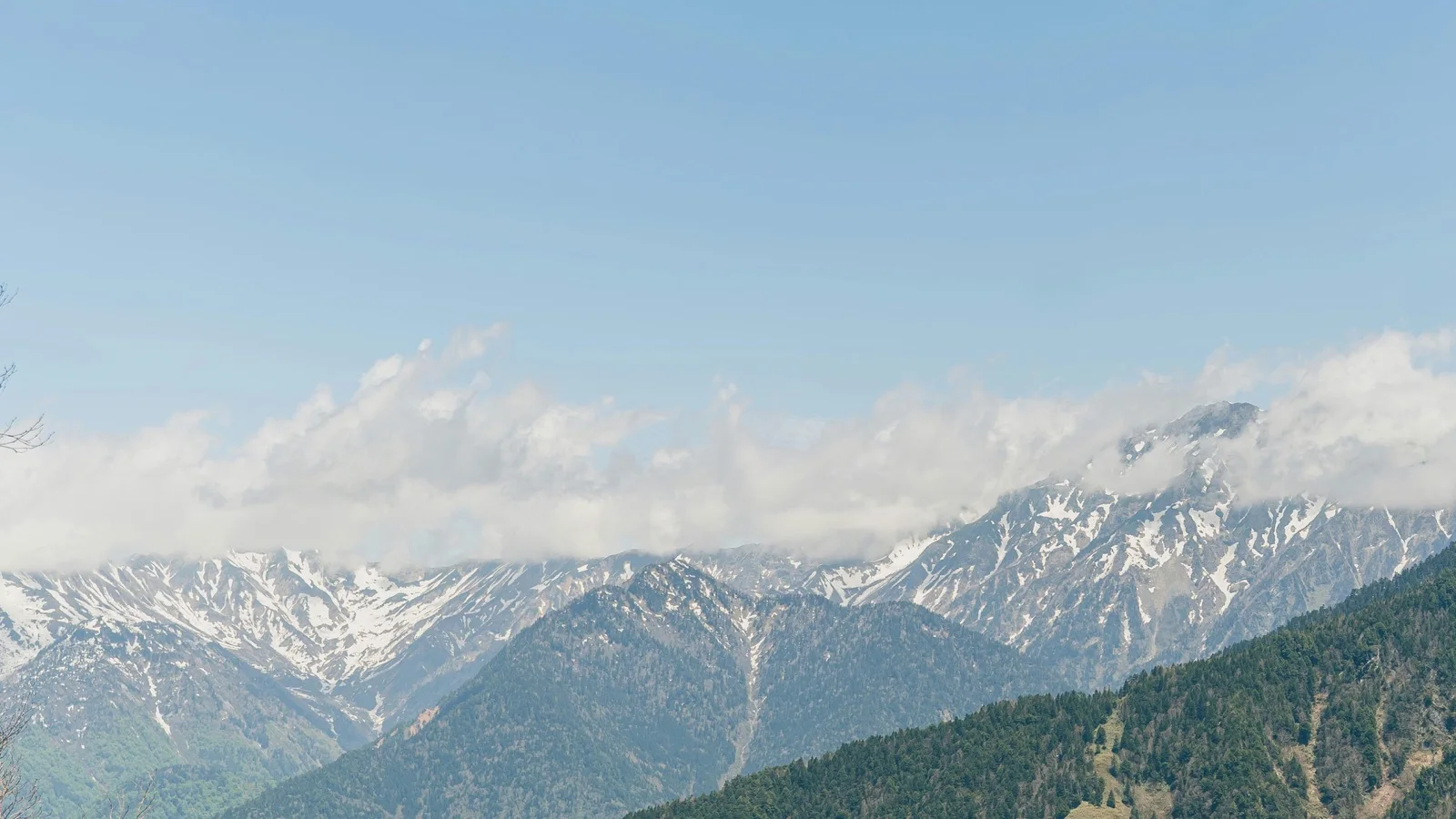
There is a town in the Japanese Alps where the old streets are still dark wood and cedar smoke, the morning market has been running since the 1600s, and the nearest UNESCO village is a bus ride into the mountains. Three days is enough to see the old town properly, get out to Shirakawa-go, and still have time to ride a cable car above 2,000 meters, if you do not waste the first day figuring out where things are.
Takayama rewards you year-round: cherry blossoms along the river in spring, serious foliage in autumn, and winter snow on the thatched roofs in Shirakawa-go that makes the whole place look like a woodblock print.
Day 1
Day one is about learning what Takayama actually is: a riverside market that predates most countries, a government building that should not still exist, and three narrow lanes of Edo-era merchant houses where sake breweries still hang cedar balls above their doors.
Miyagawa Morning Markets
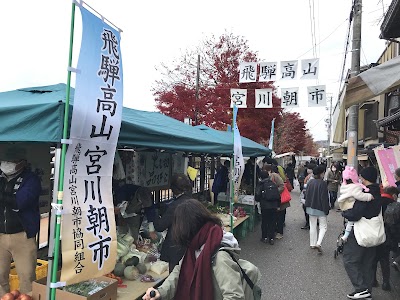
Start at the Miyagawa Morning Markets: open-air stalls running along both sides of the river since the Edo period, which means local farmers and craftspeople have been setting up here since before the United States was a country. The smells hit you before anything else: grilling Hida beef, woodsmoke, pickled things you can sample for free but probably cannot identify.
Get here at seven when the stalls open, because by nine or ten the tour groups from Nagoya show up and the best stuff is gone. Grab a Hida beef skewer, eat it standing by the river, and bring cash, because most of these vendors do not touch cards, and that is honestly part of the charm.
Tip: Arrive at 7:00 when stalls open to beat the crowd. Try a Hida beef skewer fresh off the grill and bring cash, because most vendors do not accept cards.
Takayama Jinya
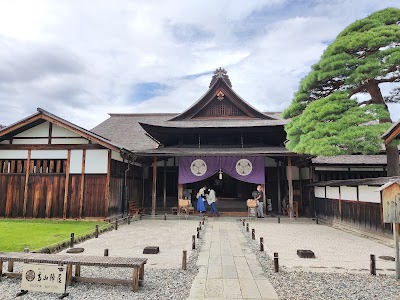
From the market it is a short walk to Takayama Jinya, the only surviving Edo-era regional government office left in all of Japan. The other sixty-something were destroyed over the centuries and this one, rebuilt in 1816, simply was not.
The shogunate ran the entire Hida region from here: tax collection, trials, local governance. You walk through the actual rooms where that happened, not reconstructions.
The rice storehouses out back are the most impressive structures on the site, and most visitors rush right past them, which is a mistake. Walk inside and look up at the scale of the thing. The building is unheated, which in winter gives you a visceral sense of how miserable bureaucratic work was two hundred years ago: bare tatami, dark corridors, the smell of old cedar.
Tip: Buy your ticket at the entry gate and explore Japan's only surviving Edo-era government office. Opening hours are 8:45 to 17:00; allow time for the rice storehouses out back.
Sanmachi Suji
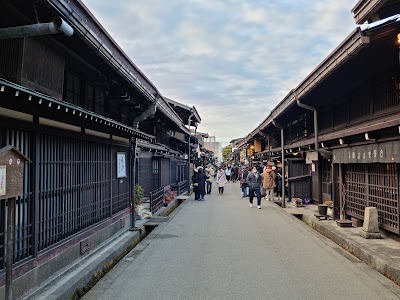
Sanmachi Suji is the Takayama you have seen in photos: three narrow lanes of dark wooden merchant houses, sake breweries, and craft shops, all dating to the Edo period, all still functioning as real businesses and homes. Look up. The cedar balls hanging above doorways are called sugidama, and they mark sake breweries. Seven of them operate in Takayama, each with over a century of history, and most let you walk in and taste.
These buildings survived not because someone decided to preserve them, but because Takayama was too remote and too economically quiet to be worth bombing in WWII. Come through in late afternoon when the day-trippers have left and the light on the old wood is genuinely beautiful. Just do not linger past five, because the shops start closing and the streets go dark fast.
Tip: Stroll the three preserved lanes and look for the sugidama cedar balls above sake brewery doors. Wear warm layers in winter; the narrow streets funnel cold wind.
Day 2
Day two sends you into the mountains: first to Shirakawa-go's thatched-roof village, then back into town for festival floats with clockwork puppets and an izakaya alley where you can finally sit down.
Shirakawa-go
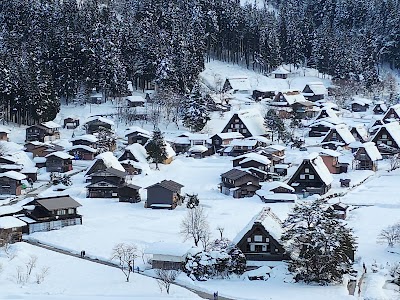
Shirakawa-go is a cluster of steeply thatched farmhouses sitting in a mountain valley, UNESCO-listed since 1995. The roofs are built at 60-degree angles to shed snow, hands pressed together in prayer, which is exactly what "gassho" means.
Those roofs are not decorative. They are engineered for survival in one of the snowiest regions on Earth, and every few decades the entire village turns out to rethatch one together, because that is how the place stays standing.
Reserve the morning bus from Takayama ahead of time. It is a 50-minute ride and buses fill, especially during winter light-up events when you will need to book weeks in advance. Walk up to the Shiroyama observation deck first for the panorama every travel photographer chases, because once the midday tour buses arrive, this village goes from serene to packed in under an hour.
Tip: Prebook the morning bus from Takayama (50 min) and walk up to the Shiroyama observation deck for the iconic panorama. Bring cash for Wada House entry before the midday crowd arrives.
Takayama Matsuri Yatai Kaikan
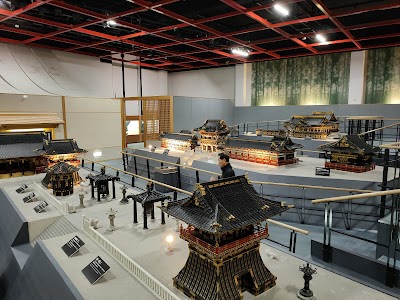
Back in Takayama, the Yatai Kaikan houses four of the elaborate festival floats used in Takayama's famous biannual festival: multi-story wooden constructions with gold leaf, lacquerwork, and mechanical marionettes that bow, do acrobatics, and write calligraphy, all driven by hidden strings and gears.
These karakuri dolls were built centuries before anyone used the word robot, and they work. You can see the mechanisms up close here in a way you absolutely cannot during the festival, when the floats roll past for about eight seconds.
The hall is quiet, dim, almost reverent, and the detail rewards you walking slowly around each float rather than scanning from the entrance. Only four floats are displayed at a time and they rotate three times a year, so you will not see all eleven. But what you do see takes about 45 minutes and it is warm and indoors, which after a morning in Shirakawa-go matters more than you would think.
Tip: View four centuries-old festival floats up close at the Yatai Kaikan hall. Buy your ticket at the gate; the compact exhibit takes about 45 minutes to explore at a relaxed pace.
Dekonaru Yokochō
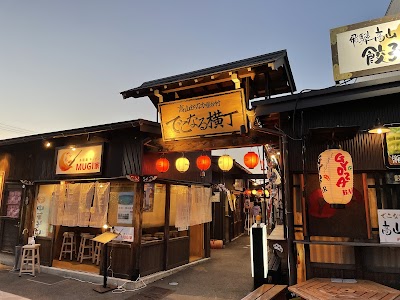
When the old town shuts down at five and the streets go dark, Dekonaru Yokochō is where the evening goes. It is a compact cluster of small izakaya stalls near the station, packed close enough that conversations bleed between them.
Grilling Hida beef, sake steam, lantern light on wet pavement: this is the warmest place in Takayama after dark, and that is not a small thing in winter. Show up by six to claim a seat because the stalls are tiny and they fill fast, especially on weekends. Bring cash because most do not take cards.
This is where you stop being a tourist for an hour. Order the Hida beef and local sake, sit at a shared counter, and let the night do what it does.
Tip: Head to this lively cluster of izakaya stalls near the station. Arrive by 18:00 to claim a seat; the alley fills fast on weekends and most stalls are cash only.
Day 3
Day three goes deeper into the mountain architecture, then up above it. You get thatched farmhouses you can actually walk inside, and a cable car that hauls you over 2,000 meters into the Alps on a glass floor.
Hida no Sato Folk Village Museum
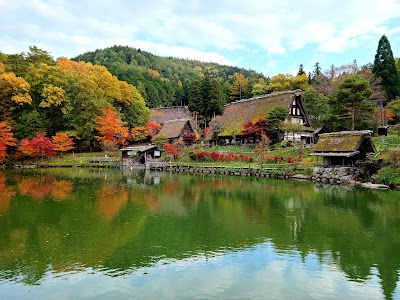
Hida no Sato is an open-air museum of over 30 gassho-zukuri farmhouses, the same style of thatched roofs as Shirakawa-go, relocated to a lakeside setting where you can actually walk inside and see how people lived. Yesterday you stood on a hill photographing roofs from a distance; today you stand inside one and realize how dark and smoky it was to live in a thatched house with a central fire pit. Romantic from outside, less romantic when your eyes are watering.
The houses were carefully disassembled and rebuilt here from villages across the Hida region, using no nails: just rope, beams, and thatch designed to shed meters of snow. You will need a short bus or taxi ride from the center to get here, and book tickets online in advance because the site manages capacity. The reward is having these houses almost entirely to yourself.
Tip: Take a short bus or taxi ride to this open-air museum of 30-plus gassho-zukuri farmhouses. Book online in advance and wear warm layers; the lakeside site gets cold.
Shinhotaka Ropeway No.2 Ropeway
The Shinhotaka Ropeway is Japan's only double-decker cable car, with a glass floor on the lower deck. It hauls you above 2,000 meters into the Northern Japan Alps, into bare rock and, in winter, deep silent snowscape.
The Hida Range is sometimes called the Roof of Japan, and on a clear day from the summit you understand why: 360 degrees of genuinely alpine-scale mountain, not foothills.
The catch is the weather. Clouds roll in by mid-afternoon and can turn this into a very expensive ride into nothing, so check the ropeway's live camera before you commit the 90-minute bus ride from Takayama. Prebook the combined bus and ropeway ticket, layer up hard because the summit can be 15 to 20 degrees colder than town, and protect your afternoon. This is the kind of view worth getting right.
Tip: Ride the double-decker cable car over 2,000 m into the Northern Japan Alps. Prebook your bus transfer and ropeway ticket in advance. Layer up; summit temperatures drop sharply above 2,000 m.
What to book ahead
- Reserve Shirakawa-go bus tickets (2–4 weeks ahead) - Nouhi Bus from Takayama sells out in peak season; book via Japan Bus Online
- Book Shinhotaka Ropeway and bus package (1–2 weeks ahead) - Round-trip bus plus ropeway combo from Takayama Station; morning departures are limited
- Reserve ryokan or onsen hotel (1–3 months ahead) - Takayama and Okuhida Onsen properties fill quickly during festivals and autumn foliage
- Check Takayama Festival dates (Before booking flights) - Spring Festival April 14–15, Autumn Festival October 9–10; hotels sell out 6+ months ahead
What to pack
Essentials
- Comfortable walking shoes - Old town lanes and alpine trails are uneven cobblestone and dirt paths
- Warm layers or light down jacket - Alpine temperatures drop sharply above 1,500 m even in summer
- Cash in Japanese yen - Many market vendors, small eateries, and temple entries are cash-only
- IC card (Suica or ICOCA) - Covers local buses and trains between Takayama, Hida Furukawa, and ropeway base
Nice to have
- Portable charger - Long alpine day-trips with heavy photo use drain batteries fast
- Travel umbrella - Takayama's mountain climate brings sudden rain showers year-round
Final take
Three days in Takayama gives you Edo-era streets that smell like cedar and brewing sake, mountain villages where people still live under thatched roofs, and a cable car ride that makes you understand why they call these the Alps.
Plan this trip
Turn this guide into an editable trip plan
Open the route in Instaboard, adjust the stops, and share the itinerary with your travel group.