Travel Guide
3 Days in Thimphu, Bhutan: Monasteries, Markets & Himalayan Views (Autumn Itinerary)
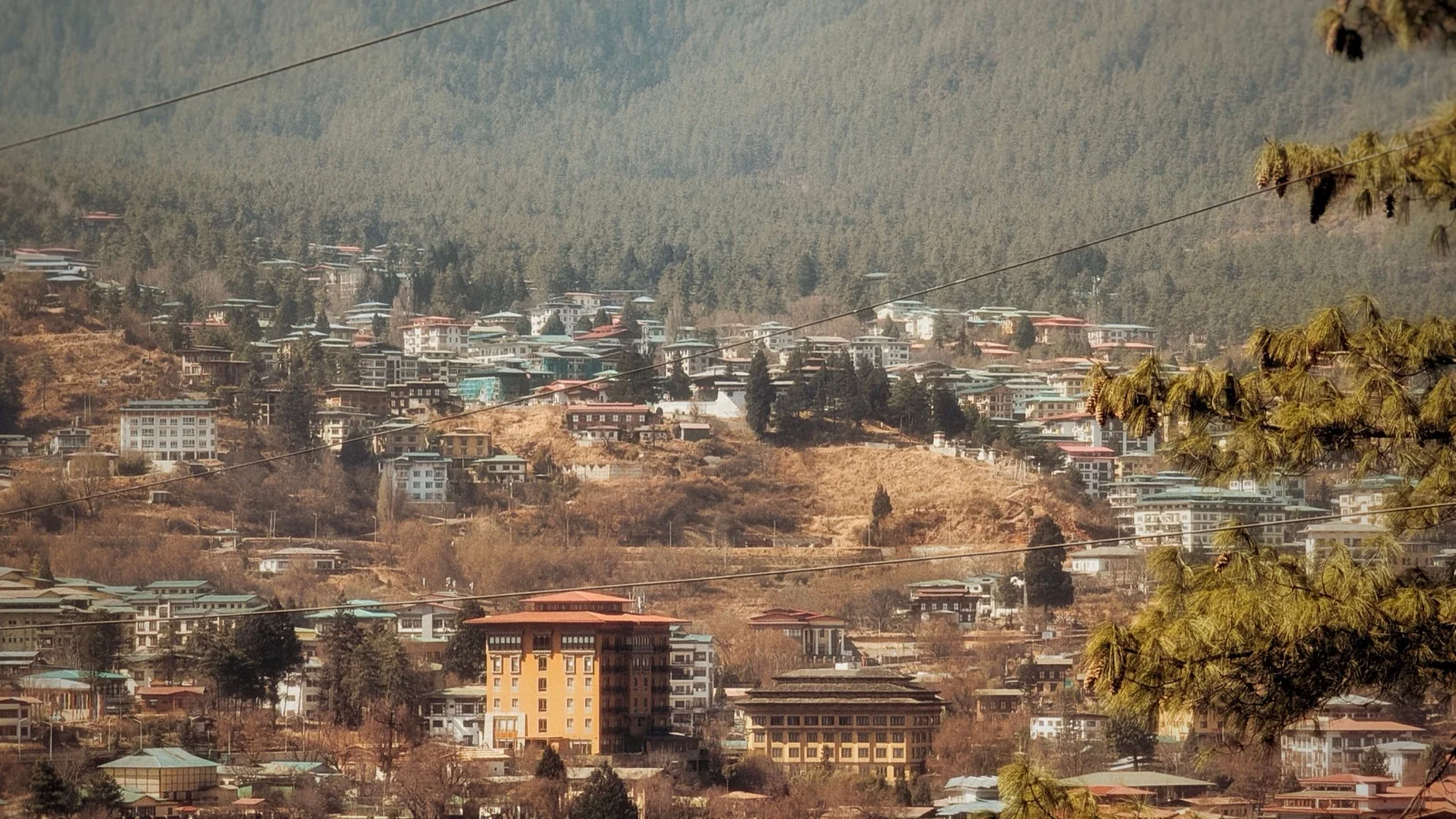
Want the editable version of this route?
Open the Instaboard template and adapt stops, timing, and notes to fit your trip.
Thimphu, Bhutan is a capital of under 200,000 people, guarded by a 51-meter golden Buddha sitting on the hills above it. Time it right and three days gets you snow peaks, living monasteries, and a fortress running a country. Time it wrong, you stare at clouds.
Autumn is the moment: October and November bring the year's clearest skies, which in Bhutan is the difference between seeing the Himalaya and guessing at it.
Day 1
Day one goes big: a golden Buddha the size of a building, the shrine the whole city circles, and the fortress where the government clocks in.
Buddha Dordenma
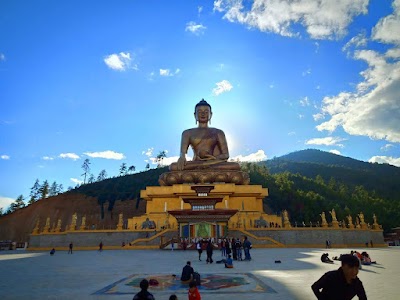
Buddha Dordenma is a 51-meter gilded seated Buddha on a hill above town, big enough to see from nearly anywhere in the capital. The twist: you can stand inside the statue you just photographed from the valley floor, chapels inside, a hundred thousand miniature buddhas shelved in the walls.
It's not ancient, either. It's a deliberately modern monument, funded largely by international donations: a twenty-first-century statue doing ancient work. Come before 9am because by mid-morning tour buses own the plaza. Early, you get a calm terrace and snow peaks behind the gold.
Tip: Arrive before 9am to beat the tour-bus crowds; dress modestly for chapel entry and walk the lower terrace for the best framing of snow peaks behind the gold.
National Memorial Choeten
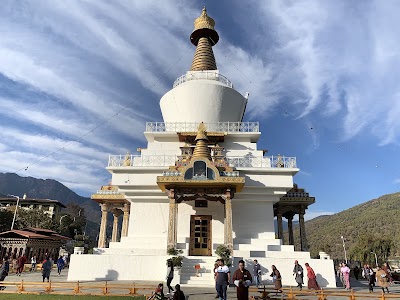
Down in town sits the National Memorial Choeten, a white shrine built for the third King, and it's the place you watch faith happen, not hear about it. Elderly devotees circle clockwise all day, spinning prayer wheels and lighting butter lamps. Nobody's performing for tourists; this happens whether you're standing there or not.
Join the circle at their speed and notice the hush: the click of wheels and butter-lamp smell inside what's basically a busy traffic junction. Fair warning from someone who tried to keep up: the grandmothers will outpace you, and you'll pretend that was your natural pace.
Tip: Walk the kora clockwise with the locals and bring small cash notes for butter lamps at the inner altar; late afternoon light is softest for photos.
Tashichho Dzong
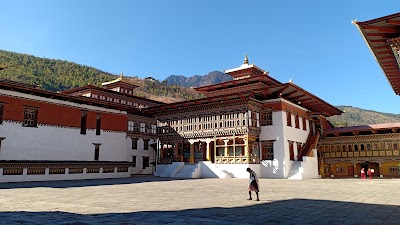
The finale is Tashichho Dzong, a fortress-monastery holding the throne room, government offices, and a monastic body; most countries separate their parliament from their monastery. It still works as both: monks cross courtyards between office blocks like it's normal, all whitewash, tiered golden roofs, and lawns that look vacuumed.
Expect golden late-day light on those walls, the Thimphu river alongside, and an evening flag-down ceremony that folds the whole day closed. Weekday entry is famously evening-only, which conveniently matches that ceremony. Bring a passport copy for the gate and confirm hours that morning.
Tip: Gates open only after 5pm on weekdays and all day on weekends; time your visit for the evening flag-down ceremony and carry a passport copy.
Day 2
Day two is about how Bhutan actually lives: the market where the city shops, a school where teenagers master old crafts, and a farmhouse frozen mid-century.
Centenary Farmers Market
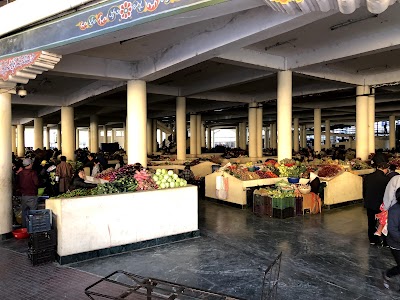
The Centenary Farmers Market is where Thimphu actually shops: farmers from across western Bhutan hauling in produce that looks nothing like a supermarket's idea of groceries. The headline is the chili display, sold by the sack, not the packet. It's a vegetable here, not a spice, sitting beside wild ferns, yak cheese, and autumn mushrooms.
Your nose arrives first: dried chili, ferment, smoke off roasted rice, and autumn means the fullest stalls of the year. Bring small ngultrum notes, aim for the Thursday-to-Sunday stretch when farmers arrive in force, and try roasted rice with butter from the upper level.
Tip: Bring cash in small ngultrum notes, go Thursday to Sunday when the weekend farmers arrive in force, and sample roasted rice with butter at the upper stalls.
National Institute for Zorig Chusum
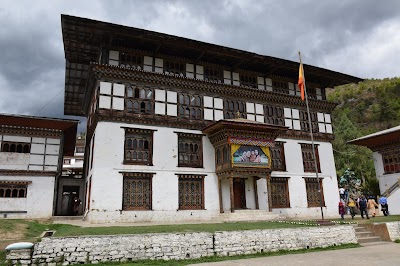
A few minutes away, the National Institute for Zorig Chusum is a working school for Bhutan's thirteen traditional crafts, with open studios you can wander. Every gorgeous Buddhist painting here started as somebody's homework. You watch teenagers paint thangkas in real time, graphite grids still visible under the gold leaf.
Go on a weekday morning because weekends leave the studios largely empty, and ask before photographing works in progress. You'll watch an 18-year-old paint a better Buddha in an afternoon than most of us could draw in a decade, and you'll have feelings about it.
Tip: Visit on a weekday morning since the studios are largely closed on weekends, and always ask before photographing works in progress.
Folk Heritage Museum Kawajangsa
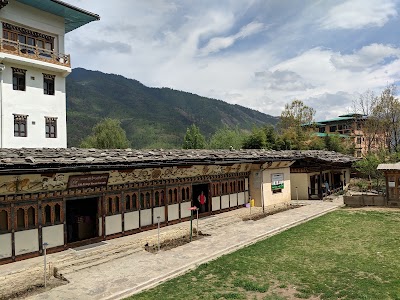
A short walk from the school, the Folk Heritage Museum is a restored 19th-century rammed-earth farmhouse: three floors, one kitchen, smoke-blackened rafters and all. Most of the world preserves palaces; Bhutan preserved the farmhouse, because that's where the culture actually happened. This is grandparents' history, not ancient history.
Inside you get cool earthen walls, low doorframes that force a bow, and woodsmoke baked into the beams; the house is small, dark, and warm by design. Entry includes a guided walk, but if you want the traditional lunch with ara tasting, book that at least a day ahead.
Tip: Tickets include a guided walk through the rooms and garden; if you want the traditional buffet lunch with ara tasting, book it at least a day in advance.
Day 3
Day three goes vertical: a real forest hike to a working monastery, then the country's biggest mountain panorama, ending above the capital at dusk.
Tango Choeying Phodrang
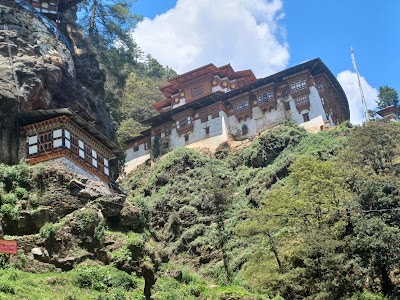
Tango is a medieval monastery that's still a Buddhist college. There's no parking lot, just an hour-long forest hike, because the walk is the point. You'll pass blue-pine forest, prayer-flag ridges, and macaques crashing through branches, and the monks you pass live up there; the college has trained lamas for centuries.
Take a taxi to the trailhead and start by 8am; the climb is pleasant in cold morning shade, and you're down before clouds build. Two honest warnings: the monkeys are bold and food-motivated, and the final stretch is steeper than the guidebooks' 'gentle' suggests.
Tip: Take a taxi to the trailhead, start by 8am, wear warm layers, and keep food packed away; the macaques are bold.
Dochula Pass
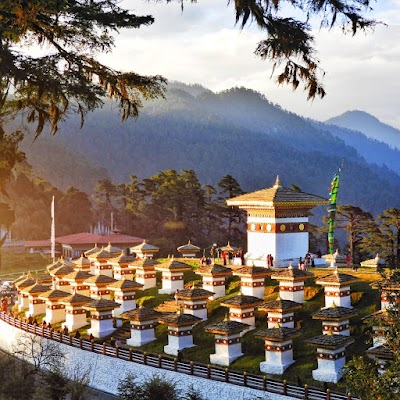
After the hike, a 45-minute drive climbs to Dochula Pass at 3,100 meters, where 108 white chortens face the entire eastern Himalayan wall. One hundred eight is a deliberate Buddhist number, and the royal family built these chortens as a memorial: a monument with its own mountain audience.
Expect thin air, wind flattening the prayer flags, and the particular silence of a place where everyone has gone quiet on their own. Arrive by early afternoon because mountain clouds build through the day; the difference can be the whole panorama or a white wall.
Tip: Arrive before 2pm to beat the clouds and bring a warm layer for the viewpoint at 3,100m.
Sangaygang View Point
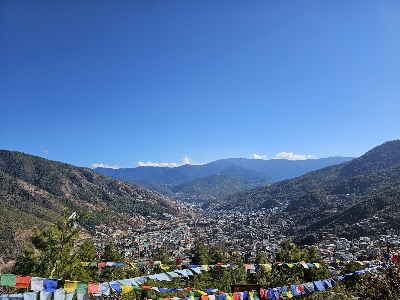
Back above the capital for the final frame, Sangaygang is a prayer-flag meadow ridge with the definitive panorama of the whole valley. From up here the entire capital fits in one frame: a national capital scaled like a modest town, which explains a lot about Bhutan.
Sunset doubles the payoff: flags cracking in the ridge wind while the valley lights tick on below and the sky's still lit. Arrange a pickup time with your taxi because drivers aren't always waiting up here after the sun drops.
Tip: Time your taxi up for sunset, when the valley lights flicker on below, and bring a warm layer; the ridge turns cold fast after dusk.
What to book ahead
- Arrange Bhutan visa/SDF and licensed guide (3-4 weeks before arrival) - Bhutan requires pre-arrival registration; most visitors must travel with a licensed guide
- Book Thimphu accommodation (2-4 weeks before) - Autumn is peak season; central Thimphu hotels near the dzong fill first
- Reserve farmhouse lunch at Folk Heritage Museum (1-2 days before Day 2) - The traditional meal with ara tasting is prepared in limited batches
- Arrange Day 3 vehicle and driver (Day before) - Tango trailhead and Dochula Pass require a full-day car transfer; confirm an early 7:30am pickup
What to pack
Essentials
- Warm layers - Autumn days are sunny but Thimphu nights and Dochula Pass (3,100m) drop near freezing
- Cash in ngultrum - Markets, craft stalls, and small museums are cash-first; ATMs are limited
- Broken-in hiking shoes - Tango Monastery trail climbs 1 hour on roots and rocks
- Sunscreen and sunglasses - Strong high-altitude UV on exposed viewpoints and ridgelines
- Modest clothing (shoulders/knees covered) - Required for entry into dzongs, temples, and monasteries
Nice to have
- Binoculars - Dochula's snow-peak panorama and takin viewing are better with optics
- Scarf or buff - Wind chill hits fast at sunset viewpoints like Sangaygang
- Reusable water bottle - Staying hydrated helps at altitude; refill at hotels to cut plastic waste
Final take
That's Thimphu: a tiny capital making enormous statements, from a gold giant to a smoky farmhouse, all under the year's clearest peaks.
Plan this trip
Turn this guide into an editable trip plan
Open the route in Instaboard, adjust the stops, and share the itinerary with your travel group.