Travel Guide
Tokyo 4-Day Itinerary for First-Timers
Want the editable version of this route?
Open the Instaboard template and adapt stops, timing, and notes to fit your trip.
Tokyo is a city where a temple gate, a snack-packed street, and a skyline that looks endless can all happen before dinner. Done well, this trip feels huge in a good way; done badly, you mostly meet queues, crowds, and your own tired judgment.
Spring here is mild but busy. Earlier starts help, blossoms pull crowds fast, and a rain backup plan keeps the day from going sideways.
Day 1
First up, Tokyo introduces itself properly: temple theatrics, snack-street chaos, then a view that explains the city's scale.
Sensō-ji
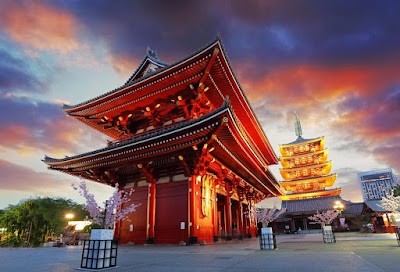
Sensō-ji is Tokyo's famous old temple in Asakusa, and for a first-timer it delivers the classic image immediately. You get the giant gate, incense smoke, lantern red, and that low murmur of people trying to be respectful while filming everything.
The contrast is what lands: the approach feels staged, then the main hall reminds you this is still an active religious site. Go in the morning, because later the photo bottlenecks and tour groups turn the place into a very polite human traffic event.
Tip: Arrive early for the main hall and photo spots before tour groups. Bring coins for offerings and keep your voice low in prayer areas.
Nakamise Shopping Street
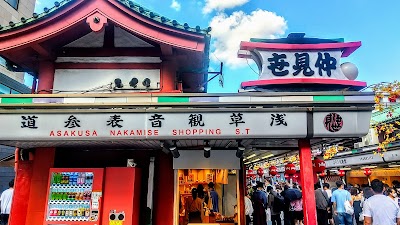
Right outside Sensō-ji, Nakamise is the shopping street leading into the temple, and it is really part of the temple experience rather than a separate attraction. This is where pilgrimage meets commerce: sweets, fans, paper goods, lanterns overhead, and people negotiating space at half-speed.
It works better as a moving scene than a shopping mission. Walk the full stretch before buying anything, unless you enjoy spending your snack budget at the first convincing smell.
Tip: Walk the full corridor before committing to snacks or crafts. Pay cash when possible and browse before late-morning queues form.
Tokyo Skytree
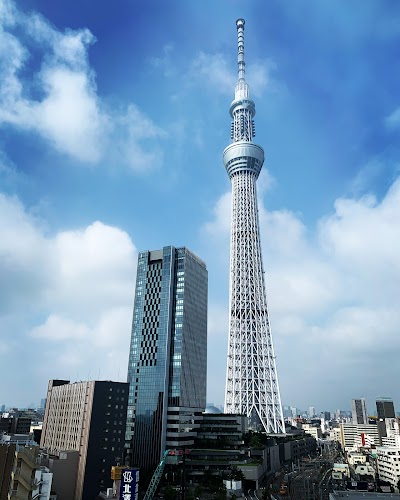
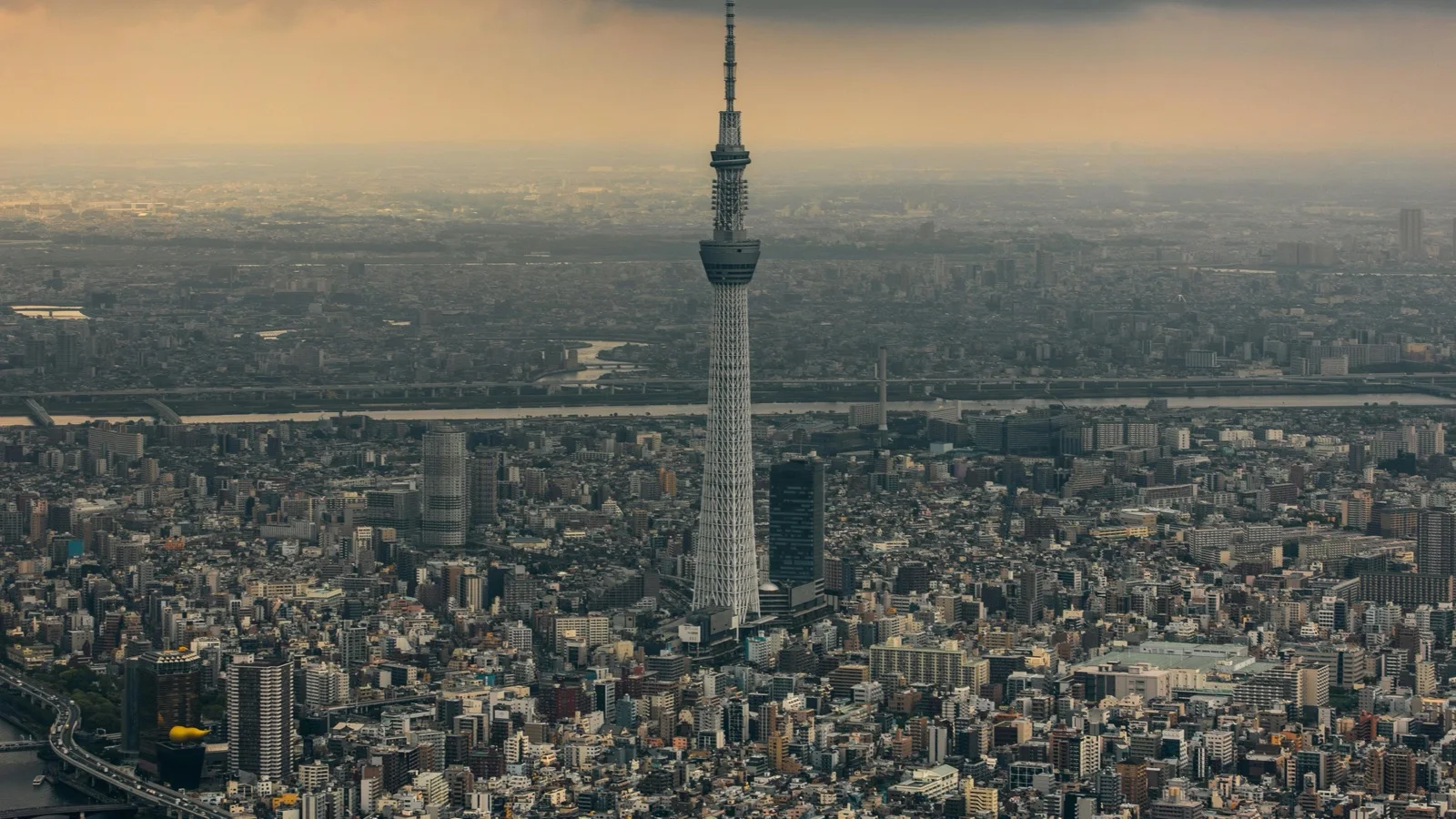
Tokyo Skytree flips the day from old Asakusa texture to modern scale. Seeing the city from above genuinely changes what Tokyo even is.
The tower itself is an engineering flex, but the real payoff is Tokyo turning from neighborhoods into something almost abstract. Check visibility before committing, because a skyline hidden in haze is a fairly expensive philosophy lesson.
Tip: Go after lunch for smoother pacing. Check the forecast for visibility and buy tickets online to skip peak lines.
Day 2
Day two is softer at first: spring park energy, then actual historical context, then a market that turns the volume back up.
Ueno Park
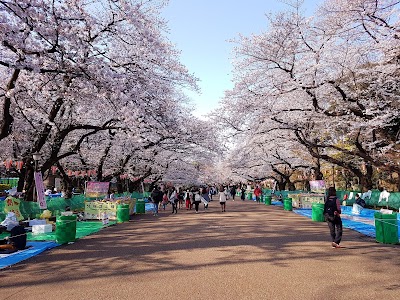
Ueno Park is one of Tokyo's big public park and museum zones, and in spring it feels like the city showing up for itself. People come for blossoms, but what sticks is the mix of tree canopy, picnic energy, crows, cameras, and very coordinated relaxation.
It is useful for first-timers because you see Tokyo as lived-in public space, not just neon and transport diagrams. During blossom season, pick a few paths and enjoy them properly; trying to conquer the whole park is mostly crowd management with flowers.
Tip: Go in the morning for a relaxed loop. In spring, pick a few blossom-lined paths and save energy for museum time.
Tokyo National Museum
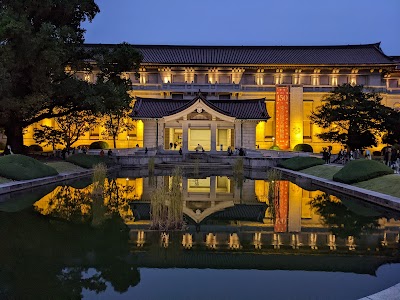
The Tokyo National Museum gives you the missing context for half the things you have already admired. Screens, swords, lacquer, ceramics, and shrine objects stop being random beautiful items and start connecting.
Do not try to do everything. After a while, even excellent art becomes a blur and you develop sudden fake confidence about pottery. Focus on one or two galleries, because that is how the museum actually helps.
Tip: Check last-entry times and book ahead when special exhibitions are running. Focus on one or two galleries to avoid museum fatigue.
Ameyoko market
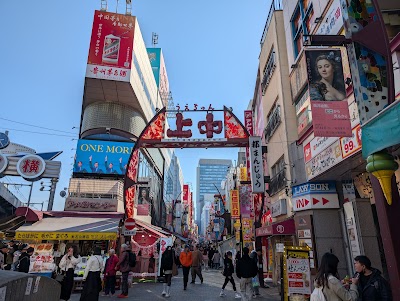
By evening, Ameyoko gives Ueno a completely different face: louder, rougher, and much less interested in elegance. It runs under and around the rail lines, with vendor calls, grill smoke, bright signs, and that compressed market energy Tokyo does so well.
This stop matters because it counters the polished version of the city. Tokyo can be scrappy too, and it is more fun for it. Treat it like a grazing zone instead of one grand dinner plan, and keep moving until a stall actually looks worth your stomach space.
Tip: Perfect for casual eats and bargain browsing. Some stalls wind down earlier than nightlife hubs, so do not arrive too late.
Day 3
Day three is Tokyo mood swing at its best: forested shrine calm, Harajuku overload, then the whole city glowing beneath you.
Meiji Jingu
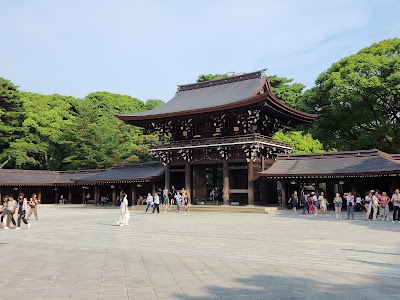
Meiji Jingu is a major shrine set inside a wooded approach, right next to some of Tokyo's busiest shopping districts. The trick here is the transition: city noise drops off, gravel starts crunching, and suddenly the pace feels suspiciously reasonable.
It has a different historical texture from Asakusa, tied more to modern imperial Japan than to Tokyo's older temple identity. Do not rush straight to the gate photo, because the long walk in is what makes the calm feel earned before Harajuku hits.
Tip: Walk the wooded approach for a quiet reset. Morning is best for photos and a calmer feel before shopping crowds arrive.
Takeshita Street
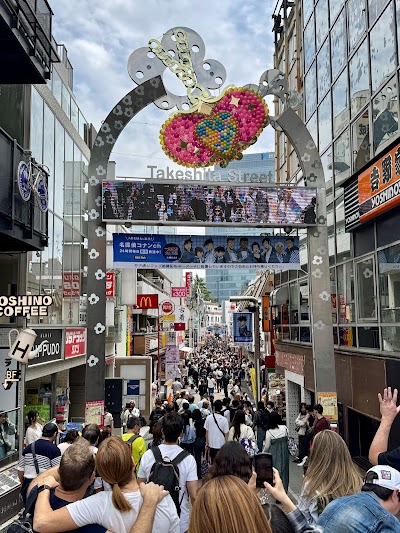
Takeshita Street does the exact opposite: a tiny Harajuku lane with an outsized reputation for youth fashion and sugar-fueled chaos. It is famous less for one sight than for pure compression: bright storefronts, music spill, sweets, phones up, and movement that barely counts as walking.
It is worth seeing because it explains a real part of Tokyo's style image, but it is absolutely not a serene cultural revelation. Walk through once, take it in, then duck into side streets if you want to browse without feeling gently processed by a crowd.
Tip: Go on a weekday if you can and keep valuables secure in tight crowds. Duck into side streets when the lane bottlenecks.
Shibuya Sky
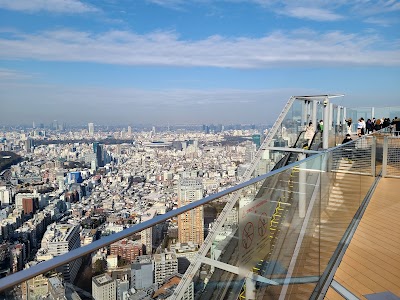
Shibuya Sky is the payoff stop: an open-air observation deck above one of Tokyo's most recognizable chaos zones. What makes it work is the contrast between rooftop calm and the city grid below, with trains, towers, and crossing lights all suddenly legible.
Go around sunset if you can. Daylight helps you read the city, then the lights take over and Shibuya turns properly electric. Reserve early if sunset timing matters, because those slots are the ones everybody else also had the bright idea to want.
Tip: Reserve a sunset slot well ahead in spring. Arrive early for security lines and bring a light jacket for rooftop wind.
Day 4
The last day leans modern and a little strange: market breakfast, immersive art, then the skyline from across the water.
Fish Market Tsukiji Outer Market
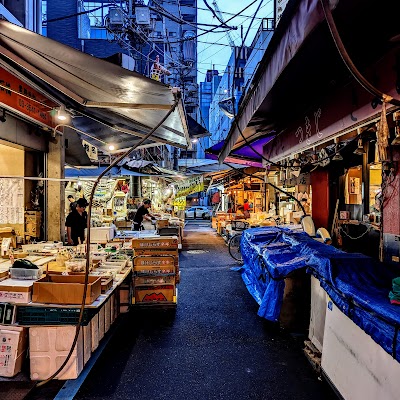
Tsukiji Outer Market is where first-timers get a compact dose of Tokyo's food obsession without needing a ceremonial multi-course commitment. The real appeal is grazing: seafood smells, steam, knives, queues, and constant indecision about whether your next bite should be sensible.
Even after the wholesale market moved, this area still feels tied to Tsukiji's identity as a serious food district. Go early, because the market makes more sense when the selection is fuller and the lines have not turned breakfast into a spectator sport.
Tip: Arrive early for the shortest lines and best selection. Bring cash and make small orders at multiple stalls rather than one big meal.
teamLab Planets TOKYO DMM
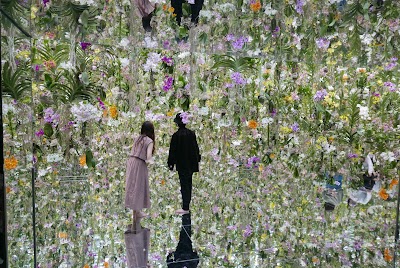
teamLab Planets is Tokyo doing immersive digital spectacle with complete confidence and only minor concern for your dignity. You move through water, mirrors, darkness, color, and shared confusion, so the art is something you walk through rather than just look at.
It is a useful contrast on this trip, because Tokyo is not only history and street life. It also builds very polished modern weirdness. Book ahead if you can, since the fixed timed entries are the main friction and spontaneity is not really the house style here.
Tip: Book timed entry in advance. Wear easy-to-roll pants and plan for water areas; a small towel helps.
Odaiba Seaside Park
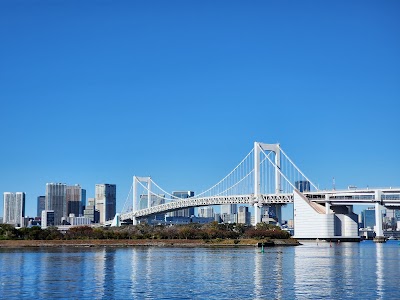
Odaiba Seaside Park closes things out with a different version of Tokyo: open waterfront, wider views, and a skyline you can finally observe from a distance. After denser neighborhoods, the breathing room is the whole point: bay water, bridge views, softer city noise, and noticeably fewer elbows.
It also says something real about Tokyo, which keeps reinventing its waterfront into leisure space instead of leaving it as background infrastructure. Come toward evening if you can, when the light softens and the city stops feeling like pressure and starts looking a bit cinematic.
Tip: Slow down with bayfront views and wide paths. Sunset is ideal, but pack a layer since temperatures drop near the water.
What to book ahead
- Book Tokyo National Museum entry (1-7 days ahead) - If tickets/slots are offered, booking ahead reduces waits; confirm last entry time.
- Book Shibuya Sky timed entry (7-21 days ahead) - Choose a sunset slot; arrive early for security and rooftop wind.
- Book teamLab Planets timed entry (7-21 days ahead) - Wear easy-to-move clothing; expect water areas and line management at peak times.
- Map early-morning Tsukiji plan (Night before) - Pick 3-5 stalls to target; go early to reduce queues and sell-outs.
What to pack
Essentials
- Comfortable walking shoes - Daily routes are transit-heavy with lots of standing and long station corridors.
- Light jacket or layer - Spring mornings and bayfront evenings can feel chilly and windy.
- Small umbrella or packable rain shell - Spring showers are common and plans stay smoother with quick coverage.
- Reusable water bottle - Hydration helps on long walking days; refill between stops.
Nice to have
- Portable battery pack - Navigation, tickets, and photos drain phones quickly on a multi-stop loop.
- Hand towel - Useful for markets, gardens, and water-themed experiences.
- Cash (small bills/coins) - Some snack stalls and small shops are faster with cash.
Final take
What makes Tokyo stick is how casually it jumps from ritual to noise to scale to weirdness, then somehow still feels coherent.
Plan this trip
Turn this guide into an editable trip plan
Open the route in Instaboard, adjust the stops, and share the itinerary with your travel group.