Travel Guide
Tottori 3-Day Sand Dunes + Coast Escape
Want the editable version of this route?
Open the Instaboard template and adapt stops, timing, and notes to fit your trip.
Japan has a sixteen-kilometer desert next to the ocean, and almost nobody outside the country knows it. Get the timing wrong and you'll burn your best hiking weather indoors, or hit the dunes right when the tour buses show up.
Autumn here means the mountainside turns red and gold, crab season opens, and the dune air actually feels good.
Day 1
Day one is the coast: dunes that look nothing like Japan, indoor sand sculptures, and a seaside shrine built on a rabbit myth.
Tottori Sand Dunes
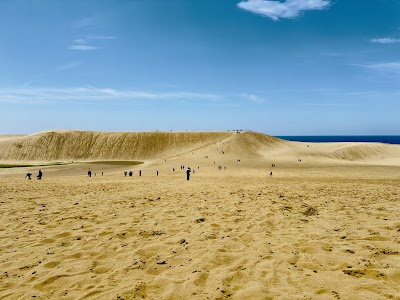
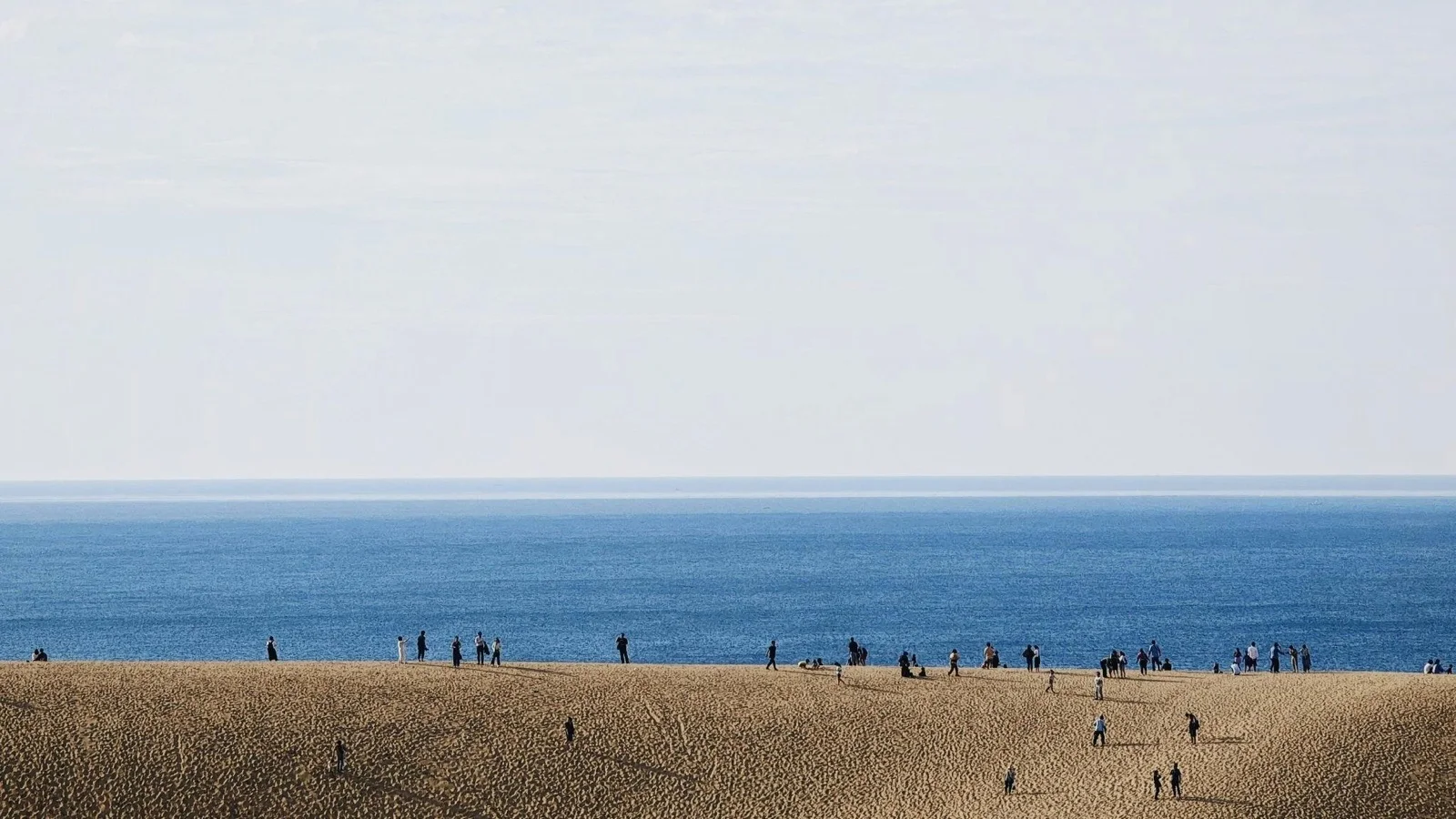
The Tottori Sand Dunes are sixteen kilometers of coastal desert pushing fifty meters high. This does not look like Japan. A hundred thousand years of sediment from the Chugoku Mountains, shaped by wind into ridges and bowl-shaped depressions called suribachi.
Morning is the move because by midday the sand radiates heat and tour buses from Tottori Station have arrived. You can ride a camel on this. The whole area is a UNESCO Global Geopark, and drawing in the sand carries a fifty-thousand-yen fine.
Tip: Arrive early to beat the midday sun and crowds. Camel rides and sandboard rentals operate from the visitor center near the main gate.
The Sand Museum
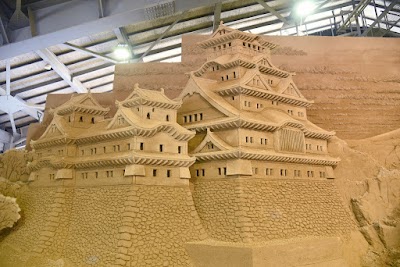
Five minutes away, the Sand Museum is the world's only indoor sand-sculpture museum. Room-scale works held together by compaction and water. The current exhibition traces Japanese history in packed beach sand. Next year they bulldoze it all and rebuild with a Spain theme.
Every sculpture survives on compaction and a light water spray. One bad sprinkler malfunction and the show is over. It's fully indoors, so it works as an afternoon refuge when the wind picks up. Allow about an hour and walk around each piece completely.
Tip: Book tickets online in advance as the annual themed exhibition draws large weekend crowds. Photography is permitted inside the hall.
Hakuto Shrine
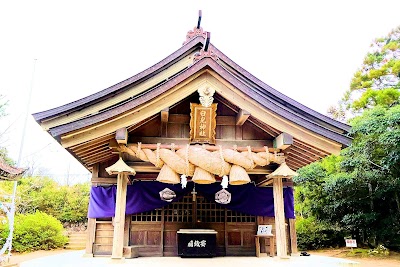
Fifteen minutes down the coast, Hakuto Shrine is ground zero for the White Rabbit of Inaba, from the Kojiki, Japan's oldest surviving chronicle. A rabbit tricks sharks into a bridge, gets caught, loses its fur, and is healed by a kind god. It's Japan's oldest love story.
The approach runs through pines with salt air and the sound of surf. The torii gate frames open ocean, and late-afternoon light turns everything amber. It's a certified matchmaking site now. People pray for romance and buy rabbit amulets. The shrine is modest; the setting is the whole point.
Tip: Walk the short pine-lined path from the parking area to the shrine's sea-facing torii gate. The setting is especially atmospheric at sunset.
Day 2
Day two goes inland and up: autumn foliage on a sacred mountain, a temple that survived its own government, and a moss-covered stone path through ancient cedars.
Daisen
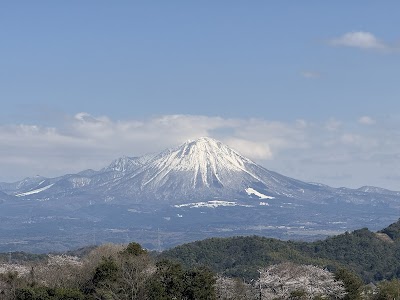
Daisen is 1,729 meters, the tallest peak in the Chugoku region. Locals call it the Mt. Fuji of the West. The Motodaisen trail climbs through beech and maple that goes gold and red in late October. Clear days reveal views to the Sea of Japan.
This was a shugendo center for centuries, where ascetics trained on the slopes, and the trail still passes remnants of that spiritual infrastructure. Start early because the mountain eats daylight and clouds roll in by afternoon. A ten-degree day at the base can feel near freezing above 1,200 meters.
Tip: Layer up for the mountain. Temperatures drop fast above 1,000 m even in autumn. The Motodaisen trailhead has a small rest house with warm drinks.
Daisenji Temple
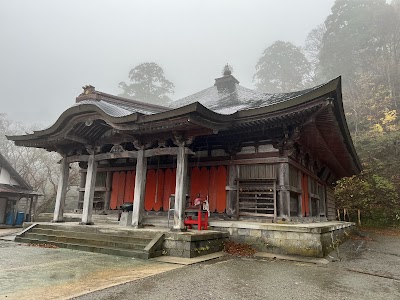
On the mountain's mid-slopes, Daisenji is a Tendai Buddhist temple that once controlled estates worth 3,000 koku, basically a small feudal domain run by monks. The Meiji government forcibly closed it in 1875. It stayed shut for nearly thirty years. The Amida-do hall from 1552 is still standing.
The thatched Amida-do against autumn foliage is the postcard. A 1928 fire destroyed much of the complex, so the scale is smaller than the history suggests. The grounds are free to walk. The treasure hall keeps irregular hours, so confirm locally before banking on it.
Tip: The temple grounds are free to explore, but the inner treasure hall has limited opening hours. Check times before heading up.
Ogamiyama Shrine Okunomiya
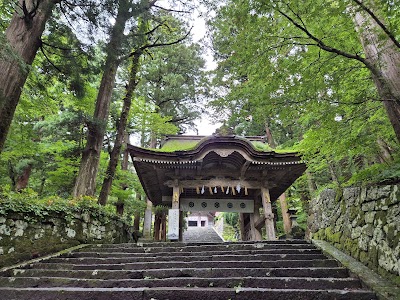
The approach to Ogamiyama Shrine is Japan's longest natural stone path, cutting through cedar and beech that canopy overhead in red and gold. This shrine was carved out of Daisenji during the Meiji separation of Shinto and Buddhism. They're still basically next door. Bureaucracy meets geography.
Damp stone, cedar scent, the hush of dense canopy. Autumn leaves land on the moss and stay there. The moss-covered steps plus wet autumn leaves are a genuine slip hazard. Sturdy shoes aren't optional. The walk is short but demands attention underfoot.
Tip: Reserve enough time for the moss-covered stone stairway approach through towering cedars. The path can be slippery with autumn leaves, so wear sturdy shoes.
Day 3
Day three is Sakaiminato: a town that went all-in on monsters, a museum for the one-armed man who drew them, and a port where the crab is surprisingly cheap.
Mizuki Shigeru Road

Sakaiminato built an 800-meter street with 177 bronze yokai statues to honor Shigeru Mizuki, creator of GeGeGe no Kitaro. It's an open-air museum of Japanese monsters. The town didn't stop at the street. Manhole covers, street signs, the train station, all yokai-themed. Most towns give a famous son one statue. This one built 177.
Grab a stamp rally card at the tourist office near the station. It sounds like a kids' thing but it genuinely makes you notice details you'd otherwise miss. Morning is the quiet window because cruise groups flood the street later. A quick yokai primer beforehand helps. Context makes the statues stick.
Tip: Start at the JR Sakaiminato station end and walk the full 800-meter stretch. Pick up a stamp rally card at the tourist office to collect brass rubbings.
Mizuki Shigeru Museum
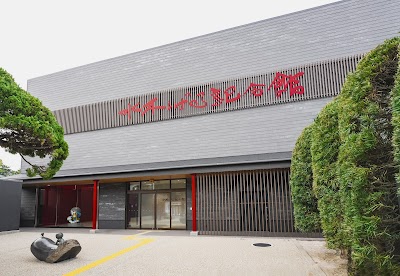
The Mizuki Shigeru Museum reopened in April 2024 after a full renovation. If the street is the appetizer, this is the main course. Mizuki lost his left arm in the war and drew his whole career with one hand. He's the reason yokai still exist in the modern Japanese imagination.
The new grotto installation uses darkness and sound to put you inside the folklore. Most exhibit text is in Japanese, so a translation app helps. Combo tickets at the tourist office bundle the museum with a guided street tour. Advance booking is smart on weekends because the renovation brought a new wave of visitors.
Tip: Buy a combo ticket that includes both the museum and guided walking tour of the yokai street. The reopened 2024 galleries are immersive.
Sakaiminato Marine Products Direct Sales Center

A short walk from the museum, this is a working fishing port's direct-sales market, functional, not curated, where the morning's catch goes straight onto ice. Tottori catches three times more crab than Hokkaido. From Japan's least-populated prefecture. Autumn brings beni-zuwaigani from September and matsuba crab from November.
Late morning is when the freshest stuff is laid out. Too early and vendors are setting up, too late and the best items are gone. Bring cash because most vendors don't take cards. Order the seasonal crab. You're eating better here for less than you'd pay in Tokyo.
Tip: Arrive by late morning when the day's freshest Matsuba crab and seafood bowls are available. Most vendors accept cash only, so bring yen.
What to book ahead
- Reserve Misasa Onsen ryokan (4-6 weeks ahead) - Weekend autumn dates book fast for radium-rich private baths
- Book Sand Museum tickets (1-2 weeks ahead) - Annual themed exhibitions draw weekend crowds; online booking saves queue time
- Check Daisen trail conditions (1 day before) - Autumn weather can close upper trails; verify at the Daisen Information Center
- Reserve rental car or JR passes (3-4 weeks ahead) - Public transit between Tottori, Daisen, and Sakaiminato is limited; a car is strongly recommended
What to pack
Essentials
- Hiking boots - Essential for Daisen trails and the steep NageireDou approach
- Warm layers - Mountain temperatures on Daisen drop sharply above 1,000 m in autumn
- Cash in yen - Many smaller vendors and rural attractions do not accept cards
- Windbreaker - Sea of Japan coast winds are strong and chilly in autumn
Nice to have
- Sandboard - Rentals available at the dunes but having your own gear gives more flexibility
- Portable charger - Long hiking and walking days drain phone batteries quickly
- Swimsuit - Needed for onsen baths and Uradome Coast beach stops
Final take
Three days: desert, sacred mountain, ancient myth and modern monsters, and the best crab in Japan from the prefecture nobody visits. That's Tottori.
Plan this trip
Turn this guide into an editable trip plan
Open the route in Instaboard, adjust the stops, and share the itinerary with your travel group.