Travel Guide
Udaipur in 3 Days: Lakes, Palaces & Winter Sun (Full Itinerary + Editable Trip Template)
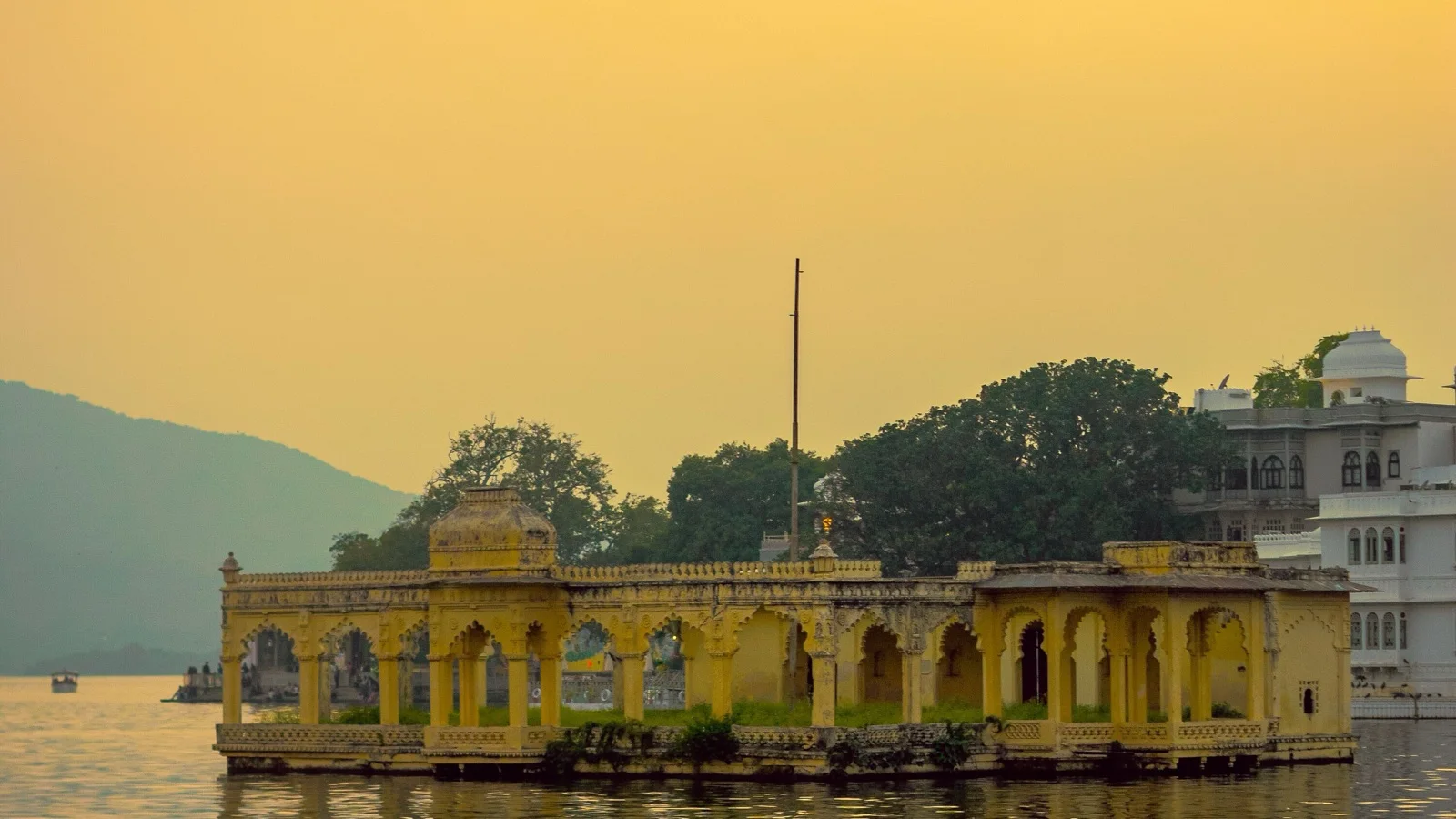
Want the editable version of this route?
Open the Instaboard template and adapt stops, timing, and notes to fit your trip.
Udaipur is the Indian city where the kings stacked white palaces above a lake just to prove a point. Three days here go fast, and the difference between a good trip and a great one is mostly knowing which lake, which palace, and when.
Come between November and February: cool, clear days, and the evening light over the lakes is genuinely the best show in town.
Day 1
Day one is the postcard day: one enormous palace, a carved temple in its shadow, and the boat ride that ties it all together.
City Palace
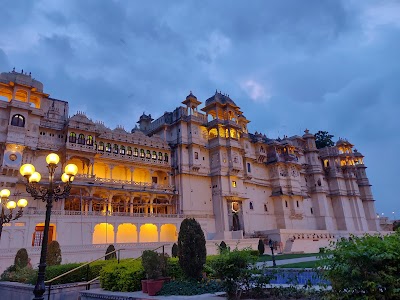
City Palace is Rajasthan's biggest palace complex, white courtyards stacked up a hillside above Lake Pichola, and the reason every Udaipur photo looks like that. It grew wing by wing because each maharana kept adding on; Mewar's kings never bowed to the Mughals, and the scale is their argument.
Narrow passages pop open into blinding courtyards, peacock mosaics, and lake glare off the balconies; do the lake-facing terraces before the rooms.
Show up at the 9:30 opening with the online ticket sorted; by eleven the buses own it, and the glass-furniture Crystal Gallery takes separate cash.
Tip: Arrive right at the 9:30 am opening to beat the tour-bus crowds. Book your composite ticket online in advance to skip the queue, and keep some cash for the separate Crystal Gallery entry.
Jagdish Temple
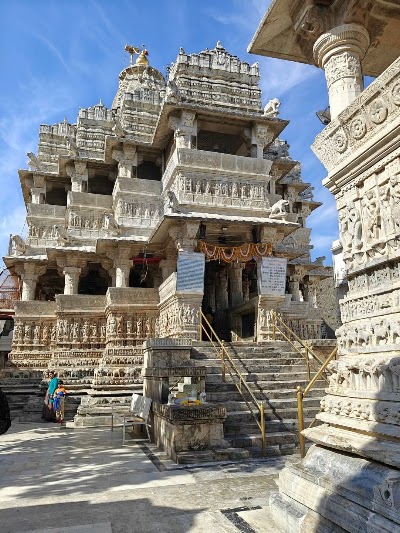
Two minutes downhill from the palace gate, Jagdish Temple is a living 1600s temple still doing actual worship, carved on every vertical inch. Gods, dancers, musicians: the stone reads like it's auditioning, and the best of it is above eye level, so keep your chin up.
You'll go barefoot, and the stone is genuinely cold in December: bell clang, incense, and a floor temperature that's basically the real tour guide.
No booking drama here; the friction is shoes and steps, so leave them at the stall and mind your pockets in the squeeze.
Tip: Walk two minutes downhill from the City Palace gate. Reserve a guided temple tour ticket in advance for the carved tiers, remove shoes at the entry, and visit before 10:30 am when the crowd thickens.
Lake Pichola
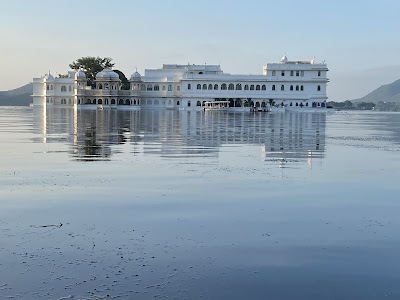
Lake Pichola is the man-made lake the palace was built to look at, and the sunset boat is the single most Udaipur thing you can do. You drift right past the Lake Palace; the white building sitting mid-water is somebody's extremely expensive hotel room, and half the boat is photographing it.
The five o'clock sunset boats sell out in peak winter, so prebook from Rameshwar Ghat by the palace; earlier boats are emptier but flatter.
Grab the side facing the island palaces and keep your layer on. The marble goes pink, then the wind arrives the second the sun drops.
Tip: Board the boat at Rameshwar Ghat beside the palace. The 5 pm sunset cruise sells out in peak winter, so prebook your slot at least an hour in advance.
Day 2
Day two swaps postcard for paycheck: a queen's garden, the lake where locals actually spend their evenings, and a village's worth of crafts.
Saheliyon ki bari
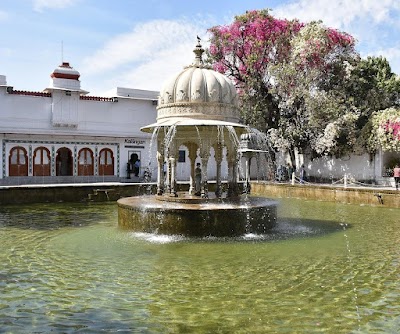
Saheliyon ki Bari means garden of the maidens, a small pleasure garden built so the queen and her ladies had a world of their own. A place whose founding policy was roughly no-men-allowed is now enjoyed mainly by uncles photographing the fountains, lotus pools, and marble elephants sprinkling mist.
Come at opening because by mid-morning it's school groups and wedding shoots; an hour here resets your pace after a full day of stone.
It's tiny by design: the fountains are the point, not the lawns, and it's a short hop to Fateh Sagar next.
Tip: Opening hour is calmest for the lotus pools, fountains, and marble elephants. Buy the small entry ticket at the gate and go on a weekday to dodge weekend crowds.
Fateh Sagar Lake
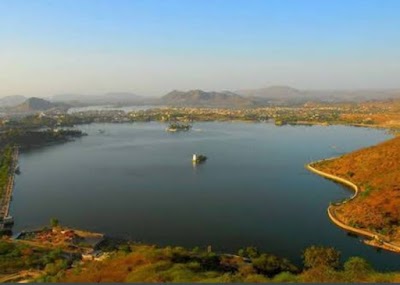
Fateh Sagar is Udaipur's second great lake, and the honest one; ask any local which lake they actually visit, and it's this promenade. It's snack carts, roasted-corn smoke, boats to a little island park, and the Aravalli hills doing free backdrop duty, with no palace formality anywhere.
Afternoon into evening is the move: light on the hills first, then the promenade fills as the city gets off work.
The correct posture is holding something roasted, slightly cold, quietly judging other people's snack choices, and walking the ring rather than driving it.
Tip: Take a five-minute taxi hop from Saheliyon ki Bari, then walk the waterside promenade. Keep small cash notes handy for the street food stalls by the shore.
Shilpgram
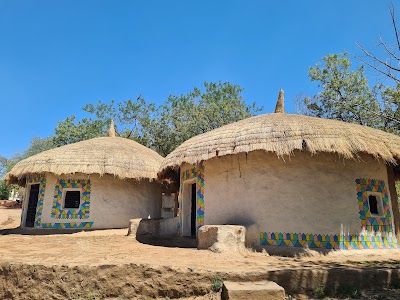
Shilpgram is an open-air museum of rural western India: replica huts, working artisans, folk performances, a curated stand-in for a week of village roads. Yes, it's a showcase rather than a real village, but the artisans are doing their actual work, with drums from the amphitheater, dye pots, woodsmoke.
Go in the afternoon because that's when the folk shows run; turn up late and the stalls are already winding down.
Entry's cheap at the gate, but the artisan stalls run on cash; buy from whoever's demonstrating, and you're buying from the maker.
Tip: Time your visit for the open-air folk performances. Check winter opening hours before you go, as entry tickets are cheap and most artisan stalls only take cash.
Day 3
Day three goes out on a limb: marble memorials for the kings, a forested hill with a maybe-panther, and the sunset the whole trip climbs toward.
Ahar Museum
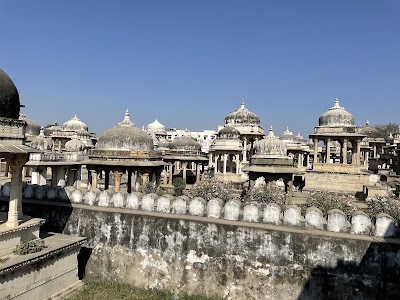
Ahar is the royal cremation ground, a whole field of marble cenotaphs, one pavilion per ruler across centuries, and it's usually near-empty. These are cremation memorials, not tombs, a stone family tree of the dynasty, with low sun through the columns, pigeons, dust, near silence.
The most relaxing spot in Udaipur turns out to be a royal cremation ground, which tells you everything about crowd levels everywhere else. It sits east of the center off the old-city walking loop, so plan the ride; a weekday morning gives you soft light and no queue.
Tip: Book the museum entry ticket in advance for the quiet morning hour. Reach the marble chhatris by 9 am for soft light, with no ticket line on weekdays.
Sajjangarh Wildlife Sanctuary
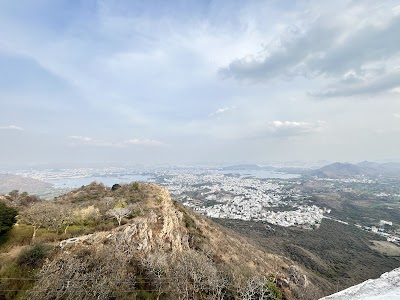
Below the Monsoon Palace sits the Sajjangarh sanctuary, the old royal hunting forest, now walked rather than hunted, on the hill you're climbing anyway. There's a panther hide, there are panthers, and the two almost never coordinate; every guide knows someone who saw one once.
Dry leaves, cicadas that suddenly go quiet when something moves: a rare attraction you walk through at your own pace, not herded.
Do the trail in the afternoon because it hands you the sunset at the palace above. Wear closed shoes, and let the forest set the pace.
Tip: Book the jungle safari jeep in advance at the sanctuary gate, or simply walk the nature trail past the bats cave before the 5 pm closing time.
Monsoon Palace
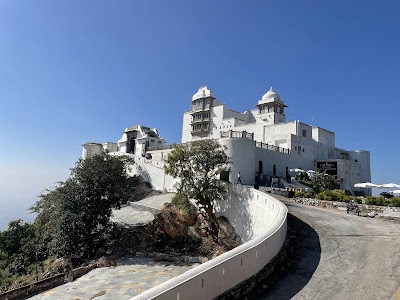
The Monsoon Palace is a white hilltop ruin with the widest panorama in the city, and yes, the Bond villain's lair from Octopussy. It's named after the monsoon and best visited in the exact season there isn't one; winter's dry air is why you can see anything at all.
Claim terrace space around 5:30, because everyone converges on the same sunset and late arrivals watch it over other people's heads.
Sort your ride down before dark, because the hill gate closes soon after; watching the whole terrace remember this simultaneously is Udaipur's best group activity.
Tip: Line up on the sunset terrace by 5:30 pm as the Aravallis glow orange. The hill road gate closes soon after dark, so prebook your return jeep transfer downhill.
What to book ahead
- Book City Palace composite tickets online (1-2 weeks ahead) - Skips the ticket queue; add the Crystal Gallery only if you have energy left.
- Reserve Bagore Ki Haveli folk show seats (2-3 days ahead) - The 7 pm show fills nightly in winter peak; front rows go first.
- Prebook Sajjangarh safari jeep and Monsoon Palace sunset entry (3-4 days ahead) - Sunset slots and return transfers downhill are capacity-limited.
- Reserve Lake Pichola sunset cruise (Same-day morning) - Confirm the 5 pm departure at Rameshwar Ghat by noon.
- Book old-city hotel near the ghats (1 month ahead) - Winter is peak season; ghat-side stays sell out earliest.
What to pack
Essentials
- Light warm layer or jacket - Winter mornings and lakeside evenings drop near 10C, especially on boats and hilltops.
- Comfortable walking shoes - Old-city ghats, bazaar lanes, and the Sajjangarh trail involve long stretches on foot.
- Small cash notes - Bazaar stalls, boat ticket counters, and street food vendors rarely accept cards.
- Sunscreen and sunglasses - Winter sun stays strong on the water and open palace terraces.
Nice to have
- Scarf or dupatta - Required to cover head or shoulders inside Jagdish Temple and other active shrines.
- Camera with zoom lens - Wildlife at the sanctuary and palace facades across the lake reward longer focal lengths.
- Power bank - Full-day sightseeing days leave few chances to recharge between stops.
Final take
Three days of palaces, lakes, and marble, and what stays with you is how Udaipur keeps earning its own postcard, one golden hour at a time.
Plan this trip
Turn this guide into an editable trip plan
Open the route in Instaboard, adjust the stops, and share the itinerary with your travel group.