Travel Guide
3 Days in Uji: Matcha, Temples & Japan's Oldest Tea Shop
Want the editable version of this route?
Open the Instaboard template and adapt stops, timing, and notes to fit your trip.
There's a small city twenty minutes south of Kyoto where Japan's tea culture basically started, and most visitors to Kyoto never make time for it. Uji rewards people who show up knowing what they want, because the best stuff is scattered between riverside temples and hillside gardens that don't announce themselves.
Uji works year-round: spring cherry blossoms along the river, summer hydrangeas, autumn maples, winter solitude. The tea is good in every season.
Day 1
Day one hits the essentials: a thousand-year-old temple on a ten-yen coin, a shrine most people skip, and a matcha parfait that earns every step.
Byodo-in Hoodo
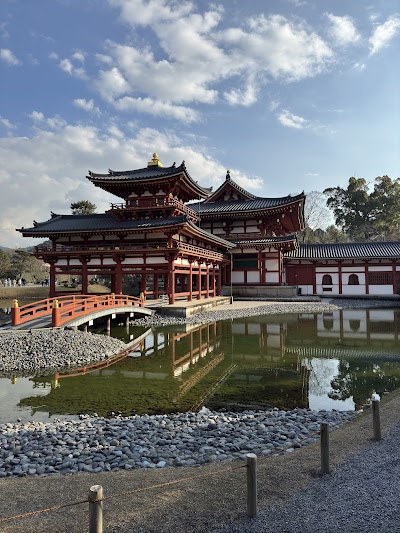
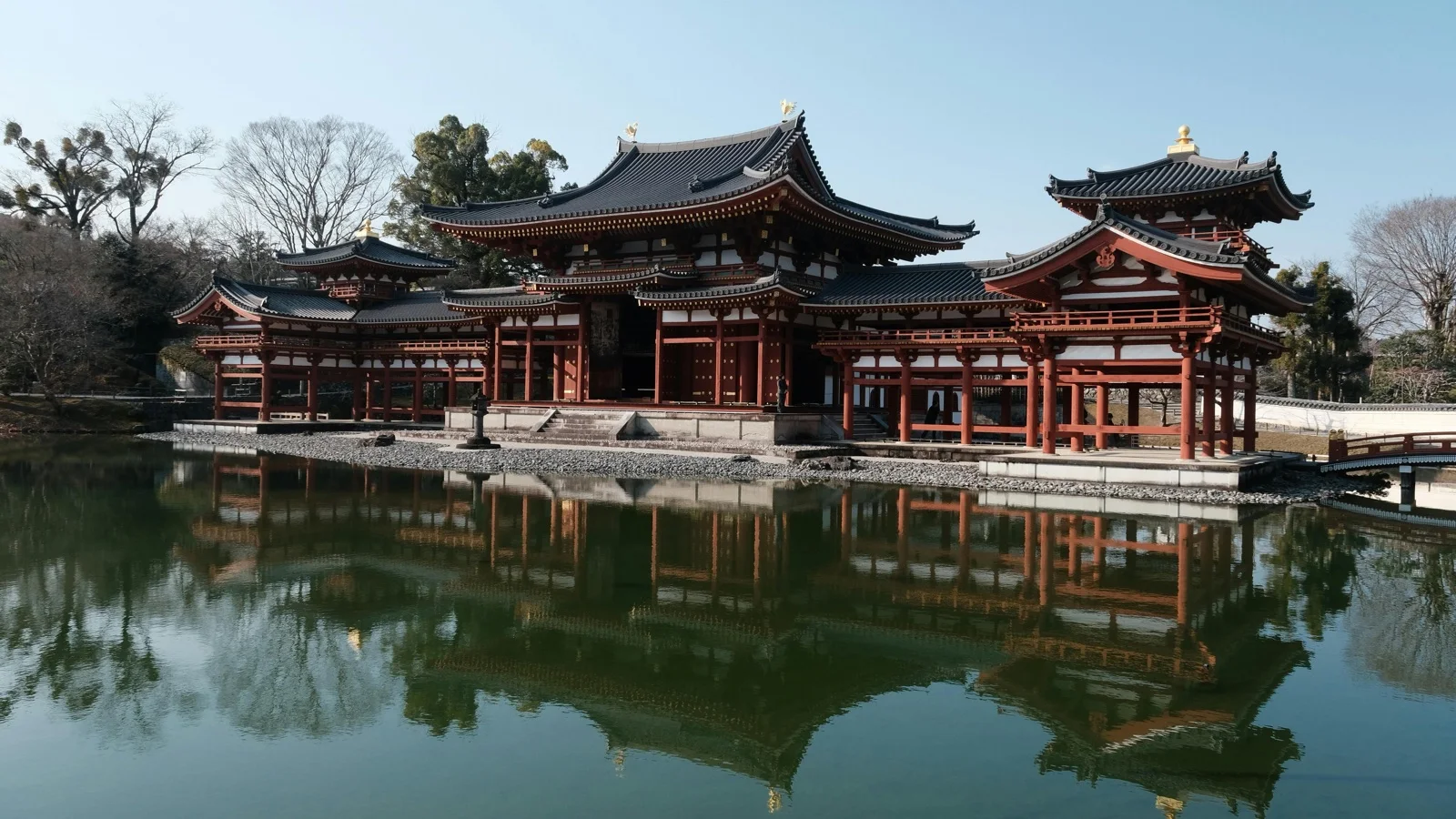
Byodo-in's Phoenix Hall is that elegant building on Japan's ten-yen coin, a Heian-era temple built around 1053 to literally represent paradise on earth. A Fujiwara aristocrat commissioned it as spiritual insurance during what he believed was an age of decline, and honestly the investment held up remarkably.
Morning light is everything here because the hall faces east, and before ten a.m. the pond reflection is one of those rare photos that matches expectations. The Hoshokan museum next door houses original temple bells and the real roof phoenixes (the ones outside are replicas), so don't skip it when crowds thicken.
Tip: Buy your Phoenix Hall ticket early at the gate to avoid the mid-morning crowd. The adjacent museum houses original Heian-era bells and drums, and pond-reflection photos are best before 10 am.
Ujikami Shrine
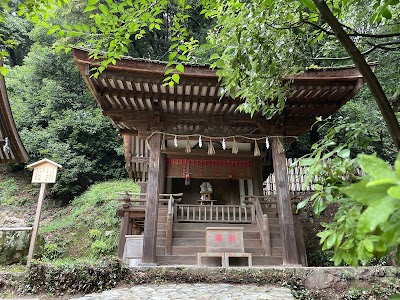
A short uphill walk through forest from Byodo-in brings you to Ujikami Shrine, Japan's oldest surviving Shinto shrine structure, confirmed by tree-ring dating to roughly 1060. Most visitors to Uji never make it up here, and that's a shame, because this is what old Japan actually feels like without the tour groups.
Stone steps worn smooth by centuries, a freshwater spring running through the grounds, and the kind of quiet where you hear your own footsteps on gravel. The path is steep but short. Wear real shoes and budget about forty minutes, because the shrine itself is small and the forest walk is half the point.
Tip: Walk ten minutes uphill through forested paths to reach Ujigami Shrine, Japan's oldest original Shinto shrine. Entry is free and the grounds are rarely crowded, making it a peaceful midday stop.
Nakamura Tokichi Honten (Main Store)
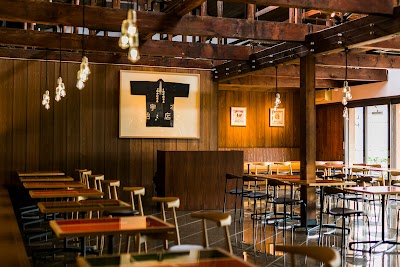
Back by the river, Nakamura Tokichi has been a tea house since 1854, and their matcha parfait is the reason some people visit Uji at all. It's a layered tower of matcha ice cream, jelly, dango, red bean, and mochi in a riverside building where old wooden windows look out over the water.
Upstairs they run tea-grinding workshops where you make your own matcha with a stone mill, if the parfait alone doesn't cover your matcha needs. Weekend waits can hit an hour. Come on a weekday afternoon, or try their branch near the station if the main-store line is brutal.
Tip: Reserve a table in advance on weekends at Nakamura Tokichi's riverside main store. Try their signature matcha parfait or book the tea-grinding workshop upstairs.
Day 2
Day two climbs: a Zen temple up a maple-lined staircase, then a hillside flower temple, then back down to the river where someone makes you tea.
Kōshō-ji Temple
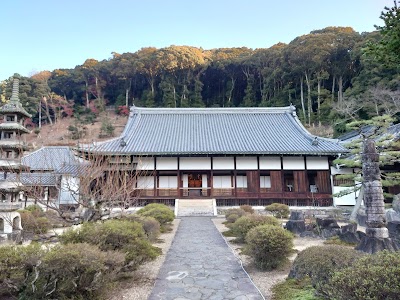
Koshō-ji is a quiet Soto Zen temple on Uji's north side, and the main event is the approach: a steep stone path called Kotozaka, lined with maples. In autumn the canopy turns this staircase into a red and orange tunnel that photographs genuinely don't exaggerate, and even off-season the moss and silence are magnetic.
Morning is the time because light filters through the trees at their best, and you might share the entire path with only a handful of people. The stones get slippery after rain or leaf fall. Take it slow and use restrooms in town before heading up, since facilities at the top are limited.
Tip: Arrive early to climb Koshō-ji's steep maple-lined stone approach before the morning crowd. In autumn, the foliage here is extraordinary.
Mimuroto-ji
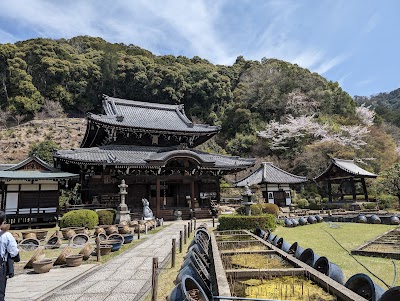
Continue uphill from Koshō-ji about fifteen minutes to Mimuroto-ji, known as the flower temple because the same hillside makes both temples a natural pair. In June, twenty thousand hydrangea bushes turn the slope into a wave of blue, pink, and purple that photographs like a painting.
The three-story pagoda at the top overlooks all of Uji, and that hilltop view is the payoff for every step of the climb. Seasonal hours shift, so confirm before you go. The walk between these two temples is steeper than it looks on a map.
Tip: Continue uphill to Mimuroto-ji, the 'flower temple', but check opening hours before visiting as they vary seasonally. The hilltop view over Uji from the pagoda is worth the climb.
Taihoan
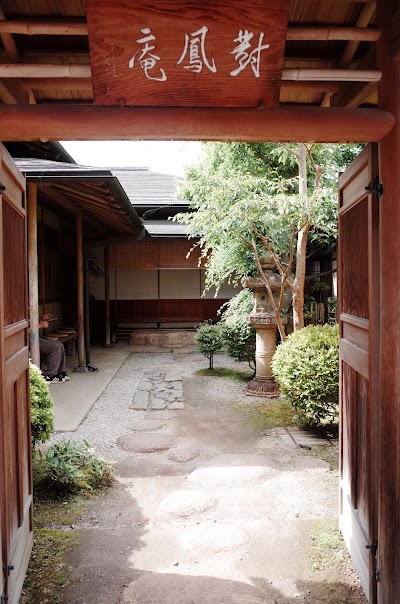
Back on the riverbank, Taihoan is a tea ceremony house run by the city of Uji itself, a public facility (not a private business) built for beginners. You sit in a tatami room overlooking the river, whisk matcha, eat a wagashi sweet, and a host walks you through each step in a small group.
Reserve at least a few days ahead because sessions run on fixed schedules, and walk-ins aren't guaranteed, especially on weekends when slots fill. If your knees object to tatami sitting, mention chair seating when you book. The basic course is thirty minutes, the full ceremony closer to an hour.
Tip: Reserve a tea ceremony spot at Taihoan pavilion in advance. Sessions run on a fixed schedule and a host guides you through each step.
Day 3
Day three slows down: a museum for the world's first novel, tea at a shop older than most countries, and one last matcha meal to finish.
Tale of Genji Museum
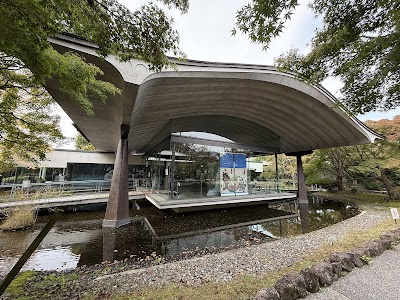
The Tale of Genji, written around the year 1000, is widely considered the world's first novel, and its final, darkest chapters are set right here in Uji. This multimedia museum brings those chapters to life through projected scrolls and reconstructed Heian-era interiors, and you're standing in the exact town where the story unfolds.
Allow ninety minutes because the video projections rotate in sequence, and the English audio guide fills in where signage falls short. It's entirely indoors, which makes it an ideal cold-morning start before walking the town that inspired the story in the first place.
Tip: Buy your ticket at the entrance and allow ninety minutes for the immersive video projections recreating Heian-era Uji. Audio guides are available in English.
Tsuen Main Branch
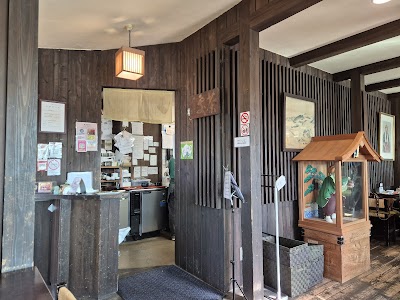
Right by Uji Bridge, Tsuen has served tea to travelers since 1160: the same family, same spot, for over eight hundred and sixty years. Inside: centuries-old tea jars, a founder's statue, and a well bucket made by Sen no Rikyu. This is the real thing, not a themed replica.
The shop smells like toasted tea leaves and the dark-wood interior is cramped and genuinely old. Sit at a counter where people have sat for centuries. Order gyokuro for the premium tea experience or cha-soba if you want something more filling; thirty minutes here and you're ready for the last stop.
Tip: Stop by Tsuen, Japan's oldest tea shop (founded around 1160), right by Uji Bridge. Try their gyokuro or cha-soba. Cash is preferred though cards are accepted.
Itoh Kyuemon - Uji Head Shop / Sabo
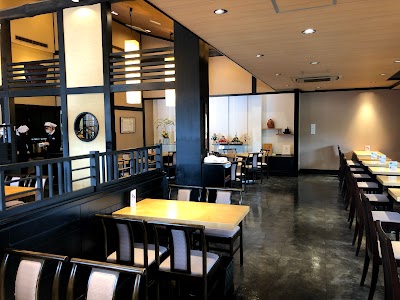
Itoh Kyuemon is the relaxed lunch spot where locals eat: matcha soba and fresh dango in a tatami room, the comfort-food side of Uji's tea culture. Their seasonal sweet sets are eight tiny confections arranged to reflect the current season, served with matcha, and they're a quiet masterpiece of food aesthetics.
Hot matcha soba in a warm tatami room is one of those meals that makes you understand why Japanese food has the reputation it does. Come before noon or after two to dodge the worst of the lunch line. The gift shop has solid packaged tea for souvenirs on your way out.
Tip: Arrive before noon or after 2 pm to avoid the lunch line at Itoh Kyuemon's traditional tatami cafe. Their matcha soba and dango are the comfort-food highlight of Uji.
What to book ahead
- Book Byōdō-in Phoenix Hall entry (1-2 weeks ahead) - Timed entry slots sell out on weekends and holidays
- Reserve Taihoan tea ceremony (3-5 days ahead) - Sessions have limited seats; book via phone or online form
- Reserve Nakamura Tokichi table (2-3 days ahead) - Essential on weekends; the tea-grinding workshop also needs advance booking
- Check Fukujuen workshop schedule (1 week ahead) - Tea-blending workshops run on select days only
What to pack
Essentials
- Comfortable walking shoes - Temple approaches involve steep stone steps, especially at Kōshō-ji and Mimuroto-ji
- Light layers - Riverside breezes can be cool in the morning; temples are unheated in winter
- Cash (yen) - Some smaller tea shops and temple entry fees prefer or require cash
Nice to have
- Reusable water bottle - Few vending machines on the temple hill paths
- Compact umbrella - Handy for both rain and shade on exposed walking streets
- Photography-friendly bag - You will want hands free for photos at Byōdō-in and Asagiri Bridge
Final take
Uji is what happens when a small town spends a thousand years perfecting tea, building temples, and inspiring novels, and then mostly keeps quiet about it.
Plan this trip
Turn this guide into an editable trip plan
Open the route in Instaboard, adjust the stops, and share the itinerary with your travel group.