Travel Guide
Ulsan in 2 Days: Sunrise Capes, Cherry Blossoms & Korea's Whale Port
Want the editable version of this route?
Open the Instaboard template and adapt stops, timing, and notes to fit your trip.
Ulsan is Korea's shipbuilding capital, which is exactly why nobody mentions its sea cliffs, its bamboo tunnels, or its old whaling port turned whale museum. Two days is plenty if you spend them right, but chase a sunrise into fog and you've burned your whole morning before breakfast.
Spring is when Ulsan makes sense: the river blooms with cherry blossoms, the cape turns yellow with rapeseed, and the coastal walks are mild enough to actually enjoy.
Day 1
Day one is the coast: dark-early at Korea's eastern edge for sunrise, then pine trails, a dragon rock, and a city beach lit up at dusk.
Cape Ganjeolgot
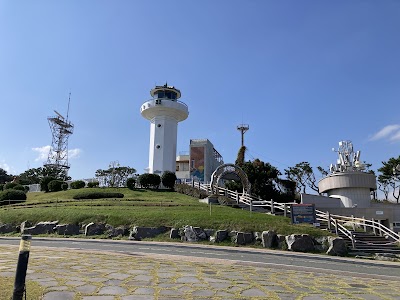
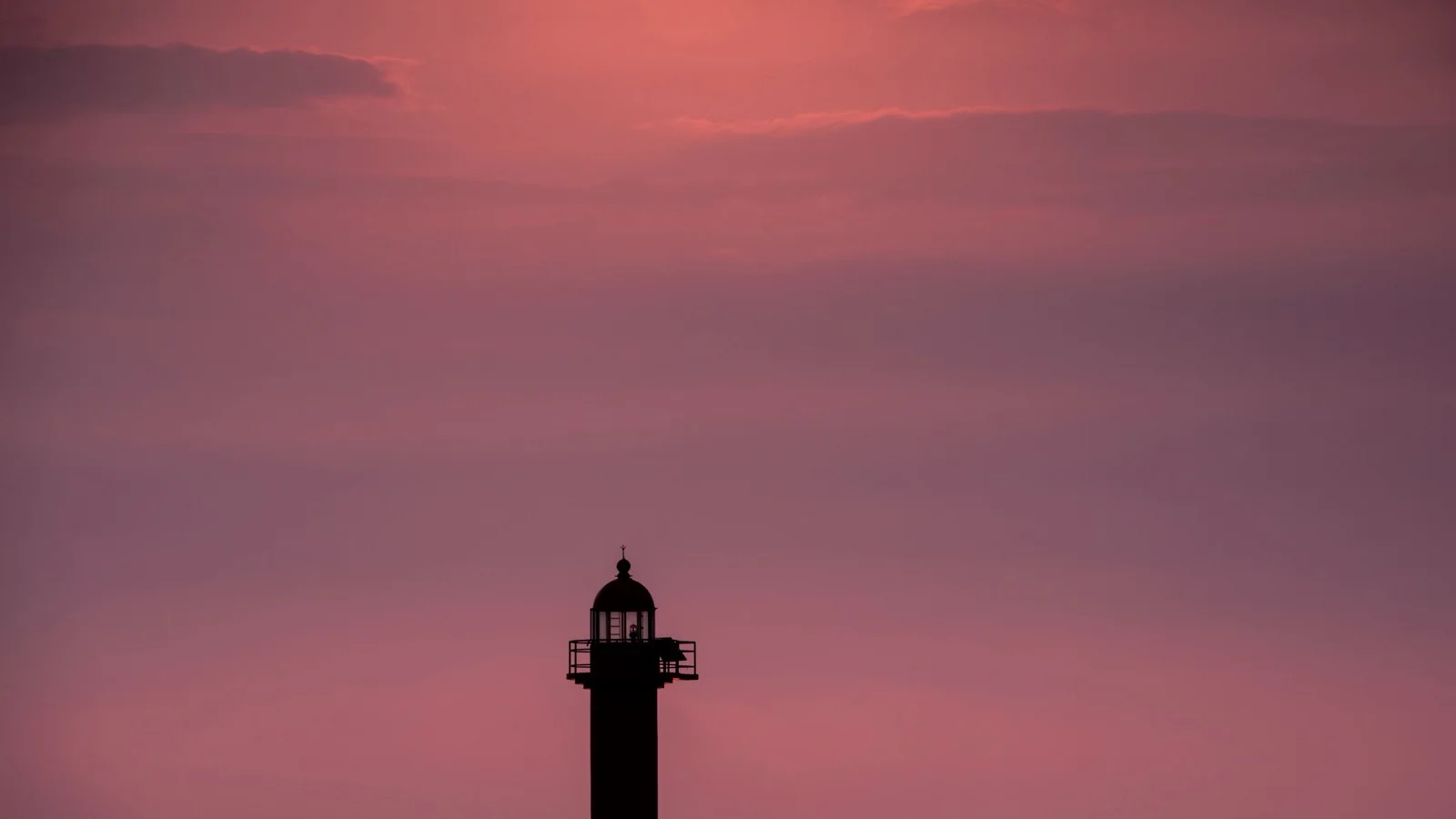
Cape Ganjeolgot is Ulsan's far eastern edge: a lighthouse on sea cliffs where the city claims Korea's first sunrise, though neighboring Pohang says the same about its own cape down the coast. In spring, wide yellow rapeseed fields run right up to the lighthouse fence, and that combo of lighthouse, sunrise, and yellow blooms is the shot people drive out for.
It's empty until thirty minutes before dawn. Then phone alarms go off in unison, the horizon turns pink, and shutters fire the second the sun clears the lighthouse. Because the whole point is the sunrise, check the cloud forecast the night before. Overcast Ganjeolgot is just a cold, crowded lighthouse with nothing to show for it.
Tip: Arrive before dawn to catch Korea's first sunrise from the easternmost lighthouse; parking fills quickly on weekends so prebook nearby or take a taxi to avoid the line.
Daewangam Park
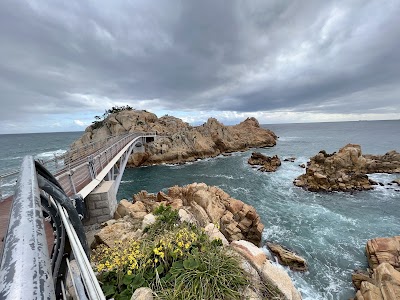
After the dawn caper, Daewangam Park earns the afternoon slot because it's a flat, relaxed walk, exactly what you want once the sunrise adrenaline wears off. A pine-boardwalk trail leads to a narrow iron bridge strung out over the waves to Daewangam Rock, which local lore says resembles a dragon diving into the sea. The signage is very confident.
What you notice is pine shade giving way to salt wind, the metallic rattle of the bridge underfoot, and seagulls louder than the other visitors. Both the bridge and the rock are fully exposed to the open sea, so a wind layer earns its keep in your bag even on a mild spring afternoon.
Tip: Walk the pine-forest boardwalk to the iron bridge crossing onto dragon-shaped Daewangam Rock; bring a warm layer as sea winds pick up strongly in the afternoon.
Ilsan Beach
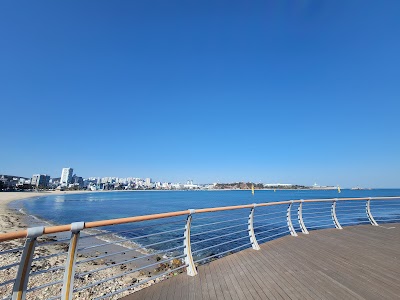
Ilsan Beach is where Ulsan decompresses after work: soft sand, a waterfront promenade, and a cafe strip, not a beach anyone flies in for, which is the point. Evening is the only time this stop pays off: sunset lights the harbor, the air softens, and the seafood restaurants along the promenade start flickering on.
Grilling seafood drifts off the restaurant row, the harbor water goes flat and gold, and the crowd is almost entirely locals finishing their day. After a dawn cape and a dragon bridge, this is the stop where you stop trying. Grab a table by the water and let the evening do the rest.
Tip: Stroll the waterfront promenade lined with seafood cafes and restaurants; sunset lights the harbor beautifully and the crowd thins nicely after the dinner hour.
Day 2
Day two shifts to the river and then Ulsan's strangest story: cherry blossoms and bamboo along the Taehwa, then the country's only whale museum on a former whaling port.
Taehwagang National Garden
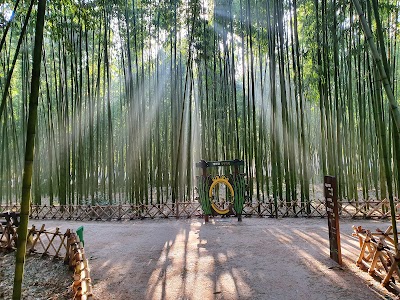
Taehwagang National Garden is a large free park on the Taehwa River, only Korea's second national garden, and in spring it's one of the city's main cherry-blossom sites. Wide riverside paths and mature cherry trees make it the prettiest stretch of managed nature in a city most people picture as refineries and shipyards.
Early morning is the move because spring weekends bring dense waves of families and photographers. Before ten you get soft light and room to breathe. The garden comes first because it flows straight into an adjacent bamboo grove on the same riverbank: one walk, two landscapes.
Tip: Enter through the main gate before 10 a.m. to enjoy cherry blossom trails without the weekend crowd; riverside paths are free to walk and open daily during daylight hours.
Taehwagang Bamboo Forest
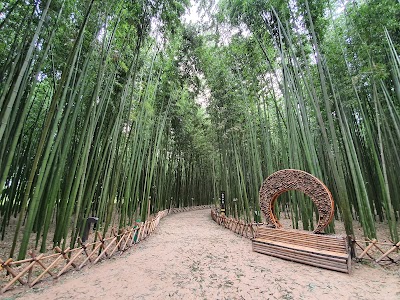
Right next to the garden, the Taehwagang Bamboo Forest is a dense stand of stalks with an elevated boardwalk that puts you through the bamboo, not past it. Filtered green light, a slight flex underfoot, the hollow knock of culms in the wind: it feels miles from downtown, not minutes.
Because bamboo is evergreen, this grove holds up any time of year, which makes it the reliable backup when the cherry blossoms don't cooperate with your dates. Don't treat it as a standalone destination. It's a short grove, not a wilderness, so pair it with the garden in one riverside loop.
Tip: The elevated bamboo walkway sits minutes from the National Garden along the same riverbank; bring cash for small riverside cafes near the trail entry gate.
Jangsaengpo Whale Museum
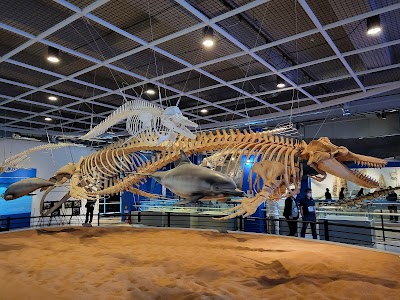
The Jangsaengpo Whale Museum is Korea's only whale museum, on a harbor that was the country's main whaling port until commercial whaling ended in 1986. This is the stop with a story: a port that got rich hunting whales, then had to reinvent itself, opening this museum in 2005 to preserve that history honestly.
Inside it's dim and hushed, with full whale skeletons looming overhead and whaling-era artifacts. The redemption arc is sincere, which makes it genuinely interesting instead of just grim. Book ahead for this one: weekends draw big family crowds, especially at the adjacent Whale Culture Village, so reserve if you're going on a Saturday.
Tip: Korea's only whale museum at the historic whaling port; book your ticket in advance on weekends as the cultural village exhibits draw large family crowds.
What to book ahead
- Book Jangsaengpo Whale Museum tickets (3-5 days before) - Weekend slots fill fast; online booking available through the museum website.
- Check Cape Ganjeolgot sunrise time (Night before Day 1) - Spring sunrise is around 5:50-6:10 AM; plan to arrive 30 minutes early.
- Verify Ulsan Bridge Observatory hours (Morning of Day 2) - Observation deck hours vary seasonally; may close before sunset in some months.
- Reserve onggi pottery workshop (optional) (1 week before) - Only needed if substituting Oegosan Village into the itinerary.
What to pack
Essentials
- Light windbreaker or warm layer - Coastal winds are strong at Cape Ganjeolgot and Daewangam, even in spring.
- Comfortable walking shoes - Pine-forest boardwalks, bamboo trails, and riverside paths require extensive walking.
- Sunscreen and sunglasses - Open coastal and riverside areas have minimal shade during midday hours.
- Portable power bank - Long photo-heavy days at sunrise and sunset locations drain phone batteries quickly.
Nice to have
- Travel tripod - Ideal for sunrise shots at Cape Ganjeolgot and sunset at the bridge observatory.
- Reusable water bottle - Park and garden trails have refill stations; reduces plastic waste.
- Korean phrase translation app - Some museums and local cafés have limited English signage.
Final take
Two days here won't erase the refineries, but they'll show you why people stay: the coast, the cherry trees, and a whaling port that became something worth remembering.
Plan this trip
Turn this guide into an editable trip plan
Open the route in Instaboard, adjust the stops, and share the itinerary with your travel group.