Travel Guide
Varanasi in 3 Days: Ghats, Ganga Aarti & a Sunrise Boat Ride (Winter Itinerary)
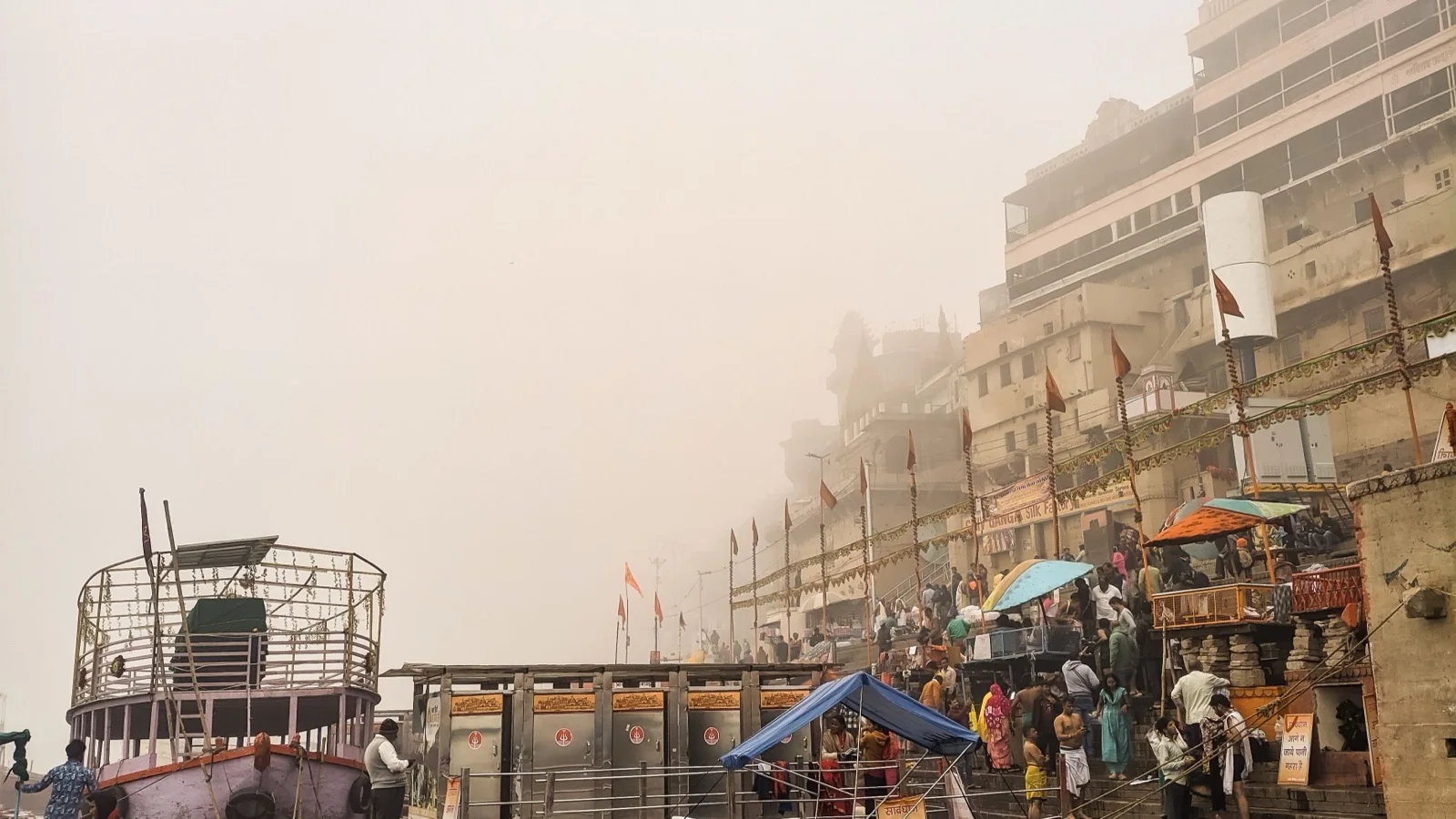
Want the editable version of this route?
Open the Instaboard template and adapt stops, timing, and notes to fit your trip.
This stop is Varanasi, a riverside city where cremation fires have burned for centuries a few steps from kids playing cricket. Three winter days is genuinely enough to see it well, as long as you don't burn your best mornings on the wrong ghats, and that part takes judgment.
Winter is secretly prime season here: cool days, foggy riverside mornings, that clear golden light. Pack one warm layer and you're set.
Day 1
Today goes straight into the old city at full volume: a pilgrim bazaar, the gold-spired temple it leads to, and the ghat where Varanasi gets honest.
Vishwanath Market
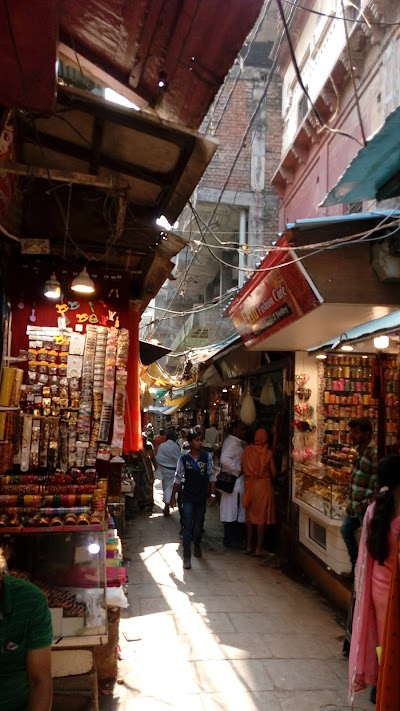
Vishwanath Market is the lane every pilgrim walks to reach the city's great temple: brass, sweets, silk, and paan, wall to wall. The lanes are so narrow that a single cow has veto power over foot traffic, so cows first, hand-pulled carts second, everyone else negotiates.
This bazaar grew around the temple route, so shopping and pilgrimage have been the same business for centuries, with sweets frying and brass polished before 9am. Carry small cash notes, because most stalls won't take cards, and refusing a taste-test is harder than it sounds.
Tip: Wander the lanes of brass, sweets, and silk before the midday crowd builds; carry small cash notes since most stalls do not take card.
Shri Kashi Vishwanath Temple
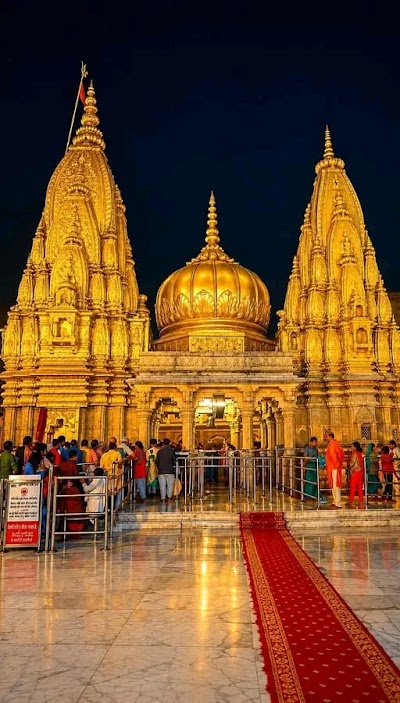
That lane exists to lead here: Shri Kashi Vishwanath, one of India's most sacred Shiva temples and the reason Varanasi is a destination at all. It's been destroyed and rebuilt across centuries of conquest, and the new white marble corridor wraps the gold-spired sanctum like an airport terminal for the soul.
Inside it's chanting, crushed flower petals underfoot, body heat in the queue, then the abrupt silence of the inner sanctum. Book the free online darshan pass, because it genuinely shortens the wait, and note that phones and bags stop at the outside lockers.
Tip: Book the free online darshan pass in advance to skip the long queue; leave phones and bags in lockers outside, as electronics are banned past the entry gate.
Manikarnika Ghat
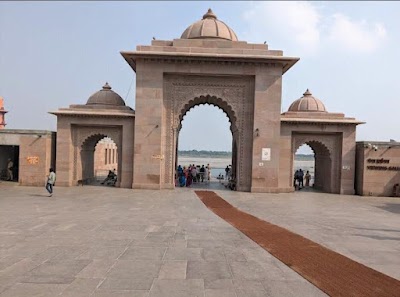
Down at the river, Manikarnika Ghat is one of Hinduism's holiest cremation grounds, and the pyres here are said to have burned without interruption for centuries. The city's core belief is that dying here means liberation, so families have brought their dead to these steps for as long as anyone can trace.
What stays with you is the proximity: smoke and sandalwood heat on one side of your face, river chill on the other, laundry drying nearby. Go mid-afternoon with a local guide, keep the camera put away entirely, and walk slowly. This is the one place Varanasi isn't performing for you.
Tip: Walk down to the eternal cremation pyres with a respectful local guide and keep cameras put away; arrive before dusk to observe the rituals without the evening crowd.
Day 2
Day two belongs to the river: the ghats at dawn through fog, the quietest steps in town, and an afternoon where a world religion got started.
Varanasi Boat Trip
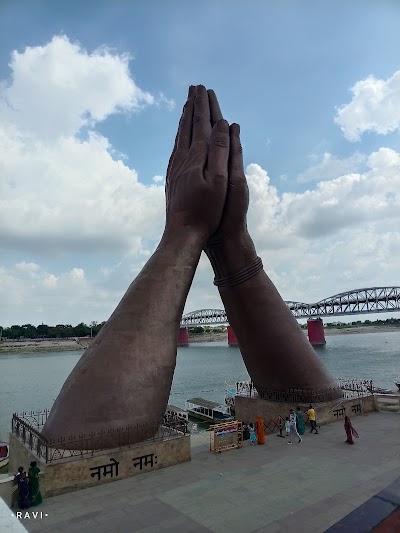
The definitive Varanasi image is from the water: a rowing boat drifting past stacked stone ghats at dawn while pilgrims bathe in the mist. In winter the fog can be so thick that sunrise arrives as a rumor, just voices, splashes, temple bells, no visible source.
Each ghat was some king's or merchant's private staircase to the river, so from a boat the whole skyline reads like a family album. Prebook the rowboat the evening before through your hotel and be on the water by 5:30. The fog delays the sun and rewards the alarm anyway.
Tip: Prebook a rowboat the evening before and arrive at the ghat by 5:30am in winter; even with fog-delayed sunrise you will drift past pilgrims bathing in the mist.
Assi Ghat Varanasi
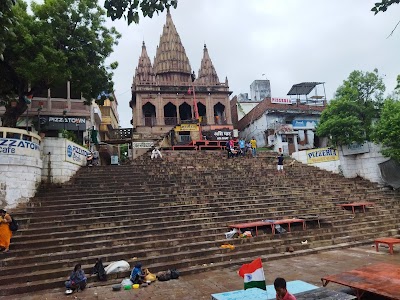
Your boat docks at Assi Ghat, the southernmost big ghat and the one stretch of steps where Varanasi briefly lowers its voice. At sunrise the free Subah-e-Banaras program runs right on the steps: chanting, classical music, conch and tabla carrying over the water.
It feels like a neighborhood rather than a stage, with people stretching, chatting, and doing laundry beside the devotions, and it's named for a stream that vanished ages ago. Grab tea from a woodsmoke stall, sit on the steps, and let the program finish, because rushing it defeats the reason you chose this ghat.
Tip: Dock here for the free Subah-e-Banaras morning program of yoga, chanting, and classical music; bring a warm layer, as riverside winters are chilly before 7am.
Dhamek Stupa Sarnath, (Varanasi)
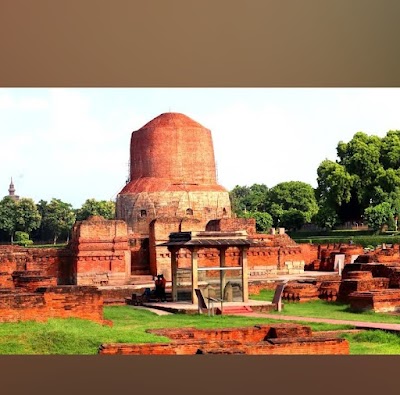
In the afternoon, drive out to Sarnath, the deer park where the Buddha reportedly gave his first sermon, basically the founding address of a world religion. After two days of Varanasi's din, the loudest thing at Dhamek Stupa is often a prayer flag, and the silence is the exhibit.
The great cylindrical stupa still carries ancient carved panels on its lower stone, ringed by excavated monastery ruins and open green lawns. Gates close by early evening, so arrive around three, stupa first and museum second, because the museum is the part people run out of daylight for.
Tip: Buy the combined ASI ticket that also covers the excavated ruins and museum; the site gates close by 5pm, so arrive by 3pm to walk the stupa at ease.
Day 3
The last day is the mellow finish: a striped temple at sunrise, a university museum of Mughal miniatures, and the whole city seen from the far bank.
Kedar Ghat, Varanasi
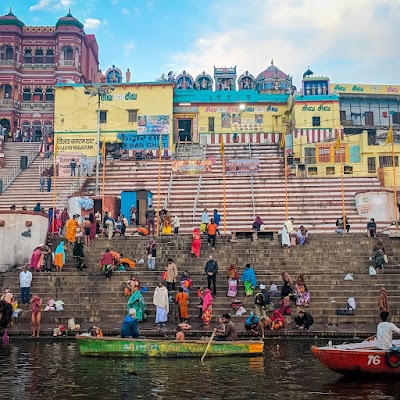
Kedar Ghat is the most photogenic single ghat on the south side: a boldly striped temple rising straight out of the water. Right at sunrise the red-and-cream stripes glow for a short window before bathers arrive, and winter mist softens the whole background, which is peak conditions.
The temple has drawn South Indian pilgrims for generations, which gives this compact stretch its own devotional flavor away from the central carnival. The steps are genuinely slick, so grippy shoes matter. Take the photo every photographer takes anyway, and give the bathing pilgrims a wide berth.
Tip: Walk here right at sunrise when the striped temple glows over the water; the ghat steps are slick, so wear grippy shoes and dress modestly.
Bharat Kala Bhavan Museum, (BHU Varanasi)
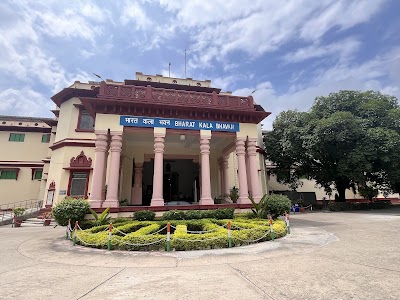
Next is a detour most first-timers skip: Bharat Kala Bhavan, a genuinely excellent art museum hiding inside the vast Banaras Hindu University campus. You drive through what feels like a small green city, past students on bicycles, to reach Mughal miniatures and sculpture with no jostling at all.
It's mild sensory whiplash, cow-jammed lanes to curated vitrines in twenty minutes, and scholars assembled this collection as teaching material before it outgrew the syllabus. Book entry online and taxi to the BHU main gate, because it's a long way from the ghats. Budget two unhurried hours.
Tip: Book your museum entry ticket online in advance and budget two hours for the Mughal miniatures; take a taxi to the BHU main gate, as the campus is vast.
Ramnagar Fort
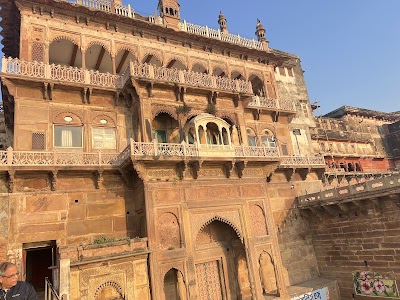
Finish across the river at Ramnagar Fort, the weathered riverside palace of the former Maharaja of Banaras, reached by bridge or the local boat ferry. The museum is one household's attic opened to the public: armory, palanquins, vintage cars, and the royal family still technically calls the fort home.
The fort's real trick is that it looks better from outside its own walls, and at sunset the old city goes gold across the water. Arrive mid-to-late afternoon for the museum, then find a riverfront spot for the last light. From this bank, Varanasi finally looks whole.
Tip: Take a taxi across the bridge or the local boat ferry for sunset views of the maharaja's riverside palace; museum hours end by 6pm, so arrive before 4pm.
What to book ahead
- Book Kashi Vishwanath online darshan pass (2-3 weeks before travel) - Free slots release on the official SHRSS app; morning passes cut the queue dramatically.
- Reserve Sarnath Museum timed-entry tickets (1-2 weeks before travel) - Online ASI booking secures Lion Capital gallery access; combine with the ruins ticket.
- Book Bharat Kala Bhavan entry ticket (1 week before travel) - BHU museum tickets can be reserved online; carry your booking confirmation to the gate.
- Reserve sunrise boat rower (Day before, by evening) - Ask your hotel to prebook a rowboat (not motorboat) from Assi to Dashashwamedh; agree price in cash.
- Reserve Ganga Aarti rooftop cafe (1-2 days ahead) - Rooftop tables with clear aarti views fill by 5pm; a deposit by card is common.
- Arrange Sarnath auto-rickshaw transfer (Morning of day 2) - A half-day return auto costs less with fixed waiting; agree the pickup time in advance.
- Check Sarnath Museum closing days (Before day 2) - ASI museums close on Fridays and entry stops before official hours end; plan the afternoon around it.
What to pack
Essentials
- Warm layers and a light jacket - Winter mornings on the river drop near 8C; you will sit still for sunrise boats and the evening aarti.
- Slip-on shoes with grip - You must remove footwear at temples constantly, and ghat steps are wet and slippery.
- Small cash notes (INR) - Bazaar stalls, boat rowers, rickshaws, and tips are cash-only; ATMs near the ghats run dry on weekends.
- Modest shoulder-and-knee coverings - Required for temple entry and respectful around cremation ghats; a large scarf doubles as a morning layer.
- Phone locker change and ID - Electronics are banned inside Kashi Vishwanath; lockers outside the gate need coins or small payment.
Nice to have
- Binoculars - Great for river birdlife and close-up views of the aarti from a rooftop.
- Camera with a 35mm lens - Ideal for the tight ghat lanes and dawn mist; keep it packed near cremation sites.
- Rehydration salts - Long walking days plus chai and sun can catch up with you by day three.
Final take
However long you travel, you'll remember Varanasi as the place where death, laundry, and sunrise share the same stretch of stone, and nobody finds that strange.
Plan this trip
Turn this guide into an editable trip plan
Open the route in Instaboard, adjust the stops, and share the itinerary with your travel group.