Travel Guide
Xi'an 3-Day Terracotta Warriors + Old City Trip
Want the editable version of this route?
Open the Instaboard template and adapt stops, timing, and notes to fit your trip.
Xi'an is the Chinese city that kept its entire Ming-era wall, and yes, you can bike on top. Three days here can feel generous or vanish into queues; the difference isn't more planning, just fewer bad guesses about when and where.
Shape it as old city, warriors, then temples. Spring is the sweet spot: mild days, blossoms in the temple gardens, long golden evenings.
Day 1
Start inside the old city. Get up on the wall for sunset, walk down a street that sells handwriting, then eat dinner in the Muslim Quarter.
Xi'an Wall Yongningmen (North Gate)
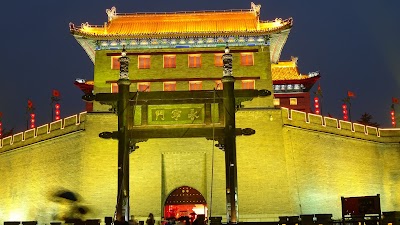
Xi'an is one of the few Chinese cities where the entire Ming-era wall still stands, and Yongningmen is its grandest gate. Most old walls are ruins; this one's a working commute, with cyclists on the ramparts and traffic underneath, and you can rent a bike up top.
It's still here because twentieth-century Xi'an was too poor to tear it down, a rare case where a city's bad century saved its best asset. Go late for sunset and the gate lit up after dark, and take a light layer, because the ramparts get breezy the moment the sun drops.
Tip: Start at Yongningmen, the grandest gate. Buy the combined ticket there for wall entry plus bike rental, stay for the sunset illumination, and bring a light layer for breezy evenings.
Shuyuanmen
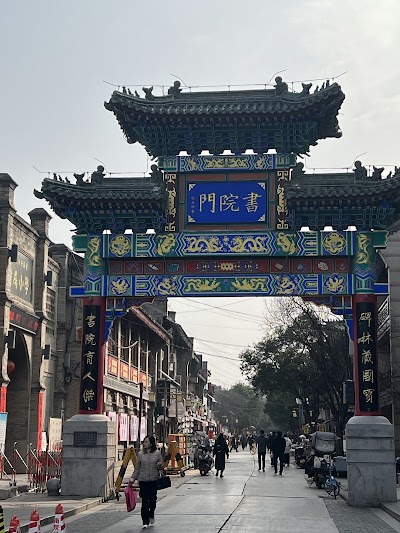
Back at ground level, Shuyuanmen is a restored lane near the South Gate devoted to calligraphy: brushes, ink stones, seals, paper-cuts. Watch a carver engrave your name into a stone seal, one careful stroke at a time. Honestly the best souvenir in Xi'an.
Nothing here is mass-produced, and shopkeepers practice their own handwriting between customers, a trade, not a demonstration. Just don't save it for last, because the shops pull their shutters around six, and the small stalls like cash.
Tip: Restored calligraphy street near the South Gate. Watch the seal carvers work and carry small cash for paper-cut souvenirs, since some stalls refuse card payments. Arrive before 6pm when shops close.
Beiyuanmen
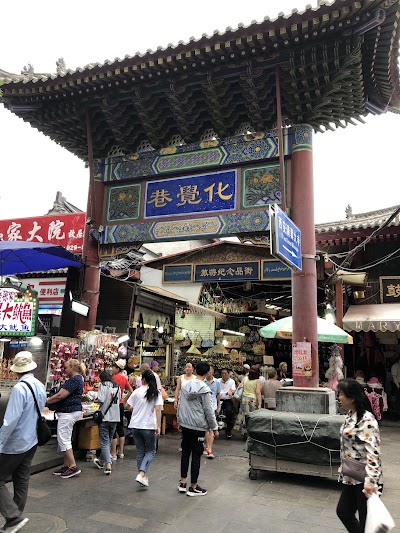
Evening belongs to Beiyuanmen, the Hui Muslim quarter between the Drum Tower and the Great Mosque, Xi'an's food engine for centuries. Skewer smoke, cumin in the air, noodle dough slapped flat on counters, and because it's halal, lamb rules this district.
Biangbiang noodles are named with a character so complicated most dictionaries won't print it, so order by pointing like everybody else. Arrive before seven, then graze: six half-portions beat one sit-down dinner, and follow the smoke, not the longest line.
Tip: Evening food crawl for roujiamo, biangbiang noodles, and lamb skewers. Start before 7pm to beat the crowd, graze as you walk, and carry cash for small stalls.
Day 2
Then the big one: an emperor's clay army in the morning, his hot-spring palace next door, and the Tang dynasty lit up after dark.
Emperor Qinshihuang's Mausoleum Site Museum
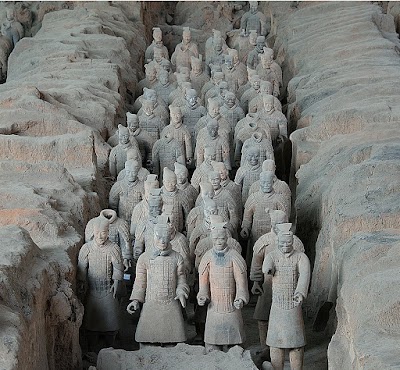
The Terracotta Army is thousands of life-sized clay soldiers, buried to serve China's first emperor after death; farmers found them digging a well in 1974. Pit 1 looks exactly like the photos, ranked rows receding into a hangar, and warriors are still being reassembled today, a dig in progress.
Every soldier was once painted in bright lacquer that flaked off within minutes of excavation; they lost their colors on contact with the modern world. This is the trip's one non-negotiable booking, so prebook the timed tickets days ahead, arrive at opening, and start with Pit 1.
Tip: Prebook timed tickets days in advance to skip the ticket-office queue, arrive at opening to beat the tour-bus crowd, and start with Pit 1. Take metro Line 9 plus bus or taxi.
Huaqinggong Relic Site
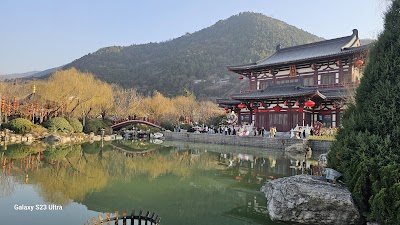
A few minutes from the warriors sits Huaqing Palace, a Tang-dynasty royal hot-spring retreat at the foot of Mount Li. It's an odd double bill: an emperor's bathhouse, and the guesthouse where a general detained his own leader in 1936 to force an alliance against invasion.
Glass walkways run right over the excavated imperial pools, and the gardens feel nearly calm after the warriors' hangar. Budget two honest hours, and if the evening show tempts you, shape the whole Lintong day around its schedule before booking anything.
Tip: Tang royal hot-spring palace ten minutes from the warriors. Allow about two hours for the imperial pools and Xi'an Incident sites, and reserve ahead for the seasonal evening show.
Datang Everbright City
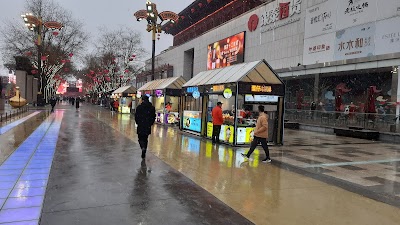
Back in the city after dark, Datang Everbright City is a huge pedestrian boulevard dressed up each night as a Tang imperial street. The crowd is half the exhibit: thousands of visitors in rented flowing hanfu under floodlights, a dynasty cosplay convention with official blessing.
After the real Tang history out at Lintong, this is the theme-park retelling. Enjoy it as spectacle, and it delivers. Keep walking the full stretch toward the pagoda rather than stopping at the first lit plaza, because the good stuff compounds.
Tip: Walk this Tang-imperial pedestrian boulevard as it lights up after dark. Go on a weekday to dodge the weekend crowd and stay for the costumed street performances.
Day 3
End slower: a leaning pagoda with a famous monk behind it, its quiet sibling in bloom, then a library of carved stone.
Giant Wild Goose Pagoda
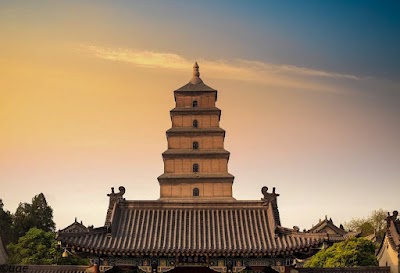
The Giant Wild Goose Pagoda is a Tang tower built to house the scriptures the monk Xuanzang carried back from his decades in India. That journey inspired Journey to the West, and this is the rare landmark with a protagonist, one pagoda to store the receipts.
Mornings are temple calm, blossom against old brick, and if you look, the tower is visibly leaning, age you can see. Temple entry books ahead and the tower climb costs a separate ticket on site. Climb if the line's short, because the view explains the city's grid.
Tip: A separate ticket is needed to climb the tower, and the square fountain show runs at noon and evening. Reach it by metro Line 3 or 4.
Jianfu Temple
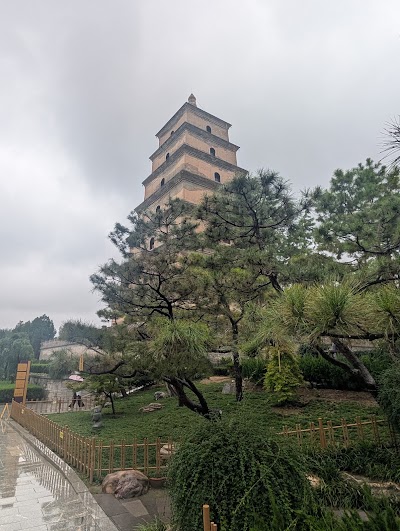
A short metro hop away, Jianfu Temple holds the Small Wild Goose Pagoda: same dynasty, half the fame, inside the Xi'an Museum grounds. After the crowds at the big pagoda, this is where Xi'an goes to not be photographed, with garden paths, birdsong, elbow room.
Spring makes it: blossoms against the pagoda's fine lines, and honestly the calmest hour of the whole trip. Entry's free with a timed pass, so book it about a day ahead, come before ten, and fold in the museum on the same grounds.
Tip: Quieter Tang-era pagoda with spring-blooming gardens inside the Xi'an Museum complex. Entry is free but book a timed pass a day in advance and arrive before 10am.
西安碑林
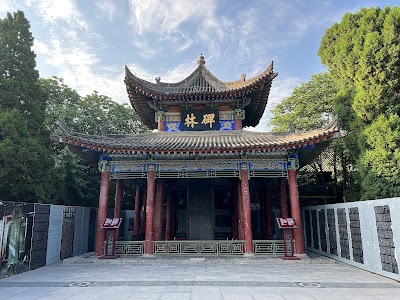
The Forest of Steles is centuries of carved stone tablets, the master copies of Chinese calligraphy, in a former Confucian temple near the South Gate. Before printing got dependable, the way to keep a text forever was to carve it in rock; this is that backup system, museum-sized.
If Shuyuanmen sold you the brushes, this is where that handwriting comes from, the retail wing and museum wing of one story. Give it five minutes of reading first, otherwise it's a warehouse of rocks with excellent penmanship.
Tip: Two millennia of carved steles and calligraphy near the South Gate. Check opening hours, roughly 8am to 6pm, before visiting, and buy the combined ticket covering the City Wall.
What to book ahead
- Prebook Terracotta Army timed tickets (3-7 days before Day 2) - Official museum WeChat account or authorized reseller; bring the passport used for booking.
- Reserve Xi'an Museum free timed pass (1-2 days before Day 3) - WeChat mini-program; Jianfu Temple gardens are inside the same complex.
- Book 'Song of Everlasting Sorrow' seats (1 week ahead in season) - Runs spring-autumn only at Huaqing Palace; cancel-friendly tiers available.
- Arrange Lintong transfer (Day before Day 2) - Tourist bus Line 5 (306) from the railway station, metro Line 9 plus taxi, or a prebooked private driver.
- Book return train/flight (At trip booking) - Leave after 6pm on Day 3 so the Qujiang closer isn't rushed.
What to pack
Essentials
- Passport/ID - Required for timed-entry reservations at the Terracotta Army and Xi'an Museum, and for hotel check-in.
- Light jacket or layer - Spring evenings on the City Wall ramparts and at Datang Everbright City get breezy after sunset.
- Comfortable walking shoes - Cobblestoned old-city streets and long museum days mean 15k+ steps daily.
- Power bank - Tickets, metro codes, and maps all live on your phone; outlets are scarce while sightseeing.
- Compact umbrella - Spring showers in Xi'an are short but frequent.
Nice to have
- Small cash stash - Some Beiyuanmen food stalls and Shuyuanmen souvenir shops still prefer cash over card.
- Alipay/WeChat Pay setup - The easiest way to pay for metro rides, bike rentals, and show tickets.
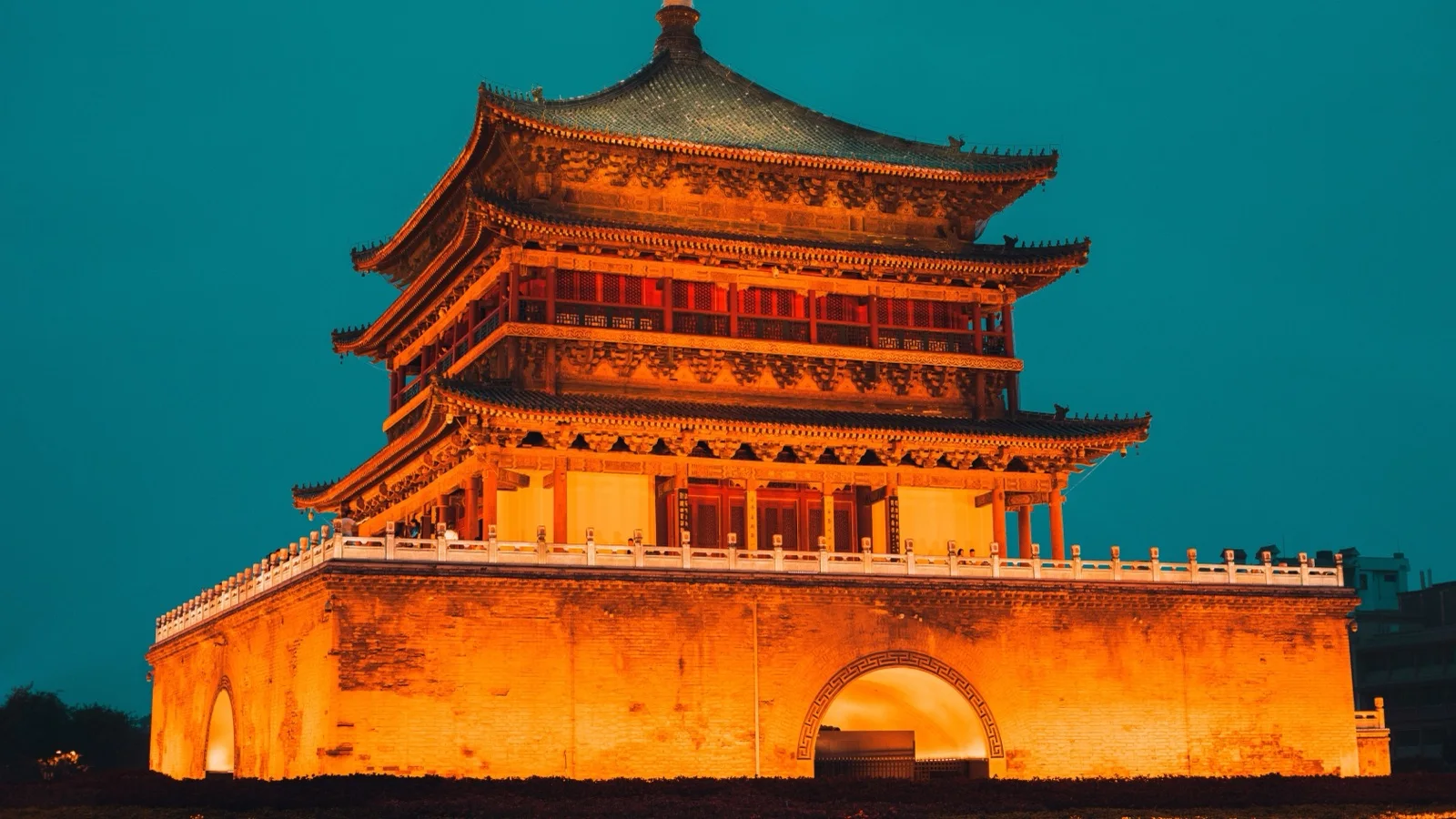
- Camera with wide lens - Pit 1 of the Terracotta Army and the illuminated Bell Tower demand wide framing.
Final take
However long you stay, Xi'an sticks: clay faces, lamb smoke, stone handwriting, and a wall you can ride into the sunset.
Plan this trip
Turn this guide into an editable trip plan
Open the route in Instaboard, adjust the stops, and share the itinerary with your travel group.