Travel Guide
3 Days in Xiamen, China: Gulangyu Island, Old Town & the Coastal Ring Road (Spring Itinerary)
Want the editable version of this route?
Open the Instaboard template and adapt stops, timing, and notes to fit your trip.
Xiamen is the Chinese port city that handed its nicest island entirely over to pedestrians and pianos. Three days is enough to do this properly, just know the island ferry and the famous campus both cap their visitors, and they punish guessers.
Spring is the sweet spot here: mild, walkable days with the odd drizzle. This is a trip you do on foot, which is the point.
Day 1
Today is Gulangyu, the car-free island Xiamen is actually famous for. Expect one summit, one very clever garden, and lanes best enjoyed before midday.
Gulangyu
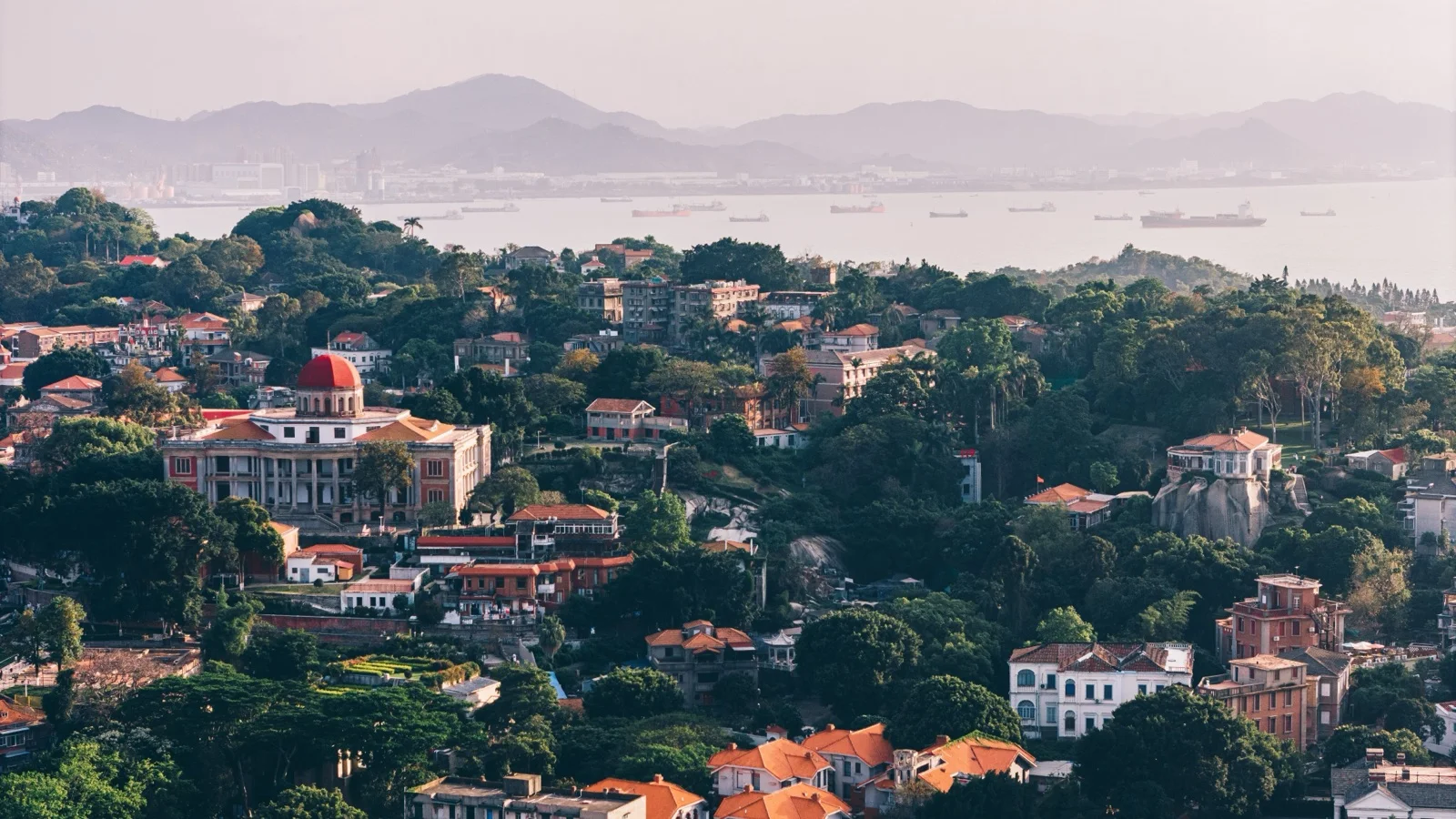
Gulangyu is a short ferry from downtown, and it drops you on a UNESCO-listed islet with no cars, no bikes, and a colonial trading past. Back when this was an international settlement, foreign consulates and returned Hokkien tycoons built mansions side by side, and the lanes are still full of that residue.
The name means Drum Wave, because the surf literally drums against reef caves, and the island's other reputation is piano, its unofficial background music. Ferry seats are capped and real-name, so prebook the official WeChat mini-program a day ahead and land before 9:30, ahead of the tour boats.
Tip: Take the tourist ferry from Dongdu Terminal and arrive before 9:30am to beat crowds; prebook ferry tickets via the official WeChat mini-program at least a day in advance.
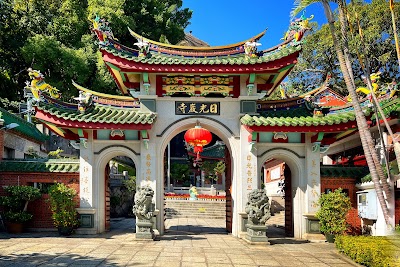
Riguangyan (Southeast Gate)
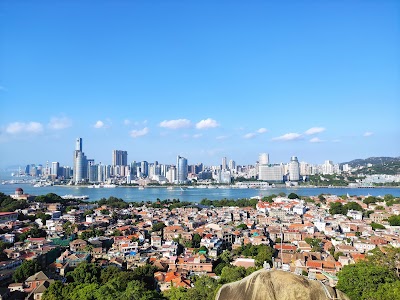
Sunlight Rock is the highest point on the island, and that classic postcard of red rooftops spilling to the strait was taken from up here. The moment you come down, every lane you wandered clicks into one map; it's the only spot that hands you the whole island at once.
The rock has range, too: Koxinga, the Ming loyalist admiral, based himself on this coast in the 1600s, and this summit watched the whole era. Climb before 11, because the small summit platform queues badly once tour groups arrive, and budget more patience for the top than for the stairs.
Tip: Climb Gulangyu's highest point for rooftop and strait panoramas; go before 11am when the summit queue builds, and carry water for the stair walk up.
Shuzhuang Garden
Shuzhuang Garden is a private villa garden from the 1910s, built by a Taiwanese merchant family who relocated here and brought their scenery budget with them. The design trick is the whole reason to come: low walls hide the ocean completely, until a turn in the path hands you the entire strait at once.
A zigzag bridge then walks you practically onto the water. Just see the Piano Museum first, since it closes by late afternoon and the garden doesn't. The bridge bottlenecks while the rockeries stay quiet, and the tide decides how dramatic the water looks: a garden that never quite repeats itself.
Tip: Seaside garden that borrows the ocean into its design; buy the combined ticket in advance to skip the entry line, since the Piano Museum inside closes by late afternoon hours.
Day 2
Today stays on the mainland and stays compact: a working temple, China's most beautiful campus, and a student beach for sunset, all one short walk apart.
South Putuo Temple
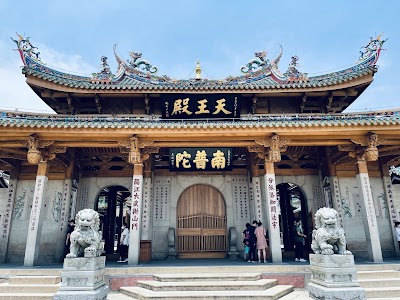
South Putuo is a genuinely active Buddhist monastery wedged between a mountain and the university, and you'll smell the incense before you see the gates. This is a living religious community, not a museum piece, named for Putuo, Guanyin's famous island: lotus ponds, chanting over speakers, Qing-era halls.
The most competitive activity on-site is lunch: the vegetarian kitchen is a local institution, and devotees and food tourists share one queue with equal seriousness. Arrive before 9, because the halls are calmest then and the lunch line is shortest at opening, and dress like you know where you are.
Tip: Active Buddhist temple at the foot of Wulao Peak; arrive before 9am when incense halls are calm, entry is free, and the vegetarian restaurant queue is shortest at opening.
Xiamen University
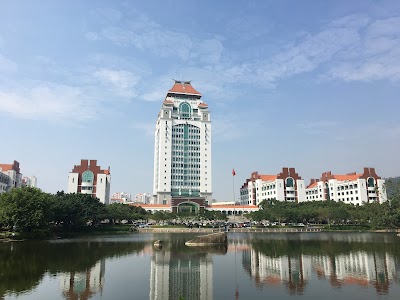
Xiamen University gets billed as China's most beautiful campus, and the case is easy: lake, red-roofed halls, a mountain behind, a beach in front. The headline is Furong Tunnel, a long disused tunnel wallpapered end to end with student murals, where undergrads cycle to class through a permanent art gallery.
It was founded in 1921 by Tan Kah Kee, an overseas-Chinese magnate who spent a rubber-and-tapioca fortune on schools, old money with excellent taste in real estate. One catch: visitor slots go through the university's WeChat reservation system, foreign passports included, and no booking means no campus, so have your hotel handle it days out.
Tip: China's most beautiful campus; reserve a visitor slot via the university WeChat system days in advance, then enter through the Siming gate with passport for Furong Tunnel graffiti walks.
Baicheng Sandy Beach
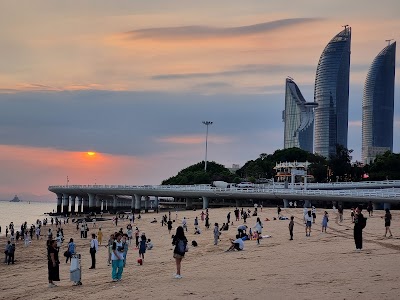
Baicheng Beach is basically the university's backyard: free sand a few steps from campus, with Yanwu Bridge curving low across the water like a frame. At dusk the students migrate from library to sand in one slow wave, and graduation photos and regular tourism politely share the same shoreline.
Show up half an hour before the roughly 6pm sunset. The light does a fast fade, and everyone, without exception, photographs the same bridge. It's worth the wait, though. Then grab your layer, since the sea breeze turns serious after sundown and dark arrives quickly.
Tip: Sandy student beach below campus with Yanwu Bridge views; stay for sunset around 6pm and pack a warm layer, as the sea breeze cools fast after sundown.
Day 3
Last day goes loud then lazy: a fort with an absurdly large cannon, a fishing village for lunch, and a golden-hour bike ride to close it out.
Hulishan Cannon Fort
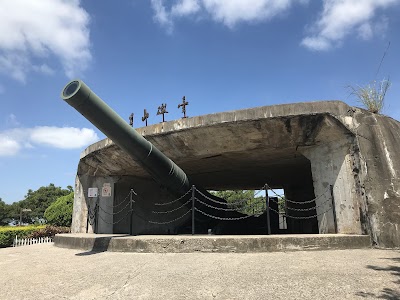
Hulishan is a Qing-era granite fort built to guard the strait, around a German-made Krupp cannon counted among the largest surviving coastal guns anywhere. Scale is the whole exhibit: that barrel was ordered from Krupp in the late 1800s as part of the dynasty's coastal-defense shopping spree.
It's self-strengthening logic in stone: a weapon so oversized it mostly deterred by reputation, and standing next to the barrel, that still tracks. Go in the morning for the cannon-drill reenactment; drizzle cancels it, so confirm the day's schedule at the gate, and mind the bang.
Tip: Qing-era coastal fort with the world's largest coastal cannon; time your entry for the morning cannon-drill reenactment and check opening hours, as shows pause on wet days.
Zeng Cuo'ancun
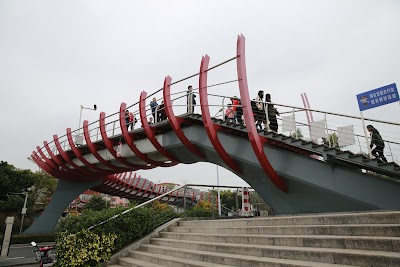
Zeng Cuo'an is a former fishing village the city swallowed whole; the nets are gone, swapped for murals, guesthouses, and snack lanes two minutes from the beach. This is the trip's food-and-wander beat: grilled squid, oyster omelettes, competing cafe playlists, and grill smoke drifting through a maze built for getting lost.
The old house bones still show between the milk-tea shops, which is the honest story here: fish first, then tourists, and somehow the fish persist. Weekends turn these lanes into slow-moving crowd fluid, so weekday afternoons are the trade, and snack, don't banquet, because there's a bike ride after this.
Tip: Bohemian enclave of snack stalls and indie cafes steps from the beach; weekends get packed, so weekday afternoons are far easier to walk and photograph.
环岛路
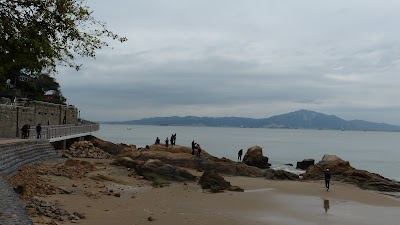
Huandao Road is Xiamen's purpose-built oceanside cycling path, strait on one side, banyans on the other, and it commits completely to the postcard. It also doubles as the city's marathon course, so you're pedaling a race route at tourist speed, which nobody on it seems to mind.
Golden hour is the entire point: salt air, wind in your ears, and the light going gold over the same water you've been staring at for three days. Rentals are walk-up; just confirm the return deadline before you set off, and give the tandem bikes and wedding-photo crews plenty of room.
Tip: Oceanside path past beaches and banyans; rent a bike or walk at golden hour before sunset for the classic strait shot, returning rentals before posted closing hours.
What to book ahead
- Book Gulangyu round-trip ferry tickets (3-7 days before) - Use the official Xiamen Ferry WeChat mini-program; tourists depart from Dongdu Cruise Terminal.
- Reserve Xiamen University visitor entry (2-5 days before) - Daily slots are limited; WeChat reservation with passport required at the Siming gate.
- Buy Gulangyu combined attractions ticket (1-3 days before) - Covers Shuzhuang Garden and Piano Museum; skips the on-island entry line.
- Reserve Siming-district hotel near the ferry terminal (1-2 weeks before) - Cuts transfer time for the early Day 1 ferry; spring weekends fill fast.
What to pack
Essentials
- Passport/ID - Required for ferry boarding, campus entry, and attraction ticket checks.
- Comfortable walking shoes - Gulangyu is car-free with cobbled lanes and Sunlight Rock stairs.
- Light rain jacket - Spring drizzle is common and ferry decks get breezy.
- Universal power adapter - Mainland China uses Type A/C/I sockets.
Nice to have
- Small cash bills - Market and snack vendors on Longtou Road and at Bashi may not take card.
- Sunscreen - Coastal UV is strong on the ring road and Baicheng Beach.
- Compact camera - Rooftop panoramas and tunnel graffiti reward extra shots.
Final take
By the end, Xiamen feels like a rhythm, not a checklist: piano lanes, temple smoke, campus shade, one last gold-lit ride along the strait.
Plan this trip
Turn this guide into an editable trip plan
Open the route in Instaboard, adjust the stops, and share the itinerary with your travel group.