Travel Guide
4 Days in Yakushima: Ancient Cedars, Ghibli Forests & Tidal Hot Springs
Want the editable version of this route?
Open the Instaboard template and adapt stops, timing, and notes to fit your trip.
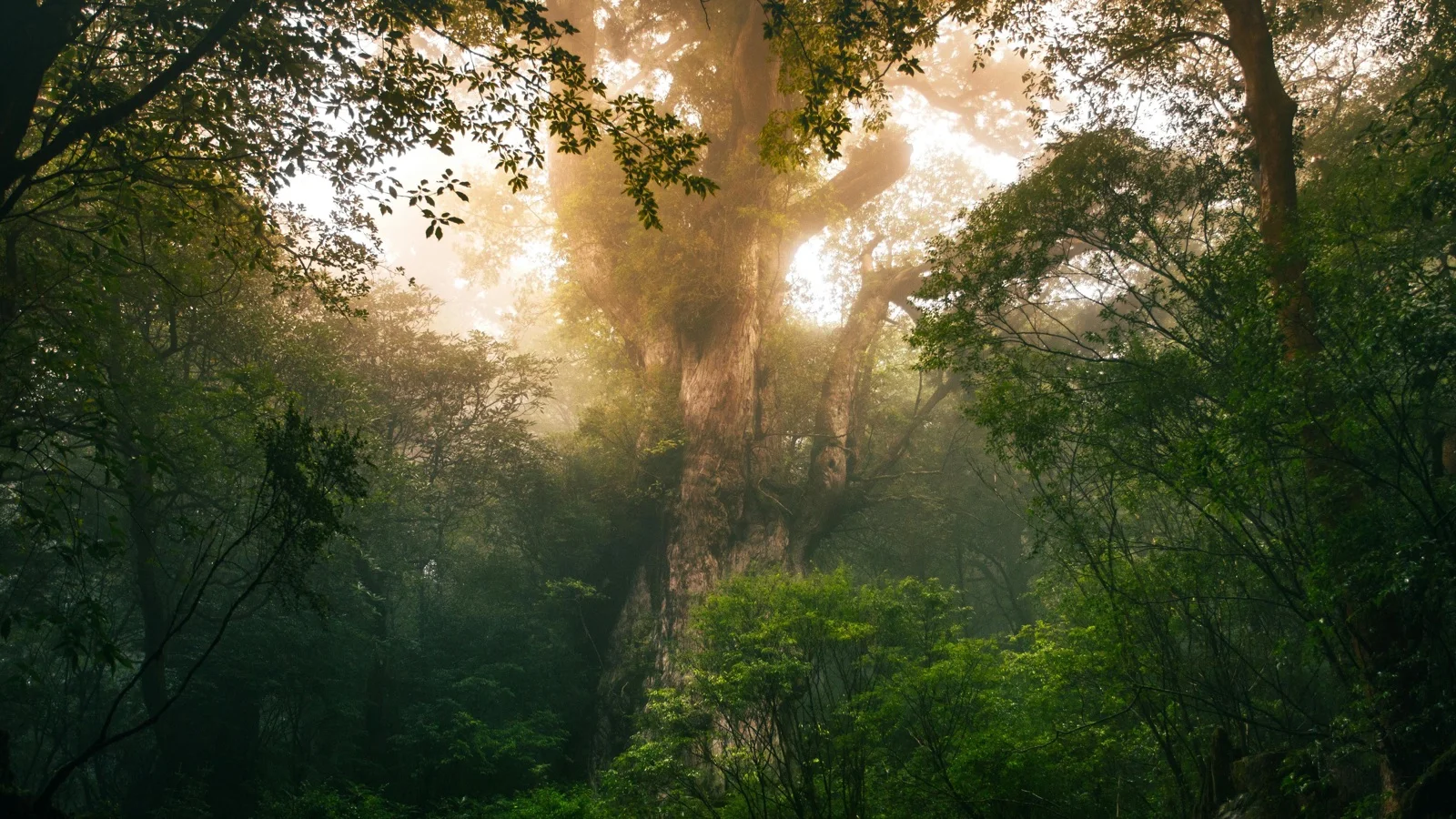
There's an island off the southern tip of Japan where the trees are older than the pyramids, the moss is thick enough to be furniture, and it rains so much the locals joke it happens thirty-five days a month. Yakushima rewards people who show up prepared, because the good stuff (the ancient cedars, the Ghibli forest, the tree nobody can agree on the age of) all require real decisions about timing and trail commitment.
Spring is the window here: mild air, peak moss from snowmelt, waterfalls running full, and none of the summer humidity or typhoon risk that can shut trails down.
Day 1
Day one is about arriving, eating something weird, and remembering that this place is an island, not just a mossy mountain with a ferry terminal.
Yakushima(Miyanoura)Port
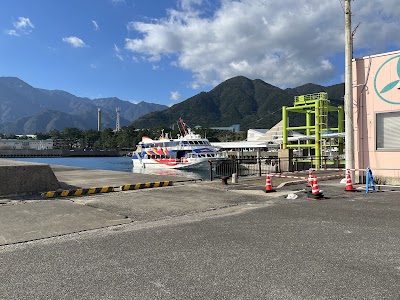
Miyanoura is where the ferry drops you, and it's the only town on Yakushima with anything resembling a street life: a few restaurants, a couple shops, and one very specific local specialty. That specialty is flying fish sashimi, because apparently a fish that evolved to launch itself out of the water tastes best raw on a granite island of three thousand people in the East China Sea.
Eat, orient yourself, and (this matters) withdraw cash here, because ATMs inland are scarce and a lot of the small restaurants on this island don't take cards. This port used to ship out ancient cedar logs; now it unloads tourists heading for those same trees, which is a nice bit of circular history before you go find them.
Tip: Grab a meal at one of the local restaurants serving flying fish. Bring cash, as many small eateries do not accept card payments.
Yakusugi Museum
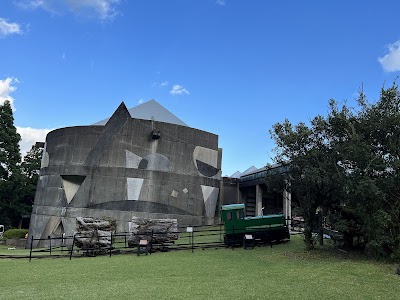
The Yakusugi Museum sits in Anbō on the east side, about half an hour from Miyanoura, and its job is to make sure you understand what you're about to walk through for the next two days. On Yakushima, cedar older than a thousand years earns its own word: Yakusugi. Anything younger is just sugi. The island literally has a linguistic threshold for old-growth.
The star exhibit is a cross-section of a 1,660-year-old cedar where you can count every ring, and there's a spot where you shave off a sliver of Yakusugi wood and smell it. Same scent the trees have been putting out for millennia. Don't skip this thinking the forest speaks for itself, because the forest speaks in moss and bark and this place translates.
Tip: Check opening hours before visiting, as they vary by season. Don't skip it: the museum translates what the forest can't.
Isso beach
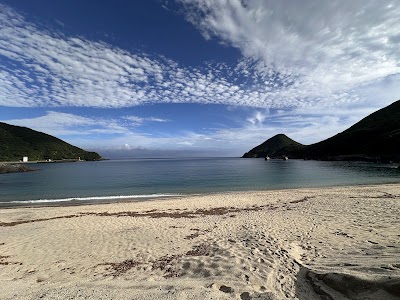
Isso Beach is a sheltered cove on the north coast where the water is calm enough to actually swim (rare for Yakushima), and the color is an unexpected turquoise that doesn't match the island's reputation for rain. Local snorkeling tours launch from here to find sea turtles, and there's a lighthouse trail above the beach that gives you a proper panorama of the coastline.
After a museum full of thousand-year-old tree cross-sections, standing barefoot on warm sand is a useful reminder that this place is a subtropical island, not just a wet forest with a ferry. If it's overcast and windy, skip it and spend the time driving the coastal road instead. The beach needs sun to be worth it.
Tip: Unwind at this sheltered northern swimming beach with calm turquoise waters. Walk the nearby lighthouse trail for panoramic coastal views.
Day 2
Day two is the ancient cedar day. Start gentle at Yakusugi Land, then go deep into the moss gorge that made Miyazaki stop sketching and just copy reality.
Yakusugi Land
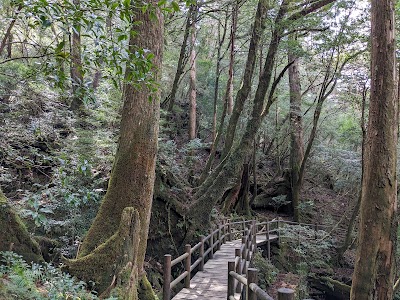
Yakusugi Land sounds like a theme park and, honestly, kind of is, except the attractions are thousand-year-old cedars covered in moss and the rides are hiking loops you choose by duration. You can do a thirty-minute boardwalk stroll or a three-and-a-half-hour full circuit through trunks wider than a car, all under a canopy that's been here since before most of the world had written language.
Get here before nine because bus tours roll in mid-morning and the quiet is the whole point. Standing alone next to an ancient cedar hits different when you're not sharing it with forty people. The trails are well-maintained but slippery, because on Yakushima wet is the default setting. Wear something with grip and bring a layer, because mountain temperatures drop fast even in spring.
Tip: Explore looping trails through towering 1,000-year-old cedars at your own pace. Wear a warm layer, as mountain temperatures drop quickly even in spring.
Shiratani Unsuikyo Gorge
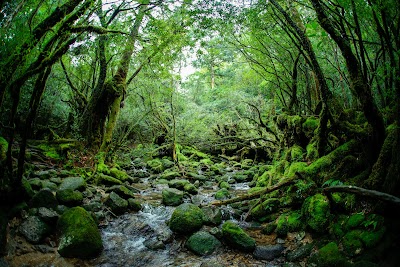
Shiratani Unsuikyo is the gorge where Hayao Miyazaki came to sketch the forest that became Princess Mononoke, and he basically just drew what he saw, because reality didn't need improvement. The moss here is the thing: bright green, inches thick, covering every boulder and root and fallen trunk like upholstery, and when the mist rolls through it genuinely looks animated.
The Taikoiwa Rock course to the Mononoke Forest area is a proper hike with elevation gain. Budget at least three or four hours, and wear shoes with grip because those roots are slippery year-round. On weekends, prebook a parking spot online because the lot fills early; on weekdays you can be more relaxed about it.
Tip: Hike through the moss-covered forest that inspired Studio Ghibli. Prebook a parking spot online during weekends, when crowds fill the lot early.
Day 3
Day three is the big one: the Arakawa Trail to Jōmon Sugi, with Wilson's Stump as your reward roughly a third of the way in.
Wilson's Stump
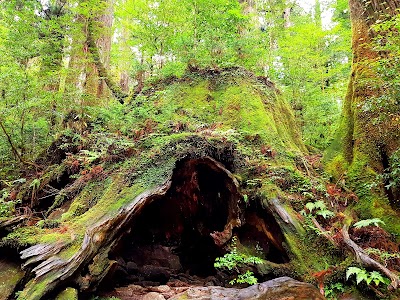
Wilson's Stump is the hollowed-out base of what was once the largest cedar on Yakushima, and it's big enough to walk inside. Look up and the opening in the trunk frames the sky in a heart shape. It's named after E.H. Wilson, a British botanist who traveled halfway around the world in the early 1900s to document it, and his reward was getting a dead tree named after him, the nineteenth-century scientist equivalent of a blue checkmark.
You'll hit this on the Arakawa Trail on your way to Jōmon Sugi because it's a natural rest point, and mid-morning light fills the heart shape from above. Don't linger too long though. This is a scene along the way, not the destination, and you've still got kilometers of trail ahead.
Tip: Step inside this massive hollowed cedar on the Arakawa Trail and look up for the heart-shaped sky opening. Bring a warm layer for the cool mountain morning.
Jōmon Sugi
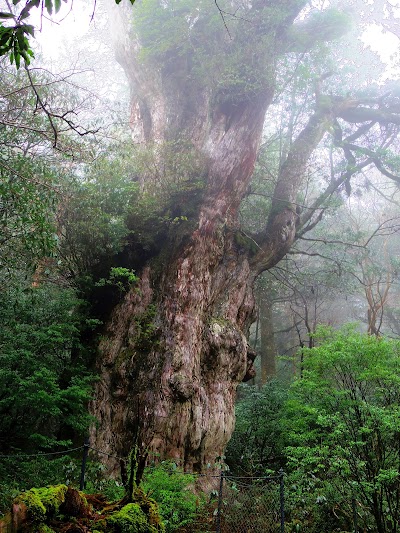
Jōmon Sugi is a single cedar tree, somewhere between 2,200 and 7,200 years old. The range is that wide because you can't ring-count a living tree this size without killing it, and nobody's willing to do that. It's 25 meters tall with a trunk circumference over 16 meters, and if the higher estimates are right, this tree was alive before the Egyptian pyramids were built.
Getting there means a nine- or ten-hour round trip on the Arakawa Trail, and you need an entry permit. Daily numbers are strictly capped and they sell out, especially around weekends and Golden Week. The tree sits behind a fence at a viewing platform, and when you arrive it's slightly smaller than your imagination built it up to be, and somehow that makes it more real.
Tip: Reach Yakushima's legendary ancient cedar after a long hike. Reserve your Arakawa Trail entry permit in advance, as daily numbers are strictly limited.
Day 4
Day four is the exhale: waterfalls, a wild beach, and a tidal hot spring that only exists for a couple of hours at a time.
Ōko Waterfall
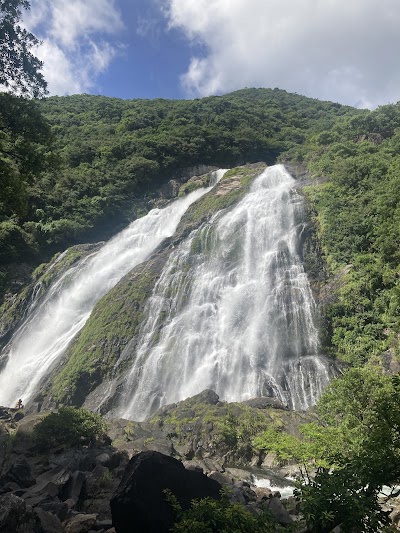
Ōko-no-taki drops 88 meters straight down a granite cliff on Yakushima's west side, and it's one of Japan's officially designated hundred best waterfalls (yes, that's a real list that a real committee sat down and ranked). You hear it before you see it, and on a sunny day the white water against the dark granite is sharp enough to look almost engineered.
After yesterday's nine-hour hike this is drive-up spectacle (park, walk to the viewpoint, done), which is exactly what your legs want. Spring snowmelt means the volume is at its peak right now, so you're seeing this waterfall at its most dramatic.
Tip: Marvel at Yakushima's tallest waterfall cascading 88 meters down a granite cliff. Arrive early to avoid tour bus crowds at the viewpoint.
Inakahama Beach
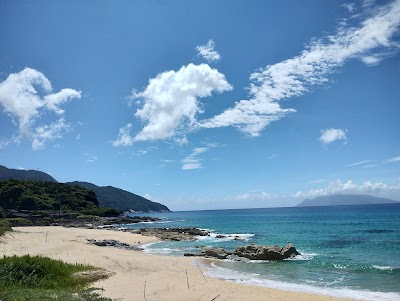
Inakahama, up on the northwest coast, is the single most important loggerhead sea turtle nesting beach in the entire North Pacific. NOAA tracks this sand as a key index site for the population. In spring you won't see turtles (they come June through mid-July), but you'll have this long, quiet beach with mountains behind it almost entirely to yourself.
It's less resort and more "this is where a prehistoric animal drags itself ashore to lay eggs," which gives the whole place a weight that a normal beach doesn't have. Come for the walk and the contrast. After three days of forest and mountain, standing on open sand with the sound of heavy surf is its own kind of reset.
Tip: Walk the sandy shores of this UNESCO-listed turtle nesting beach. Book a guided evening tour in season to witness loggerhead turtles coming ashore.
Hirauchi Kaichu Onsen (Underwater Hot Spring)
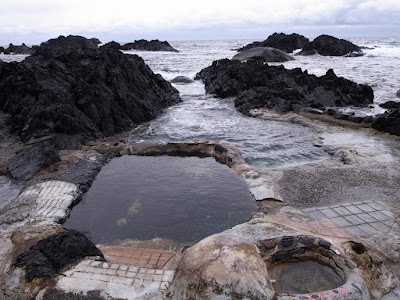
Hirauchi Kaichu Onsen is a set of natural hot spring pools carved into coastal rock that only exist at low tide. When the tide comes back in, the ocean swallows them. You sit in warm geothermal water with sea breeze on your face and waves breaking close enough to feel, which is a bathing experience that doesn't exist anywhere else.
The whole thing is tide-dependent, so check the tables before you drive out. Miss the low-tide window and you're staring at ocean hitting rocks, which is fine but not the point. Bring a towel, expect very basic changing facilities, and soak in the fact that nature made a hot spring and then put it in the ocean so it only works two hours at a time.
Tip: Soak in natural tidal hot spring pools carved into coastal rock. Check tide tables in advance, as entry is only possible at low tide.
What to book ahead
- Book ferry or flight to Yakushima (4-8 weeks before) - Toppy jet ferry from Kagoshima fills up fast in spring; book the Miyazaki route as a backup
- Reserve rental car (4-6 weeks before) - Limited cars on the island — essential for reaching multiple trailheads efficiently
- Apply for Arakawa Trail entry permit (1-3 months before) - Mandatory for the Jōmon Sugi hike; apply through Yakushima Town office or your accommodation
- Book accommodation (2-3 months before) - Minshuku and guesthouses near Miyanoura or Anbo fill quickly in peak spring season
- Check tide tables for Hirauchi Onsen (1 week before) - The tidal pools are only accessible 2 hours before to 2 hours after low tide
What to pack
Essentials
- Waterproof hiking boots - Trails are rocky, muddy, and often slippery from constant rain
- Rain jacket - Yakushima receives up to 10,000mm of rain annually — showers are frequent
- Daypack (20-30L) - Needed for the full-day Jōmon Sugi hike with water, food, and layers
- Trekking poles - Significantly reduce knee strain on steep Arakawa Trail descents
- Cash (yen) - Many local restaurants, entry fees, and small shops are cash-only
Nice to have
- Gaiters - Keep mud and water out of boots on wet forest trails
- Swimwear - For tidal onsen pools and sheltered beaches in calm weather
- Binoculars - Spot Yakushima macaques, sika deer, and seabirds along forest roads
- Portable charger - Full-day hikes drain phone batteries, especially in cold mountain air
Final take
Yakushima is an island where the trees predate civilizations, the moss looks painted on, and your last memory is soaking in a rock pool that the ocean is about to reclaim. Four days barely scratches it.
Plan this trip
Turn this guide into an editable trip plan
Open the route in Instaboard, adjust the stops, and share the itinerary with your travel group.