Travel Guide
3 Days in Yogyakarta: Borobudur Sunrise, Prambanan & Night Street Food
Want the editable version of this route?
Open the Instaboard template and adapt stops, timing, and notes to fit your trip.
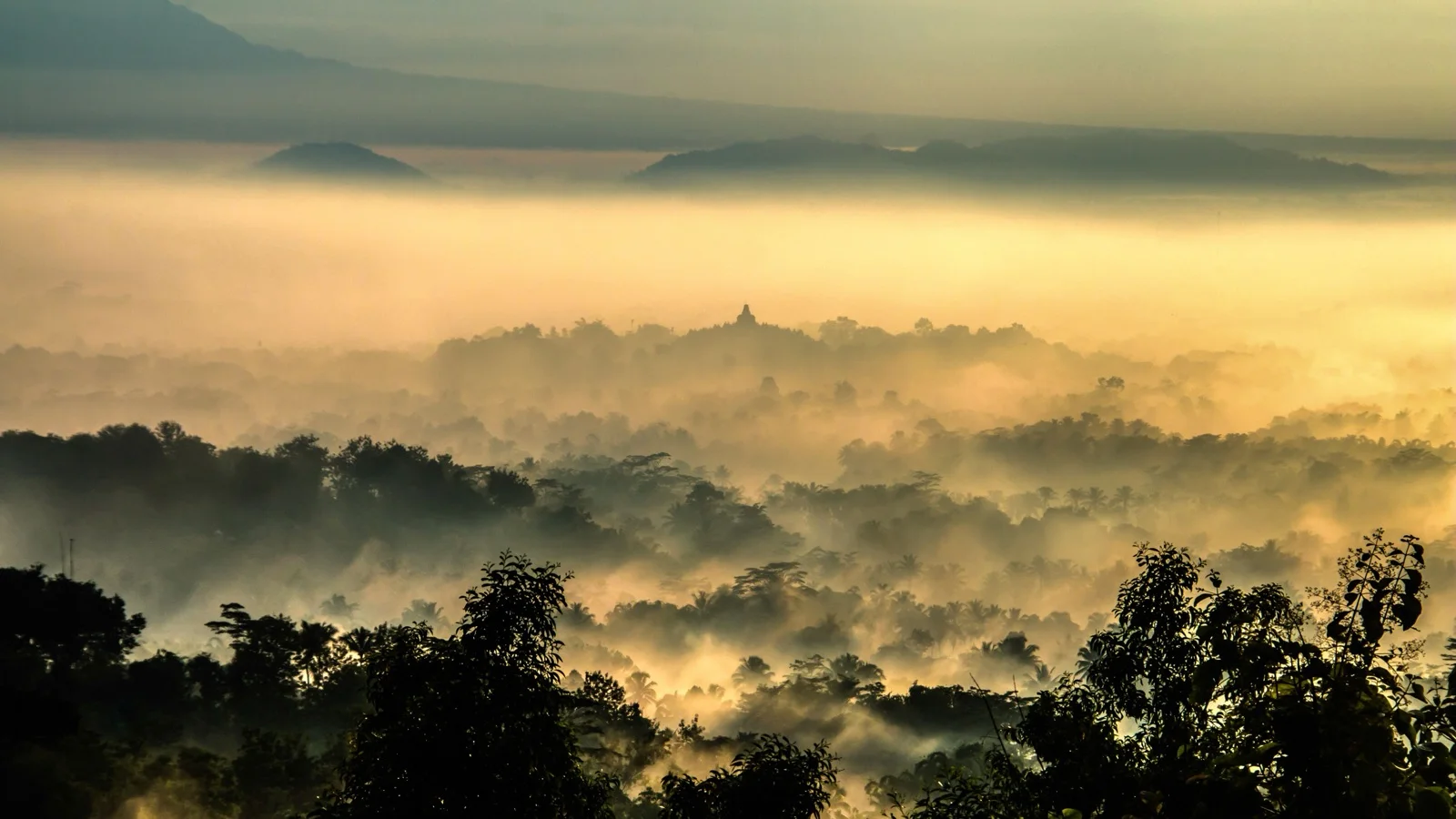
Your first morning opens in the dark, on a hillside in central Java, waiting for a giant temple to appear out of the mist.
Three days here get you the world's biggest Buddhist monument, a living royal palace, and a strange night ritual. A few timing calls decide how good it gets.
You're coming in dry season: reliable dawns, cool highland mornings, open-air nights, and the odd afternoon shower, which is a trade most people take happily.
Day 1
Today is the day you earn your sunrise: a dark hilltop first, then the temple itself, then coffee in a rice paddy under a volcano.
Punthuk Setumbu
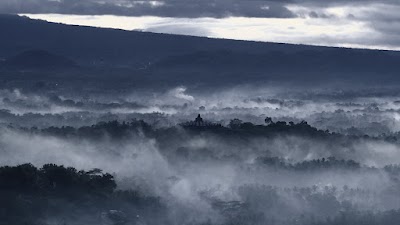
Punthuk Setumbu is a small hilltop platform facing Borobudur across the Kedu Plain, the postcard view before you ever set foot in the temple. It's a hundred strangers standing in the cold, watching the sky go gray to orange in about ten minutes, like the sun has a call time.
You want to be here around 4:30 to claim rail space, in shoes that handle a dark, uneven path, with a layer for the chill. Some mornings the mist wins and Borobudur stays a rumor, but dry season gives you the best odds, and honestly, that's the deal with nature.
Tip: Arrive by 04:30 in dry season to secure a front-row sunrise spot; buy your ticket at the gate with cash and bring a warm layer for the chilly hilltop.
Borobudur Temple
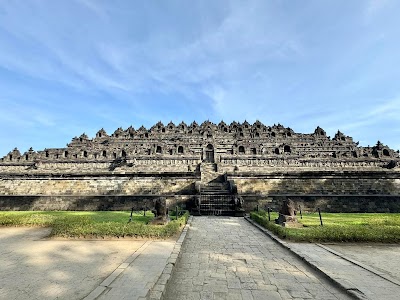
Borobudur is a ninth-century stupa-mountain of volcanic stone, the world's largest Buddhist monument, designed as one walkable path you read with your feet. It feels like leaving a library for the sky: the carved galleries stop, the perforated stupas start, and the whole plain opens up around you.
It was abandoned for centuries, swallowed by jungle and volcanic ash, and scholars still argue about exactly why it was left at all. The upper terraces run on a structured entry quota, so prebook that Borobudur ticket and come at opening, before tour buses change everything by mid-morning.
Tip: Prebook the structured temple-entry ticket online in advance because daily quotas sell out, and arrive at opening to climb the upper terraces before the tour-bus crowds.
Waroeng Kopi Klotok
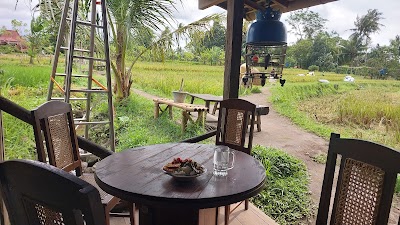
After two hours of ancient stone, the day hands you breakfast in a working rice field: Waroeng Kopi Klotok, under Merapi. You sit on simple platforms beside the paddies, mist still hanging on the fields, strong Javanese coffee arriving while a rooster handles the soundtrack.
The headline drink is durian in a cup. Ordering it before nine a.m. is either a rite of passage or a dare, and your neighbors will watch.
This is where Jogja locals actually spend their weekends, the strongest endorsement a warung can get. Bring cash, because most stalls skip cards.
Tip: Stop for Javanese coffee and durian drinks in the rice fields on the transfer back toward Jogja; mist sits over the paddies mid-morning and most stalls take cash only.
Day 2
Today is all royal Java: a working sultan's palace, the tunnels and bathing pools beside it, and a boulevard that turns night market after dark.
Keraton Ngayogyakarta Hadiningrat
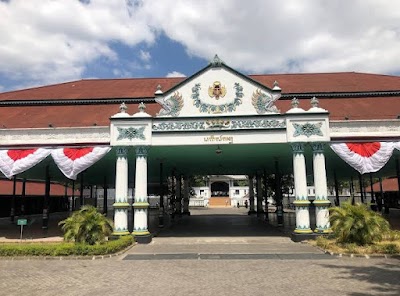
The Keraton is Yogyakarta's royal palace, and it's a working one: the Sultan actually lives here while you tour the pavilions. Indonesia quietly still runs a sultanate here, and this eighteenth-century court kept real power when other royal lines lost it, which is why the city feels different.
Go in the first hour and you get gamelan rehearsal drifting across the courtyards, and that soft bronze sound is the whole atmosphere. Somewhere past the gift shop an actual monarch is going about his morning while tourists narrate his furniture. Dress modestly; it's someone's home.
Tip: Arrive soon after opening to catch morning gamelan rehearsals; buy your ticket at the main gate and keep small cash on hand for a palace guide.
Taman Sari Tourist Village
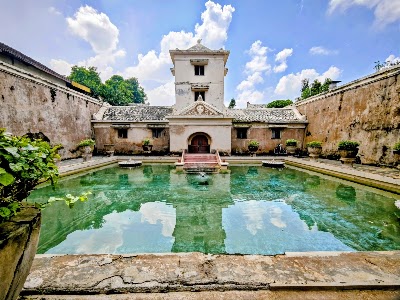
Five minutes away on foot, Taman Sari was this court's private water palace: tunnels, sunken bathing pools, and a mosque built underground. The Sumur Gumuling mosque is the strange one, with stairways stacked over each other, meeting in the dark center of a hexagon, voices circling the chamber.
See the Keraton first, because Taman Sari is its private half, earthquake-ruined pleasure gardens where village houses now sit inside the royal walls. Everyone takes the same lone tunnel photo, in a line of twenty people doing the identical pose. Wear real shoes, the passages are low and dark.
Tip: Walk the underground tunnel to the hexagonal Sumur Gumuling mosque before the midday heat; weekdays bring fewer crowds than weekend mornings.
Jalan Malioboro
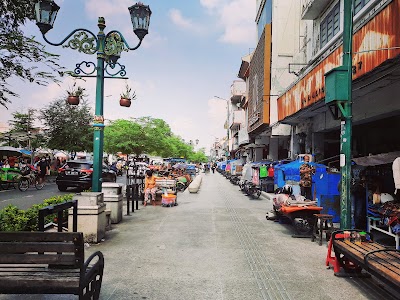
At dusk, walk into Jalan Malioboro, the city's front room for over a century: batik shops, horse carts, and food stalls swallowing the sidewalk. The street sits on the city's old ceremonial axis, running from Mount Merapi toward the palace and the sea, a sacred line that now mostly sells T-shirts.
Dusk is when it converts: heat breaks, griddle smoke and horse-cart bells take over, and plastic stools fill the pavement for the night market. Bargain with a smile and a walk-away, and try a lesehan spot eating cross-legged on the mat. By shop three you'll own more batik than socks.
Tip: Stroll the boulevard at dusk when street vendors set up along the walk; bargain politely, carry small cash, and hop a bendi horse cart for fun.
Day 3
Last day is the mirror image: sharp Hindu spires in the morning, a hilltop nobody can explain at sunset, and a public failure contest to finish.
Prambanan Temple
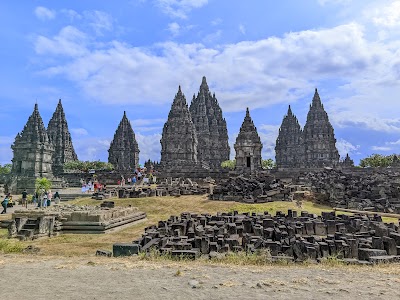
Prambanan is the Hindu answer to Borobudur, a ninth-century compound of slender stone spires over shrines to Shiva, Brahma, and Vishnu. Where Borobudur is rounded and meditative, Prambanan is vertical and sharp: same valley, rival religion, completely opposite architecture.
The Ramayana epic is carved into the corridors, so walk them slowly and clockwise, and the story reads around the walls if you let it. It's still being pieced back together after the 2006 earthquake, so some inner chambers stay closed. Book Prambanan online and come early, before the courtyard conveyor belt.
Tip: Book your ticket online in advance to skip the entry line, and tour the Shiva shrine corridor early while the courtyards are still cool.
Keraton Ratu Boko
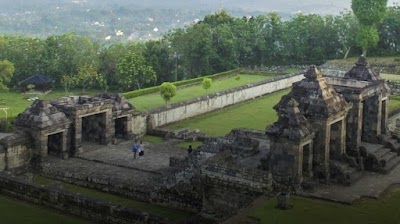
Ratu Boko isn't a temple. It's a spread-out hilltop site of gates, baths, and terraces, looking down at Prambanan with Merapi in the distance. Scholars genuinely can't agree whether this was a palace, a monastery, or both, so you're walking around an argument with a spectacular view.
Come in the afternoon, because the west-facing terrace was made for golden hour, the plain turning gold beneath the spires you toured this morning. The site is uphill and spread out, so plan the ride up. After sunset the path down is dark, so watch your step.
Tip: Take a taxi or rideshare for the uphill transfer, then watch sunset from the west-facing terrace; check closing hours at the gate before settling in.
Kidul Plaza Yogyakarta
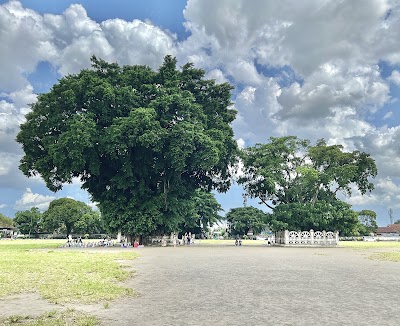
Back in the city, the South Square becomes Yogyakarta's nightly game: blindfolded visitors trying to walk straight between two floodlit banyan trees. Legend says making it brings good fortune. In practice almost nobody does, veering off within meters while the whole lawn enjoys it.
It's fairy-lit trees, carnival music from the lit-up pedal rides, grilled-snack smoke, and laughter tracking every blindfolded wanderer. Do the walk yourself before watching too many others. Locals genuinely treat it as a luck charm, and a weeknight lets you fail semi-privately.
Tip: Head back to the city for the blindfolded night walk between the two glowing banyan trees; weekends draw the biggest crowd, so come on a weeknight if you can and bring small cash for street snacks.
What to book ahead
- Borobudur structured temple-entry ticket (2-3 weeks before) - Daily quotas sell out in dry season; book the earliest opening slot.
- Car and driver for the Magelang sunrise day (1 week before) - Arrange a 03:15 hotel pickup covering Setumbu, Borobudur, and a rice-field breakfast stop.
- Prambanan online ticket (3-5 days before) - Consider the combined Prambanan–Ratu Boko ticket to save at the gate.
- Jomblang Cave slot (if swapping in) (1-2 weeks before) - Operators cap daily descents and close on select days; confirm weather the day prior.
- Merapi lava tour jeep (alternative) (1-2 days before) - Morning departures have clearer summit views.
- Ramayana Ballet seats (optional Prambanan evening) (1 week before) - Dry-season performances run on select nights; pick trimurti-tier seating.
What to pack
Essentials
- Light warm layer - Pre-dawn hilltops at Setumbu and the Merapi flank are chilly even in dry season.
- Temple-modest clothing and a sarong - Shoulders and knees must be covered for Borobudur, Prambanan, and Keraton entry.
- Small cash bills - Warungs, angkringan stalls, and viewpoint gates are cash-only.
- Comfortable walking shoes - Stone terraces, market lanes, and tunnel paths add up over long days.
- Sunscreen and hat - Equatorial sun is fierce by mid-morning, even on scenic drives.
Nice to have
- Compact tripod or phone clamp - For the sunrise silhouette and the glowing banyan trees at night.
- Motion-sickness tablets - Winding roads to Kaliurang, Ijo Temple, and Gunungkidul.
- Refillable water bottle - Humidity and walking add up; refill at hotels between stops.
- Rain poncho - Dry-season afternoons can still throw a quick shower.
- Dust buff or mask - For the Merapi lava tour across lahar and ash fields.
Final take
Three days, and Yogyakarta runs you from silent mist and ancient stone to a laughing, lit-up lawn. Very few cities can pull off both ends.
Plan this trip
Turn this guide into an editable trip plan
Open the route in Instaboard, adjust the stops, and share the itinerary with your travel group.