Travel Guide
Yokohama Japan 3-Day Itinerary: Waterfront Walks, Chinatown, Gardens & Ramen
Want the editable version of this route?
Open the Instaboard template and adapt stops, timing, and notes to fit your trip.
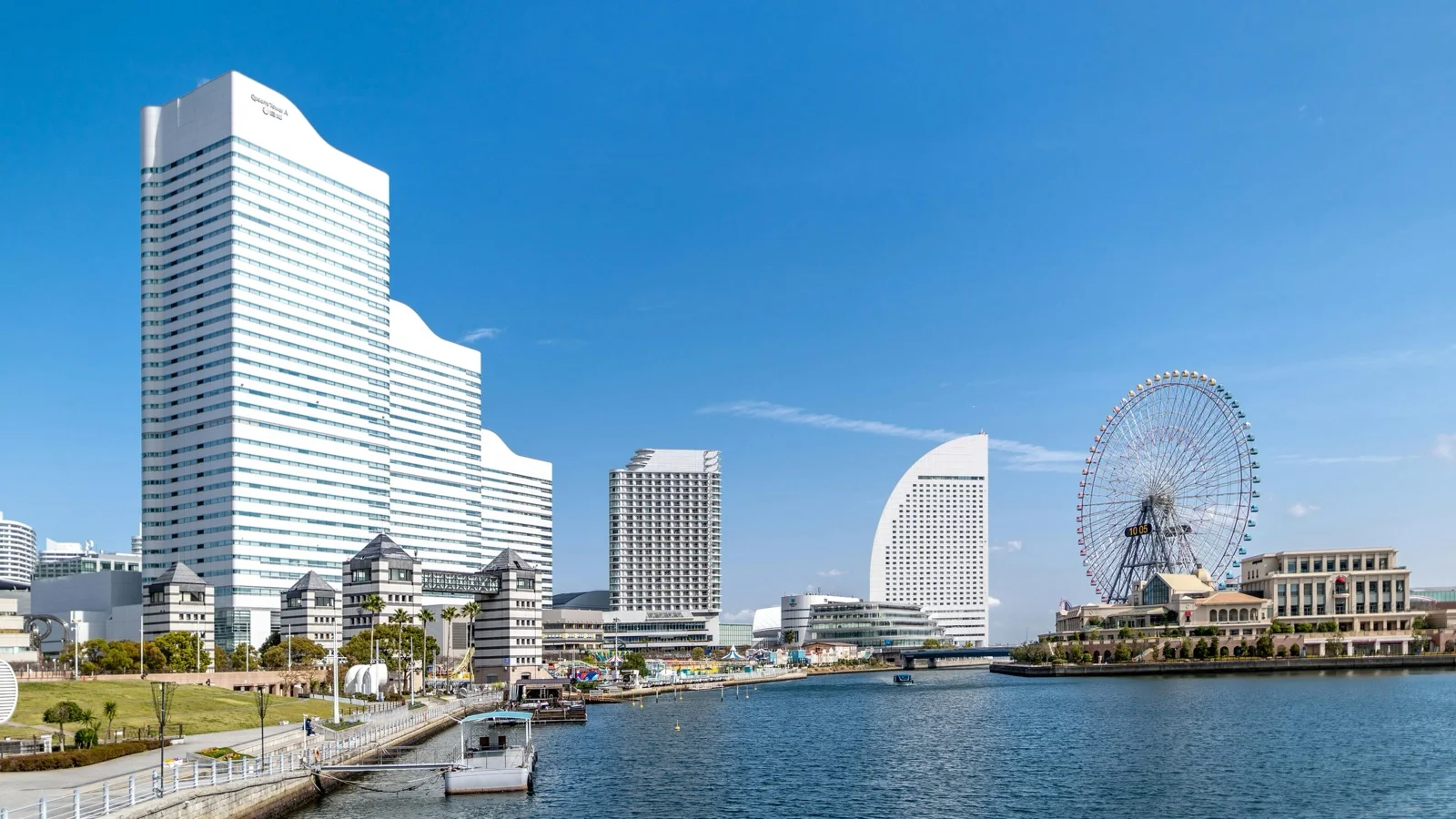
Yokohama is the Japanese port city where old docks, skyline walks, garden calm, and serious noodle culture all somehow live together. Do this city well and you get bay views, ship history, Chinatown chaos, and the good kind of weird, instead of just drifting between malls and guesses.
Spring suits Yokohama because the waterfront actually invites long walks, and if rain shows up, the city has solid indoor pivots that still feel worth it.
Day 1
First, Yokohama introduces itself through reused port infrastructure, instant noodles taken absurdly seriously, and warehouses that aged better than expected.
Kishamichi Promenade
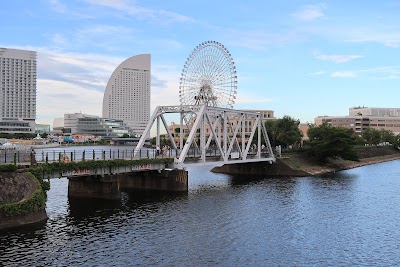
Kishamichi Promenade is a converted rail line by the bay, and for a first-timer it explains Yokohama in about ten minutes. You get open water, a very tidy skyline, and those old industrial bones still doing useful work because the city kept them.
Morning is best here for cleaner light and fewer people stopping every few steps for the exact same photo you are considering. It feels less like an attraction and more like the city casually showing off without making a speech about it.
Tip: Stroll the converted rail-line promenade for skyline-to-bay angles; morning light is clean and crowds are lighter. Bring a light layer for the breeze.
Cup Noodles Museum
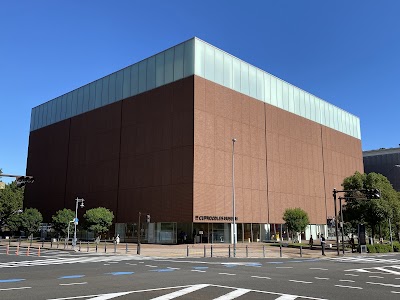
A few minutes on, the Cup Noodles Museum sounds like a joke stop until you realize it is really about invention, branding, and postwar everyday life. Inside, it is bright, busy, and weirdly sincere, with adults and children giving noodle design choices the gravity of career planning.
After the bay walk, an indoor stop with actual personality feels better than hiding in a random cafe. If you want the hands-on parts, check the official site first and arrive a bit early so the fun does not begin with mild panic.
Tip: Interactive museum break; book ahead if you want the custom-cup experience and arrive at your slot early. Great rainy-day anchor with nearby cafes after.
Yokohama Red Brick Warehouse
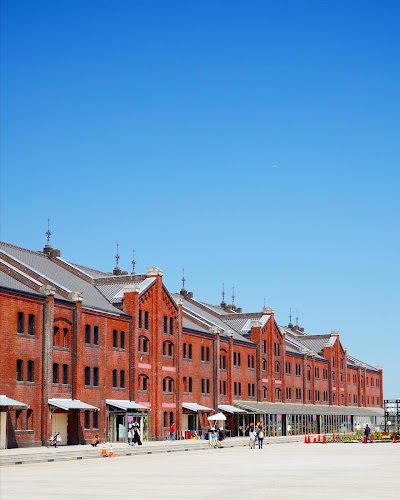
Then the Red Brick Warehouse gives the waterfront its older face: former port buildings that still anchor the harbor instead of just decorating it. The best part is the contrast: brick, sea air, open plaza, and modern Yokohama rising neatly behind it like it has rehearsed this.
Come mid to late afternoon because the exterior gets nicer as the light softens, and the place works better outside than buried in shopping. It is also a very modern lesson in urban history: keep the warehouse, add retail, and everyone agrees this counts as culture now.
Tip: Waterfront warehouses with seasonal pop-ups; go mid-afternoon for atmosphere, then time it into golden hour outside. Weekends can be busy, so eat earlier or later.
Day 2
Day two shifts from open harbor air to an old ocean liner and then straight into the lantern-lit appetite test of Chinatown.
Yamashita Park
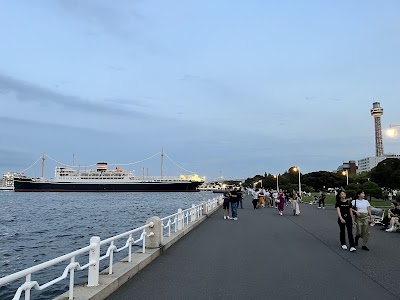
Yamashita Park is the broad harbor promenade where Yokohama feels most spacious, with water on one side and the city behaving itself on the other. This is not a deep-meaning park stop; it matters because you actually feel the port here through the ships, wind, and long open edge.
Morning works best when it is calmer, less performative, and more local, with coffee, runners, gulls, and people quietly using the city. Treat it as a walk with benefits, not a formal sightseeing mission, and it sets up the ship and Chinatown without feeling staged.
Tip: Classic harbor promenade for spring flowers and open views; morning is calm and best for a slow walk with coffee. Good connector day for minimal transit.
NYK Hikawa Maru
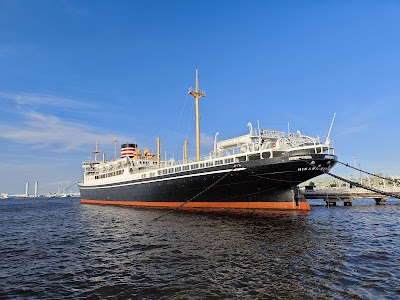
Right by the park, NYK Hikawa Maru is a preserved ocean liner you can walk through, which is much more convincing than reading one harbor plaque. The interiors are polished and narrow in that old-travel way, like crossing the Pacific once required both elegance and a tolerance for hallways.
The ship gives Yokohama's port history an actual interior, not just a view across the water. If you like decks, keep a light layer handy. Spring by the bay can still get sharp once the wind starts doing its thing.
Tip: Tour the historic ship docked by the park for maritime history; aim for earlier afternoon to avoid school-group crowds and check last-entry time. The decks get windy, so pack a light jacket.
Yokohama Chinatown
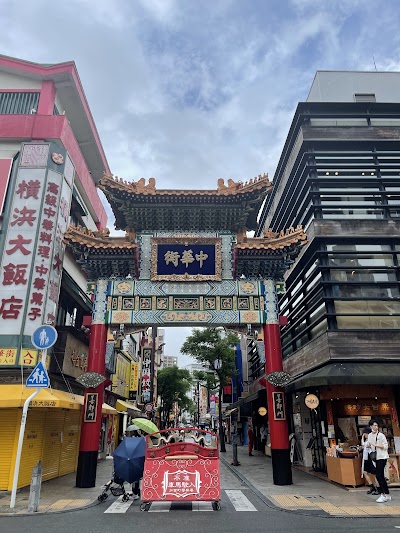
By evening, Yokohama Chinatown is the city's dense, loud, hungry counterpoint to all that harbor breathing room. Even if you know nothing about it, the appeal is immediate: gates, steam, sweets, dumplings, bright signs, and sidewalks negotiating with human appetite.
It works best in early evening because the lanterns start paying off before the full dinner crush turns every decision into queue management. Share snacks and keep moving. Chinatown is better as a district to sample, not a place to lose all stomach capacity at stall one.
Tip: Food crawl night: split portions, carry cash for quick bites, and avoid peak queues by eating early then looping back for desserts. Lantern streets are best after dark.
Day 3
The last day gets less polished: market morning, a surprisingly traditional garden, then a ramen finale that knows exactly what it is doing.
Yokohama Central Wholesale Market
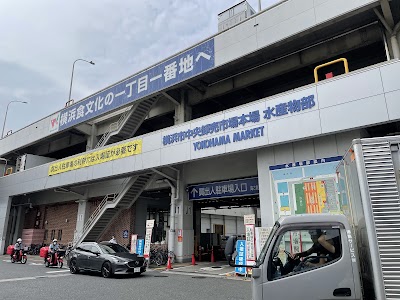
Yokohama Central Wholesale Market is where the city drops the waterfront styling and gets practical. You come for morning rhythm more than scenery: broth smells, workmanlike chatter, fluorescent lighting, and absolutely no interest in your cinematic moment.
Go early because market places make sense when they still have momentum; later, the spell breaks and it just feels functional. Keep expectations simple here: a grounded breakfast and a glimpse of how a port city feeds itself behind the postcard version.
Tip: Local morning energy for a simple breakfast and quick wandering; arrive early for the freshest picks and fewer crowds. Great way to avoid a rushed late start.
Sankeien Garden
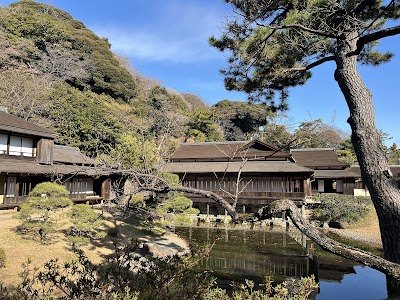
Sankeien Garden is where Yokohama suddenly stops reading as modern bay city and starts looking like a carefully composed traditional landscape. What makes it stick is not just the pond and seasonal flowers, but the historic buildings moved here to give the whole place architectural depth.
Afternoon suits it because this stop really is a long exhale: gravel paths, reflections, birds, and everyone instinctively lowering their voice. If the waterfront version of Yokohama felt a bit too polished, this is the stop that rounds the city out properly.
Tip: Unhurried garden afternoon for blossoms and historic structures; take a direct bus or taxi to save time and plan for 2-3 hours of walking. After rain, paths can be slick, so wear grippy shoes and go slow.
Shin-Yokohama Ramen Museum
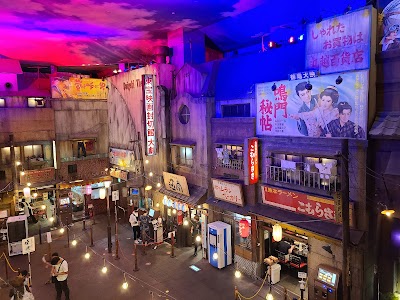
Shin-Yokohama Ramen Museum closes things out with a very tourist-friendly idea that is better than it sounds. It is part museum, part retro streetscape, part regional ramen sampler, with broth steam and nostalgic lighting doing most of the persuasion.
Go earlier in the evening because queues build fast, and this place is more fun when you can try more than one bowl. Check the official site before you go, then pace yourself. Ramen ambition is easy, but the consequences tend to become quite personal.
Tip: Retro ramen theme museum finale; reserve an e-ticket or timed entry when available and arrive before peak dinner queues. Go earlier in the evening to sample two smaller bowls with less waiting.
What to book ahead
- Reserve Cup Noodles Museum hands-on experience slot (3-7 days before) - Time slots can sell out; book for early afternoon to keep the day flowing.
- Check sunset time and visibility for Sky Garden (Day before) - Clear evenings are best; arriving 30-45 minutes before sunset improves the view and photos.
- Reserve or pre-buy Shin-Yokohama Ramen Museum entry if offered (1-3 days before) - Helps avoid peak dinner waits; pair with an early-evening arrival for smoother pacing.
What to pack
Essentials
- Light jacket or windbreaker - Harbor areas get breezy, especially around sunset viewpoints.
- Comfortable walking shoes - This trip is walk-heavy with promenades, parks, and garden paths.
- Compact umbrella - Spring showers can appear quickly; keeps the plan flexible.
Nice to have
- Small towel/handkerchief - Commonly useful in Japan for quick dry-offs after rain or handwashing.
- Portable phone charger - Photo-heavy waterfront days drain battery fast.
- Cash for street snacks - Some Chinatown bites and quick counters are easier with cash.
Final take
What makes Yokohama stick is that it never leans on one mood for long. Harbor city, immigrant city, garden city, and comfort-food city all keep trading places.
Plan this trip
Turn this guide into an editable trip plan
Open the route in Instaboard, adjust the stops, and share the itinerary with your travel group.