Travel Guide
3 Days in Yufuin: Onsen, Mt Yufu & a Lake That Steams
Want the editable version of this route?
Open the Instaboard template and adapt stops, timing, and notes to fit your trip.
Hey, so there's this small mountain town in Kyushu where the lake steams like a hot bath, the main street is basically a snack parade, and the train to get there has raised seats so you can watch the countryside go by like you're in a moving lodge. The thing about Yufuin is most people visit it as a day trip from Fukuoka, rush the same street everyone rushes, and leave before they realize the town actually has a volcano you can climb, a Kengo Kuma museum, and a roll cake with a sell-by-11-AM expiration on your dignity.
Yufuin works in every season. Cherry blossoms along the lake in spring, serious hiking in summer, the mountains go red and gold in autumn, and winter gives you that ghostly mist over the water. Really, you're just picking what kind of pretty you want.
Day 1
Day one is the arrival. You ride in on a scenic train through the mountains, walk a street full of food stalls and glass shops, and end up at a tiny steaming lake with a torii gate half-submerged in mist.
Yufuin Station
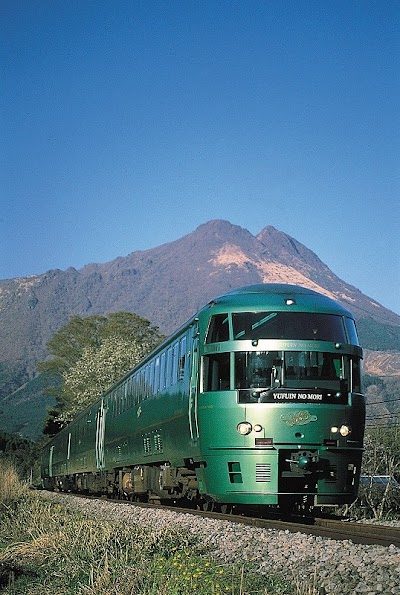
Getting to Yufuin is half the point. The Yufuin no Mori is a JR sightseeing train with elevated floors and oversized windows. You sit higher than normal and watch the Kyushu mountain scenery scroll past for about two hours. You can pre-order a bento made with Oita wagyu and eat it at your raised seat like you're in a moving mountain lodge.
When you step off, the platform is wood, the air is cooler, and Mount Yufu's twin peaks are already right there above the rooftops. It's the moment Fukuoka feels properly behind you. Grab a paper map at the station booth on your way out, because cell signal gets patchy once you're in the surrounding mountains.
Tip: Arrive via the Yufuin no Mori limited express from Hakata in about two hours. Book reserved seats in advance for guaranteed window views of the scenic mountain route.
Yunotsubo Kaido
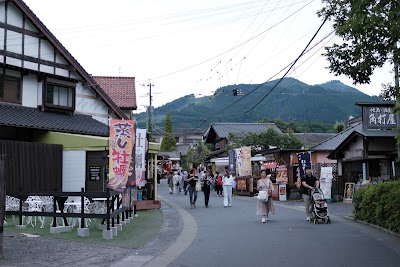
From the station to the lake there's one street, Yunotsubo Kaido, and it's about 800 meters of onsen manju carts, grilling senbei, dango stalls, and small shops selling glasswork and pottery. The whole thing has been called 'Karuizawa-like,' which is a polite way of saying it's charming, curated, and absolutely mobbed by midday.
Eat as you walk. The street food is the attraction here, not a warm-up for some later sit-down meal you're never going to find. By late afternoon the day-trippers thin out and the street gets quieter, especially in colder months when steam from the shop doorways meets the cold air and everything feels a bit dreamier.
Tip: Walk this pedestrian street lined with artisan shops, cafes, and street food stalls selling onsen manju and fresh senbei. Arrive by mid-morning to beat the afternoon crowd.
Lake Kinrin
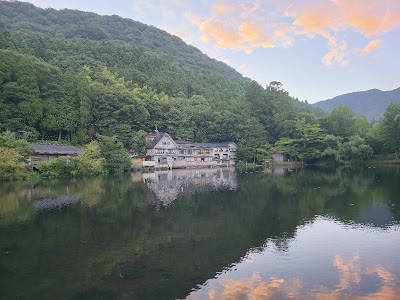
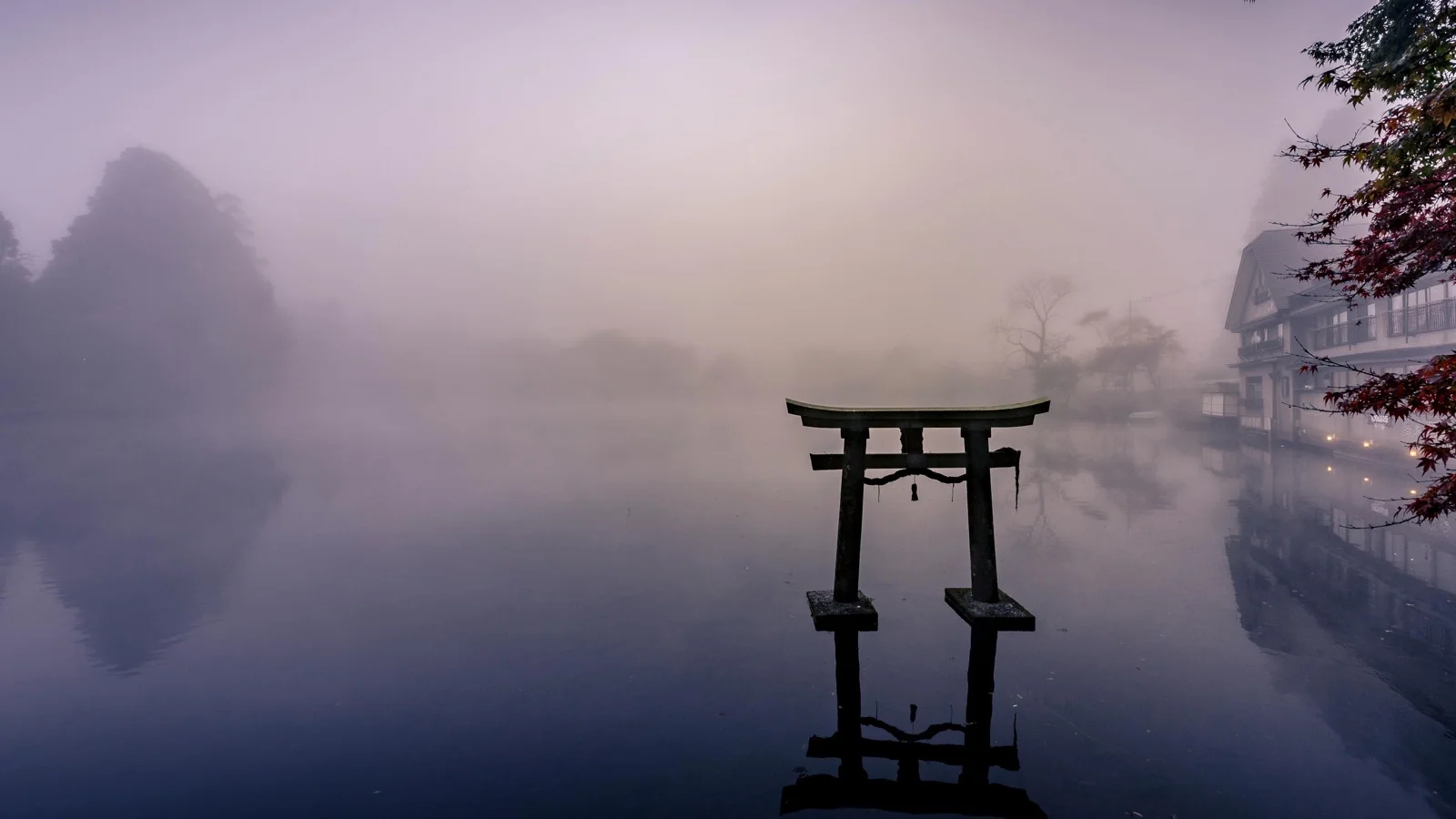
At the end of the street you hit Lake Kinrin. It's small, like 400 meters around, but it's the reason Yufuin exists as a resort town. Hot spring water and cold spring water mix in the lakebed, and when the air is cool enough the whole surface steams like a bath, wrapping around a small torii gate standing in the water.
A Confucian scholar named Mori Kuso saw fish leaping at sunset and their scales caught the light so dramatically he named the lake 'Kinrin,' meaning golden scales, on the spot. Come back at dawn your second morning if you want the real show. The mist is thickest, the crowds are nonexistent, and you'll have the path almost to yourself.
Tip: Stroll the lakeside path at golden hour when warm spring water meets cold springs to create ethereal mist. Bring a warm layer for cool evening air.
Day 2
Day two is the contrast. Morning on a volcanic mountain with your hands on the rocks, afternoon in a riverside art museum, and then the emotional climax of fighting for a slice of cake before it sells out.
Mount Yufu
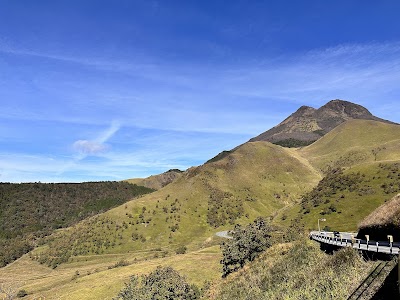
That twin-peaked mountain you've been staring at since you arrived? That's Mount Yufu, a 1,583-meter dormant volcano nicknamed the 'little Fuji of Oita' for the silhouette. The hike starts in cool, quiet forest and ends above the treeline with loose volcanic rock underfoot and the entire Yufuin basin spread out beneath you.
It's rated moderate but the final stretch involves scrambling on steep, loose stone. Proper hiking shoes, not sneakers. The round trip takes four to six hours depending on your fitness. Start early because you want to be off the exposed ridge before afternoon weather moves in, and check the bus schedule to the trailhead at Yufu-tozanguchi because runs are limited.
Tip: Hike the twin-peaked mountain for panoramic views of the Kuju range and Yufuin basin. Arrive at the trailhead by 8 AM and prebook a taxi for the return.
COMICO ART MUSEUM YUFUIN
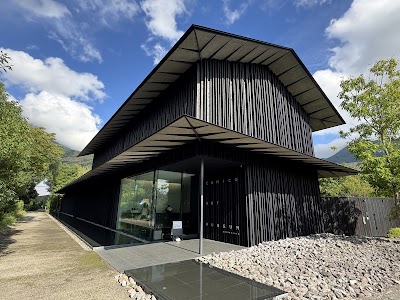
You didn't come to an onsen town expecting Kusama and Murakami on the walls, but the COMICO ART MUSEUM is a riverside building designed by Kengo Kuma (the architect behind Tokyo's Olympic stadium) showing blue-chip contemporary Japanese art in the middle of rural Kyushu. The 2022 Kuma expansion doubled the gallery space with warm wood and glass that dissolves the boundary between the interior and the forested hillside outside.
Budget about an hour and a half, bring cash, and know that the museum closes every other Wednesday, exactly the kind of schedule designed to catch people out. This is a good post-hike stop because you're already tired and the museum asks nothing from your legs, just your eyes and a willingness to stand in front of something beautiful in air-conditioning.
Tip: Explore Kengo Kuma's riverside architecture and Yayoi Kusama installations at this contemporary museum. Book your ticket online in advance, especially on weekends.
B-speak
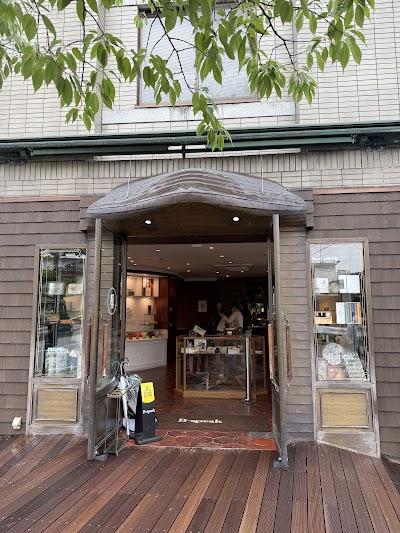
B-speak makes essentially one thing, a Swiss roll with impossibly fluffy sponge and barely sweet cream, and the slices can sell out before 11 AM. This is a pastry that punishes late risers, and the shop closes when it's gone, sometimes well before the listed closing time.
If you're staying at a ryokan, ask whether they serve B-speak rolls. Some inns in Yufuin source them directly, which is a loophole worth knowing about. Otherwise, go early, accept the queue, and savor the quiet satisfaction of having beaten the sold-out clock at a cake shop in a mountain onsen town.
Tip: Taste Yufuin's legendary roll cake at this beloved patisserie on Yunotsubo Kaido. Arrive before opening at 10 AM to avoid a queue that can stretch 30 minutes.
Day 3
Day three is the wind-down. A wander through an improbable English village built in Kyushu, and then a hot spring soak that is, honestly, the only correct way to end this trip.
Yufuin Floral Village
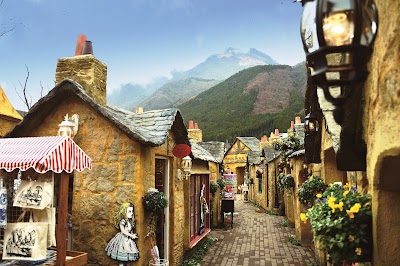
Yufuin Floral Village is a cluster of Cotswolds-inspired stone cottages dropped into the middle of an onsen town in Oita Prefecture, complete with a Miffy Bakery, a Snoopy shop, and an owl forest zoo. It's so unabashedly artificial that a Cardiff University researcher actually studied it as an example of Japan's 'fantasy tourism,' which is either damning or delightful depending on your mood.
The owls are more active in cooler weather, the fresh bread smells genuinely good, and the whole thing takes maybe 60 to 90 minutes. Don't overschedule around it. Lean into the absurdity: you're in a Japanese reimagining of an English village, eating character-themed bread, wondering what authenticity even means, and honestly having a nice time.
Tip: Wander through European-style cottages housing artisan shops, a mini farm, and an owl forest zoo. Visit on a weekday morning to avoid the weekend crowd.
Sagano-yu
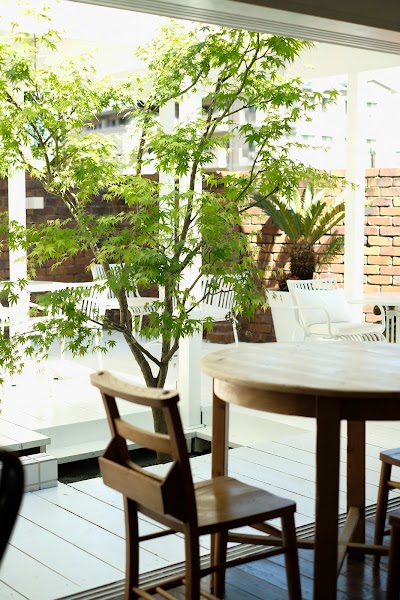
Yufuin exists because of its hot springs. Oita Prefecture produces more onsen water than anywhere else in Japan, and leaving without soaking would be like visiting Rome and skipping the Colosseum. A public bathhouse gives you mineral-rich spring water in a rustic setting without the cost or formality of a ryokan overnight. Just cash at the door, a towel, and the willingness to follow basic onsen etiquette.
Shower before you get in, no swimsuits, tie up long hair, and if you have tattoos, check the facility's policy beforehand because some public baths restrict tattooed bathers. About five minutes in, that deep involuntary relaxation hits your legs (the same legs that climbed a volcano yesterday), and suddenly three days of walking, eating, and scrambling feel like they were building to exactly this moment.
Tip: Soak in this historic public bathhouse near Lake Kinrin fed by natural hot springs. Bring cash for the entry fee and arrive at least an hour before closing.
What to book ahead
- Reserve JR limited express seats (Hakata to Yufuin) (2-4 weeks before) - Book via JR Kyushu website; reserved seats sell out on weekends and holidays
- Book ryokan or hotel with private onsen (1-3 months before) - Yufuin's best ryokans fill fast in peak autumn and winter seasons
- Buy COMICO ART MUSEUM tickets online (1 week before) - Skip the ticket queue by purchasing on the official website; weekend time slots sell out
- Arrange taxi for Mt. Yufu trailhead return (Day before) - Ask your hotel to call a taxi; few taxis wait near the trailhead, especially on weekdays
What to pack
Essentials
- Comfortable walking shoes - Cobblestone streets on Yunotsubo Kaido and hiking trails on Mt. Yufu require sturdy footwear
- Warm layers - Mountain temperatures drop quickly, especially on Mt. Yufu summit and near Lake Kinrin at dusk
- Cash (yen) - Smaller food stalls, public bathhouses, and some artisan shops are cash-only
- Towel and toiletries - Public onsen like Sagano-yu do not always provide towels for day visitors
Nice to have
- Rain jacket or compact umbrella - Yufuin's mountain basin can see sudden showers, especially in spring and early summer
- Portable charger - Long hiking and walking days drain phone batteries quickly, and outlets are scarce
- Swimsuit - Not needed for onsen (baths are nude), but useful if you visit mixed-gender outdoor pools at Tsukahara
Final take
Yufuin is a town of 10,000 people with a steaming lake, a volcano you can scramble up, world-class architecture, and a cake that disappears before lunch. Somehow all of it feels like it belongs together.
Plan this trip
Turn this guide into an editable trip plan
Open the route in Instaboard, adjust the stops, and share the itinerary with your travel group.