4 daysIshigakiJapan
Ishigaki in 4 Days: Beaches, Snorkeling & Manta Rays
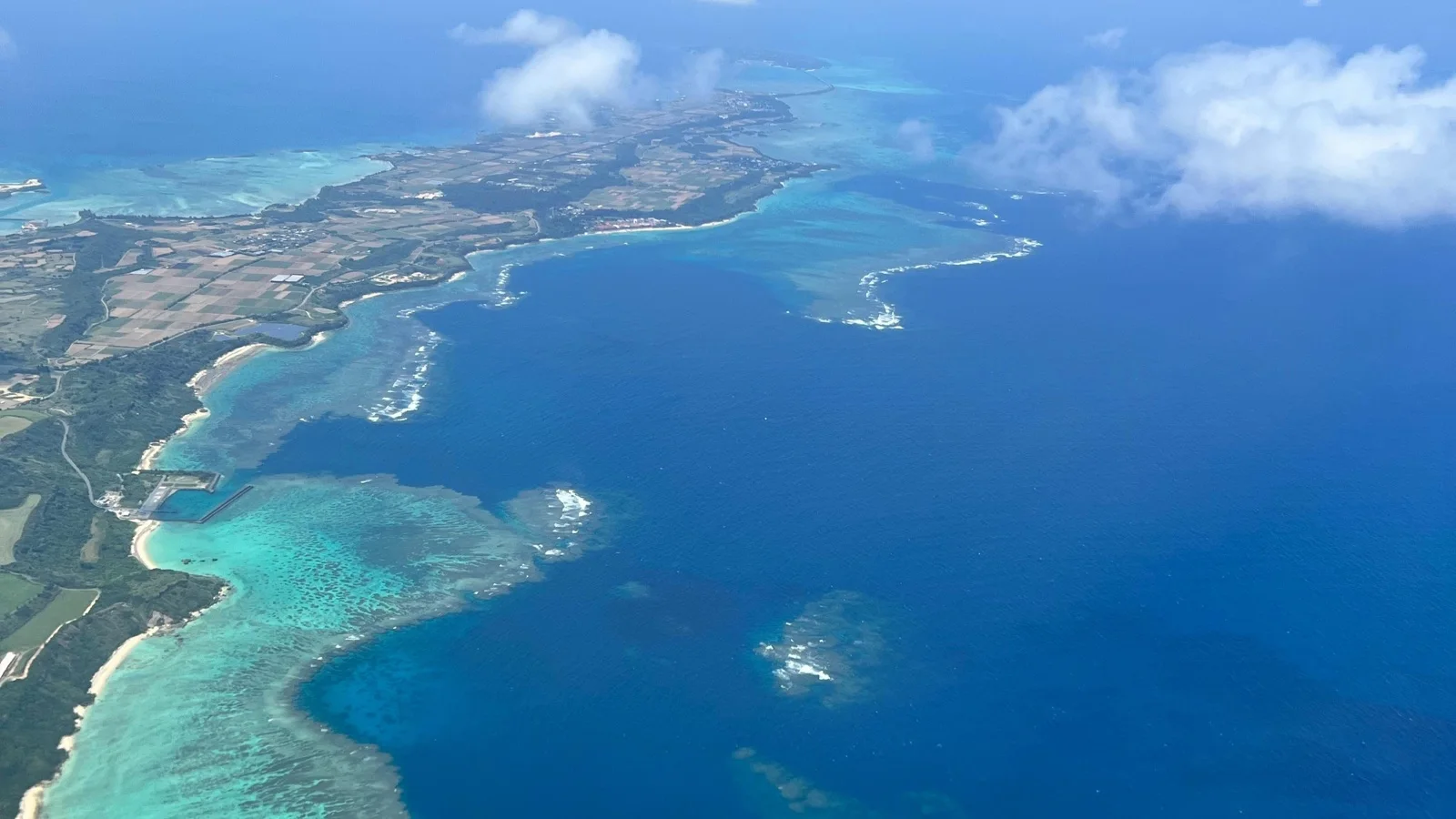
There is an island at the bottom of Japan with glowing sea caves, wild manta rays, and Wagyu-quality beef at half the price. Here is exactly how to spend four days on Ishigaki.
Guides
Editorial travel guides built from our route-planning pipeline and paired with editable Instaboard trip plans.
There is an island at the bottom of Japan with glowing sea caves, wild manta rays, and Wagyu-quality beef at half the price. Here is exactly how to spend four days on Ishigaki.
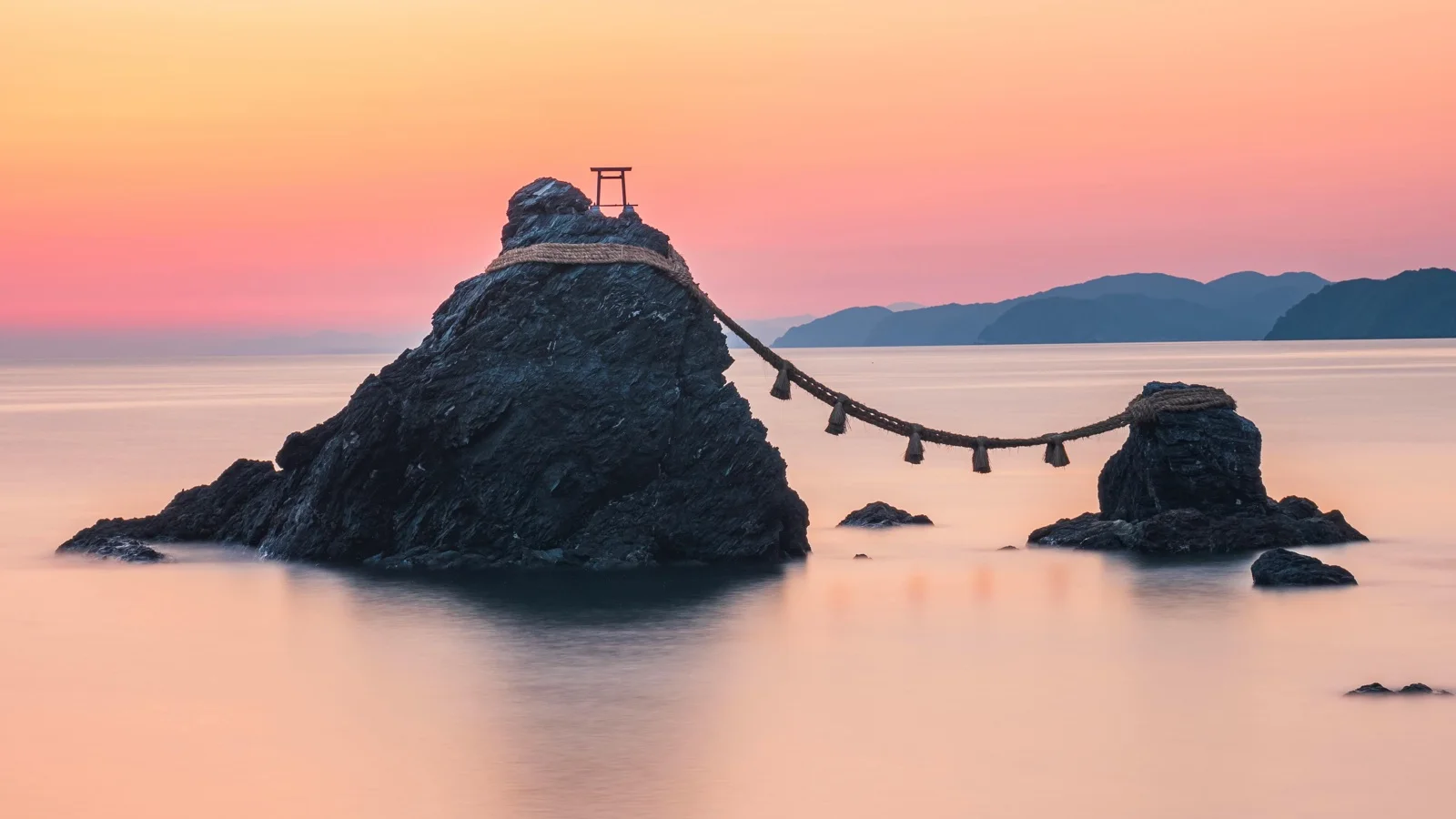
Three days on Japan's holiest coast: a shrine you can't photograph, women who free-dive for pearls, and the best seafood you'll eat sitting cross-legged on the floor.
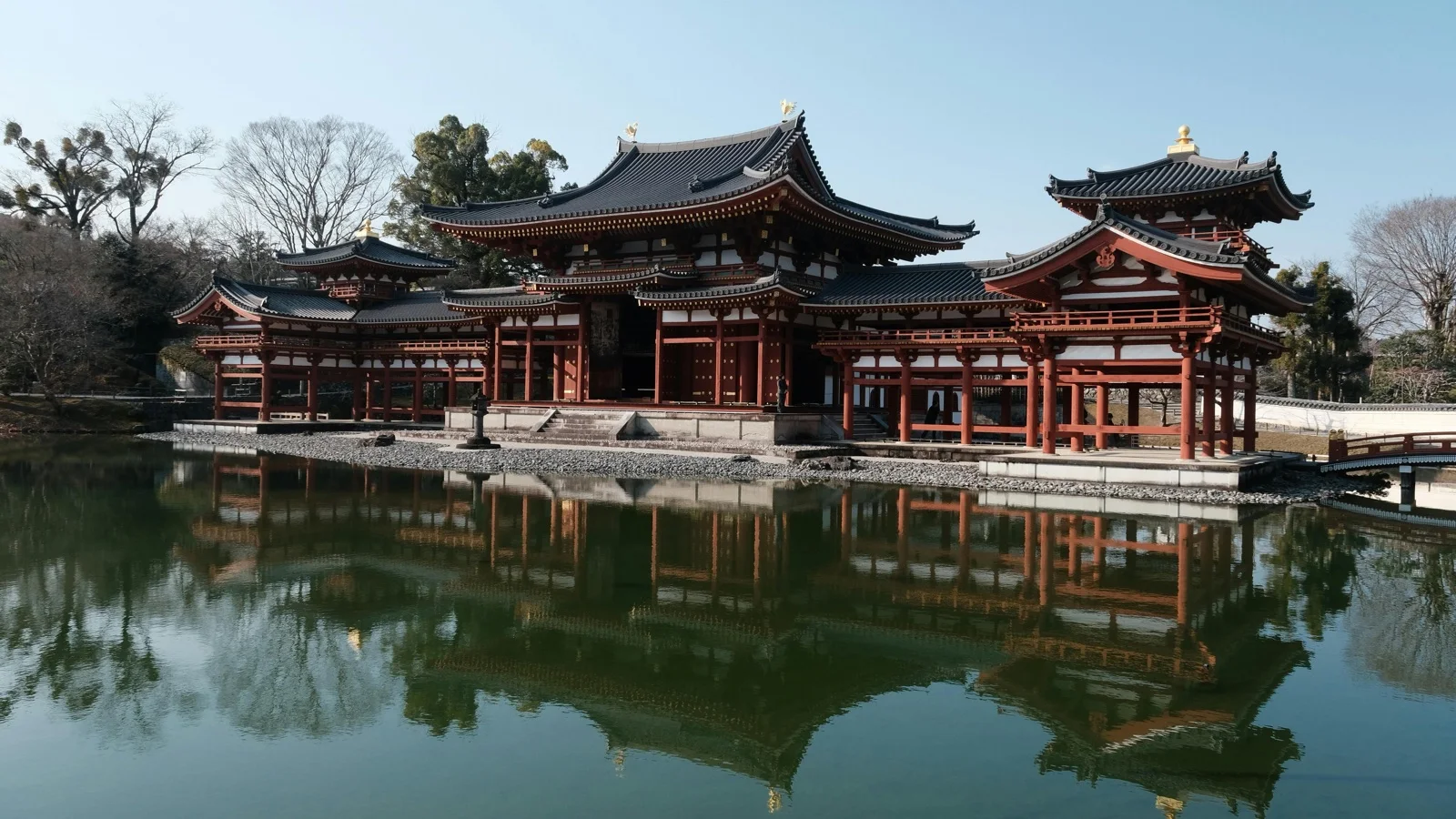
Uji is a small city twenty minutes south of Kyoto where Japan's tea culture began. Three days here cover thousand-year-old temples, the world's oldest tea shop, and more matcha than you thought possible.
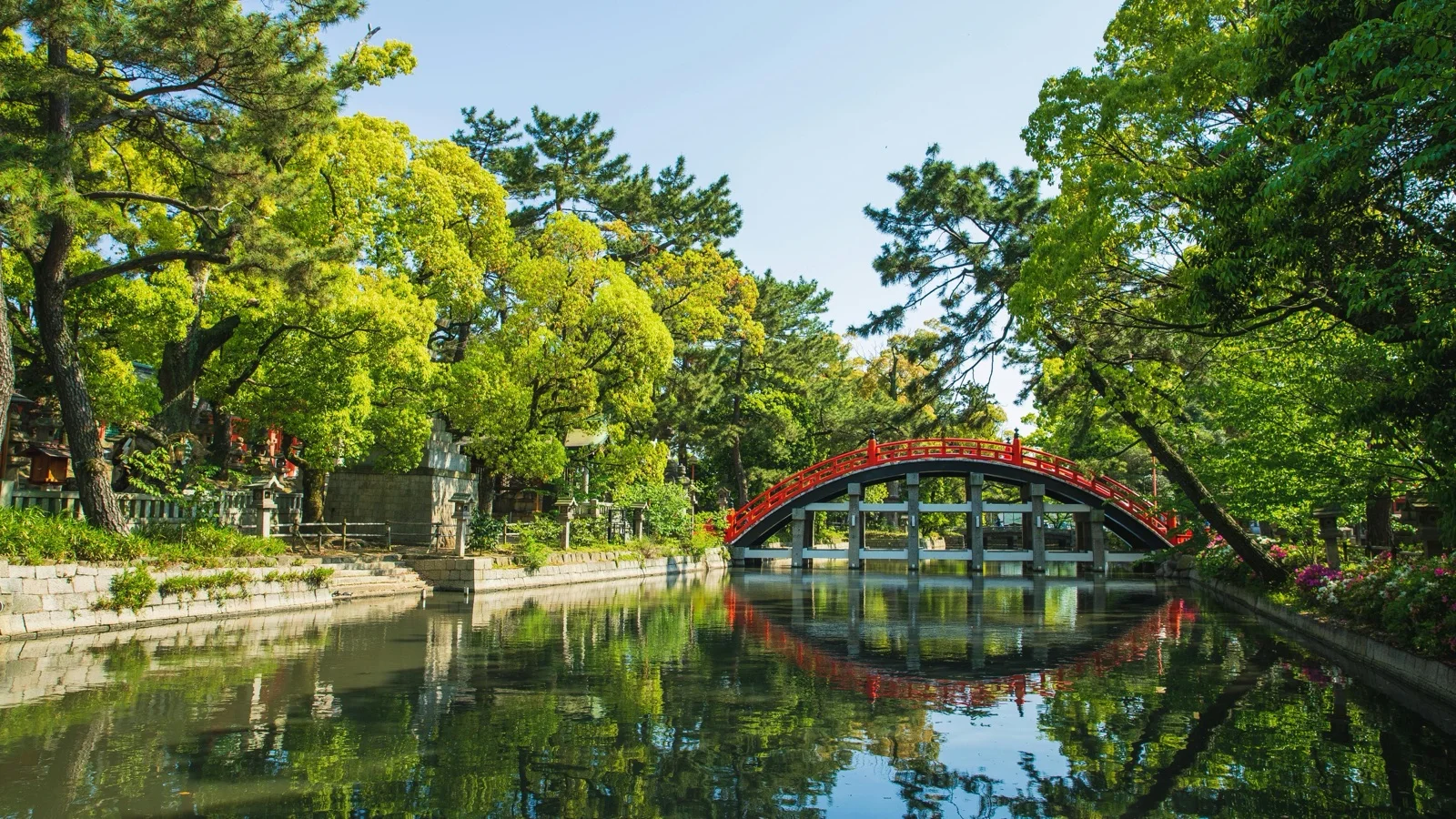
Kinosaki Onsen is a 1,300-year-old hot-spring town on the Sea of Japan coast that earned two Michelin Green Guide stars. Three days covers cave baths, a lantern-lit canal, and a ropeway to a mountainside temple.
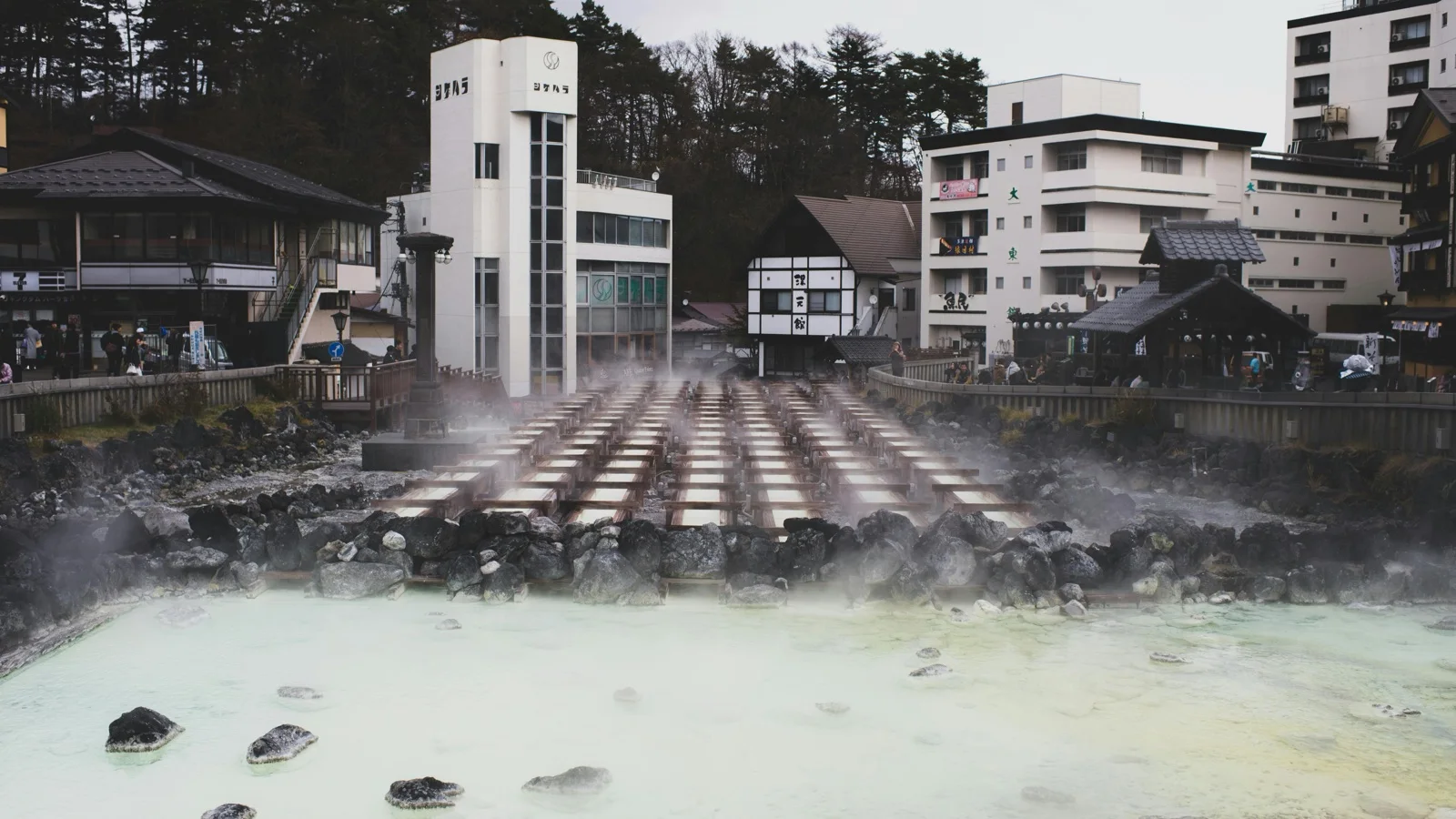
Kusatsu Onsen pumps five thousand liters of near-boiling sulfur water through wooden channels every minute, keeps winning Japan's top hot spring ranking, and three days here will change how you think about Japan.
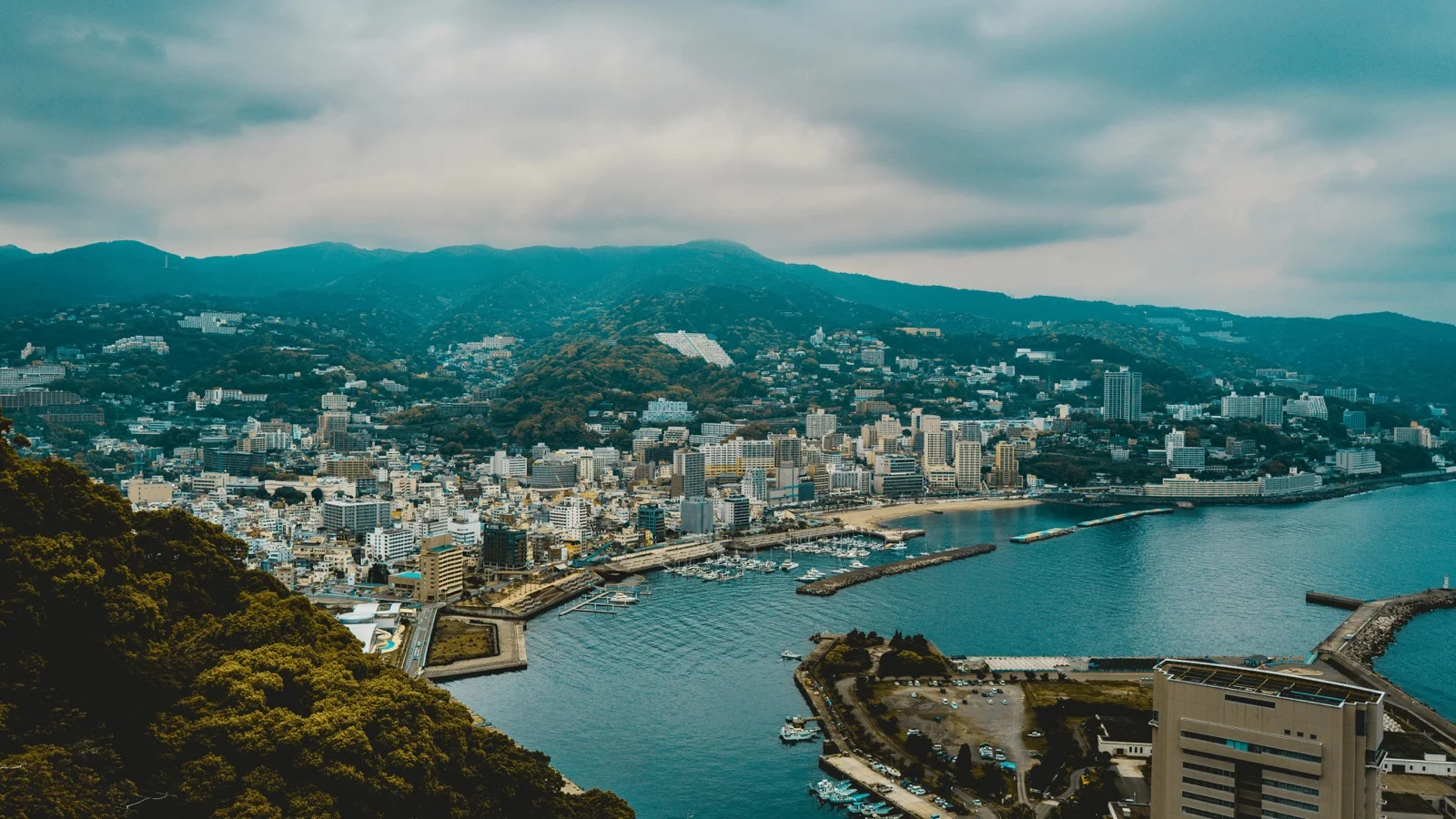
Atami sits 40 minutes from Tokyo on the bullet train, with onsen foot baths at the station, weekly fireworks over the bay, and a 2,000-year-old tree you can walk around for good luck.
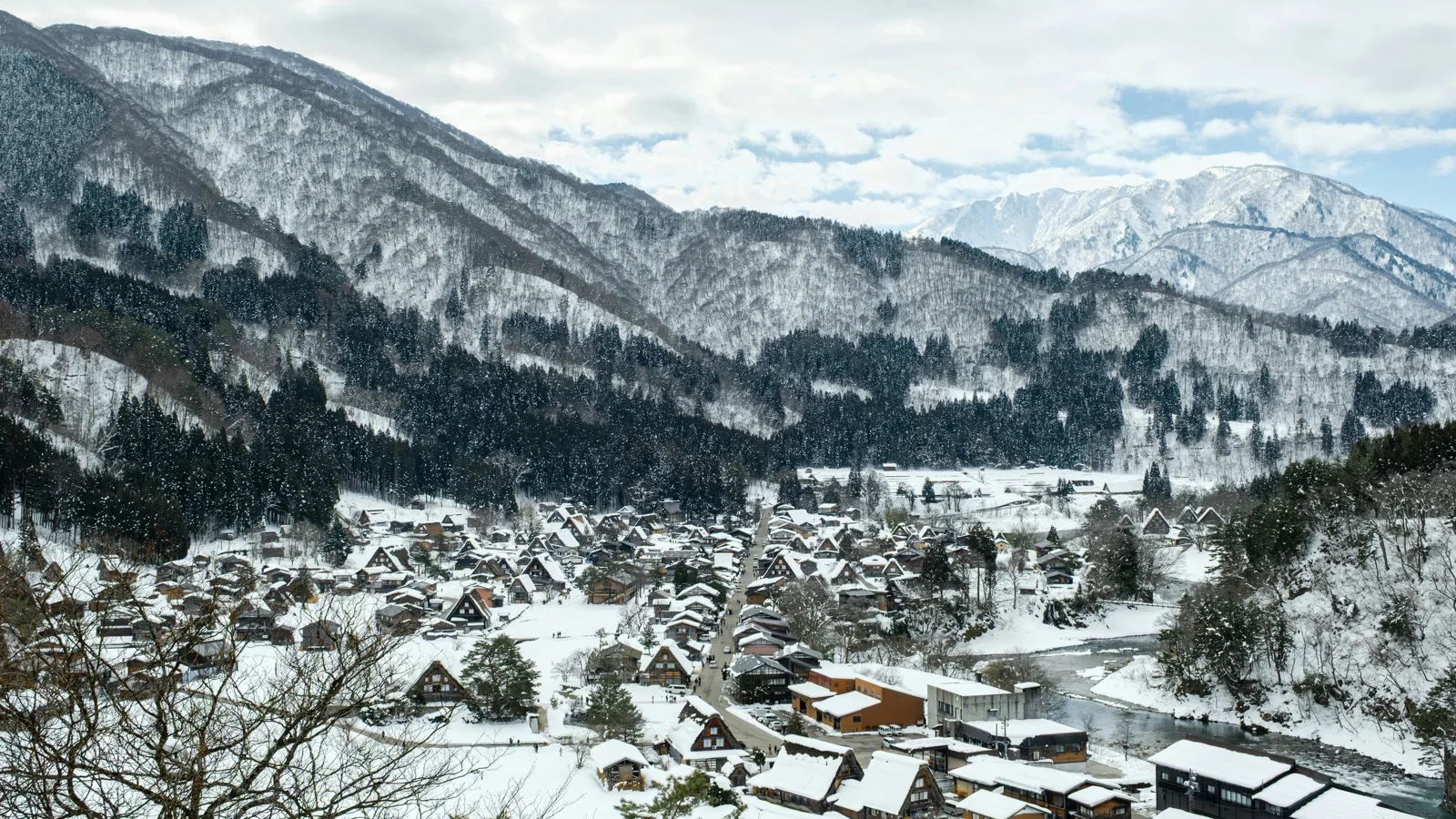
Shirakawa-go is a valley of steep-thatched farmhouses so remote that Japan forgot it existed for centuries. Three days gets you across the bridge, inside the houses, and onto the hillside for the shot that sold you on...
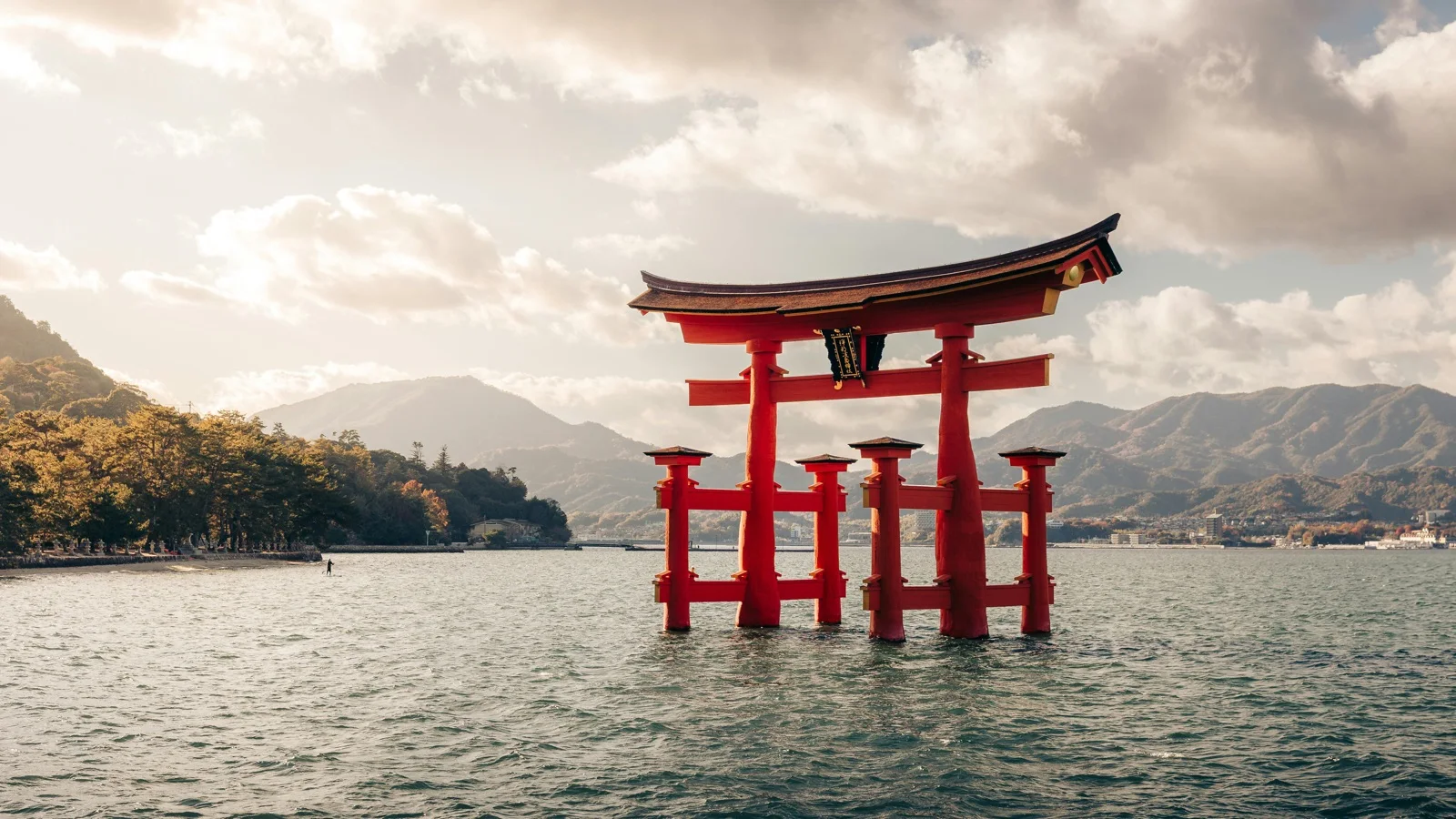
Miyajima is a sacred island where a giant red gate stands in the ocean, deer steal your lunch, and the temples go back twelve centuries. Three days covers every angle: the floating shrine, the mountain summit, and the...
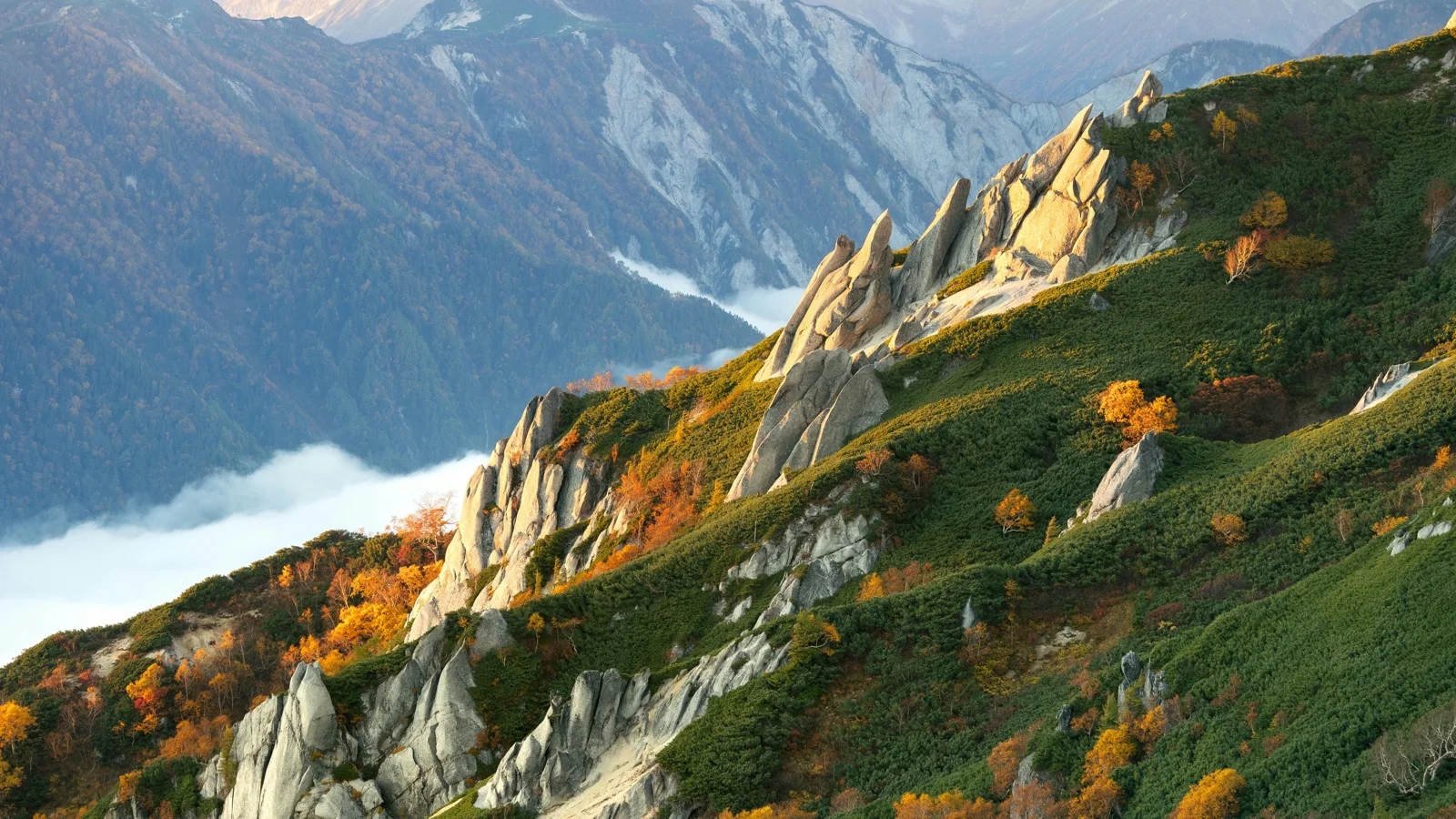
Three days in a Japanese Alps resort town where John Lennon bought baguettes, samurai crossed mountain passes, and waterfalls seep sideways out of volcanic rock.
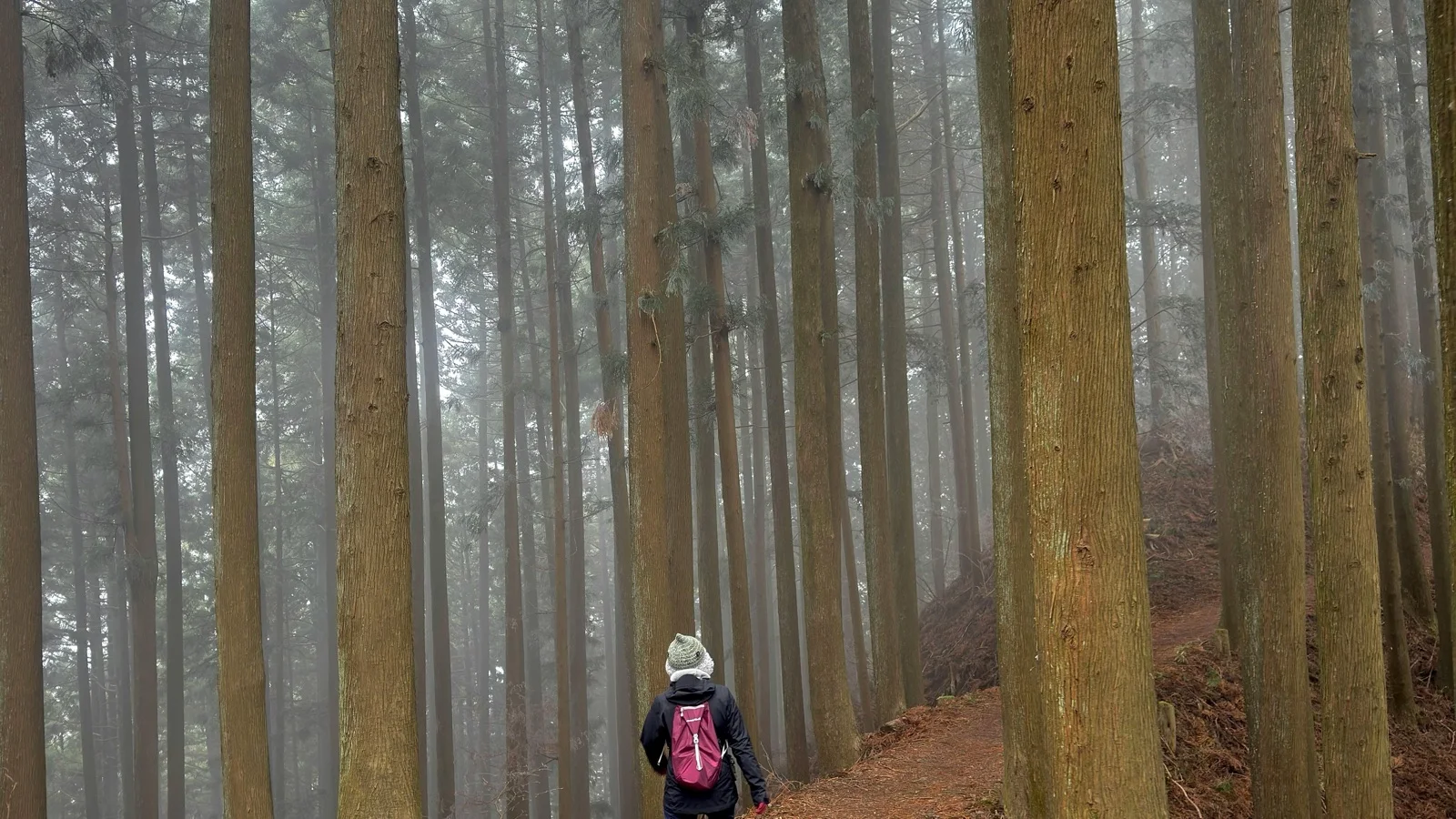
A mountaintop temple town where monks have kept lanterns burning for 900 years, Koyasan is small, dense, and punishing to get wrong. Three days, timed right, will change how you think about Japan.
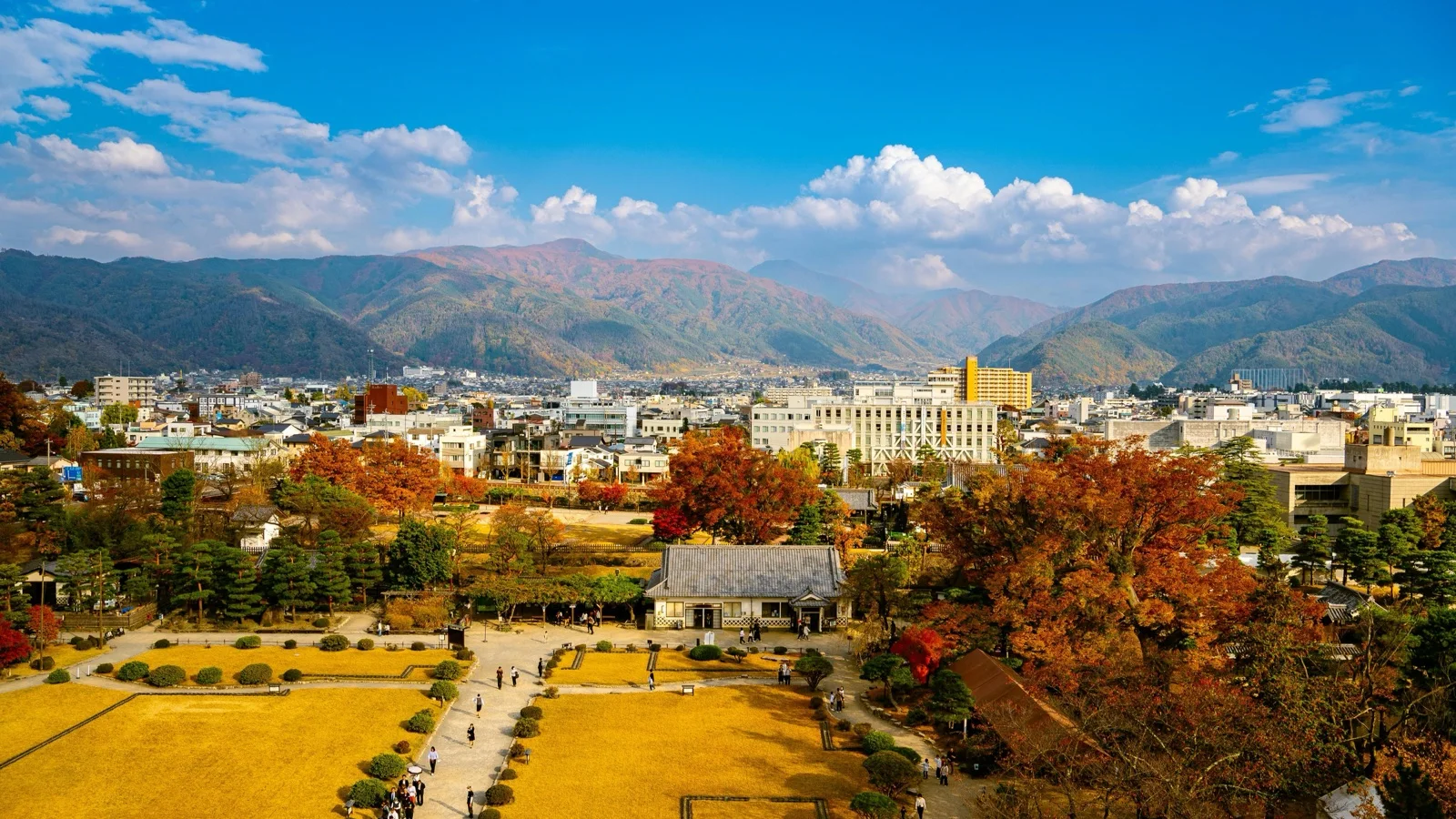
Nagano is a mountain city where the buckwheat noodles are regionally famous, wild monkeys bathe in hot springs, and the main temple hides a statue nobody has seen in fourteen centuries.
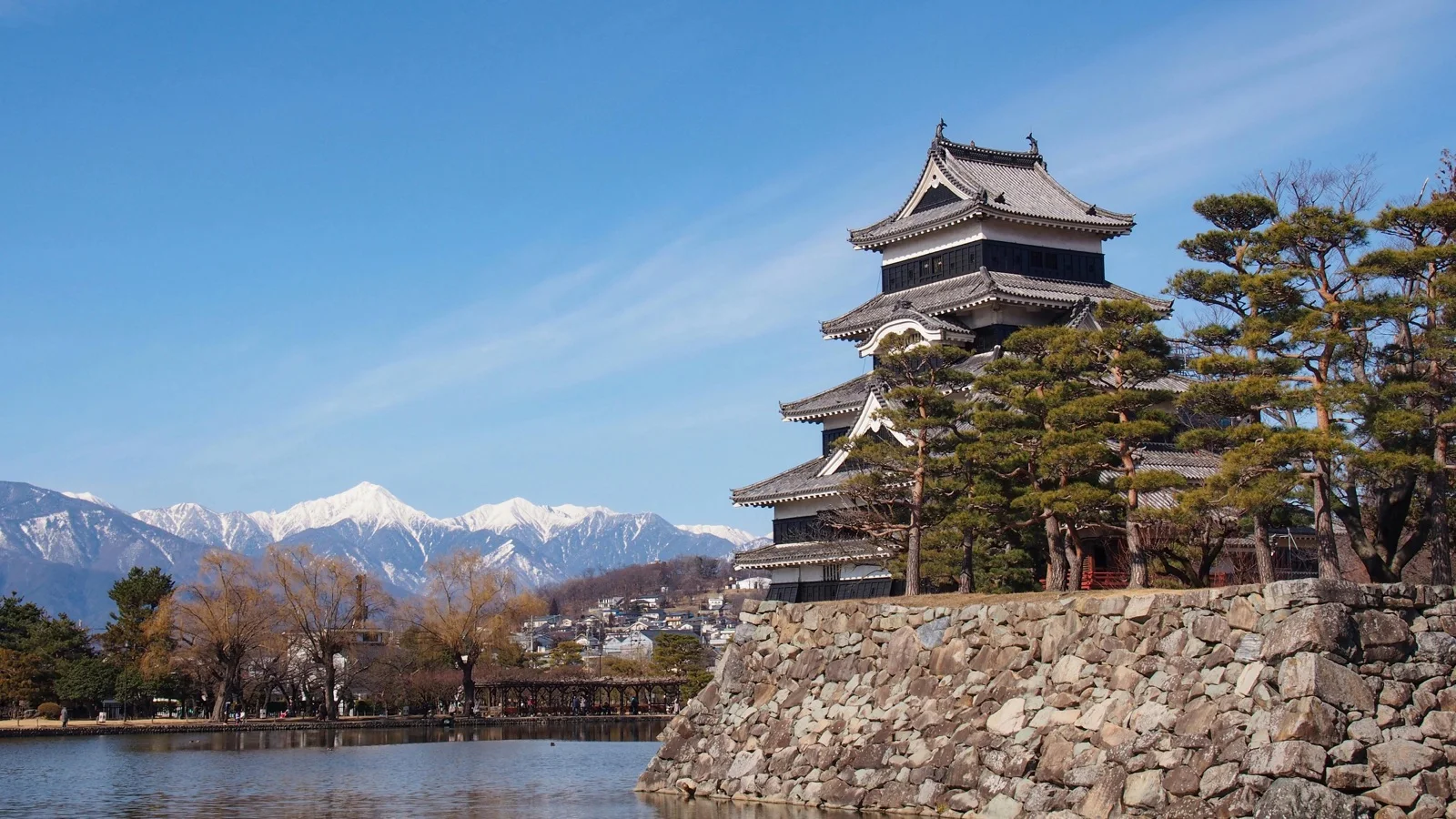
Matsumoto pairs a 400-year-old black castle with an alpine valley that bans cars, and almost none of the international crowds you'd expect. Three days covers the castle town, wasabi fields, and the Alps.
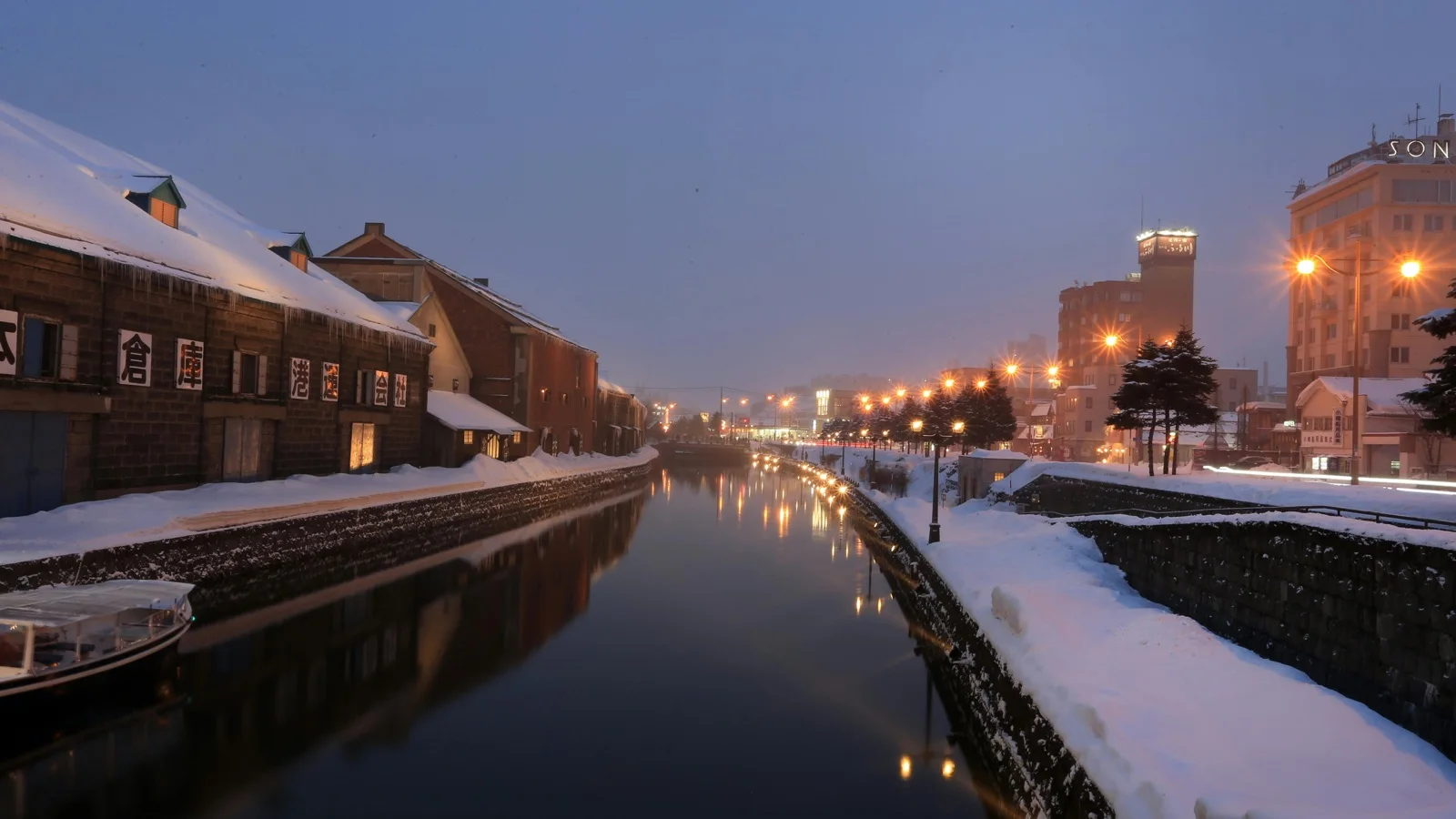
Otaru is a small port city on Hokkaido's coast that used to outshine Sapporo, and it might be the most photogenic place on the entire island. Here's how to spend three days getting it right.
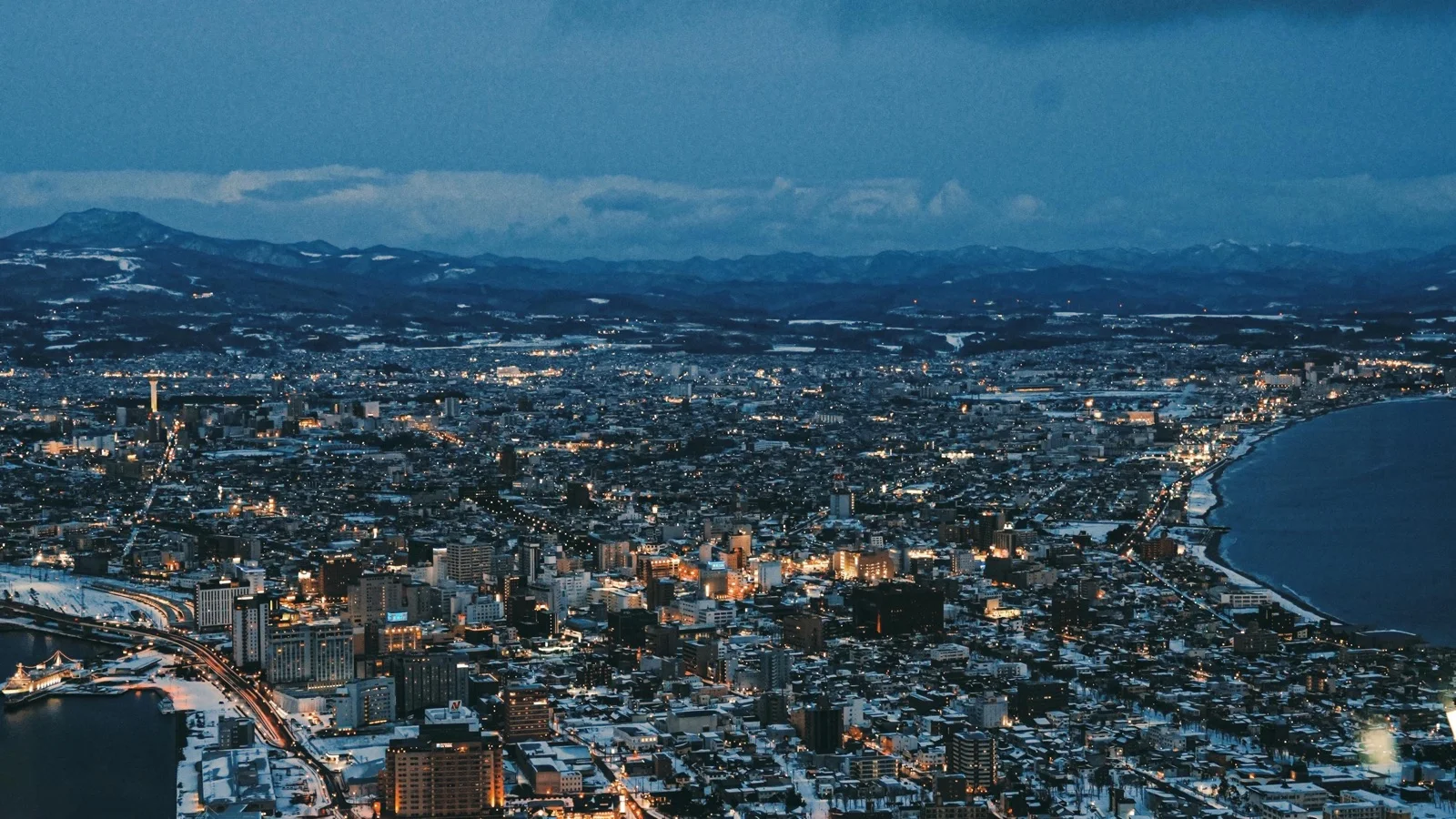
Hakodate is a port city at the southern tip of Hokkaido where the seafood is still moving and the night view is the kind Japan puts on its official list. Three days covers all of it, as long as you time the big moment...
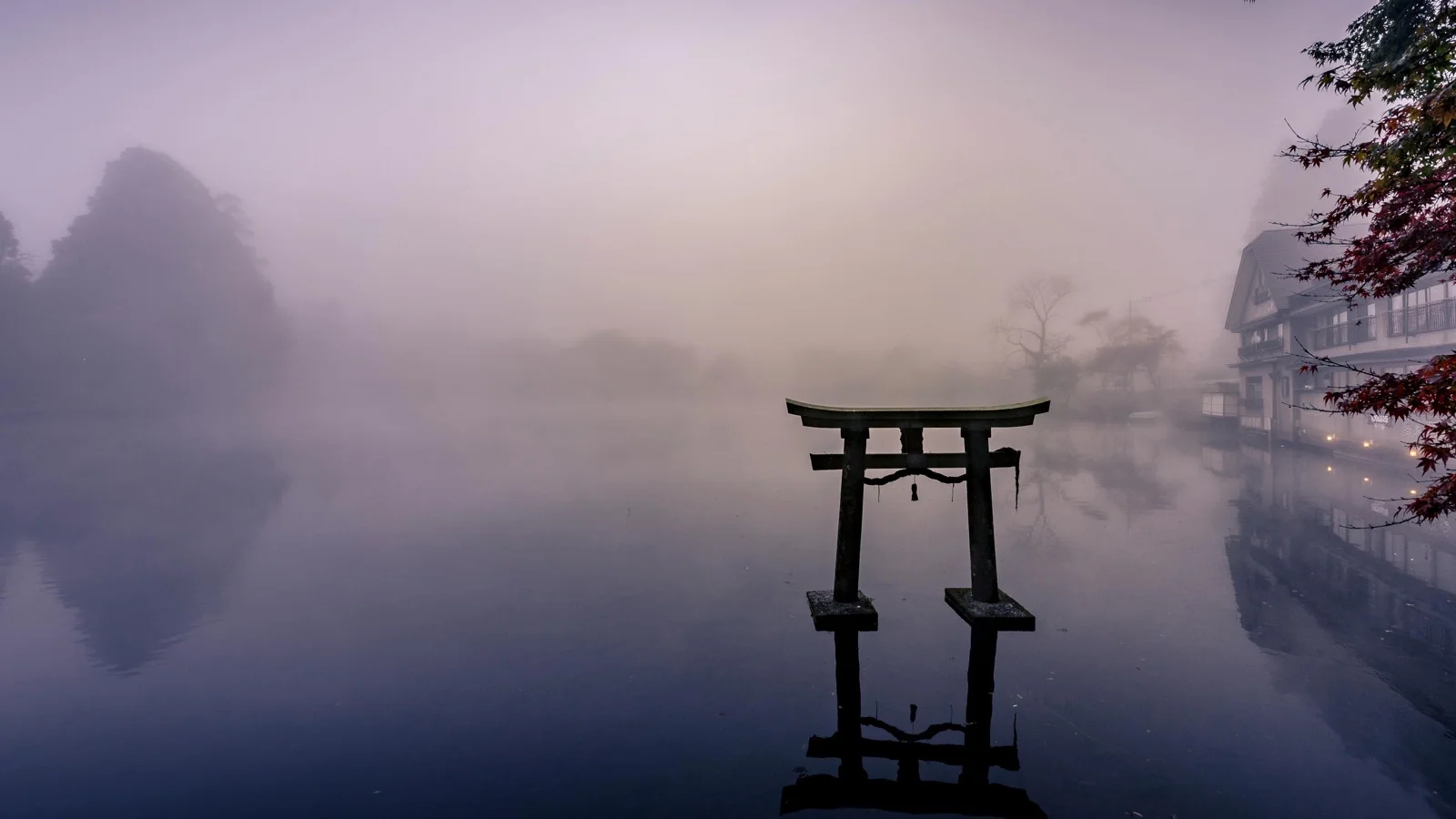
A tiny mountain town in Kyushu where the lake steams, the main street is a snack parade, and the volcano is climbable. Three days is enough to do it properly.
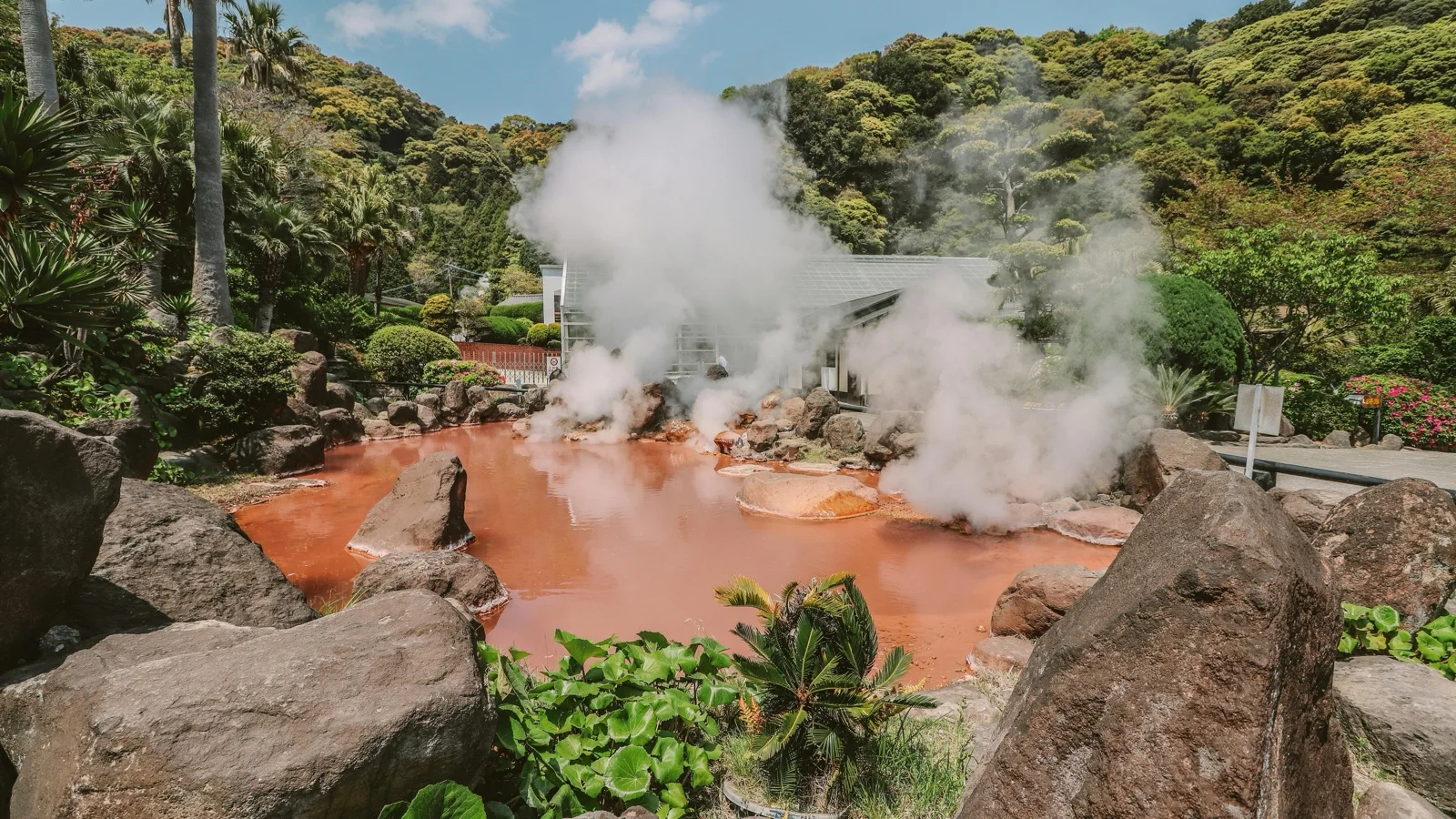
Beppu produces more hot spring water than anywhere else in Japan, and the ground literally boils under your feet. Three days is enough to stare at it, eat from it, cook with it, and soak in it.
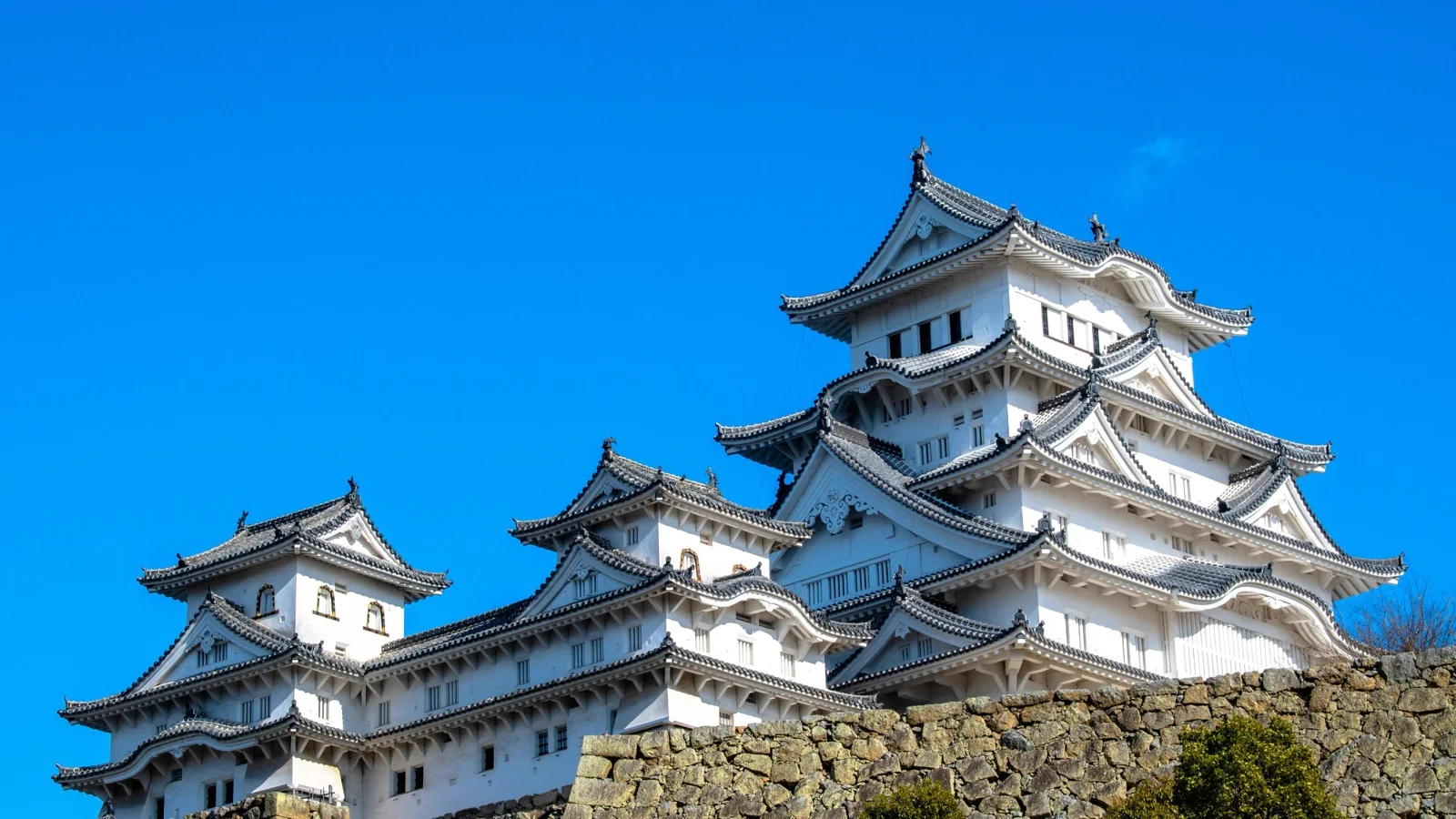
Himeji's castle survived WWII and four centuries of everything else. This three-day itinerary covers the original wooden keep, a sacred mountaintop temple, hidden viewpoints, and a century-old sake brewery.
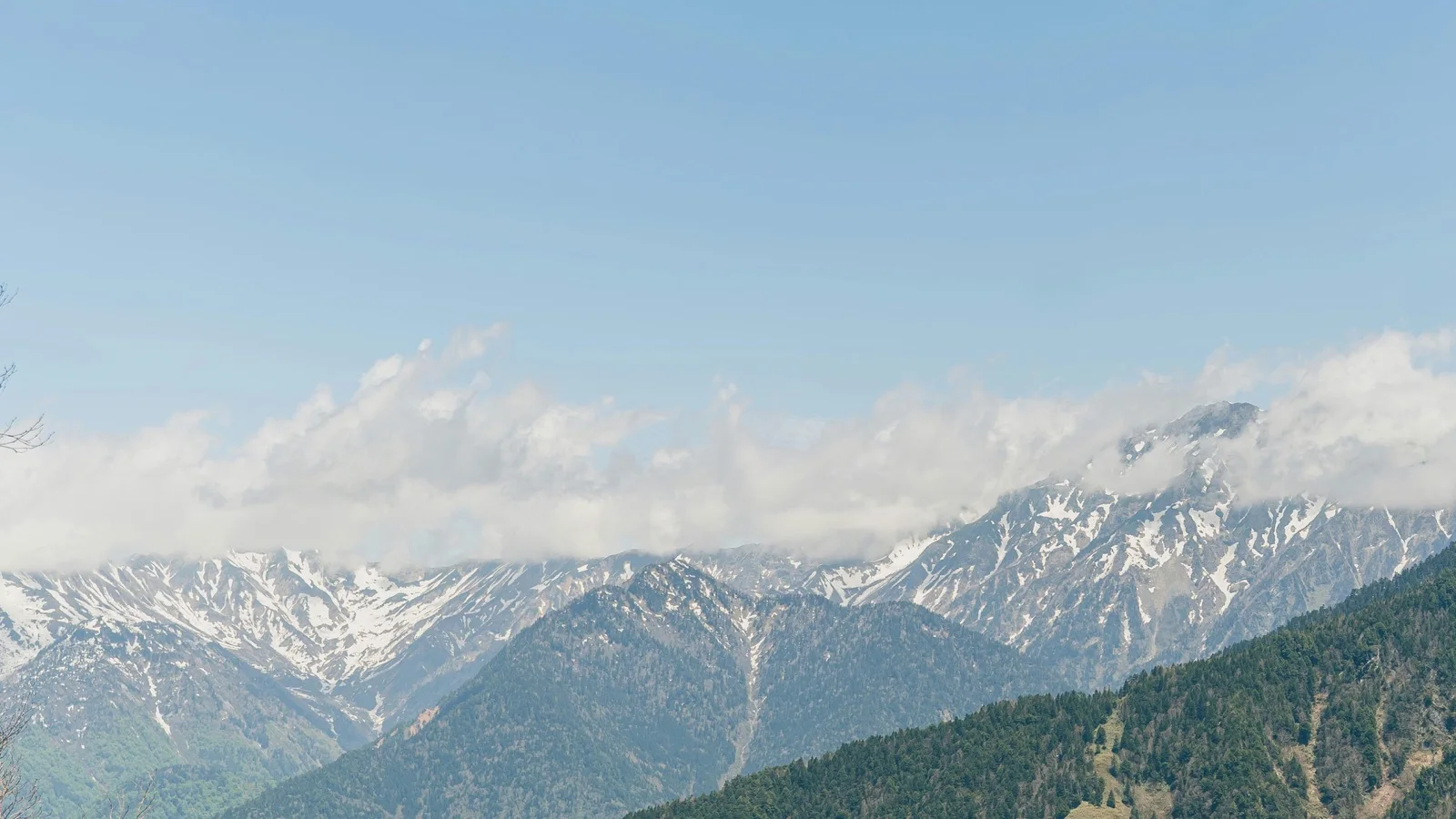
Three days in Takayama gets you Edo-era merchant streets, a UNESCO thatched-roof village, and a glass-floor cable car above 2,000 meters. Here is how to spend every day.
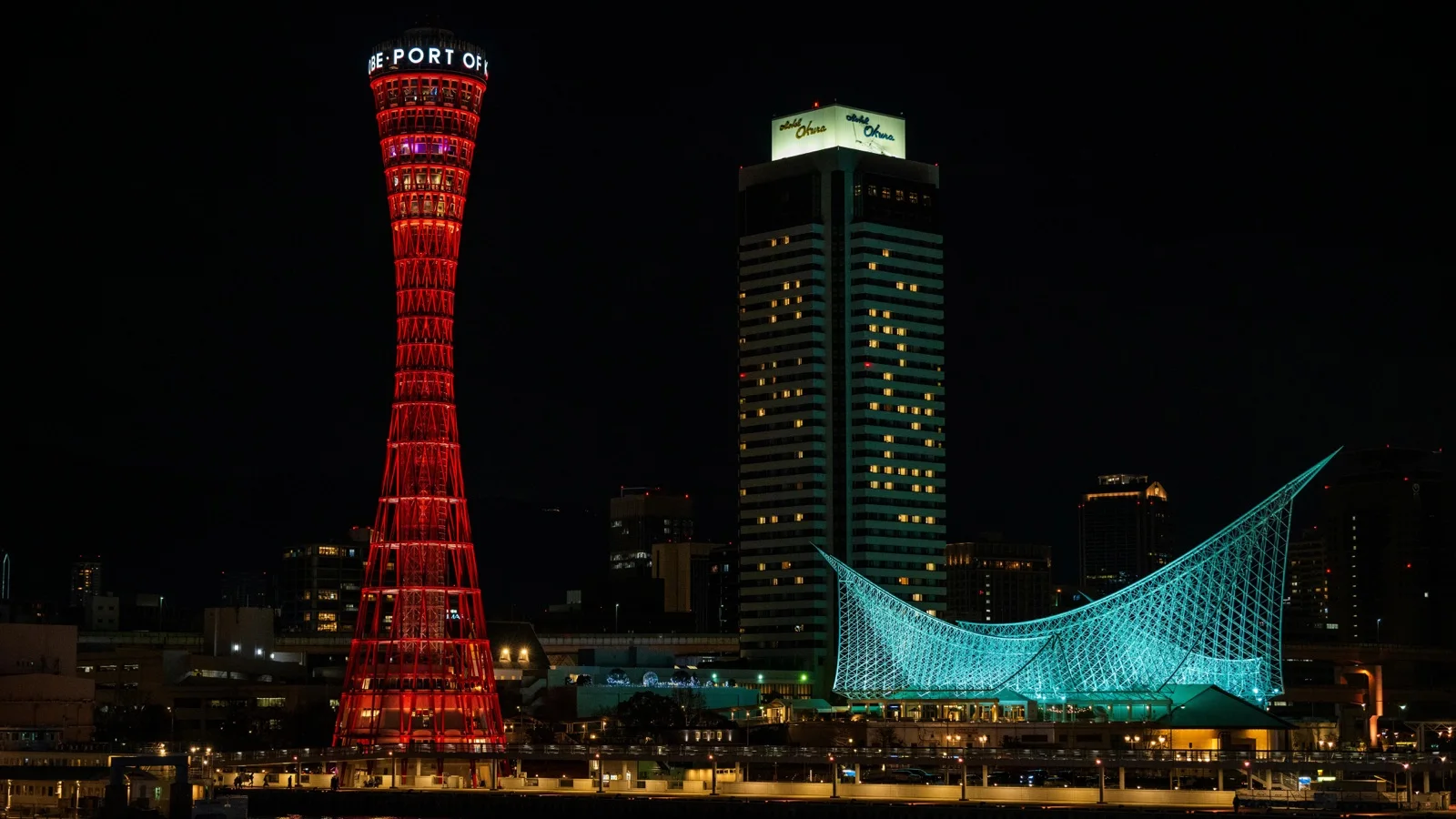
Kobe spent a century absorbing every foreign influence that docked at its harbor. Three days is enough to feel the result, from an ancient shrine floor to hot spring water behind the mountain.
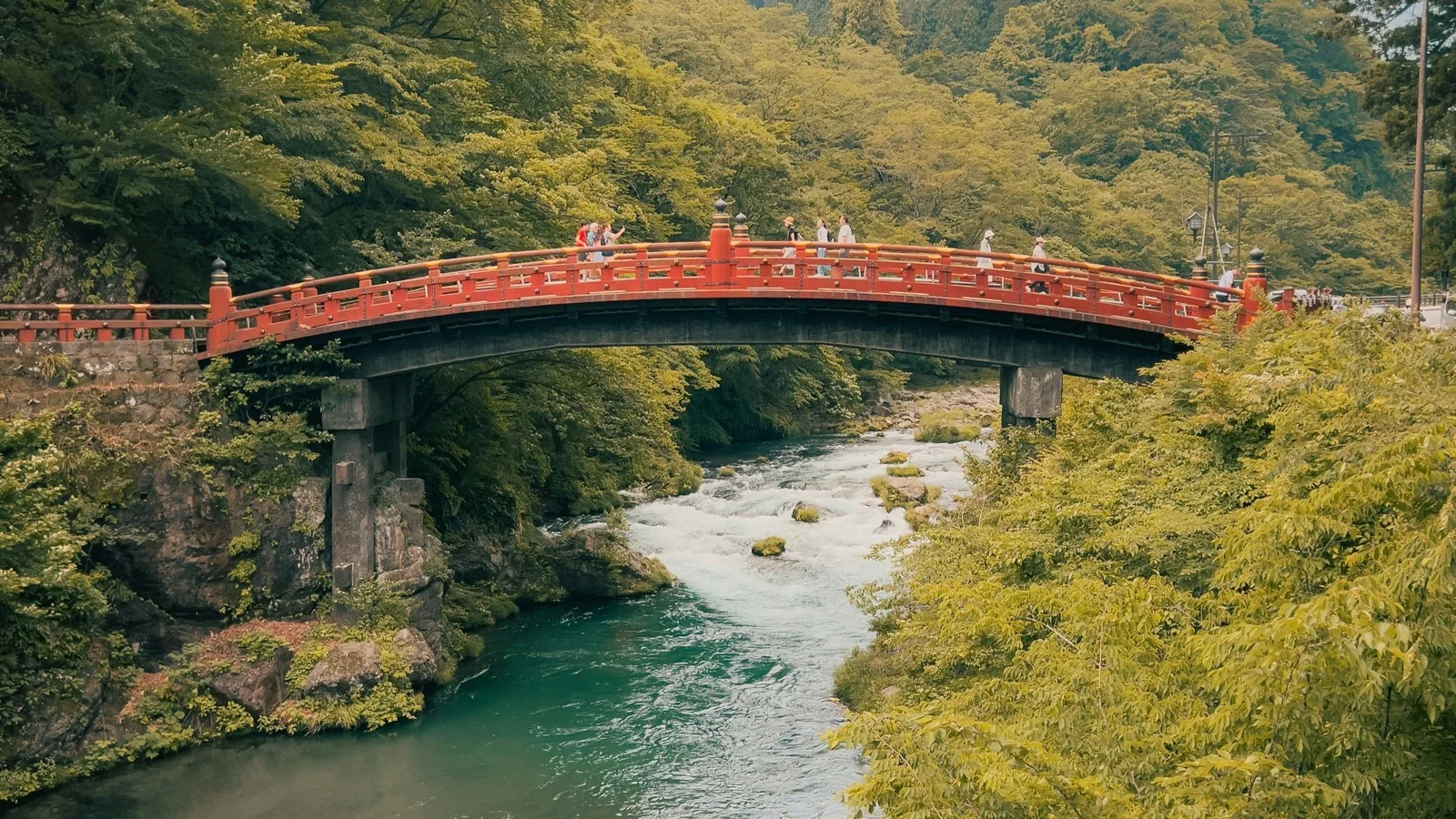
Nikko packs gilt shrines, volcanic lakes, and highland marsh trails into a mountain town two hours north of Tokyo. Three days covers all of it, if you time your mornings right.
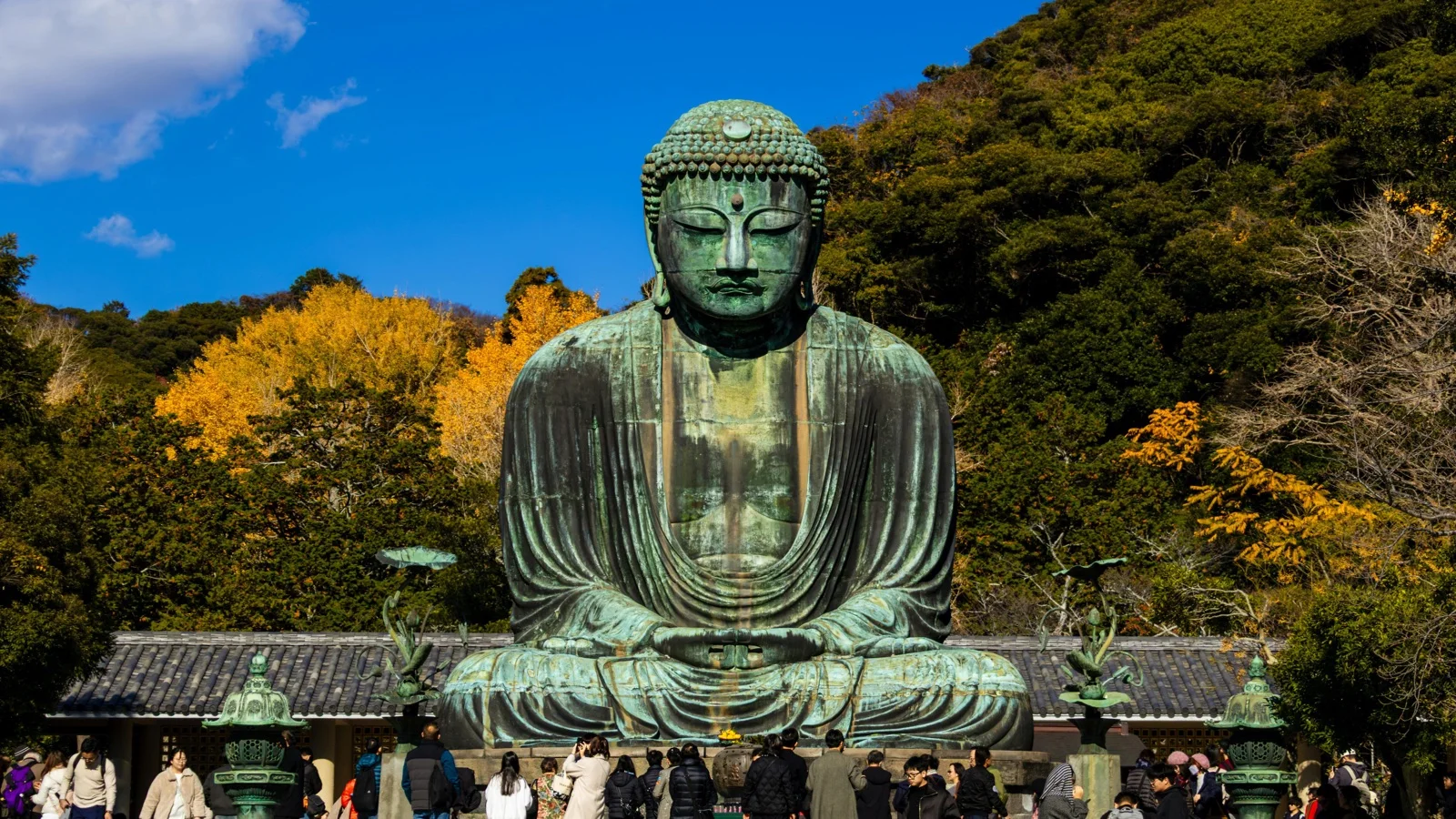
Kamakura sits an hour south of Tokyo with a bronze Buddha, Zen temples in forested valleys, a samurai shrine, and an island born from a dragon myth. Three days gets you all of it, plus sunsets over the open ocean.
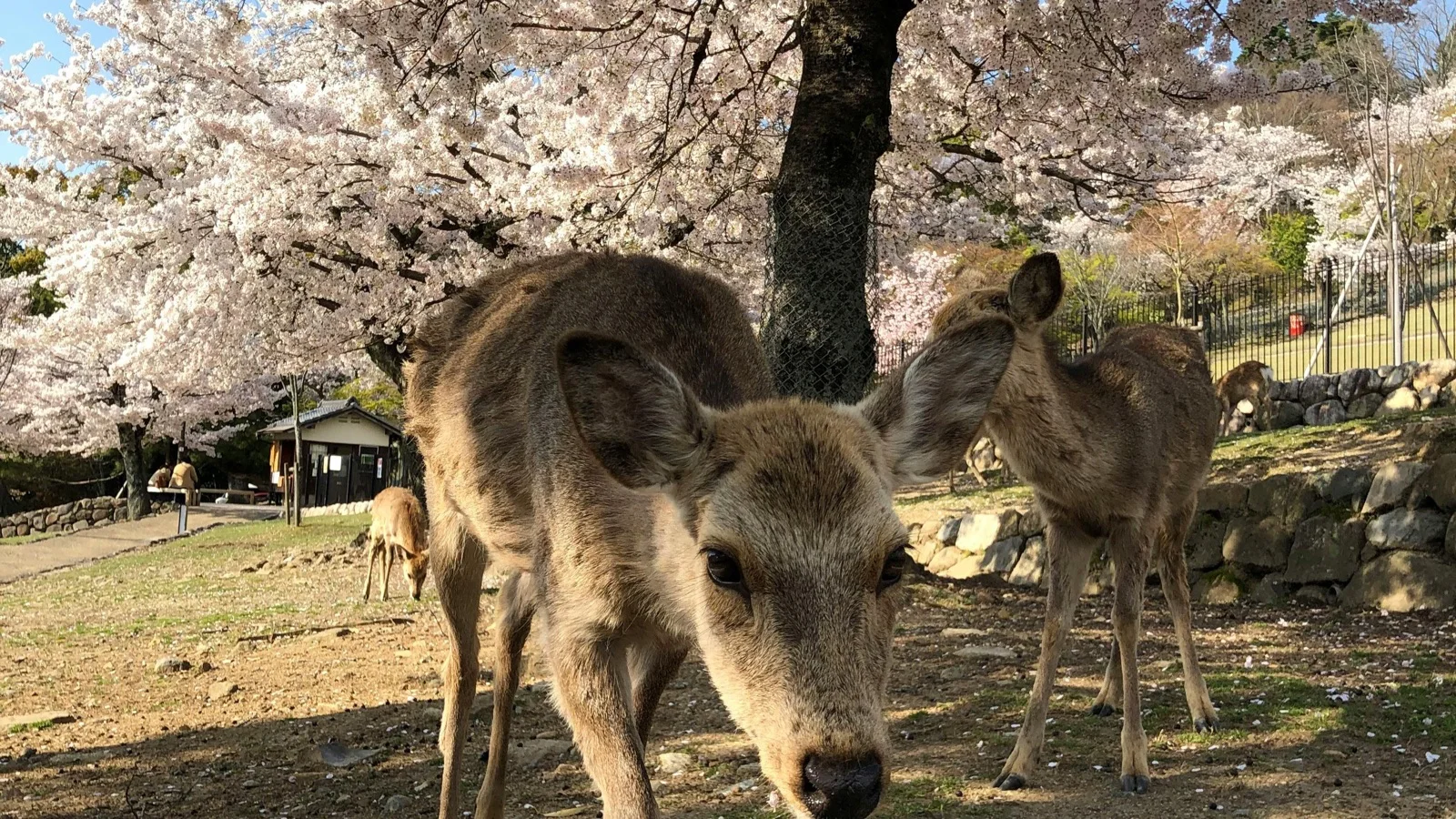
Nara packs Japan's best eighth-century architecture into one walkable city, then adds a thousand sacred deer for chaos. Three days covers ancient temples, masterful gardens, and a hilltop sunset that ties it all toget...
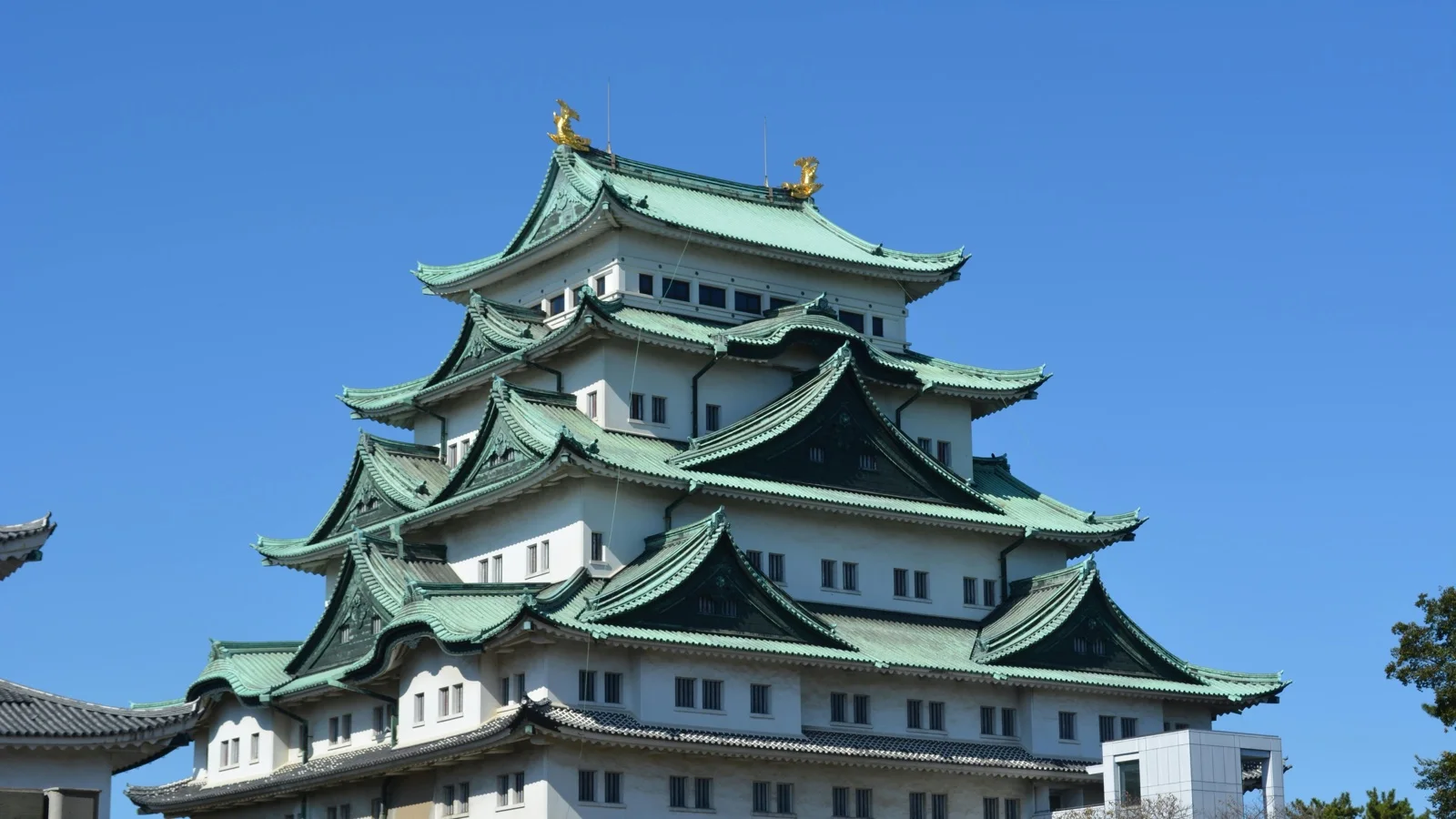
Three days in Nagoya gets you two very different castles, one invisible sword, and an industrial museum that slaps. Here is how to do it without wasting time on the wrong things.
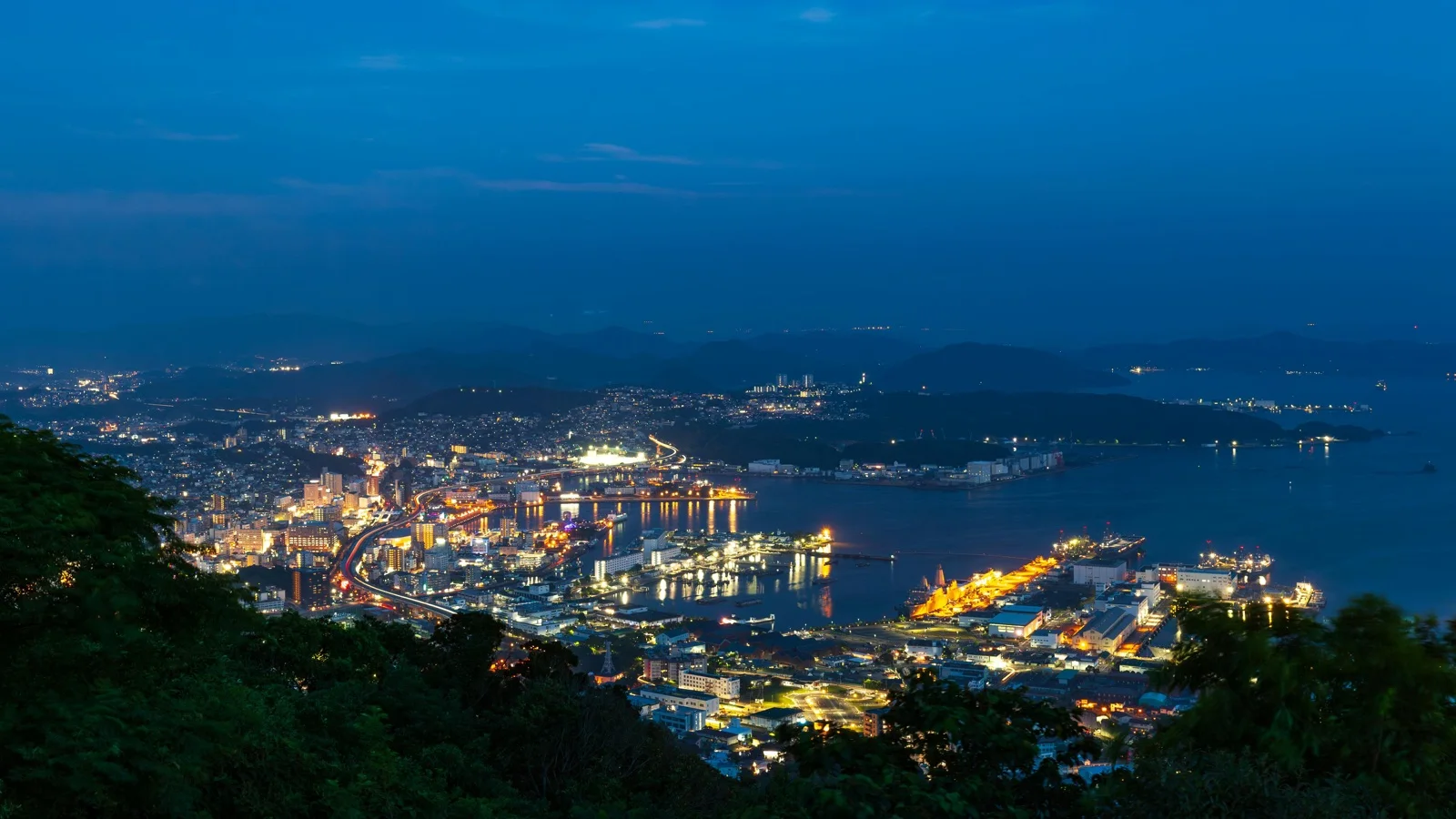
Nagasaki is where Japan met the outside world for two centuries, then spent another two trying to forget the worst of it. Three days lets you walk the stone lanes, see the harbor from above, and sit with history.
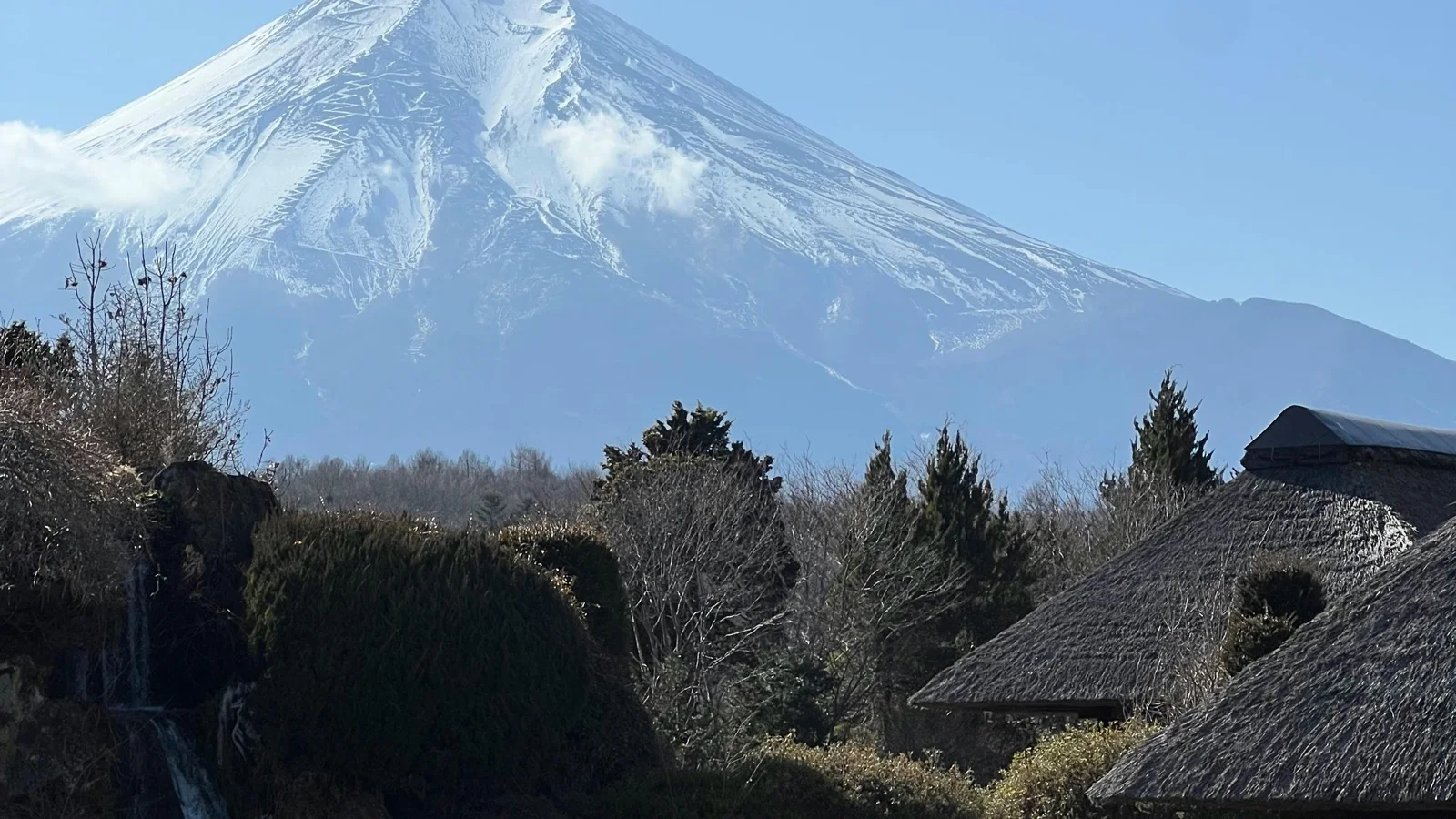
Hakone is the Tokyo escape where volcanoes, hot springs, and shrine gates deliver exactly what the photos promise. Three days gives you the full loop without rushing.
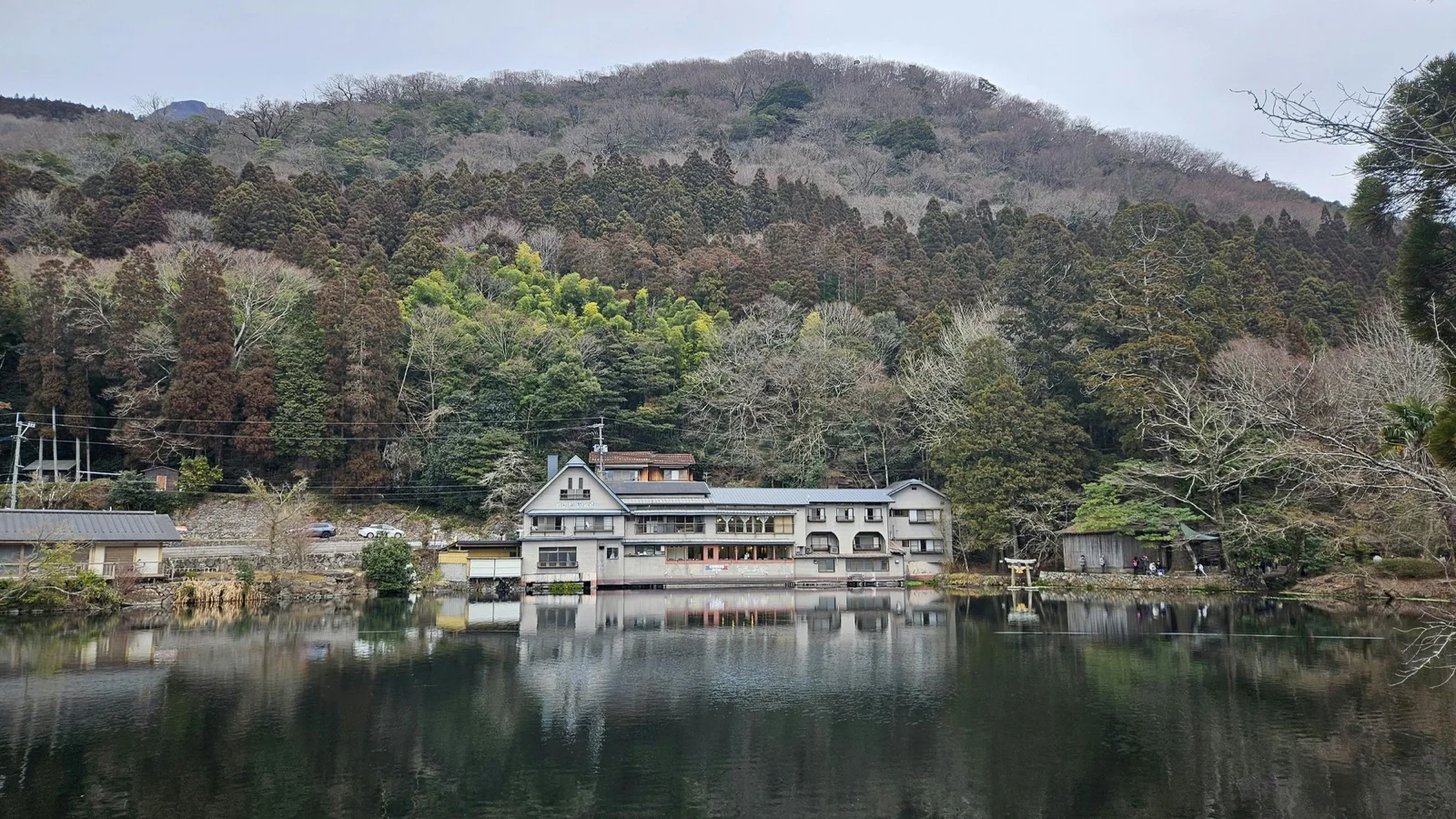
Fukuoka in autumn gives you shrine rituals, covered-street snacking, lake walks, and coastal sunsets, all without the tourist density of Japan's bigger cities. Three days is enough if you plan it right.
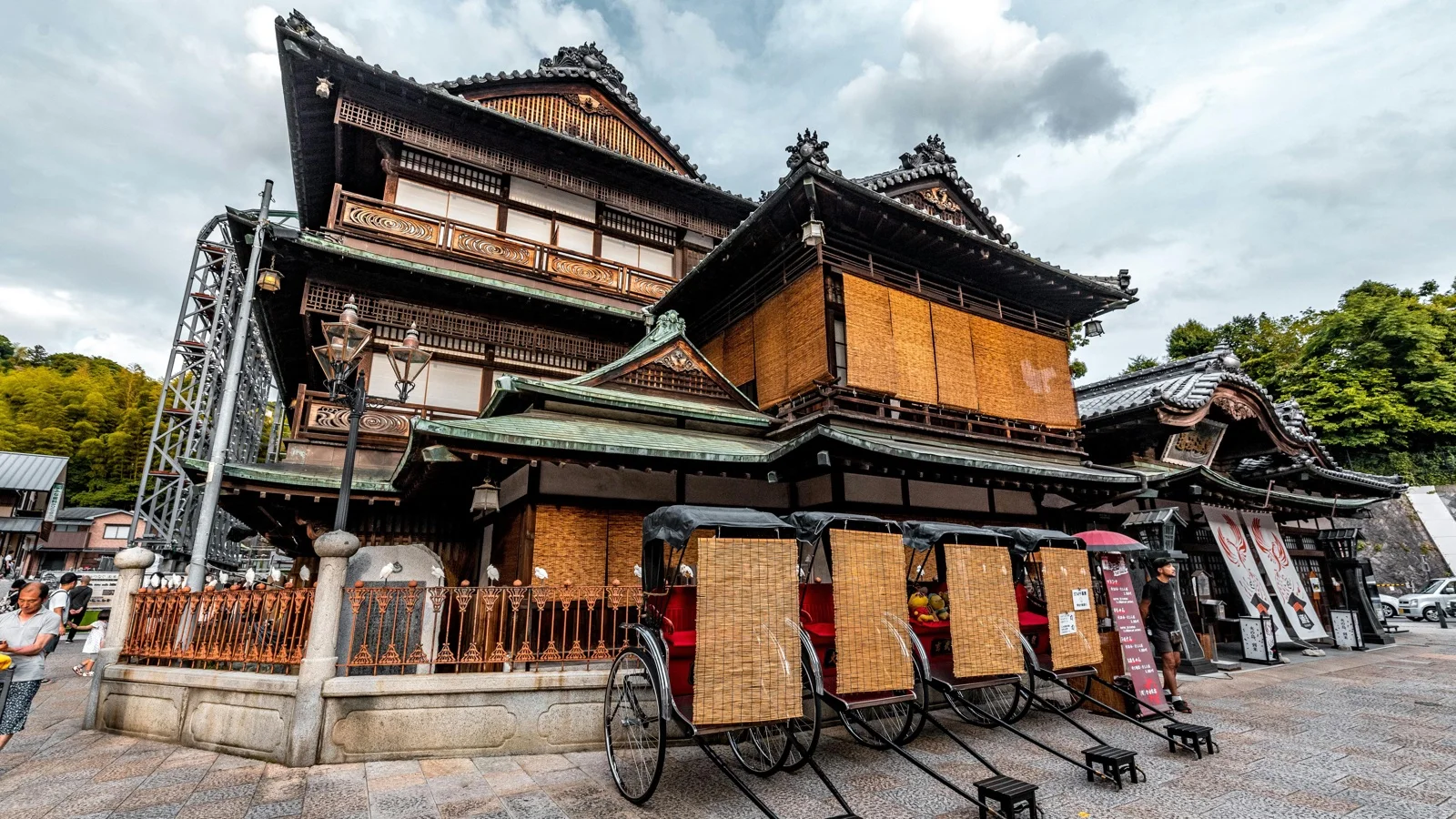
Three days in Matsuyama get you a 3,000-year-old bathhouse, one of Japan's last original castles, and a temple hidden inside a cave. Here is how to time it right.
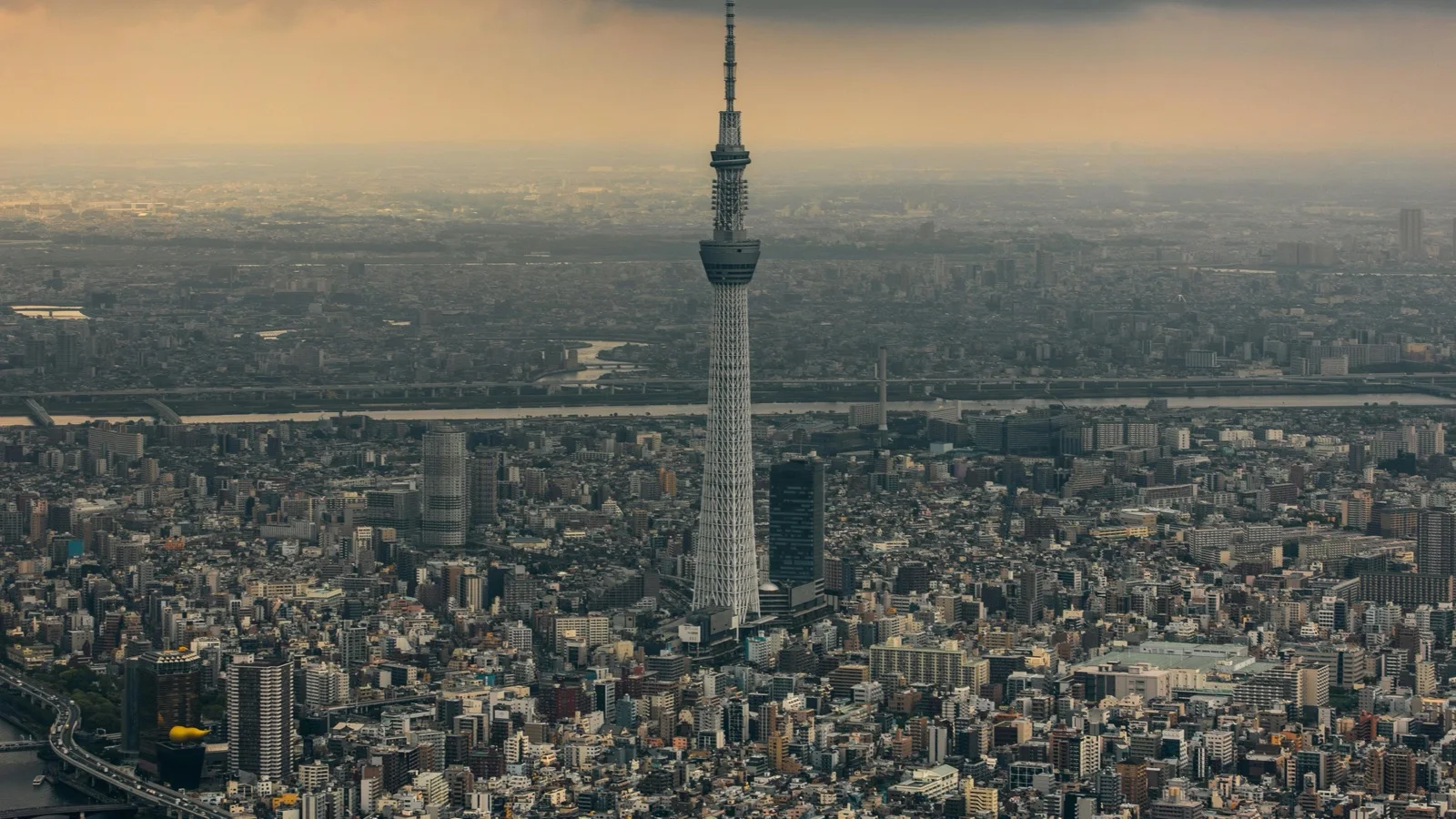
Four days in Tokyo can cover temples, street markets, skyline views, and digital oddities without burning you out, as long as you plan around the crowds instead of fighting them.
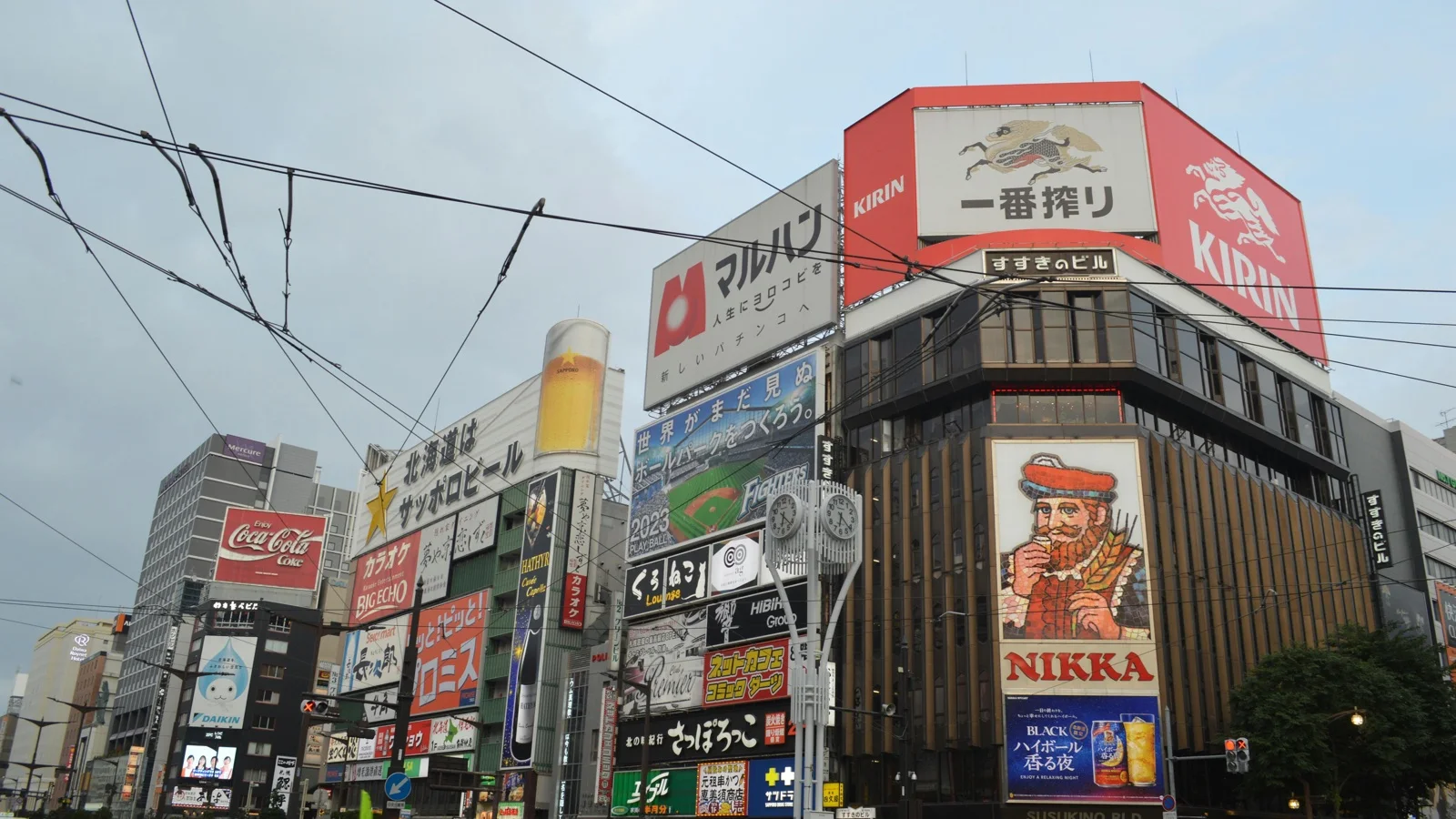
A three-day Sapporo winter trip built on seafood breakfasts, underground passages, snowy park walks, brick architecture, local beer, and a night view that reveals the city's real scale.
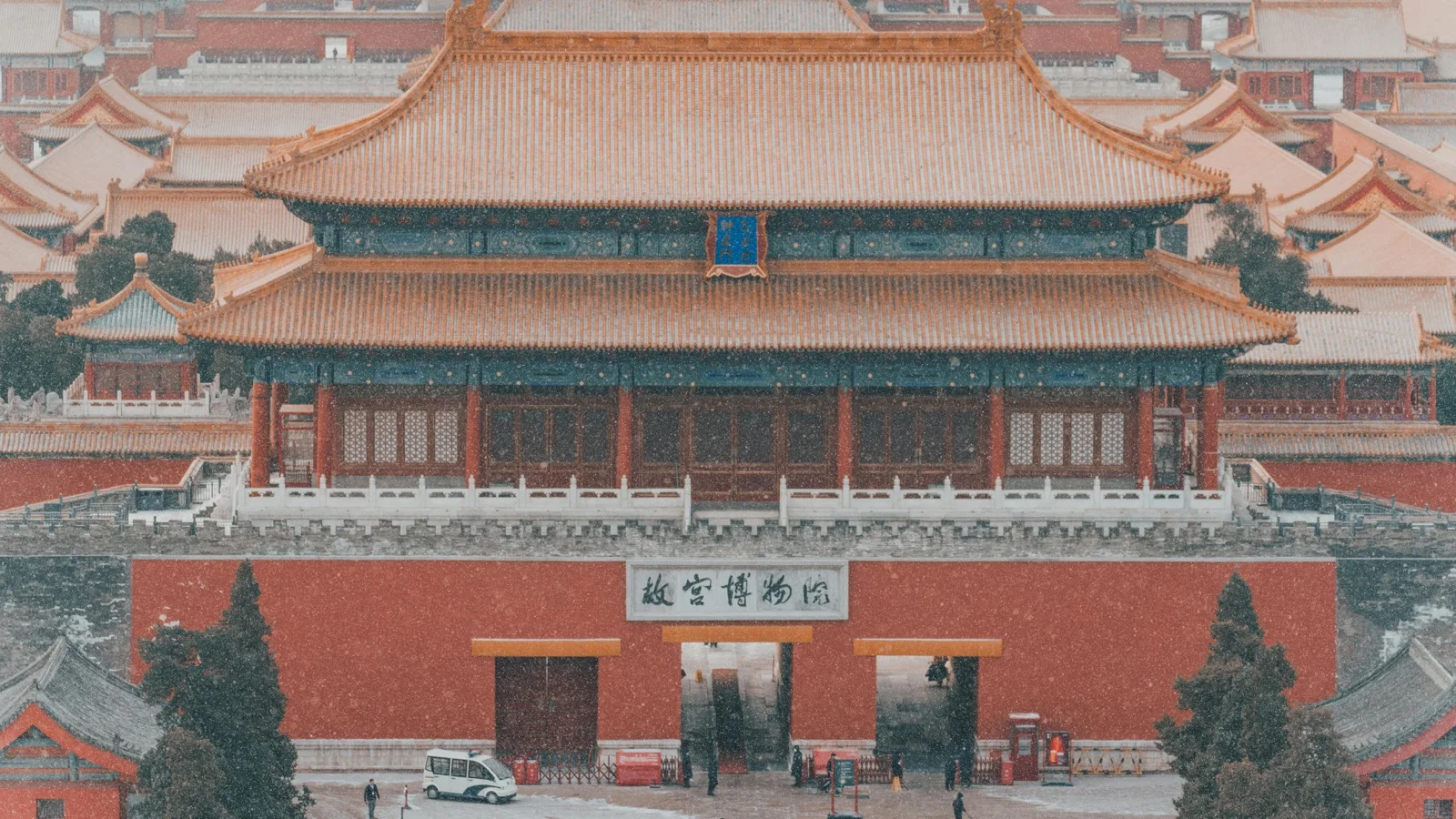
Beijing in winter rewards smart timing: big outdoor sights first, warmer streets and indoor resets second. This four-day itinerary keeps you ahead of the crowds and the cold.
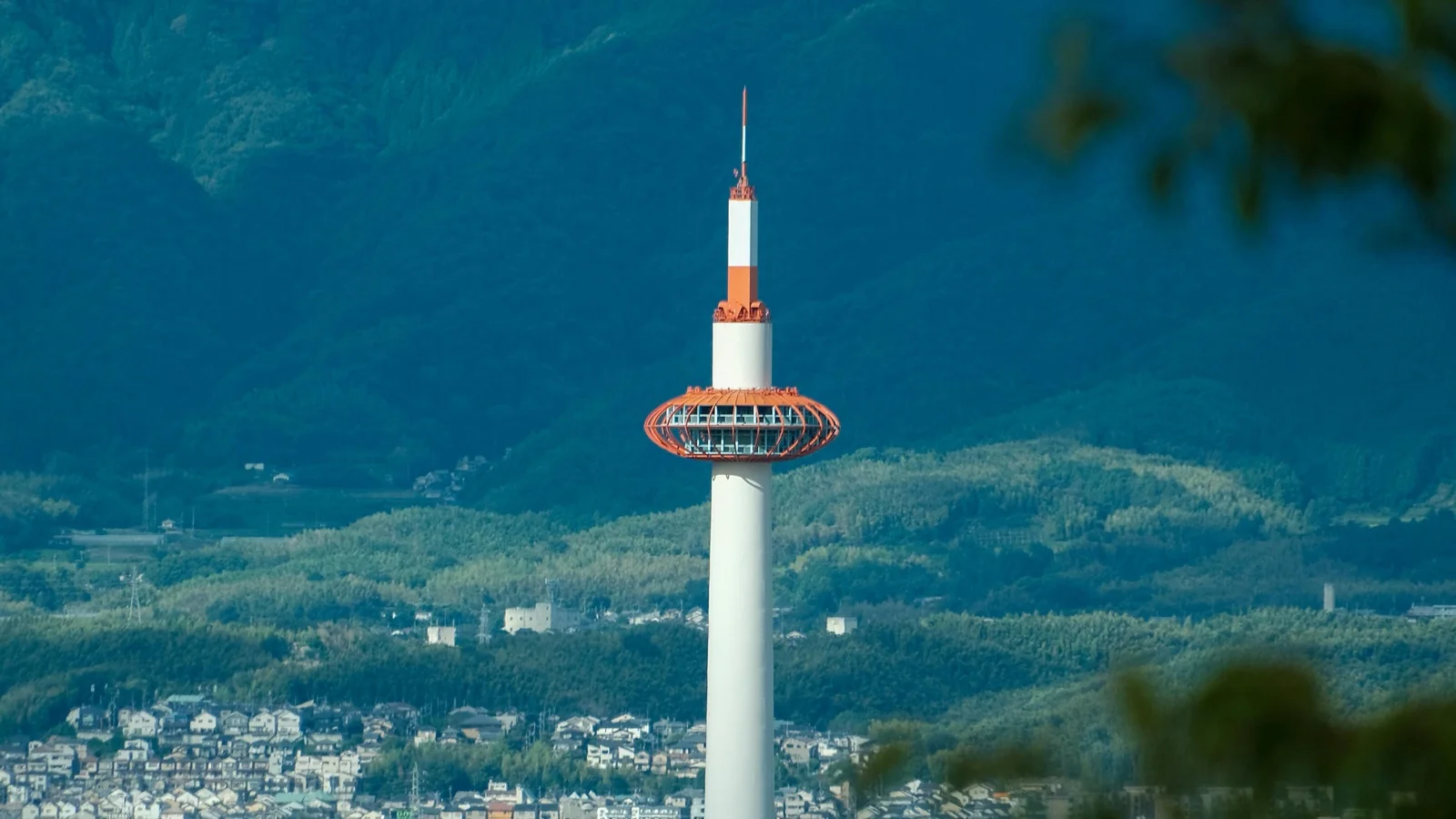
A candid three-day Kyoto spring itinerary covering Kiyomizu-dera, Arashiyama's bamboo, Fushimi Inari's vermilion gates, and a tea-scented finish in Uji, with honest takes on which spots earn your time.
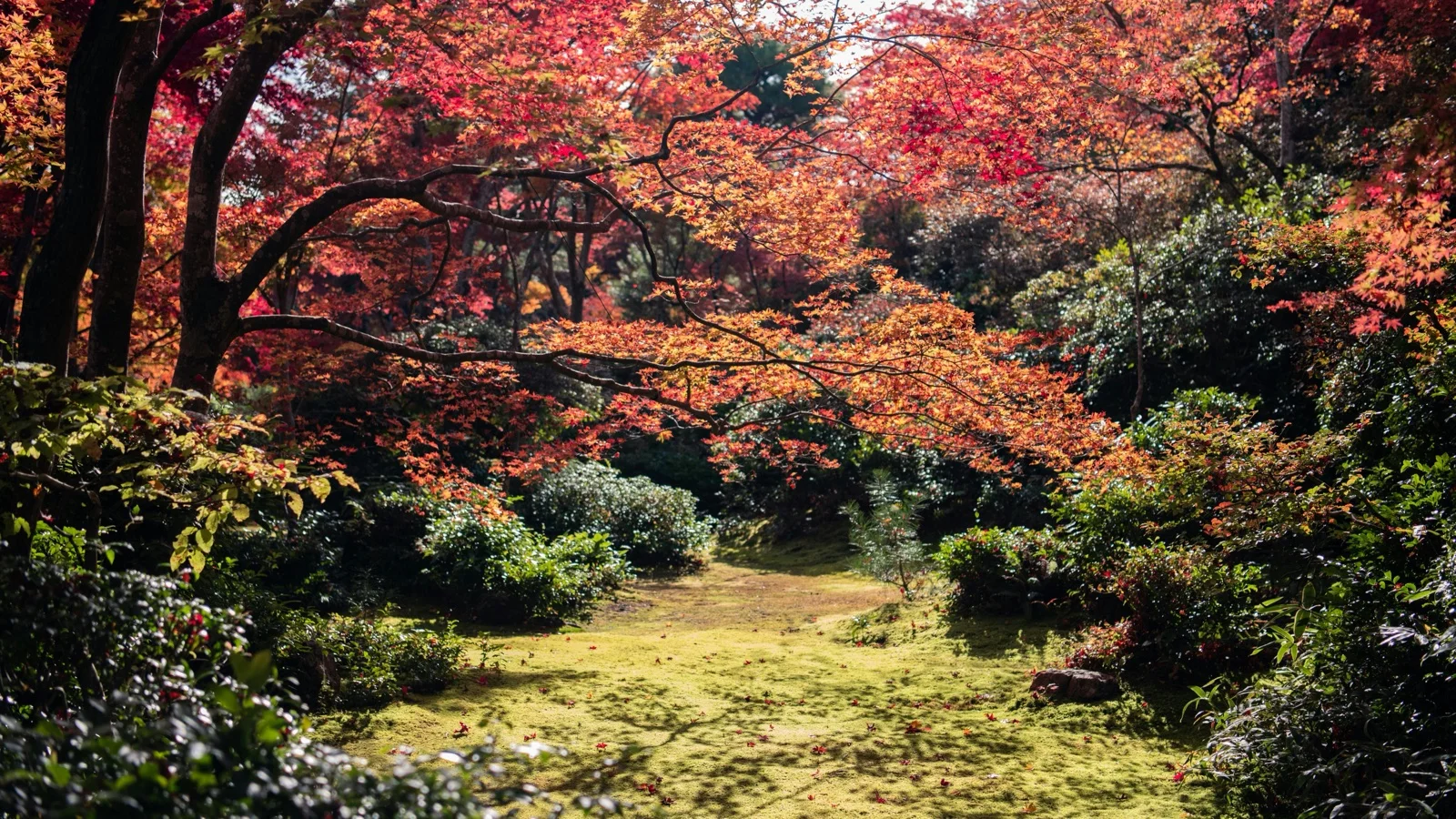
Kanazawa is what happens when a feudal clan spends 250 years building gardens instead of fighting wars, and almost none of it got destroyed. Three days here will show you why this might be Japan's best-kept open secret.
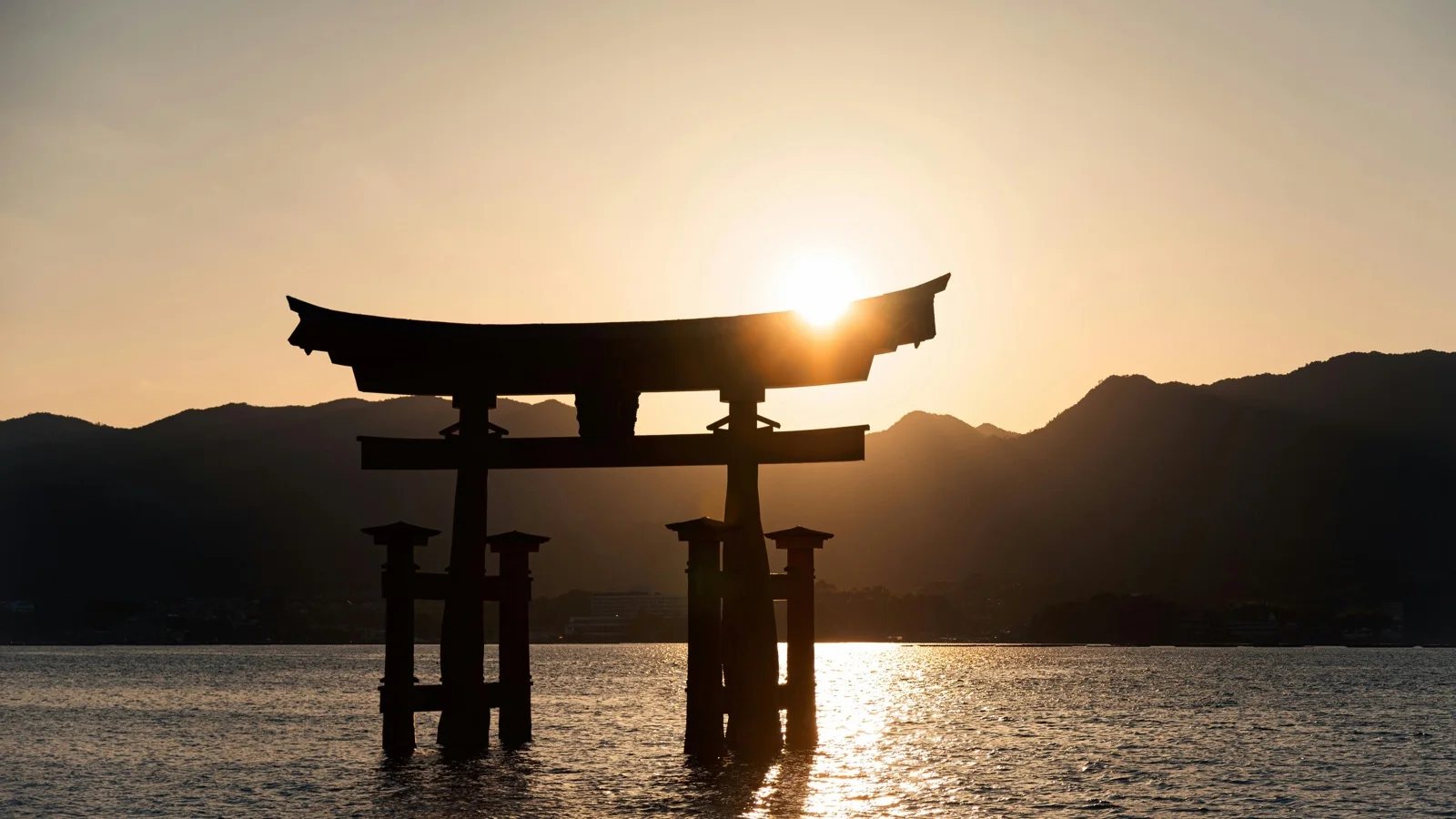
Hiroshima makes you stop talking and start thinking. Three days take you from the weight of 1945 through autumn color to a floating torii gate on Miyajima.
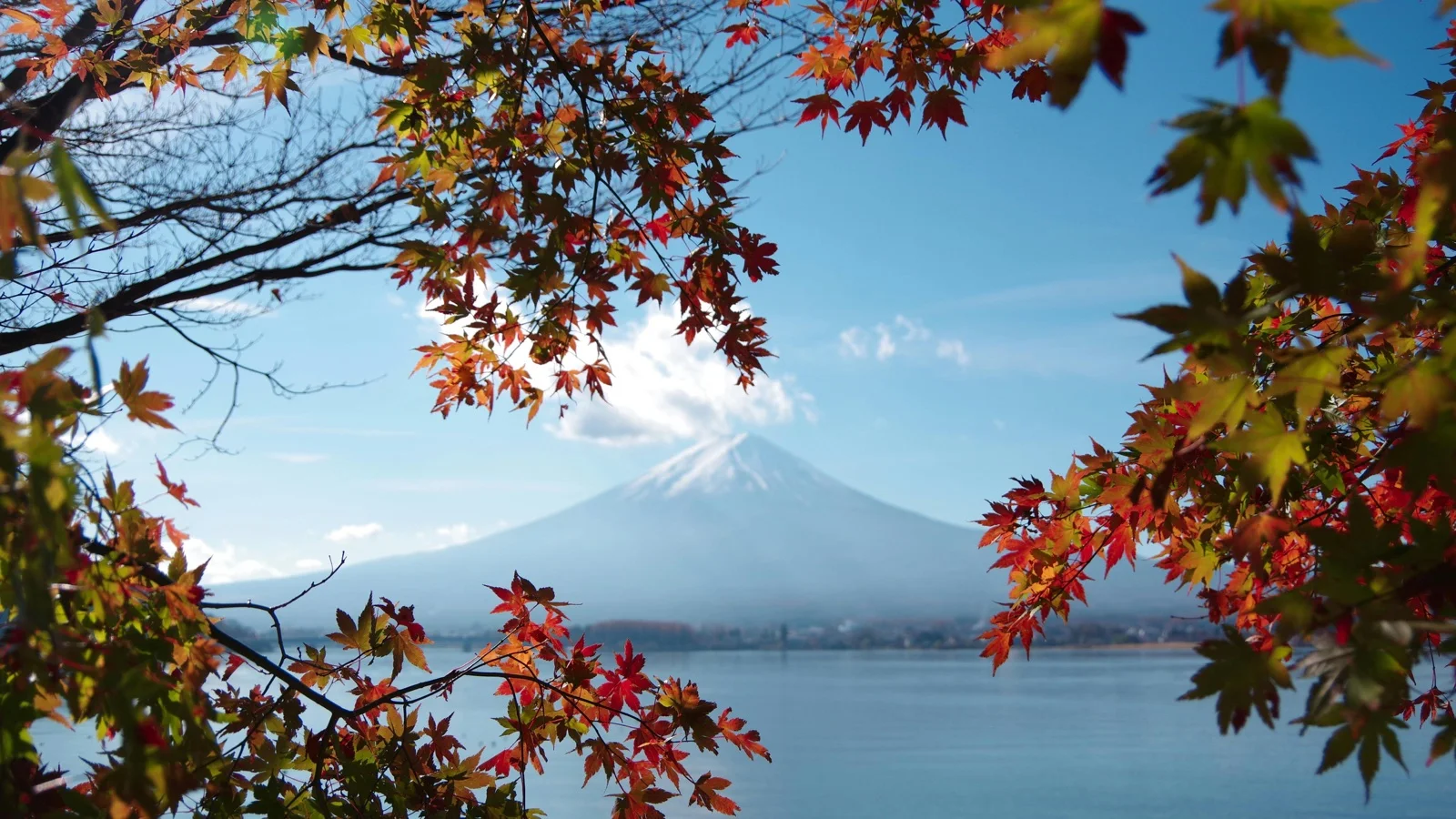
Three days around the Fuji lakes gives you enough swings at bat to catch Japan's most photographed mountain, which only shows its face about 80 days a year.
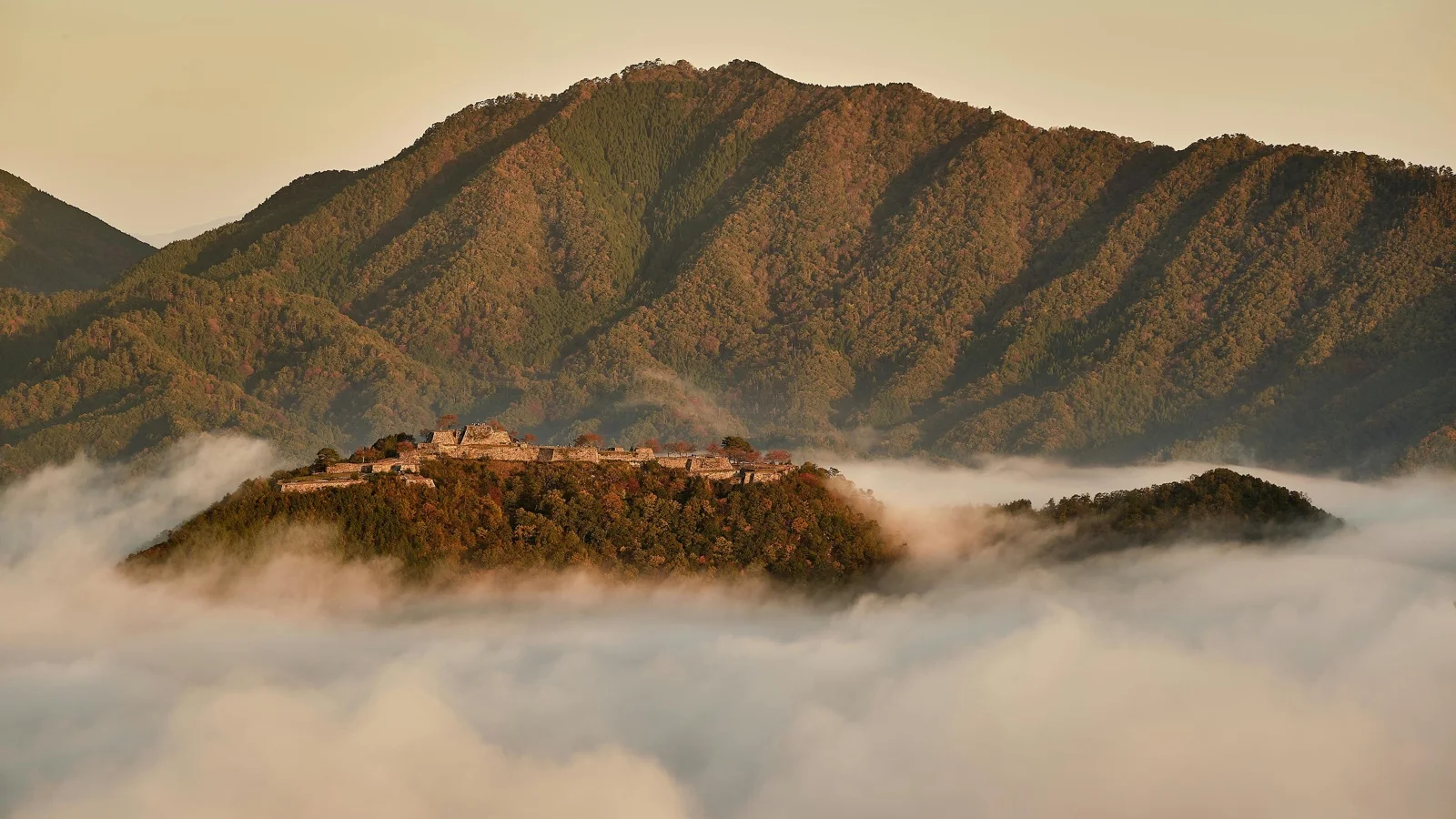
Three days in Kumamoto gets you samurai history, an active volcano that makes its own rules, a gorge out of mythology, and a hot springs town with zero convenience stores.
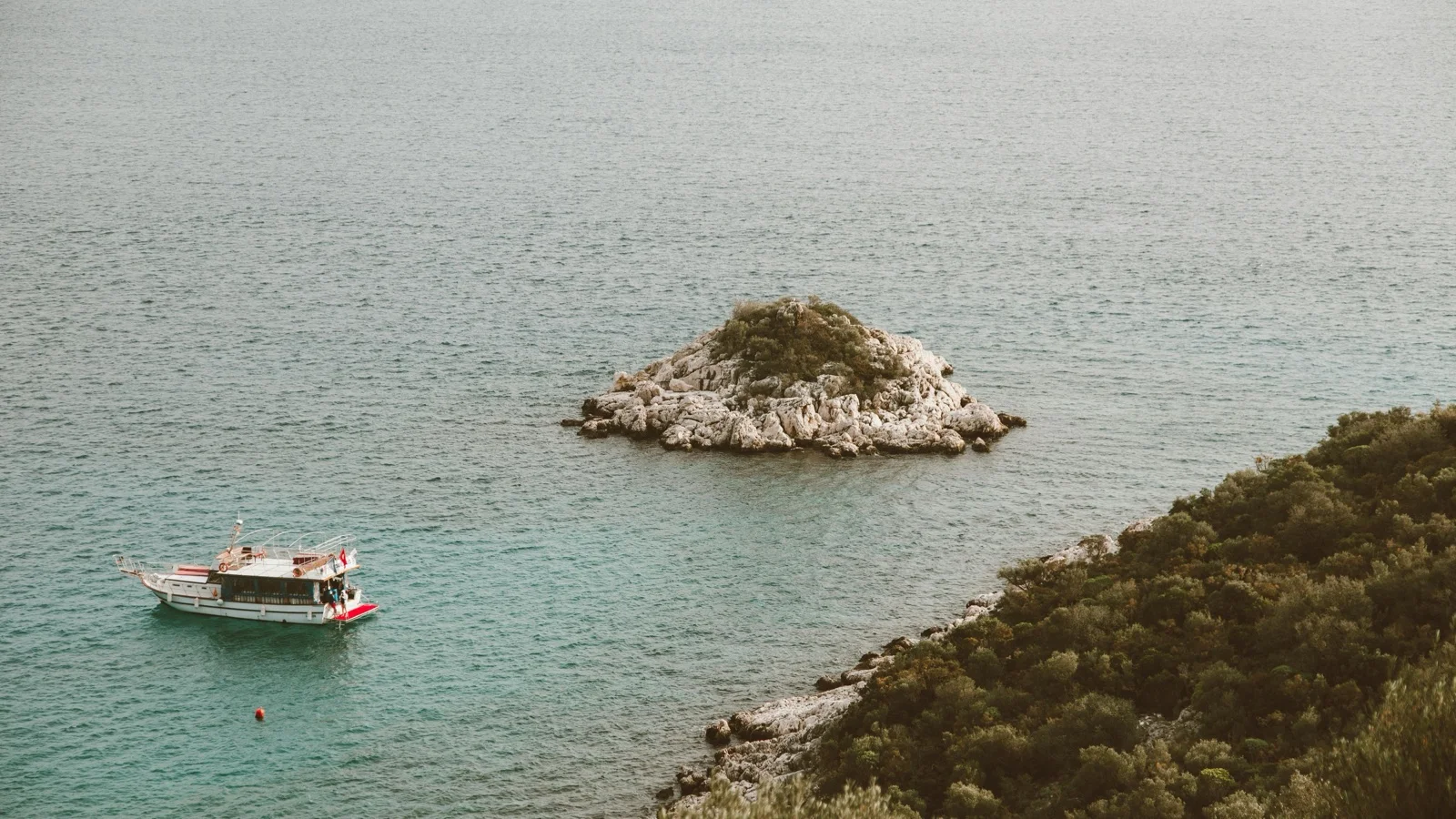
Sendai is the city a one-eyed warlord built, and three days here cover castle ruins, 260 pine-covered islands, and a thousand-step mountain temple with cliff-side views.
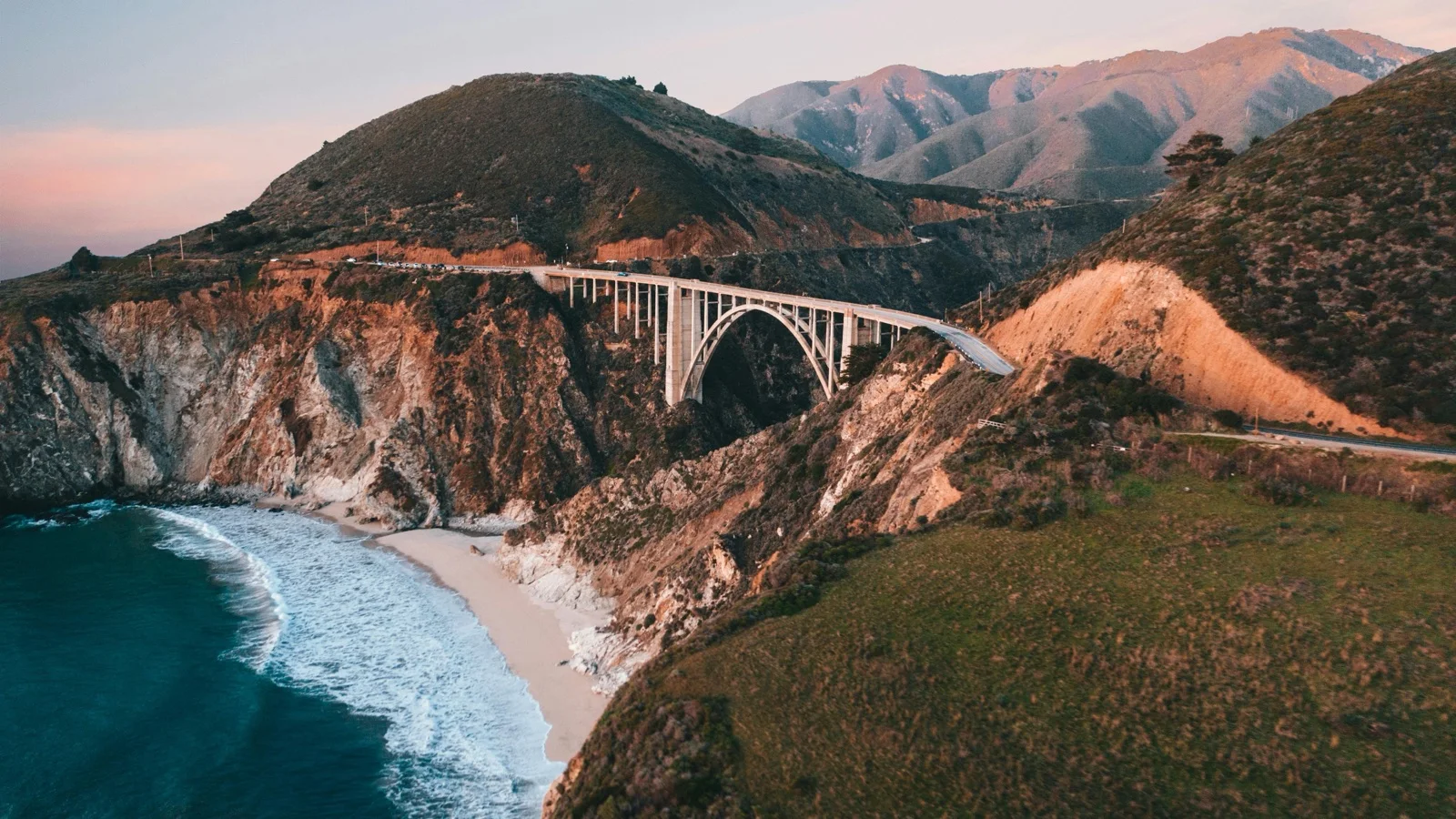
San Luis Obispo shifts from quiet mission history to weird downtown charm to wide-open Central Coast bluffs in three days that never repeat a mood.
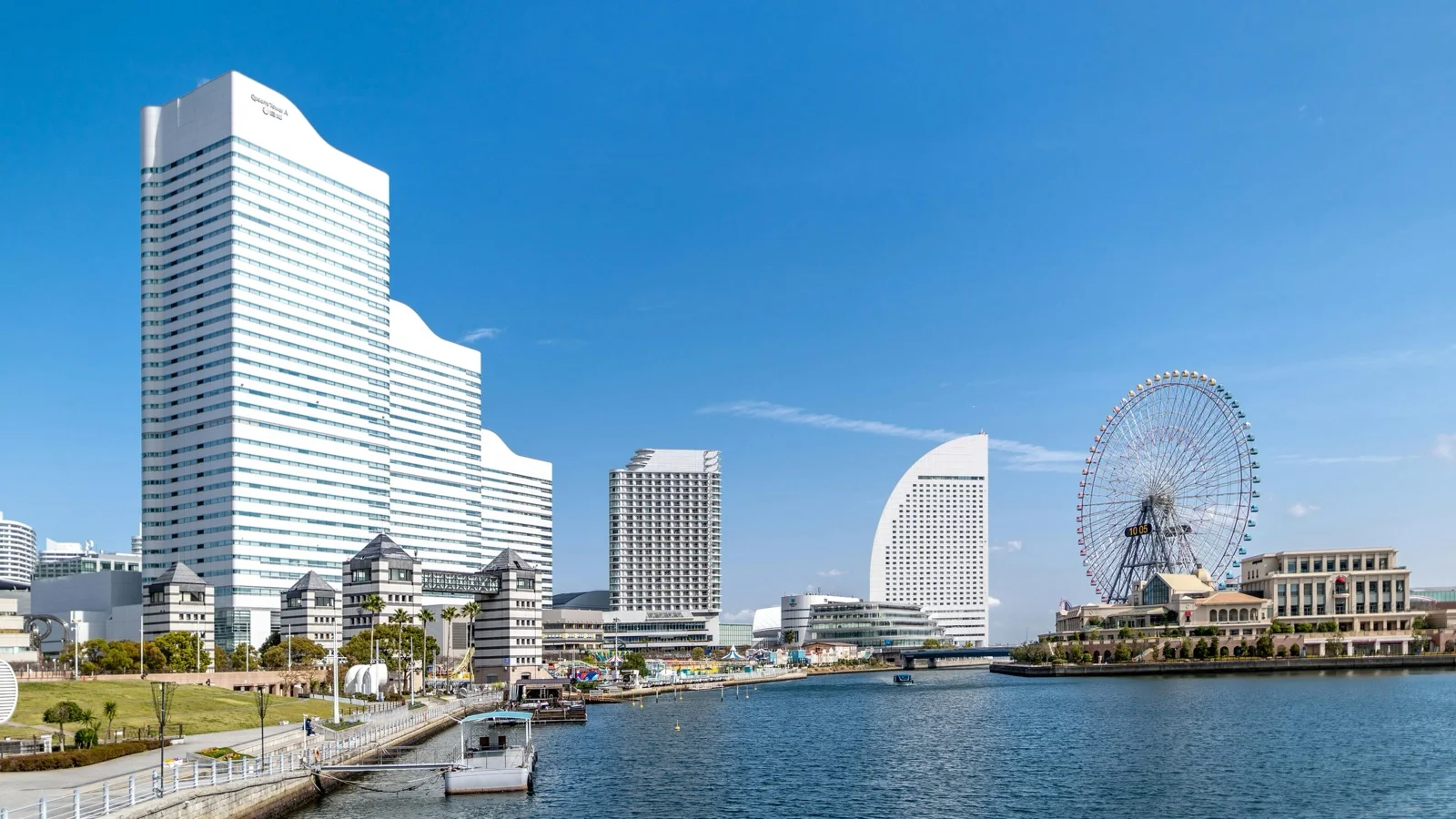
Yokohama is the port city where old docks, skyline walks, garden calm, and serious noodle culture coexist. Three days give you bay views, ship history, Chinatown chaos, and the good kind of weird.
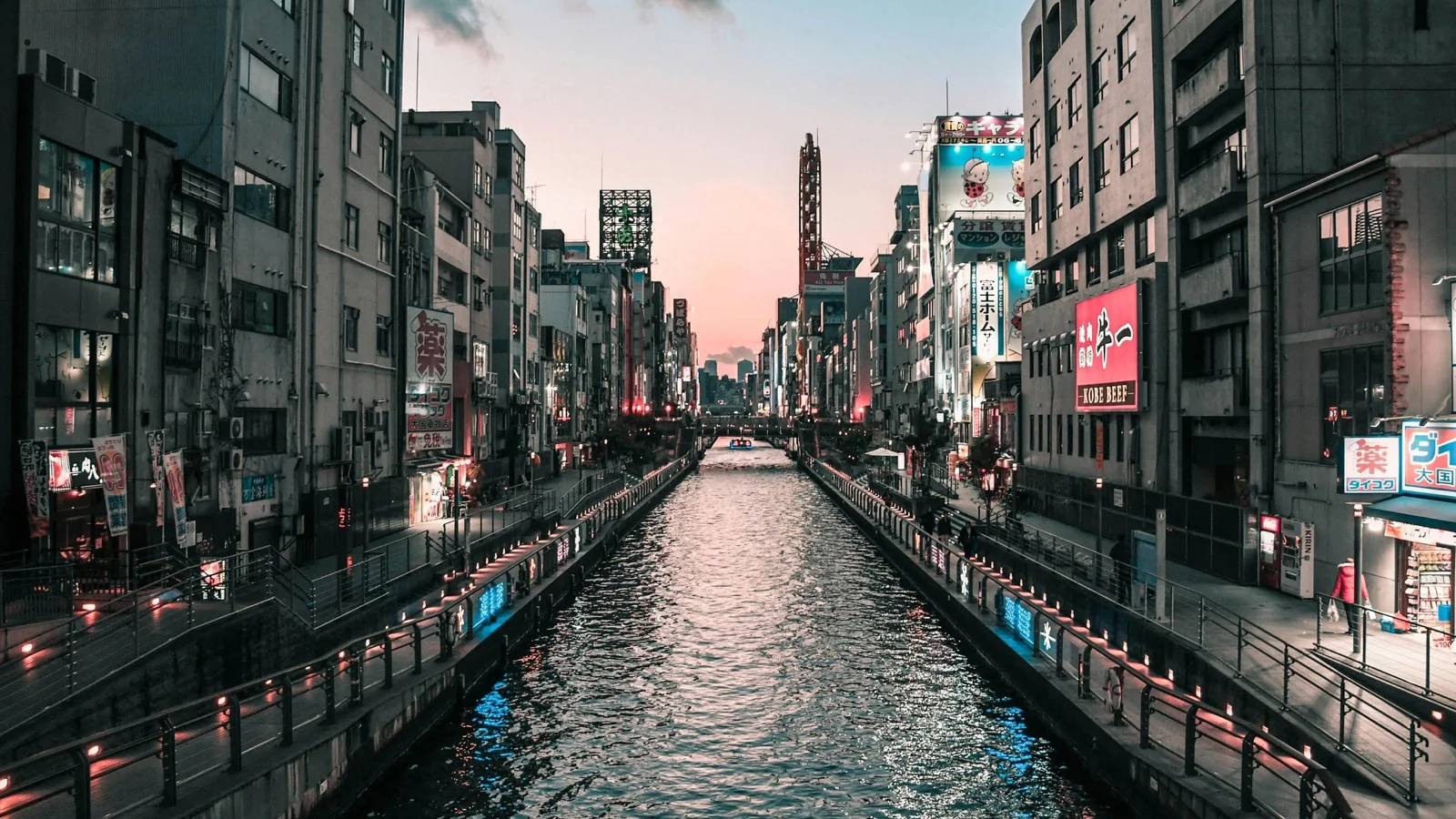
Osaka is the city where breakfast starts under market roofs and ends under neon by a canal. Three days of covered arcades, skyline views, and the best street food in Japan.
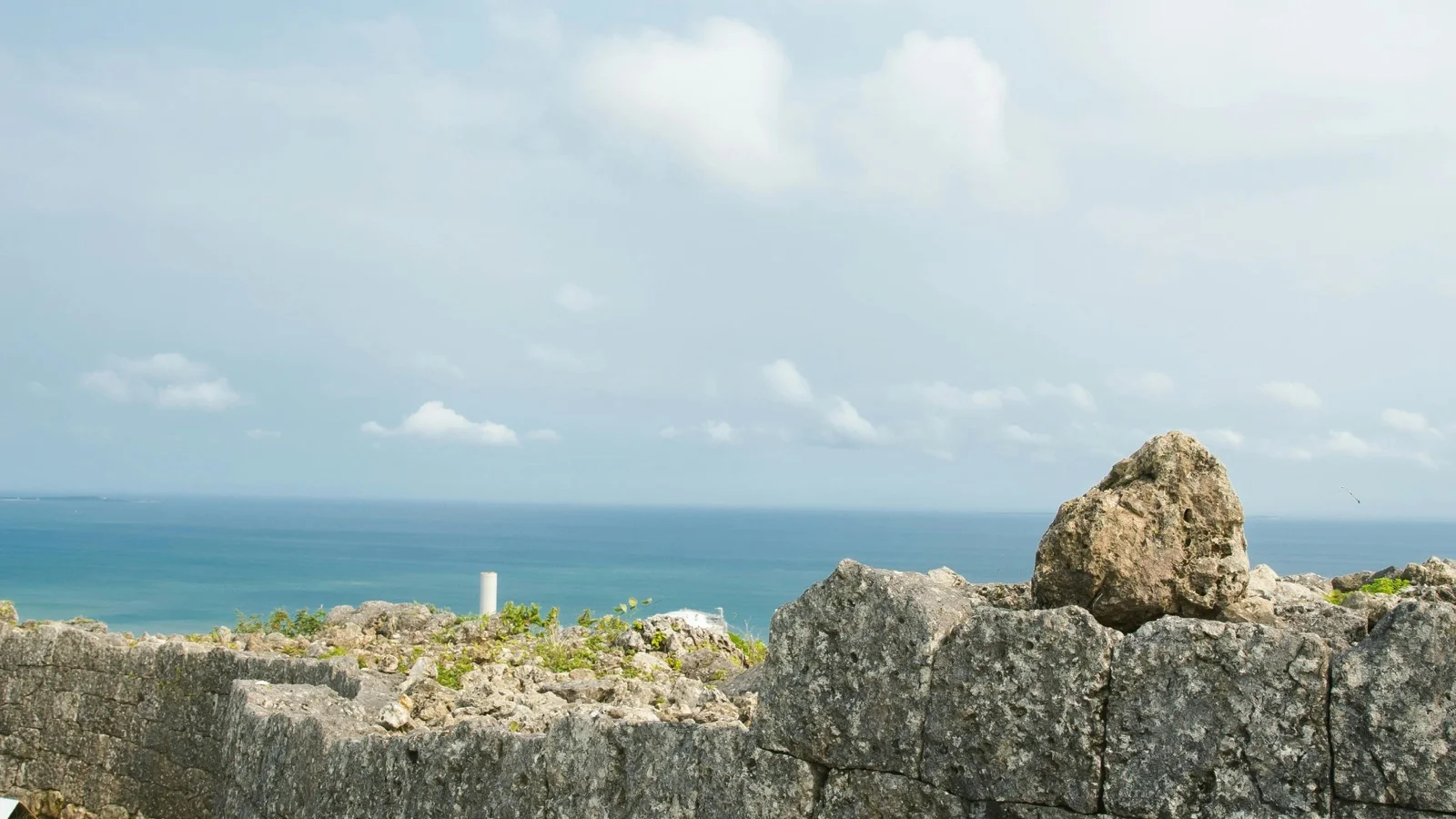
Four days in Naha give you Ryukyu castles, whale sharks, pottery alleys, and sacred forests, plus the beaches and street food that make Okinawa feel different from mainland Japan.